
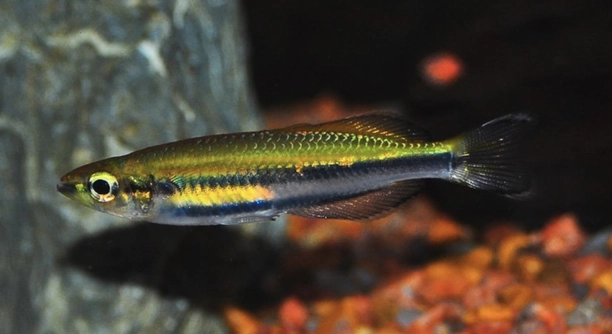
Keeping a rainbowfish tank healthy can feel rewarding, yet sometimes tricky. Maintaining a balanced environment is important for the fish to thrive. Many enthusiasts enjoy watching their rainbowfish display bright colors and active behavior daily.
A healthy rainbowfish tank requires stable water conditions, proper filtration, adequate space, consistent feeding, and regular monitoring. Ensuring these factors are met promotes fish vitality, supports natural behavior, and maintains a clean, balanced aquatic environment over time.
Observing these key traits helps your rainbowfish flourish while maintaining a vibrant, visually appealing tank that remains a relaxing and enjoyable space.
Stable Water Conditions
Maintaining stable water conditions is essential for a healthy rainbowfish tank. Sudden changes in temperature, pH, or hardness can stress the fish, making them more prone to illness. Regularly checking water parameters with reliable test kits ensures that the environment stays within safe limits. Using a heater with a thermostat helps maintain consistent temperatures, especially in colder months. Proper water cycling before introducing fish prevents harmful ammonia spikes and establishes a balanced ecosystem. It’s important to perform partial water changes weekly to remove waste and replenish essential minerals. Adding live plants can help absorb excess nutrients, contributing to water stability. Avoid overcrowding, as too many fish can quickly destabilize the tank and affect oxygen levels. Keeping the water clear and free of debris also supports overall health. Observing fish behavior is another indicator of stable conditions. Active swimming and bright coloration usually mean the environment is suitable.
Stable water conditions directly impact rainbowfish health, behavior, and coloration, promoting long-term survival while minimizing stress and disease risk in the aquarium.
Regular monitoring and small adjustments over time make maintaining these conditions easier. It reduces surprises and keeps the tank peaceful and enjoyable.
Proper Filtration
Proper filtration ensures clean water and reduces harmful buildup in the tank. Filters remove debris, excess food, and waste, maintaining oxygen levels.
A well-chosen filter supports both mechanical and biological filtration, which is crucial for rainbowfish. Mechanical filtration removes visible particles, keeping the water clear, while biological filtration supports beneficial bacteria that break down ammonia and nitrites, preventing toxic conditions. The filter should match the tank size and fish load; an undersized filter can fail, while an oversized one may create too strong a current, stressing the fish. Regular maintenance is necessary, including rinsing filter media in tank water to preserve bacteria and prevent clogging. Avoid using tap water with chlorine directly on media, as it can kill beneficial organisms. Positioning the filter correctly allows for even water circulation, reducing dead spots where debris can accumulate. Observing water clarity and fish activity can indicate whether the filtration system is performing adequately. Investing in a reliable filter and routine upkeep ensures the rainbowfish remain in a safe, clean, and stable environment, contributing to vibrant coloration and active behavior consistently.
Adequate Space
Rainbowfish need enough space to swim freely and grow properly. Crowding stresses them and can lead to poor health.
Providing sufficient tank size allows rainbowfish to exhibit natural schooling behavior and reduces aggressive interactions. A general guideline is to allow at least 10 gallons per adult fish, with larger tanks preferred for bigger groups. Overcrowding can increase waste buildup, strain filtration systems, and make maintaining stable water conditions more difficult. Including open swimming areas alongside planted regions gives fish both activity space and hiding spots. Observing their movement patterns helps determine if the tank feels cramped or comfortable. Regularly assessing the population ensures the tank remains suitable as fish grow.
Maintaining adequate space not only promotes physical health but also encourages natural behaviors. It supports schooling patterns, reduces stress, and allows each fish to thrive. The tank layout, including plants, rocks, and decorations, should balance open swimming areas with shaded retreats. Careful planning ensures the environment feels secure while remaining visually appealing. Keeping an appropriate fish-to-space ratio helps maintain stable water quality, as fewer fish produce less waste, reducing filtration strain. This approach supports long-term health, bright coloration, and active behavior, making the tank more enjoyable to watch.
Consistent Feeding
Feeding rainbowfish consistently supports growth and overall health. Irregular meals can stress them and affect vitality.
Providing a balanced diet at regular intervals ensures fish receive proper nutrition. Rainbowfish thrive on a mix of high-quality flakes, pellets, and occasional live or frozen foods like brine shrimp or daphnia. Overfeeding can lead to water quality issues, while underfeeding reduces energy levels and growth. Feeding small amounts multiple times a day is often more effective than one large meal, allowing fish to consume food completely and preventing leftovers from decaying. Observing feeding behavior helps gauge health and appetite. Avoiding sudden diet changes reduces stress and digestive problems. Supplements like spirulina or vegetable matter enhance coloration and provide essential nutrients. Consistency in both type and timing of food supports metabolism and overall vitality, keeping rainbowfish active, colorful, and healthy.
Regular Monitoring
Keeping an eye on water parameters and fish behavior is essential. Regular checks prevent small issues from becoming serious problems.
Observing rainbowfish daily helps identify stress, illness, or aggression early. Monitoring water clarity, temperature, pH, and nitrate levels ensures the tank environment remains stable and safe.
Healthy Plant Life
Live plants improve water quality by absorbing excess nutrients and providing hiding spots. They also create a more natural environment that reduces stress. Plants like Java fern, Anubias, and hornwort are suitable for rainbowfish tanks, offering both decoration and functional benefits.
Clean Tank Environment
Removing uneaten food, debris, and algae regularly keeps the tank healthy. A clean environment prevents disease, maintains water quality, and supports fish vitality.
Compatible Tank Mates
Rainbowfish thrive with peaceful, similarly sized species. Aggressive or overly large fish can stress or harm them, so careful selection is necessary.
FAQ
How often should I test the water in my rainbowfish tank?
Testing the water once a week is usually sufficient for a stable tank. Focus on temperature, pH, ammonia, nitrite, and nitrate levels. Frequent testing helps catch changes early and ensures the environment stays safe for the fish. Using reliable test kits simplifies this process and provides accurate readings.
What is the ideal temperature for rainbowfish?
Rainbowfish thrive in water between 74°F and 78°F (23°C–26°C). Consistent temperature is crucial, as sudden fluctuations can stress them. A reliable heater with a thermostat maintains stable conditions. Monitoring daily helps ensure the tank remains within this safe range, supporting health and vibrant coloration.
How much should I feed my rainbowfish?
Feed small amounts two to three times a day. Only provide what the fish can eat in a few minutes. Overfeeding leads to waste buildup and poor water quality, while underfeeding affects growth and energy. Incorporate a mix of flakes, pellets, and occasional live or frozen foods for balanced nutrition.
Can I keep rainbowfish with other species?
Yes, they do well with peaceful, similarly sized fish. Avoid aggressive or much larger species that may bully or stress rainbowfish. Suitable tank mates include tetras, rasboras, and small gouramis. Observing interactions is important to ensure compatibility and reduce conflicts.
How often should I perform water changes?
Partial water changes of 20–30% weekly help maintain water quality. Removing accumulated waste and replacing essential minerals prevents stress and disease. Consistency is more important than large, irregular changes, as sudden shifts can destabilize the tank. Using dechlorinated water ensures safety for the fish.
Why are my rainbowfish losing color?
Faded colors often indicate stress, poor diet, or unsuitable water conditions. Ensure consistent feeding with nutritious foods, stable water parameters, and sufficient space. Healthy plants and proper lighting can also enhance coloration. Observing behavior alongside color changes helps identify the root cause.
What plants work best in a rainbowfish tank?
Java fern, Anubias, and hornwort are excellent choices. They are hardy, provide hiding spots, and improve water quality by absorbing excess nutrients. Arranging plants with open swimming areas supports natural fish behavior and creates a visually appealing environment.
How can I prevent algae growth?
Avoid overfeeding and maintain a clean tank. Proper filtration and partial water changes reduce excess nutrients that promote algae. Controlling light exposure, either natural or artificial, also helps. Some live plants can compete with algae, keeping its growth in check naturally.
How long do rainbowfish typically live?
With proper care, rainbowfish can live 5–8 years, sometimes longer. Stable water conditions, a balanced diet, and minimal stress contribute to longevity. Regular monitoring, clean water, and compatible tank mates all play a role in supporting a full, healthy lifespan.
What signs indicate illness in rainbowfish?
Lethargy, loss of appetite, clamped fins, unusual swimming, or visible spots can indicate health issues. Early detection is key. Quarantine new fish, maintain water quality, and observe behavior closely. Prompt action prevents disease spread and helps maintain a healthy tank environment.
Final Thoughts
Maintaining a healthy rainbowfish tank requires consistent attention to several key factors. Stable water conditions are the foundation of a thriving tank, as sudden changes in temperature, pH, or hardness can stress the fish and lead to illness. Regular monitoring of water parameters, combined with partial water changes, ensures that the environment remains safe and balanced. Adequate filtration and proper tank size support water stability and reduce the risk of harmful waste accumulation. When these basics are maintained, rainbowfish can display their natural behaviors, including active swimming and schooling, and their vibrant colors remain bright and appealing.
Feeding is another essential aspect of a healthy rainbowfish tank. A balanced diet that includes high-quality flakes, pellets, and occasional live or frozen foods helps fish grow properly and stay active. Feeding small portions multiple times a day prevents overfeeding, which can harm water quality, while avoiding long gaps between meals keeps the fish energized. Live plants not only enhance the tank visually but also contribute to water quality and provide safe hiding spots, reducing stress. Choosing compatible tank mates ensures a peaceful environment, as aggressive or much larger fish can cause harm or anxiety, which affects health and behavior.
Finally, regular observation and maintenance are key to long-term success. Watching the fish daily allows early detection of illness or stress, while keeping the tank clean and well-organized prevents problems before they arise. Maintaining consistency in care, including feeding routines, water checks, and cleaning schedules, reduces stress on both the fish and the aquarist. A healthy rainbowfish tank is not only a safe habitat for the fish but also a calming and enjoyable space. By paying attention to these essential traits and caring for the fish consistently, a rainbowfish tank can remain vibrant, balanced, and a lasting source of satisfaction.

Hello,
If you enjoy the content that we create, please consider saying a "Thank You!" by leaving a tip.
Every little bit helps us continue crafting quality advice that supports the health, happiness, and well-being of pets around the world, for pets of all shapes, sizes, and species.
We really appreciate the kindness and support that you show us!