
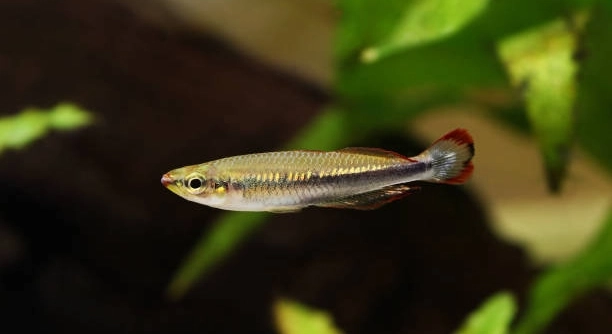
Madagascar Rainbowfish are small, colorful freshwater fish that brighten up home aquariums. Their lively movements and shimmering scales make them popular among fish enthusiasts. Many people enjoy observing their behavior as they swim gracefully through planted tanks.
Madagascar Rainbowfish display moderate intelligence compared to other freshwater species. They can recognize familiar tank mates, respond to feeding cues, and exhibit learning behaviors such as navigating mazes or remembering food locations, indicating cognitive abilities beyond instinctual actions alone.
Observing their behaviors can reveal surprising insights into their intelligence. These small fish have more to show than just their vibrant colors.
Physical Characteristics of Madagascar Rainbowfish
Madagascar Rainbowfish are slender and elongated, with a slightly compressed body that allows them to move swiftly through water. Their scales shimmer in shades of blue, green, and red, reflecting light beautifully. Males tend to be more colorful and slightly larger than females. Their fins are delicate yet strong, helping them maintain balance and direction. These fish grow to around three inches in length, making them suitable for small to medium aquariums. Their eyes are relatively large, giving them good vision, which helps in detecting food and observing tankmates. The dorsal fin runs along most of their back, and the caudal fin is forked, providing bursts of speed when needed. They have a peaceful temperament, rarely showing aggression unless competing for food or territory. This combination of appearance and behavior makes them visually appealing while still engaging to watch in a tank environment. Their unique colors also shift slightly depending on lighting and mood, creating dynamic displays in any aquarium.
These fish are adaptable and can thrive in varied water conditions. Their vivid colors and gentle nature make them a joy to observe.
Their shimmering scales, graceful swimming, and calm temperament make Madagascar Rainbowfish an attractive addition to any tank. Observing them can be relaxing and satisfying, offering insight into their subtle social behaviors and intelligence. They interact with each other through small displays of fin movements and chasing, showing an awareness of their environment and companions. Their compact size and hardiness mean they can coexist with many other peaceful species. For anyone maintaining a planted or community tank, these fish add both visual appeal and mild interaction without requiring complex care routines. Watching their coordinated schooling behavior can also be mesmerizing, demonstrating social intelligence and memory, especially when feeding routines are consistent. Over time, you may notice them learning patterns in the tank, such as preferred hiding spots or responding to familiar caretakers, reflecting their cognitive abilities. Their presence encourages attentiveness to detail, making daily aquarium maintenance a more engaging and rewarding experience.
Behavior and Intelligence
Madagascar Rainbowfish are social and often swim in small groups, which supports their natural instincts.
They display memory and learning skills, remembering feeding schedules, tank layout, and interacting differently with familiar and new fish. Their behavior reflects both instinct and adaptive intelligence.
Feeding Habits
Madagascar Rainbowfish eat small live, frozen, or flake foods. They prefer frequent small meals. Their appetite is healthy, and they often swim actively during feeding.
They enjoy a varied diet, including brine shrimp, daphnia, and finely crushed flakes. Providing multiple food types ensures they receive proper nutrition. Overfeeding can cause water issues, so controlled portions are important. These fish often recognize feeding times and may gather near the surface or follow the movement of caretakers, showing memory and anticipation. A balanced diet supports their colors, energy, and overall health, making them lively and more interactive in the tank environment.
Feeding routines can reveal intelligence. They remember the timing and location of food. Observing their behavior during feeding highlights their learning capacity and social interactions. Group dynamics may change depending on who reaches the food first, showing subtle hierarchy and strategy among the fish. These small displays provide insight into their cognitive abilities and reinforce the importance of consistency in care. Watching them adapt and respond to feeding patterns adds an engaging, interactive element to maintaining the aquarium.
Tank Environment
Madagascar Rainbowfish thrive in well-planted aquariums with open swimming areas. They need stable water conditions.
A tank with plants, hiding spots, and moderate current supports their natural behaviors. Proper filtration, regular water changes, and consistent temperature create a healthy environment.
These fish prefer slightly acidic to neutral water, with temperatures around 22–28°C. They feel secure with vegetation that mimics natural habitats, offering cover and resting areas. Open swimming spaces are necessary for schooling behavior and active movement. Lighting enhances their colors, and smooth substrate prevents injury. Tank mates should be peaceful to prevent stress or aggression. Regular monitoring of water parameters is essential, as these fish are sensitive to sudden changes. Providing an environment that balances safety, activity space, and visual stimulation promotes overall well-being and allows their intelligence and natural behaviors to flourish.
Social Behavior
Madagascar Rainbowfish are schooling fish and prefer living in groups of six or more. They show coordinated movements and interact peacefully with one another, avoiding aggressive behaviors in a well-maintained tank.
Their social interactions include chasing, fin displays, and following each other. These behaviors help establish group dynamics and reduce stress in the aquarium environment.
Breeding Patterns
Breeding occurs in planted tanks with slightly warmer water. Females scatter eggs among plants while males display vibrant colors to attract them. Success depends on water quality, diet, and minimal disturbances to encourage natural spawning behaviors.
Health Considerations
Maintaining clean water and a balanced diet prevents common illnesses. Regular observation helps detect early signs of stress or disease, ensuring long-term health.
Lifespan
Madagascar Rainbowfish typically live five to seven years with proper care. Their longevity depends on diet, tank conditions, and social environment.
FAQ
How large should a tank be for Madagascar Rainbowfish?
A tank of at least 20 gallons is recommended for a small group of six or more. Larger tanks are better for more fish, providing ample swimming space, reducing stress, and supporting their natural schooling behavior. Open areas with plants and hiding spots create a balanced environment for activity and security.
What temperature is ideal for these fish?
They thrive in water between 22–28°C. Maintaining stable temperatures prevents stress and promotes healthy behavior. Sudden fluctuations can weaken their immune system, making them more prone to disease. A reliable heater and thermometer help monitor the environment consistently.
What do Madagascar Rainbowfish eat?
They enjoy a varied diet of flakes, pellets, frozen foods, and live small prey like brine shrimp or daphnia. Offering different foods ensures proper nutrition, vibrant colors, and active behavior. Feed small portions multiple times a day to avoid overfeeding and maintain water quality.
Can they live with other fish?
Yes, they are peaceful and can coexist with other non-aggressive species. Ideal tank mates include small tetras, rasboras, and peaceful bottom dwellers. Avoid aggressive or much larger fish that may stress or harm them, ensuring a calm and social aquarium community.
How can I tell if they are healthy?
Healthy fish display bright colors, smooth scales, clear eyes, and consistent swimming patterns. Reduced appetite, clamped fins, or hiding may indicate stress or illness. Observing their behavior daily helps detect problems early, allowing prompt action to maintain health.
Do they require special water conditions?
Slightly acidic to neutral water with moderate hardness is ideal. Regular water changes and proper filtration are crucial to remove waste and toxins. Stable water parameters support their immune system, reduce stress, and encourage natural behaviors like schooling and feeding.
How often should I feed them?
Feed small portions two to three times daily. Overfeeding can pollute the water, while underfeeding may affect growth and color. Observing their feeding response allows adjustments, ensuring each fish receives adequate nutrition without harming tank conditions.
Are they easy to care for?
Yes, with proper tank setup, regular water maintenance, and a balanced diet, they are relatively low-maintenance. Their peaceful nature, adaptability, and moderate intelligence make them suitable for hobbyists who can maintain consistent care routines.
How do I encourage breeding?
Provide a well-planted tank, slightly warmer water, and a nutritious diet. Males display vibrant colors to attract females. Spawning occurs among plants, with eggs scattered for protection. Minimal disturbance during this period increases the likelihood of successful breeding.
Do they recognize their caretakers?
They can associate feeding times with familiar caretakers and may swim toward you during meal preparation. This behavior shows memory and learning abilities, reflecting their moderate intelligence and adaptive skills in responding to repeated stimuli.
What is their average lifespan?
With proper care, they live five to seven years. Maintaining stable water conditions, a nutritious diet, and a calm social environment supports longevity and overall well-being. Proper attention ensures they remain active and visually vibrant throughout their lifespan.
Can they tolerate community tanks?
Yes, they perform best in peaceful community setups. Their schooling instinct works well with other non-aggressive fish, and they adapt to shared spaces without conflict. Observing interactions ensures harmony and reduces stress, contributing to healthy, long-lived fish.
Do they need specific lighting?
Moderate lighting enhances their colors and supports plant growth in the tank. Too bright lighting may stress them, while dim conditions can dull their colors. Balanced lighting helps maintain natural behaviors and overall tank aesthetics.
How can I prevent diseases?
Maintaining clean water, avoiding overcrowding, and providing a balanced diet are key. Quarantining new fish before introduction reduces the risk of infection. Regular observation ensures early detection, allowing swift intervention and minimizing the impact of illness.
Are they intelligent compared to other fish?
They show memory, learning behaviors, and social awareness. They recognize feeding routines, navigate tank structures, and interact with group members, demonstrating moderate intelligence and adaptability beyond instinctive behavior. These traits make them engaging to observe over time.
Madagascar Rainbowfish are fascinating little fish that bring color and life to any aquarium. Their shimmering scales, graceful swimming, and calm temperament make them appealing to observe. Beyond their appearance, they demonstrate behaviors that show intelligence and social awareness. Watching them interact in groups, respond to feeding routines, and explore their environment can be surprisingly engaging. They are schooling fish, which means they feel more comfortable and show natural behaviors when kept in groups. This schooling instinct also encourages coordination and subtle social hierarchies, which is interesting to notice over time. Their intelligence may not be as advanced as larger freshwater fish, but it is noticeable through their learning abilities, memory, and social interactions. They can remember feeding patterns, recognize familiar fish and caretakers, and respond to environmental changes, demonstrating adaptability. These small cognitive traits make caring for them rewarding and allow an aquarium to feel more dynamic. Their active swimming, playful interactions, and subtle displays of hierarchy contribute to an enriching and lively tank experience.
Proper care of Madagascar Rainbowfish requires attention to diet, water quality, and tank setup. They thrive on a varied diet that includes flake foods, live or frozen small prey, and occasional treats. Feeding routines help reinforce memory and behavioral patterns, which can be enjoyable to observe. Water conditions must be stable, slightly acidic to neutral, with moderate hardness and a temperature range of 22–28°C. Regular water changes and proper filtration are necessary to maintain their health and prevent stress-related illnesses. They do well in tanks with plants, open swimming spaces, and peaceful tank mates. These environmental factors support their natural behaviors and cognitive abilities. Observing their schooling behavior, social interactions, and responses to changes in their environment provides insights into their intelligence and personality. Maintaining these conditions ensures they remain healthy, colorful, and active for years. Their moderate intelligence and responsiveness to care routines make them ideal for those who enjoy observing fish behavior while managing a manageable aquarium.
Madagascar Rainbowfish are a valuable addition to home aquariums for both appearance and behavior. Their vivid colors, schooling instincts, and subtle intelligence make them stand out in a community tank. Observing their interactions with tank mates, their response to feeding, and their adaptation to the environment adds an engaging aspect to fishkeeping. They are not demanding, but consistent care and attention to environmental conditions enhance their well-being and longevity. Their lifespan of five to seven years allows for long-term observation of growth, learning behaviors, and social dynamics. Caring for them involves a balance of providing proper nutrition, maintaining clean water, and ensuring a safe and stimulating environment. These factors together encourage natural behaviors and foster moderate intelligence, making them more than just decorative fish. For anyone looking to add a visually appealing and moderately intelligent species to their aquarium, Madagascar Rainbowfish offer a combination of beauty, calmness, and interactive behavior that enriches the overall tank experience. Watching them navigate, communicate, and adapt can be both calming and rewarding over time.

Hello,
If you enjoy the content that we create, please consider saying a "Thank You!" by leaving a tip.
Every little bit helps us continue crafting quality advice that supports the health, happiness, and well-being of pets around the world, for pets of all shapes, sizes, and species.
We really appreciate the kindness and support that you show us!