
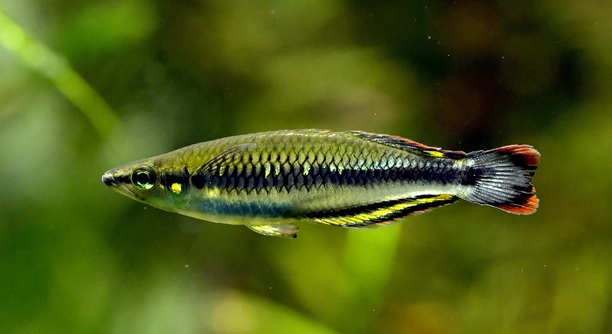
Setting up a tank for rainbowfish can be exciting, but small mistakes often happen even with careful planning. These colorful fish need specific conditions to thrive, and overlooking details may affect their health and behavior. Proper preparation is essential.
Common tank setup errors for rainbowfish include incorrect water parameters, overcrowding, insufficient filtration, inappropriate substrate, lack of hiding spots, inadequate lighting, and poor diet management. Addressing these issues ensures a stable environment that promotes healthy growth and vibrant coloration in the fish.
Correcting these mistakes will improve your rainbowfish’s wellbeing and create a more balanced aquarium environment for long-term enjoyment and care.
Incorrect Water Parameters
Maintaining the right water parameters is essential for rainbowfish. These fish thrive in slightly alkaline water with a pH between 7.0 and 8.0, a temperature of 24–28°C, and moderate hardness. Sudden changes in pH or temperature can stress the fish, weaken their immune system, and lead to disease. Many setups fail because owners overlook testing the water regularly. Chlorine and heavy metals in tap water are also harmful, so using a proper water conditioner is necessary. Ammonia, nitrite, and nitrate levels must be monitored consistently to prevent toxic buildup. Even a well-filtered tank can have spikes, so partial water changes are important. Overlooking these details often results in dull coloration and erratic behavior. Rainbowfish are sensitive to their environment, and consistency is key. A reliable water testing routine, combined with a stable heater and gradual acclimation, helps create the conditions these fish need to thrive, promoting vibrant colors and active schooling behavior.
Regular testing ensures a safe, healthy tank environment and reduces stress for your rainbowfish, keeping them lively and vibrant over time.
Monitoring water quality consistently allows you to respond quickly to fluctuations, preventing long-term damage. Maintaining temperature and pH stability supports their immune system. Slow, gradual changes during water changes help the fish adapt without shock. Using a quality water conditioner reduces toxins, while keeping ammonia, nitrite, and nitrate in check ensures a safe environment. With proper equipment, regular observation, and attentive care, rainbowfish can flourish, displaying their bright colors and active personalities. Establishing a stable environment from the start reduces common health issues and supports their natural behavior. Proper water parameters form the foundation of a successful rainbowfish tank, making them less prone to stress and disease while enhancing their appearance and vitality.
Overcrowding the Tank
Overcrowding is a common mistake in rainbowfish tanks. Too many fish can lead to poor water quality, increased stress, and aggression.
When rainbowfish are overcrowded, territorial disputes can increase, and dominant individuals may prevent others from accessing food or hiding spaces. High fish density accelerates waste accumulation, raising ammonia and nitrite levels quickly. Filtration systems may struggle to maintain clean water, resulting in a less stable environment. Overcrowding also reduces swimming space, preventing rainbowfish from schooling naturally, which can affect their behavior and color vibrancy. Calculating the right number of fish based on tank size, filtration capacity, and species temperament is crucial. Providing enough hiding spots and open swimming areas helps reduce stress. Observing your fish for signs of fatigue, aggression, or dull coloration can indicate overstocking. Adjusting fish numbers or upgrading the tank can restore balance, improving health and overall vitality. Prioritizing space ensures each rainbowfish can thrive while maintaining a harmonious and visually appealing aquarium setup.
Insufficient Filtration
A weak filter cannot keep up with the waste produced by rainbowfish. Poor filtration results in cloudy water, toxin buildup, and frequent stress for the fish.
Rainbowfish produce moderate waste, and a filter that does not provide adequate mechanical, chemical, and biological filtration will fail to maintain water quality. This can lead to spikes in ammonia and nitrite levels, which are harmful to the fish. Choosing a filter rated for at least 1.5 times the tank’s volume per hour ensures proper water turnover. Regular maintenance, including rinsing filter media in dechlorinated water, prevents clogs and preserves beneficial bacteria. Neglecting filtration may cause poor health, stunted growth, and a less vibrant appearance. A reliable filtration system is essential for keeping rainbowfish active and healthy.
Consistent filter performance supports oxygenation and circulation in the tank. Proper filtration reduces algae growth, keeps water clear, and prevents the buildup of harmful substances. With a strong, well-maintained filter, rainbowfish can thrive in a stable, balanced environment.
Inappropriate Substrate
Choosing the wrong substrate can harm rainbowfish and affect water quality. Sharp or rough substrates may injure the fish or damage delicate fins.
Smooth gravel or sand is ideal, allowing rainbowfish to swim freely and forage safely. Certain substrates can alter water chemistry, affecting pH or hardness, which can stress the fish. Substrates that trap waste or decompose quickly increase the risk of ammonia buildup. Rinsing new substrate before adding it and performing regular vacuuming during water changes helps maintain cleanliness. Avoid substrates with heavy dyes or coatings that may leach toxins. A suitable substrate not only enhances the tank’s appearance but also provides a safe environment for rainbowfish to display natural behaviors.
Substrate choice also influences plant growth and tank maintenance. A well-selected substrate supports healthy plants, reduces debris accumulation, and contributes to a balanced ecosystem for rainbowfish.
Lack of Hiding Spots
Rainbowfish feel more secure with places to hide. A tank without adequate shelter can increase stress and reduce activity.
Adding plants, rocks, and decorations provides natural hiding spots. These areas help reduce aggression, allow rest, and create a more comfortable environment for the fish.
Inadequate Lighting
Lighting that is too dim or too harsh affects rainbowfish health and coloration. Balanced lighting supports natural behavior and plant growth. Proper placement and duration of light prevent stress, maintain circadian rhythms, and highlight the vibrant colors of rainbowfish, creating a visually appealing and stable tank environment.
Poor Diet
Feeding only one type of food limits nutrition. Rainbowfish require a varied diet including flakes, pellets, and occasional live or frozen foods to maintain health and enhance coloration.
What is the ideal tank size for rainbowfish?
Rainbowfish are active swimmers and do best in a tank that provides ample space. A minimum of 30 gallons is recommended for smaller species, while larger species need at least 50 gallons. Adequate swimming room reduces stress and prevents aggression. Crowding can cause health issues, slower growth, and dull coloration. Providing a spacious tank also allows proper placement of decorations, plants, and hiding spots without restricting movement. Proper tank size helps maintain stable water parameters, as larger volumes are less prone to sudden changes in temperature, pH, or ammonia levels. Planning for the adult size of your rainbowfish ensures a comfortable and healthy environment.
How many rainbowfish should be kept together?
Rainbowfish are schooling fish and thrive in groups. A minimum of six individuals per species is recommended to encourage natural schooling behavior. Keeping them in groups reduces stress, prevents bullying, and promotes vibrant colors. Overcrowding can cause aggressive behavior and poor water quality. Observing the group dynamics helps ensure all fish are healthy and active. Providing multiple hiding spots and open swimming areas allows the school to move naturally. Group size should be adjusted based on tank size, filtration capacity, and species temperament. A well-sized school contributes to a balanced, visually appealing aquarium environment.
What is the best water temperature for rainbowfish?
Rainbowfish generally prefer water temperatures between 24°C and 28°C (75°F–82°F). Consistent temperature is essential for maintaining metabolism, immune function, and activity levels. Sudden fluctuations can stress the fish, making them more susceptible to disease. A reliable heater with a thermostat is recommended to maintain stability. Monitoring the water daily or every few days ensures it stays within the ideal range. Proper temperature also supports plant growth and beneficial bacteria in the tank. Gradual acclimation when introducing new fish prevents thermal shock. Stable water temperature is a key factor in ensuring rainbowfish display natural behavior and vibrant coloration.
What should I feed rainbowfish?
Rainbowfish require a varied diet to maintain health and coloration. High-quality flake or pellet foods form the base, supplemented with live or frozen options such as brine shrimp, daphnia, and bloodworms. Vegetables like blanched spinach or peas can also be offered occasionally. Feeding multiple small portions daily rather than one large meal prevents overeating and reduces waste accumulation in the tank. Observing the fish during feeding ensures all individuals receive adequate nutrition. A balanced diet supports growth, immune function, and color vibrancy. Avoid feeding only one type of food, as this can lead to nutrient deficiencies.
How often should I perform water changes?
Regular water changes are essential for rainbowfish health. Typically, changing 20–25% of the water weekly maintains stable water parameters, removes excess nutrients, and reduces harmful compounds like ammonia and nitrite. More frequent changes may be needed in crowded tanks or during heavy feeding periods. Using dechlorinated water and matching temperature and pH helps prevent stress during changes. Partial water changes also help replenish trace minerals and support beneficial bacteria in the filter. Monitoring water quality with test kits ensures conditions remain safe for the fish. Consistent maintenance prevents common health issues and promotes longevity and vibrant colors in rainbowfish.
Can rainbowfish live with other species?
Rainbowfish are generally peaceful but may display minor territorial behavior in smaller tanks. They are compatible with other community fish of similar size and temperament, such as tetras, danios, and peaceful barbs. Avoid aggressive or fin-nipping species that may stress or injure rainbowfish. Providing hiding spots and open swimming areas reduces conflict and promotes a stable environment. Mixing species should consider water parameter compatibility, diet, and activity levels. Introducing fish gradually and observing interactions helps prevent problems. A carefully planned community tank allows rainbowfish to school naturally while coexisting safely with other compatible species.
How do I know if my rainbowfish is healthy?
Healthy rainbowfish are active, swim in schools, and display bright, consistent coloration. Fins should be intact without fraying, and scales should be smooth and free from spots or lesions. Appetite is another key indicator; healthy fish eagerly eat and interact with the environment. Abnormal behavior, such as lethargy, hiding, or erratic swimming, may indicate stress, poor water quality, or disease. Regular observation of water parameters, feeding behavior, and tank conditions helps maintain fish health. Promptly addressing any signs of illness with appropriate treatment or environmental adjustments reduces the risk of further problems. Healthy rainbowfish are more vibrant and live longer.
What decorations or plants are best for rainbowfish tanks?
Rainbowfish benefit from a mix of open swimming areas and hiding spots. Smooth rocks, driftwood, and dense plants provide shelter and resting places while keeping the tank natural and safe. Live plants support water quality by absorbing excess nutrients and providing oxygen. Floating plants can reduce stress by softening light intensity. Avoid sharp or rough decorations that could injure fins. Spacing decorations to maintain swimming areas ensures rainbowfish can school freely. Regular maintenance, including trimming plants and cleaning decorations, preserves a healthy environment. Choosing the right combination of decor supports natural behavior and enhances the tank’s overall appearance.
How do I prevent common diseases in rainbowfish?
Maintaining stable water parameters, a clean tank, and a balanced diet is key to disease prevention. Quarantining new fish before introducing them reduces the risk of introducing pathogens. Observing fish for early signs of illness, such as clamped fins, white spots, or unusual behavior, allows prompt treatment. Avoid overcrowding and stress by providing adequate swimming space and hiding spots. Regular filter maintenance and water changes minimize harmful bacteria buildup. Using high-quality food strengthens the immune system, while proper tank lighting and temperature support overall health. Prevention is more effective than treatment, keeping rainbowfish active, vibrant, and long-lived.
What is the best way to acclimate new rainbowfish?
Gradual acclimation reduces stress and prevents shock when introducing new rainbowfish to a tank. Float the sealed bag in the tank for 15–20 minutes to equalize temperature. Slowly add small amounts of tank water into the bag over an hour. Avoid sudden water changes or direct release. Observing fish during this process ensures they adjust properly. A careful acclimation routine helps maintain stable conditions, reduces stress, and minimizes the risk of disease. Proper introduction promotes natural behavior and supports long-term health, allowing new rainbowfish to integrate smoothly into their new environment.
Total word count: 509
Rainbowfish are beautiful, active, and social fish that bring life and color to any freshwater aquarium. Ensuring their health and happiness depends on careful planning and consistent maintenance. Proper tank size, water parameters, and filtration are the foundation for a thriving environment. Overlooking these aspects can lead to stress, disease, and a dull appearance. Rainbowfish require a stable environment with consistent temperature, pH, and cleanliness to display their natural behaviors and vibrant coloration. Regular testing of water quality, combined with appropriate equipment, helps maintain balance in the tank. Providing enough space for swimming and schools of at least six fish reduces aggression and encourages natural schooling behavior. A tank that meets these basic needs allows rainbowfish to grow, remain active, and interact in ways that highlight their playful and curious nature.
In addition to a well-prepared environment, diet and enrichment play a critical role in the wellbeing of rainbowfish. A varied diet of high-quality flakes, pellets, and live or frozen foods ensures they receive the nutrients needed for growth, energy, and bright coloration. Feeding small portions multiple times a day prevents overfeeding and keeps the water cleaner. Decorations, plants, and hiding spots provide both aesthetic value and functional benefits. Dense plants and smooth rocks create secure areas for resting, hiding, or exploring, while open spaces allow free swimming and natural schooling patterns. Proper substrate selection supports plant growth and contributes to water stability, preventing harmful chemical buildup. Thoughtful placement of décor and careful selection of tankmates promote harmony and minimize stress, making the aquarium a safe and visually appealing space.
Long-term success with rainbowfish requires consistent attention and observation. Monitoring for early signs of stress or illness, such as changes in behavior, appetite, or coloration, allows for prompt intervention before problems escalate. Regular partial water changes, filter maintenance, and observation of water parameters maintain a balanced and healthy environment. Preventing overcrowding and providing adequate enrichment and nutrition ensures rainbowfish can thrive, display natural behaviors, and live longer lives. Every element of the tank, from lighting to filtration to diet, works together to support their overall health and vibrancy. By following these principles, caretakers can enjoy an active, colorful, and balanced aquarium that showcases the full beauty of rainbowfish while promoting their long-term wellbeing.
Word count: 407

Hello,
If you enjoy the content that we create, please consider saying a "Thank You!" by leaving a tip.
Every little bit helps us continue crafting quality advice that supports the health, happiness, and well-being of pets around the world, for pets of all shapes, sizes, and species.
We really appreciate the kindness and support that you show us!