
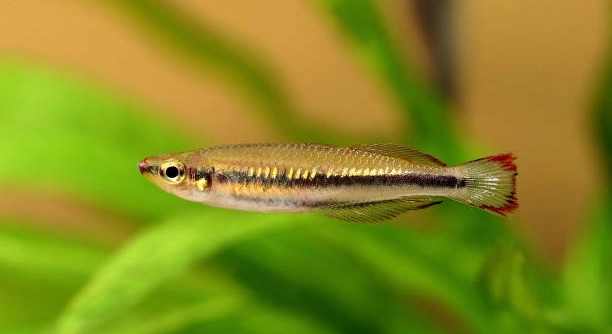
Rainbowfish are colorful, active fish that bring life to any aquarium. Breeding them can be rewarding, but sometimes they stop producing eggs despite optimal care. Understanding the reasons behind this can help maintain a healthy environment for these fish.
Rainbowfish may stop breeding due to stress, poor water quality, inadequate diet, incompatible tank mates, improper lighting, insufficient hiding spaces, or aging. Each of these factors can disrupt reproductive behavior and prevent successful spawning in controlled aquarium settings.
Identifying these causes early allows you to correct issues and support your rainbowfish’s health and breeding potential effectively.
Stress in the Aquarium
Stress is a major factor that can halt rainbowfish breeding. Sudden changes in water temperature, aggressive tank mates, or overcrowding can cause significant stress. Even small disturbances like frequent tapping on the glass or rapid movement near the tank may make rainbowfish feel unsafe. When stressed, rainbowfish often stop displaying mating behaviors and reduce activity, which directly affects their willingness to breed. Maintaining a calm environment with stable conditions is essential. Observing fish behavior daily helps detect stress early. Adding plants and hiding spots allows fish to feel secure. Avoid sudden changes in lighting or feeding routines, as consistency helps reduce tension. Ensuring tank size is appropriate also prevents territorial disputes. Healthy, relaxed fish are more likely to breed successfully.
Keeping the environment stable and quiet gives rainbowfish the confidence to display natural behaviors and encourages regular spawning.
Providing stress-free surroundings with adequate space and hiding places is vital for consistent breeding success. Careful observation ensures early detection of stress.
Water Quality and Parameters
Poor water quality can quickly affect breeding success. Rainbowfish require clean, well-filtered water with stable temperature and pH levels.
Maintaining proper parameters is critical, as even minor imbalances can prevent spawning. Regular testing and water changes ensure optimal conditions for reproduction.
Rainbowfish are sensitive to ammonia, nitrite, and nitrate levels. High levels of these compounds stress fish and can halt egg production. Ideal temperature ranges between 24°C and 28°C, and pH should stay near neutral. Consistent water hardness also supports reproductive health. Using a reliable filtration system and performing partial water changes twice a week helps maintain clarity and balance. Additionally, introducing live plants can naturally stabilize water chemistry and provide areas for egg-laying. Monitoring these parameters daily allows for quick corrections. When water quality is excellent, rainbowfish display brighter colors, increased activity, and regular mating behaviors, significantly improving the likelihood of successful breeding. Investing time in proper water management pays off in healthier, more vibrant fish.
Inadequate Diet
Rainbowfish need a balanced diet to maintain health and support breeding. Lack of protein or essential nutrients can stop egg production.
Providing high-quality flakes, frozen foods, and live insects ensures proper nutrition. Variety keeps fish active and encourages mating. Feeding small portions multiple times a day prevents overeating and maintains water quality. Nutrient-rich diets enhance coloration and vitality, which are signs of readiness to spawn. Avoid relying solely on flakes, as they may lack sufficient proteins and vitamins. Live foods like daphnia or brine shrimp stimulate natural hunting behaviors and improve reproductive health. Maintaining a consistent feeding schedule helps fish adapt and reduces stress, further promoting breeding. Monitoring fish for signs of malnutrition ensures timely adjustments to their diet.
A well-balanced diet rich in proteins, vitamins, and live foods is essential to trigger breeding behaviors and support reproductive health in rainbowfish.
Consistent feeding and dietary variety directly influence spawning frequency and overall vitality, making nutrition a cornerstone of successful breeding.
Tank Mates and Compatibility
Aggressive or overly active tank mates can prevent rainbowfish from breeding. Peaceful cohabitants reduce stress and encourage natural behaviors.
Choosing compatible species ensures rainbowfish feel safe. Overcrowding or dominant fish can intimidate potential spawners and disrupt mating rituals. Providing separate breeding areas or tanks often helps. Observing interactions allows early intervention if conflict arises.
Rainbowfish are social but sensitive. Small, peaceful species make ideal companions, whereas larger, territorial fish may cause fear and inhibit mating. Grouping rainbowfish in odd numbers reduces aggression and promotes social balance. When aggression is observed, separating the breeding pair into a dedicated tank prevents interference. Compatibility directly impacts spawning frequency, as stress or fear can completely halt egg-laying. Creating a harmonious environment encourages rainbowfish to display courtship behavior naturally. Thoughtful selection of tank mates and careful monitoring are key strategies for improving breeding outcomes.
Lighting and Photoperiod
Proper lighting influences rainbowfish breeding. Insufficient or inconsistent light can disrupt their natural rhythms and reduce spawning activity.
Maintaining a stable day-night cycle supports hormonal balance and encourages mating behavior. Using a timer ensures consistency and prevents sudden changes that stress the fish.
Hiding Spaces and Plant Cover
Rainbowfish require places to hide while preparing to spawn. Dense plants, rocks, or decorations provide security and reduce stress. Proper cover allows females to lay eggs safely and increases the likelihood of successful fertilization.
Aging and Reproductive Decline
As rainbowfish age, their fertility naturally decreases. Older fish may produce fewer eggs or stop breeding altogether. Regularly introducing younger fish can maintain a healthy, active breeding population and prevent gaps in spawning activity.
FAQ
Why are my rainbowfish not breeding even though everything seems fine?
Even when the tank appears perfect, subtle issues can prevent breeding. Stress, poor water quality, or minor imbalances in temperature and pH may go unnoticed. Sometimes, aging fish or dietary deficiencies also reduce reproductive activity. Observing behavior carefully and reviewing all environmental factors usually identifies the problem.
How can I reduce stress in my rainbowfish?
Stress reduction starts with providing a calm, stable environment. Avoid overcrowding, maintain consistent water parameters, and ensure compatible tank mates. Adding plants and hiding spaces helps fish feel secure. Minimal sudden movements or changes around the tank also contribute to a stress-free setting.
What is the ideal diet to encourage breeding?
Rainbowfish thrive on a varied diet including high-quality flakes, frozen foods, and live options like daphnia or brine shrimp. Protein-rich foods support egg production, while regular small feedings maintain energy levels. A mix of nutrients enhances coloration, vitality, and natural courtship behavior.
Can water quality really stop rainbowfish from spawning?
Yes. Rainbowfish are sensitive to ammonia, nitrites, and nitrates, and even small fluctuations can prevent breeding. Maintaining a stable pH, temperature, and hardness is essential. Frequent testing and partial water changes keep the environment clean, allowing natural mating behavior to resume.
How do I know if my tank mates are affecting breeding?
Signs include hiding, reduced activity, or aggression between fish. Dominant or aggressive tank mates can intimidate potential spawners, while overly active species may disrupt courtship. Separating the breeding pair or choosing peaceful companions usually restores normal behavior.
Does lighting really impact breeding?
Yes. Rainbowfish need a consistent day-night cycle to regulate hormonal activity. Inconsistent or dim lighting can reduce mating behaviors. Using a timer for lights ensures stability, and simulating natural photoperiods encourages courtship and spawning.
Why are hiding spaces important for breeding?
Rainbowfish feel safer when they have cover, especially females preparing to lay eggs. Plants, rocks, and decorations provide security, reducing stress and increasing fertilization success. Lack of adequate cover may cause fish to avoid spawning entirely.
At what age do rainbowfish stop breeding?
Fertility declines naturally as fish age. Older rainbowfish produce fewer eggs or may stop spawning. Introducing younger fish into the tank helps maintain an active breeding population and supports ongoing reproductive activity.
How often should I monitor my rainbowfish for breeding issues?
Daily observation is recommended. Watching for changes in behavior, appetite, and activity allows early detection of stress, illness, or environmental issues. Quick adjustments can prevent long-term problems and encourage consistent spawning.
Can I encourage breeding by changing the tank setup?
Yes. Providing more plants, hiding spots, or a dedicated breeding tank can make a significant difference. Adjusting water flow, temperature, and lighting to mimic natural conditions also encourages courtship behaviors and improves breeding success.
What role does group size play in breeding?
Rainbowfish are social, and having an odd number of fish reduces aggression. Too few or too many can disrupt social balance, stress individuals, and inhibit mating. Maintaining a moderate, well-structured group encourages natural interactions and spawning behavior.
Is it normal for breeding to stop occasionally?
Yes. Rainbowfish may temporarily stop spawning due to minor stress, seasonal changes, or after a recent breeding period. Monitoring conditions and providing consistent care usually restores normal reproductive activity.
Can I use hormones or chemicals to stimulate breeding?
It’s not recommended for casual aquarists. Artificial stimulants can stress fish and harm their health. Instead, focusing on natural conditions like diet, water quality, lighting, and security is safer and usually effective in promoting breeding.
How long does it take for rainbowfish to start breeding once conditions are ideal?
Breeding may resume within days to weeks depending on fish age, health, and previous stress levels. Patience is key, as fish often need time to adjust and feel secure before spawning regularly.
What signs indicate that rainbowfish are ready to spawn?
Males display brighter colors, increased activity, and courting behavior. Females may appear plumper as eggs develop. Swimming patterns become more focused on one another, and pairs often seek out plants or hiding spots to lay eggs.
Are there ways to protect eggs after they are laid?
Yes. Rainbowfish sometimes eat their own eggs, so providing dense plants or a separate breeding tank improves survival. Carefully removing adults or using egg traps can also increase hatching success. Monitoring water quality during this period is crucial.
Does temperature fluctuation affect spawning?
Yes. Slight adjustments within the preferred range (24–28°C) can trigger breeding, but sudden changes may stress fish. Maintaining a stable, consistent temperature is critical for encouraging natural reproductive behavior.
How do I know if my breeding attempts are successful?
Success is indicated by fertilized eggs adhering to plants or surfaces and hatching into fry within several days. Healthy fry exhibit active swimming and regular feeding. Tracking these early stages helps ensure the breeding setup supports growth and survival.
What is the best way to support young fry?
Providing a safe environment with fine foods like infusoria or newly hatched brine shrimp ensures growth. Gentle water flow, clean conditions, and hiding spots protect fry from adults and reduce stress. Regular monitoring helps maintain healthy development and prevents mortality.
Can all rainbowfish species be bred in the same way?
While general principles apply, some species have specific preferences for water hardness, temperature, or breeding behaviors. Researching the particular species ensures optimal care, increases success rates, and prevents unnecessary stress during spawning.
How often should I rotate or change foods to encourage breeding?
Rotating foods every few days maintains interest and provides balanced nutrition. Combining flakes, frozen, and live foods stimulates natural behaviors, enhances coloration, and supports reproductive health consistently.
Is it necessary to separate males and females before breeding?
Not always, but in some cases separating and reintroducing pairs can encourage courtship. It can reduce aggression, prevent early stress, and help females feel more secure before spawning. Timing and observation are key for success.
What are common mistakes that stop breeding?
Overcrowding, poor water quality, inconsistent lighting, inadequate diet, incompatible tank mates, and lack of hiding spaces are frequent issues. Regular monitoring, proper care, and attention to detail prevent these problems and encourage continuous breeding activity.
How long can rainbowfish go without breeding before it’s a problem?
Occasional breaks are normal, but extended periods without spawning often indicate environmental or health issues. Reviewing tank conditions, diet, and stress factors is necessary to restore normal reproductive behavior.
Are there ways to naturally trigger spawning?
Yes. Gradual temperature adjustments, increased feeding with live foods, and simulating seasonal light changes can encourage courtship. Providing dense plants or a dedicated breeding area also helps fish feel secure and ready to spawn.
Can poor water circulation affect breeding?
Yes. Stagnant or excessively strong currents can stress fish and deter courtship. Gentle, consistent flow supports oxygenation while maintaining comfort, helping rainbowfish feel secure enough to reproduce.
What role does tank size play in breeding success?
Larger tanks reduce aggression, allow space for hiding, and support social dynamics. Crowded conditions increase stress and disrupt mating rituals. Choosing an appropriate size tailored to species and group size is essential for successful breeding.
How do I know if a female is carrying eggs?
Females appear fuller in the abdomen, with slightly rounded sides. They may spend more time in plants or quiet areas, and behavior becomes less active as eggs develop. Monitoring these signs helps predict when spawning will occur.
Is it normal for some fish to never breed?
Yes. Individual variation exists. Some rainbowfish may not breed due to genetics, age, or personality. Providing ideal conditions ensures most fish will spawn, but exceptions are natural and should not indicate failure.
Can introducing new fish stimulate breeding?
Sometimes. Adding younger or compatible rainbowfish can increase activity and competition, stimulating courtship. Ensure introductions are gradual and stress-free to maintain harmony and encourage natural mating behaviors.
What is the typical spawning frequency for rainbowfish?
Under optimal conditions, rainbowfish can spawn weekly. Environmental stability, proper diet, and low stress levels influence frequency. Regular observation ensures the tank supports consistent and healthy reproduction without overburdening the fish.
Are there visual cues for healthy fry development?
Yes. Healthy fry swim actively, have clear eyes, and show uniform coloration. Growth should be steady with regular feeding. Weak, slow, or malformed fry often indicate water quality or dietary issues requiring immediate attention.
Can I mix different species for breeding purposes?
It is not recommended. Crossbreeding can stress fish, produce infertile offspring, or introduce behavioral conflicts. Keeping species separate ensures healthy, viable fry and preserves species-specific traits and behaviors.
How important is consistency in daily care for breeding?
Consistency is critical. Regular feeding, stable water parameters, and minimal disturbance create a predictable environment. Predictability reduces stress and encourages natural reproductive behavior, supporting reliable spawning outcomes.
What should I do if eggs aren’t hatching?
Check water quality, temperature, and lighting. Remove adults if they eat eggs. Ensure eggs are fertilized and conditions match species-specific requirements. Monitoring and adjusting these factors increases hatching success and fry survival.
Can seasonal changes influence breeding?
Yes. Rainbowfish respond to light and temperature variations that mimic seasonal cycles. Adjusting these gradually can trigger courtship and spawning, simulating natural environmental cues that support reproductive behavior.
Are live plants better than artificial for breeding?
Live plants provide hiding spots, stabilize water chemistry, and offer surfaces for egg attachment. While artificial plants give cover, live plants enhance the environment, reduce stress, and increase reproductive success more effectively.
How do I know if males are competing too much?
Excessive chasing, nipping, or persistent aggression indicates competition. If dominant males intimidate others, separating them or balancing the male-to-female ratio reduces stress and improves breeding chances.
Can overcrowding prevent spawning entirely?
Yes. Too many fish create stress, territorial disputes, and limited hiding spaces. A well-planned stocking density ensures comfort, reduces aggression, and encourages natural mating behavior for all individuals.
What is the most important factor for consistent rainbowfish breeding?
Maintaining stable, stress-free conditions with proper diet, compatible tank mates, hiding spaces, and suitable water parameters is key. Attention to these factors supports natural behavior and reliable reproductive activity over time.
How can I track progress effectively?
Keep a journal of water parameters, feeding routines, behavior observations, and spawning events. Recording patterns helps identify successful strategies, troubleshoot issues, and ensure ongoing breeding success.
What if I notice sudden drops in spawning activity?
Investigate water quality, stress, diet, and tank dynamics immediately. Sudden drops often signal environmental problems or health issues. Quick corrective actions prevent prolonged reproductive interruptions and maintain fish well-being.
Are there external signs that breeding conditions are ideal?
Bright colors, active courtship, and frequent visits to plants or hiding spots indicate favorable conditions. Observing these behaviors suggests fish are healthy, comfortable, and likely to spawn regularly.
How long do rainbowfish fry take to grow into adults?
Growth varies by species and diet but generally takes several months. Providing proper nutrition, clean water, and minimal stress ensures steady development and prepares them for future breeding.
Is it better to separate males and females after spawning?
Separating may protect eggs from being eaten and reduce stress on females. Temporary separation ensures higher survival rates for both eggs and fry, supporting a healthy breeding cycle.
Can stress from transportation affect breeding?
Yes. Moving fish can temporarily halt spawning due to stress. Allow acclimation in a stable environment with proper care before expecting normal reproductive behavior to resume.
How do I maintain motivation to monitor breeding consistently?
Observing small improvements, noting behavioral changes, and tracking water quality progress provides satisfaction. Regular monitoring helps catch issues early and ensures healthy, successful breeding outcomes over time.
What are the key signs that all conditions are optimized?
Males are colorful and active, females appear healthy and plump, hiding spots are utilized, water parameters are stable, and fish display regular courtship behaviors. Consistent egg production confirms that breeding conditions are optimal.
Can I correct breeding issues without major tank changes?
Yes. Small adjustments in diet, water quality, lighting, and hiding spaces often restore breeding activity. Careful observation and incremental changes are usually enough to resolve problems without a complete overhaul.
How often should I test water for breeding purposes?
Weekly testing of pH, ammonia, nitrite, nitrate, and temperature is recommended. Frequent monitoring ensures stability, prevents stress, and supports continuous, healthy spawning behavior in rainbowfish.
What role does social behavior play in breeding success?
Rainbowfish rely on social cues for courtship. Balanced group dynamics, peaceful interactions, and visible mating behaviors indicate a conducive environment, improving the likelihood of consistent reproduction.
How do I know if breeding failures are temporary or persistent?
Temporary failures often resolve with minor adjustments in diet, water quality, or stress reduction. Persistent issues may require more detailed assessment, including age, genetics, and environmental suitability, to identify long-term solutions.
Is it safe to use supplements to encourage breeding?
Some vitamins and minerals support overall health, but avoid over-supplementing. Balanced nutrition from varied foods usually suffices to improve fertility without causing stress or imbalances in the tank.
Can water hardness affect spawning success?
Yes. Rainbowfish prefer moderate hardness. Extreme soft or hard water can hinder egg development and mating behavior. Testing and adjusting hardness to match species requirements encourages consistent breeding.
How do I know when it’s time to introduce new breeding pairs?
Introduce new pairs when current adults show reduced fertility or signs of aging. Gradual introduction maintains harmony, stimulates courtship, and ensures continuous reproductive activity in the tank.
Does the number of hiding spaces affect fry survival?
Yes. Adequate cover prevents adults from eating eggs and protects fry from stress. Dense plants, rocks, or decorations increase survival rates and give fry a safe start in the tank.
Are there signs that male dominance is too high?
Persistent chasing, color fading in subordinate males, and avoidance of certain areas indicate dominance issues. Adjusting ratios or providing additional space restores balance and promotes breeding.
How long should I wait after introducing live foods to see breeding effects?
Improvements may be visible within days. Increased activity, brighter colors, and courtship behavior indicate that nutritional changes positively influence reproductive readiness.
Can improper pH cause eggs not to hatch?
Yes. Eggs require stable, species-appropriate pH to develop. Sudden shifts or prolonged unsuitable levels can prevent fertilization or cause eggs to fail, reducing overall breeding success.
What are the most common stressors in a home aquarium?
Overcrowding, aggressive tank mates, inconsistent water parameters, rapid environmental changes, and lack of hiding spaces are frequent stressors. Addressing these improves comfort and encourages breeding behavior naturally.
How do I ensure consistent lighting schedules?
Use timers to maintain a stable day-night cycle. Consistent photoperiods regulate hormonal activity, reduce stress, and support regular courtship and spawning behavior.
Is it necessary to remove fry from the main tank?
Removing fry increases survival by preventing predation from adults. Using separate nurseries or dense plant cover allows fry to grow safely and reach maturity without interference.
What is the impact of fluctuating temperatures on breeding?
Sudden drops or spikes in temperature stress rainbowfish, suppress mating behavior, and can harm eggs or fry. Gradual, stable conditions encourage courtship and improve reproductive success.
Can adding new decorations influence breeding?
Yes. New plants or hiding spots provide security and stimulate natural egg-laying behavior. Fish feel safer and more confident, which increases the likelihood of successful spawning.
How do I know if breeding behavior is normal or problematic?
Normal behavior includes courtship, chasing, and egg-laying in plants. Excessive aggression, avoidance, or inactivity signals stress or environmental issues that need correction to restore normal breeding patterns.
Are there differences in breeding needs among rainbowfish species?
Yes. Each species may require specific water parameters, temperatures, or breeding cues. Understanding these needs ensures optimal conditions and avoids unnecessary stress that could prevent spawning.
What’s the best approach to correct multiple breeding issues at once?
Prioritize water quality, stress reduction, and diet first. Gradually adjust lighting, hiding spaces, and tank mates as needed. Monitoring behavior after each change helps identify effective interventions without overwhelming the fish.
Can seasonal simulation in aquariums improve spawning?
Simulating seasonal changes with light and temperature adjustments can trigger natural breeding cycles. Gradual changes mimic environmental cues, encouraging courtship and increasing the likelihood of successful spawning.
How long should I monitor newly hatched fry daily?
Daily observation ensures they are feeding, growing, and safe from adults. Early detection of problems allows prompt intervention to prevent mortality and maintain healthy development.
Is it normal for males to be more aggressive during breeding?
Yes. Increased chasing and display behavior are natural during courtship. Monitoring to ensure it doesn’t harm others or cause excessive stress is important for maintaining a healthy breeding environment.
How can I prevent egg predation?
Use dense plants, separate breeding tanks, or egg traps to protect eggs. Minimizing adult access and providing secure hiding spots increases the chances of successful hatching and fry survival.
What role does observation play in breeding success?
Careful, consistent observation helps detect stress, illness, or environmental issues early. Adjustments based on behavior and condition prevent breeding failures and support healthy reproductive activity over time.
Are there external signs that conditions need adjustment?
Dull colors, reduced activity, hiding, or refusal to eat indicate problems. Immediate attention to water, diet, or social conditions prevents stress and improves breeding outcomes.
How do I balance social interactions for breeding?
Maintain an appropriate male-to-female ratio, provide hiding spaces, and monitor aggression. Ensuring all fish feel safe encourages courtship and reduces interference with mating behavior.
Can live foods alone trigger breeding?
Live foods stimulate activity and courtship, but a balanced diet with flakes and frozen options ensures complete nutrition. Proper feeding promotes sustained energy and reproductive readiness.
How often should I clean the tank during breeding periods?
Partial water changes weekly maintain clarity and chemistry without disturbing fish. Avoid complete cleanings that may stress adults or destroy eggs and fry habitat.
What are the signs of successful egg fertilization?
Fertilized eggs appear translucent with visible development, attach to plants or surfaces, and hatch within several days. Monitoring ensures that reproductive efforts are producing viable offspring.
Can I reintroduce adults after fry are hatched?
Yes, once fry are strong and free-swimming. Adults can return gradually while monitoring interactions to prevent predation and ensure the continued health of the young.
Does tank depth matter for breeding?
Moderate depth ensures comfort and safe
Rainbowfish are sensitive, active fish that require careful attention to breed successfully. Many factors influence their reproductive behavior, and even small changes in the environment can have a significant impact. Maintaining stable water conditions, proper temperature, and consistent pH levels is essential. Water quality must be monitored regularly to prevent stress, illness, or disruption to breeding patterns. Clean water with balanced chemistry ensures that rainbowfish remain healthy, active, and more willing to display natural mating behaviors. Stress is often overlooked, but it can halt breeding entirely. Minimizing disturbances, providing adequate hiding spots, and ensuring a calm, predictable environment are key steps to reduce stress. Even seemingly minor issues, such as sudden changes in lighting or temperature fluctuations, can affect reproductive activity, so careful observation and consistency are critical.
A balanced diet is another important factor in encouraging rainbowfish to breed. Proper nutrition provides the energy required for courtship, egg development, and overall vitality. A combination of high-quality flakes, frozen foods, and live options like brine shrimp or daphnia ensures the fish receive all essential nutrients. Protein-rich foods support egg production, while variety in diet encourages activity and natural hunting behavior. Overfeeding or underfeeding can create problems, either by polluting the water or by depriving fish of necessary nutrients. Providing a feeding schedule that is consistent and appropriate for the number of fish in the tank helps maintain both health and water quality. Diet alone will not guarantee breeding, but when combined with a stable, stress-free environment, it significantly increases the likelihood of successful spawning.
Tank dynamics, including compatibility among fish and availability of hiding spaces, are equally important. Rainbowfish thrive in social groups but are sensitive to aggression or territorial behavior from tank mates. Overcrowding, incompatible species, or dominant individuals can prevent mating entirely. Providing adequate plants, rocks, or other hiding areas allows females to feel safe while laying eggs and encourages males to display natural courtship behavior. Lighting and photoperiod also play a role in regulating reproductive cycles, so consistent, appropriate lighting should be maintained. As rainbowfish age, fertility naturally declines, which may reduce egg production or stop spawning altogether. Introducing younger, healthy individuals can maintain active breeding populations over time. Paying attention to these combined factors—stress reduction, diet, water quality, tank setup, and age—creates an environment that supports consistent, successful breeding and the overall health of rainbowfish in the aquarium.

Hello,
If you enjoy the content that we create, please consider saying a "Thank You!" by leaving a tip.
Every little bit helps us continue crafting quality advice that supports the health, happiness, and well-being of pets around the world, for pets of all shapes, sizes, and species.
We really appreciate the kindness and support that you show us!