
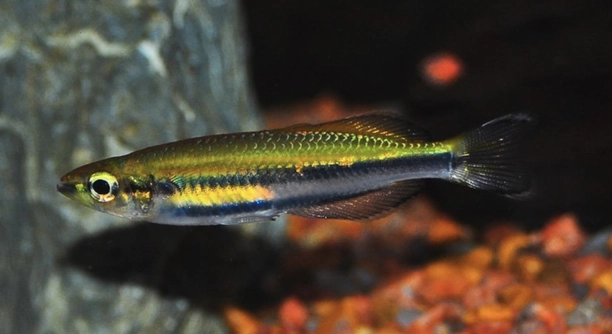
Have you ever added a new fish to your aquarium and felt unsure about what changes might follow as everything settles into place, guiding your tank toward a calm and stable environment in the days.
Monitoring a new fish involves observing behavior, water parameters, feeding consistency, and visible stress indicators. Focused assessment during the early acclimation period helps identify emerging problems, ensuring stable conditions that support proper adaptation to the surrounding aquarium environment and community.
As your tank adjusts, understanding early signs and subtle shifts will help you maintain balance and support ongoing fish health.
Watch Initial Behavior
Watching how your new fish behaves during the first days helps you understand how well it is adjusting to its surroundings. You may notice small changes in how it swims, rests, or reacts to movement around the tank. These early signs can show if it feels secure or tense. Paying close attention to how it interacts with other tank mates can also highlight any stress or territorial behavior that might appear as it settles. This simple routine gives you a clear sense of what feels normal and what signals something may need attention. It also helps you stay aware of new habits or patterns that develop as the fish becomes familiar with its environment. Keeping your focus on these subtle details supports a smoother transition and allows you to respond quickly if anything seems out of place. This awareness supports steady adaptation and helps your new fish feel more secure.
Short daily check-ins can help you notice shifts that develop as the fish becomes more settled in the tank. Observing its activity, posture, and comfort near hiding areas gives you a better sense of its overall well being and helps prevent small issues from growing into larger concerns over time.
As you continue to watch your new fish, gentle consistency in your routine can make each change easier to understand. Staying aware of how it moves, eats, and explores gives you a helpful baseline for future observations. This simple approach keeps your attention on patterns that matter and supports steady conditions for the whole tank. By noticing early signs of stress or comfort, you can adjust feeding habits, lighting, or tank layout when needed. These small steps help maintain a calm environment that allows your new fish to grow comfortable and find its place within your aquatic setup each day.
Check Water Parameters
Stable water conditions are essential when a new fish enters the tank since sudden shifts can place extra strain on its health. Testing the water regularly helps you stay aware of changes in quality and gives you the chance to correct imbalances before they affect the overall environment each day.
Keeping your water parameters within safe ranges has a direct impact on how well your new fish adapts. Temperature, ammonia, nitrite, and nitrate levels should be checked with simple tools that give you clear readings without much guesswork. When these values stay balanced, the tank remains stable, and your fish can adjust without unnecessary stress. If you notice even a small rise in ammonia or nitrite, taking quick action can prevent problems that often appear during early acclimation. A partial water change, filter maintenance, or reduced feeding for a short period can bring the tank back into balance. Each of these steps supports a healthier setting where the fish can breathe comfortably and move with ease. Consistent testing helps you understand patterns in your tank and reveals how feeding, plant growth, and filtration affect the water over time. As you build this routine, you create a more predictable environment that responds smoothly to changes and keeps your new fish protected from avoidable stressors. By maintaining this steady practice you strengthen the overall stability of the tank which gives every creature inside a reliable space to grow and behave naturally at its own pace each week for ongoing support always present.
Observe Feeding Habits
Watching how your new fish approaches its food helps you understand its comfort level and overall condition. Steady, calm eating shows that it feels secure, while ignoring food or showing hesitation can point to stress that needs gentle attention and timely adjustments in your routine.
A new fish often needs time to settle before eating with confidence, so keeping the feeding process simple helps reduce pressure. Offering small portions allows you to track how much it consumes without overwhelming the tank. This makes it easier to notice if the fish becomes sluggish, hides during feeding, or shows sudden disinterest. Each of these signs can suggest that the fish is still adapting or that something in the environment feels uncomfortable. Paying attention to these small details helps you respond quickly if its appetite changes, and it also keeps waste levels lower so the water remains cleaner and easier for the fish to tolerate.
If your fish displays strong interest in food but struggles to compete with tank mates, you may need to adjust how you deliver meals. Spreading food across the surface or offering slow sinking pieces can give it more chances to eat in peace. Making minor changes to timing can also help if the fish seems nervous around other swimmers. Observing these patterns helps you create a calm feeding routine that supports steady growth and keeps your fish from feeling overwhelmed. As these habits take shape, you build a predictable rhythm that encourages healthy appetite and smoother adjustment to its new surroundings.
Look for Signs of Stress
Stress can appear in small ways, so noticing early shifts in color, posture, or swimming patterns helps you react before problems grow. A calm fish moves smoothly and rests comfortably, while rapid breathing or frantic pacing can suggest something needs attention in its environment.
Subtle signs often appear during the first days, making steady observation especially important. A fish that stays near the top or bottom for long periods, clamps its fins, or hides more than usual may be signaling discomfort. These changes can come from water quality shifts, bright lighting, or tension with tank mates. Reducing disturbances, keeping lighting gentle, and offering sheltered areas can ease these reactions. If stress continues, checking temperature and filtration can reveal issues that developed after the new addition. Creating a stable routine helps calm the fish and supports a smoother adjustment. Over time, these efforts help maintain a balanced setting that encourages natural movement and steady comfort for your new addition.
Monitor Social Interactions
Noticing how your new fish interacts with its tank mates helps you understand its comfort level and whether any tension is forming. Calm swimming and gentle spacing show healthy adjustment, while chasing, hiding, or sudden retreats may suggest the need for small changes in the environment to support steady behavior.
If you see mild aggression, giving the fish extra room or adding simple hiding spots can ease the pressure. These small adjustments create calmer movement patterns that help reduce stress. Watching these interactions each day keeps you aware of shifts that may require quick attention to maintain stability in tanks.
Assess Physical Condition
Checking the physical condition of your new fish helps you notice early signs that may affect its comfort as it adjusts. Clear eyes, smooth scales, steady breathing, and balanced swimming show normal health and calm behavior. Small marks, frayed fins, or discoloration can appear during early acclimation and should be watched closely. Making simple adjustments to water quality, feeding, or lighting can support recovery when something feels off. Observing these details each day helps you respond before problems grow. Over time this steady attention supports a healthier environment that encourages natural movement and stable comfort for your new fish today.
Notice Breathing Patterns
Breathing that appears calm and steady shows your fish is handling its new surroundings well, while rapid gill movement can signal stress. Watching these changes helps you react early by checking water quality, adjusting flow, or creating calmer areas so the fish can settle without added strain each day present.
FAQ
How long should a new fish be monitored after entering the tank
A new fish should be watched closely for at least two weeks since this period often reveals how well it adapts to the environment. During this time you can notice changes in behavior, appetite, and activity. These details help you understand how the fish responds to tank conditions and tank mates. Keeping your routine steady makes it easier to catch small issues early so you can adjust lighting, feeding, or water quality when needed. As the fish becomes more comfortable, its patterns become easier to read and give you clearer signs of stable health.
Why does a new fish hide more than expected
Hiding is common during the first days because the fish may feel unsure about the new surroundings. Extra movement in the room, bright lights, or sudden shifts in the tank can make it more cautious. Offering simple hiding places helps the fish feel safe enough to explore at its own pace. As it grows familiar with the environment these hiding habits usually lessen. Regular feeding at consistent times can also help the fish build trust and become more active. Watching how long these behaviors last lets you know if more adjustments are needed.
What causes a new fish to breathe faster than normal
Rapid breathing can be a sign of stress, poor water quality, or discomfort with the current flow. Testing the water helps determine if ammonia or nitrite levels are creating irritation. If the water tests clean, the flow may be too strong which can cause the fish to work harder to stay balanced. Creating calmer areas or adjusting the filter output usually makes breathing ease. Observing these patterns daily gives you a sense of whether the fish is improving or if more changes should be considered during its adjustment period.
Why might a new fish refuse food at first
A new fish may skip meals because it is still adapting to the tank. Stress from transport, unfamiliar surroundings, or strong competition during feeding can all influence appetite. Offering small, easy to eat portions helps you track interest without adding too much waste. If the fish remains hesitant, slightly reducing lighting or feeding in quieter moments can help it feel more secure. Once trust builds, appetite often improves steadily. Watching for small signs of progress helps you decide when to make simple changes that support better feeding habits.
How can you tell if tank mates are stressing the new fish
Signs of stress from tank mates include chasing, nipping, blocking access to food, or forcing the fish to hide. Calm community behavior should look smooth and spaced out, with each fish swimming freely without pressure. If tension becomes clear, adding plants or decorations can create natural barriers that break up territory. These simple changes help reduce aggressive behavior and give the new fish room to settle. Observing these interactions closely helps you understand if adjustments are helping or if compatibility needs to be reconsidered.
When should you worry about changes in color
Color changes can occur during the adjustment period but sharp fading or patchy spots should be watched more carefully. A fish may lighten when stressed, tired, or reacting to water quality shifts. Checking temperature and parameters helps you understand whether the environment plays a part. If color improves after small corrections, the change likely came from mild stress. If the issue continues, looking at feeding, lighting, or tank mate interactions can help narrow down the cause. Keeping track of these shifts over several days gives you a clearer view of what needs attention and what is slowly returning to normal.
Final Thoughts
Caring for a new fish becomes easier once you understand how small details shape its comfort and stability. Each change you observe helps you decide what to adjust so the tank stays steady and predictable. Watching behavior, checking water quality, and paying attention to social interactions offer a clear picture of how the fish is settling in. These simple steps guide you through the early days when the fish is still getting used to its surroundings. Even small improvements in lighting, feeding, or layout can make a meaningful difference. With steady attention, the tank begins to feel calm again, and the fish gains confidence. This gentle process helps you understand what your new addition needs to thrive without adding pressure or complexity to your routine.
As you continue to watch the tank, consistency becomes one of the most helpful tools. A stable schedule makes everything smoother, from feeding to water changes. Fish respond well to patterns because they learn what to expect, and this sense of predictability helps reduce stress. When you make careful observations each day, you get to know what looks normal for your fish, which makes it easier to catch small concerns before they turn into larger problems. Simple habits like checking breathing, activity, appetite, and color help you stay aware of early signs that may need attention. You do not need complicated routines to keep things balanced, just steady awareness and small adjustments whenever something looks different. Over time these habits grow into a natural part of maintaining your tank, and they support every fish living inside it.
Adding a new fish is a moment that often changes the rhythm of the tank, but with patience it becomes an opportunity to strengthen the entire environment. Each observation teaches you more about how your aquarium responds to change, and this knowledge helps you create a space where the fish can move, rest, and interact comfortably. When you keep the tank stable and respond to concerns early, you support long term health for your new addition and protect the harmony of the group. This slow and steady approach helps the fish settle at its own pace so you can enjoy watching it adjust and grow more confident. With continued attention the tank becomes a calmer place, and your efforts build the foundation for a peaceful and well balanced setup that remains steady day after day.

Hello,
If you enjoy the content that we create, please consider saying a "Thank You!" by leaving a tip.
Every little bit helps us continue crafting quality advice that supports the health, happiness, and well-being of pets around the world, for pets of all shapes, sizes, and species.
We really appreciate the kindness and support that you show us!