
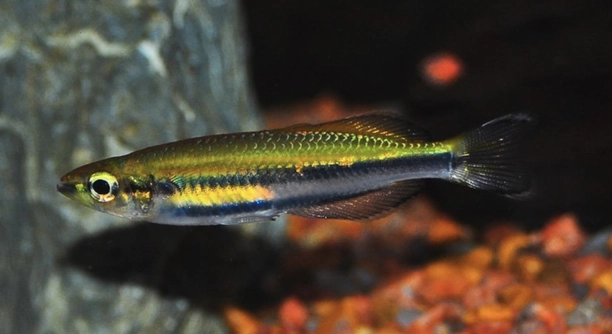
Have you ever watched your rainbowfish dart around the tank and tried to understand what their lively behavior means? Their quick movements and flashing colors may seem playful, yet they can hint at mood changes.
Determining whether rainbowfish are playing or fighting relies on observing pursuit patterns and fin displays. Playful interactions show brief chases with relaxed fins, while fighting involves aggression, flaring fins, and repeated nips that disrupt social balance within the group overall.
As you learn these cues, the signals your rainbowfish share will guide you toward a clearer understanding of their behavior.
Recognizing Playful Behavior in Rainbowfish
Rainbowfish often interact with quick bursts of movement that can look intense at first glance, yet much of this activity is harmless. Their playful behavior usually appears as gentle chasing with smooth turns, relaxed fins, and a steady rhythm that does not disturb the rest of the group. These short sprints help them release energy and maintain social bonds. When they play, their colors may brighten slightly, and they move in patterns that seem light rather than forceful. There is no repeated targeting of one specific fish, and no signs of stress appear afterward. You may also notice them swimming side by side without tension, matching each other’s speed in a calm way. This easy flow of motion shows comfort in their shared space. Observing these peaceful moments can help you understand their natural habits and feel confident that the behavior is safe and healthy for your tank.
Their gentle actions reflect a balanced group that enjoys active moments without tension or escalating behavior.
Watching these patterns helps you connect with their needs and respond with better care as their small signals become easier to read.
Signs of Aggression in Rainbowfish
Aggression appears when movements become sharp, fins flare outward, and one fish repeatedly targets another in stressful bursts of activity.
When rainbowfish show this type of tension, the tank often feels less peaceful, and patterns become easier to spot once you know what to look for. Aggressive behavior usually appears as repeated chasing that does not end quickly, along with nips that make the targeted fish retreat. Colors may intensify in a harsher way, and the dominant fish may guard territory or food in a firm manner. These moments can disrupt the social balance and create stress for weaker fish. If left unchecked, the targeted fish may hide more often, eat less, or lose color. Adjusting group size, tank layout, or feeding routines can help ease these conflicts. Giving them more space also reduces competition, allowing the group to settle into a calmer pattern that supports healthier interactions overall.
How Environment Influences Their Behavior
Tank conditions shape how rainbowfish interact, and small adjustments can ease both playful and tense moments. Stable lighting, balanced water flow, and enough swimming space support smoother behavior patterns that keep the group active without unnecessary stress.
When the environment is well arranged, rainbowfish display calm movement that helps reduce misunderstandings between play and aggression. Clear water, steady temperature, and proper filtration create a stable space where natural behavior becomes easier to observe. Adding plants or décor offers gentle barriers that break up sightlines and prevent fish from crowding one another. These features help reduce the pressure that can arise in tight spaces. A well planned layout encourages smoother movement, balanced pacing, and a more relaxed rhythm throughout the tank. Over time, these elements make it easier to notice when behavior shifts and when intervention may be needed.
A poorly arranged tank can confuse their signals. Limited space or heavy traffic areas often increase tension, leading to more chasing or defensive behavior. Ensuring varied spaces for swimming, resting, and hiding helps maintain a peaceful routine. When the environment feels supportive, rainbowfish return to their natural patterns and show clearer signals that reflect comfort and stability.
Adjusting Group Dynamics
Group structure affects behavior, and changes in numbers or ratios can influence how often both playfulness and tension appear within the tank.
A balanced group reduces pressure on individual fish and creates a smoother social rhythm. When rainbowfish have enough companions of similar size and temperament, they distribute their energy naturally instead of focusing on one fish too often. Adding extra members can sometimes help by spreading attention across the group. Removing overly dominant fish or adjusting feeding habits can also ease competition. Watching how each fish reacts when the group shifts will guide you toward maintaining a calmer atmosphere. These adjustments help reduce targeted chasing, encourage healthier interactions, and create a more stable environment where behavior stays predictable and manageable.
Feeding Habits and Their Impact
Feeding routines influence how rainbowfish interact, especially when food competition becomes intense. Offering small portions across different spots in the tank helps reduce crowding and encourages smoother behavior during meals.
Spreading food evenly also limits dominant fish from controlling a single area. This simple shift supports calmer movement and lowers tension.
Recognizing Stress Signals
When stress rises, rainbowfish may hide more, lose color, or move in abrupt patterns that look uneasy. These signs often appear before aggression develops, giving you time to adjust tank conditions or routines. Noticing these early cues helps maintain stability and keeps interactions predictable.
When Professional Help Is Needed
If behavior changes rapidly or aggression continues despite adjustments, support from an aquatic specialist can guide you toward more focused solutions.
FAQ
How can I tell if my rainbowfish are playing or fighting?
Playful behavior usually includes short chases, smooth turns, and relaxed fins, with no repeated targeting of a single fish. Fighting involves flaring fins, nips, and continuous chasing that stresses the targeted fish. Observing color changes and the response of other fish can also provide clear clues.
What tank size is best to reduce aggression?
A larger tank with plenty of swimming space allows rainbowfish to maintain natural distances. Tanks of at least 30 gallons for small groups provide enough room for movement and help prevent repeated confrontations. Plants and décor create visual breaks that reduce tension.
How do I manage dominant fish?
If one fish consistently chases or nips others, consider adjusting group composition. Adding similarly sized companions, rearranging décor, or slightly increasing feeding spots can diffuse dominance. In persistent cases, separating the aggressive fish temporarily may restore balance.
Does water quality affect behavior?
Yes. Poor water conditions increase stress, which can lead to more aggression or erratic movements. Regular water changes, stable temperature, proper filtration, and monitoring pH and ammonia levels help maintain calm interactions and support natural play behavior.
How often should I feed my rainbowfish?
Feed small portions two to three times a day. Overfeeding can lead to competition and aggression, while underfeeding may increase stress. Distributing food across different areas reduces crowding and encourages peaceful feeding habits.
Are some rainbowfish more aggressive than others?
Individual temperament varies by species and personality. Some are naturally more active or territorial. Observing each fish over time helps identify patterns and allows for adjustments in group size, tank layout, and feeding routines to maintain harmony.
What role does tank décor play?
Plants, rocks, and hiding spots break sightlines and provide shelter. These elements allow shy fish to escape aggressive encounters and give all fish a sense of security, reducing stress and making play behavior easier to distinguish from fights.
When should I separate fighting fish?
Separation is needed if chasing and nipping become severe, causing stress, injury, or hiding. A temporary divider or separate tank can help restore social balance while you reassess group composition and environmental factors.
Can stress affect coloration?
Yes. Stressed or targeted rainbowfish often lose brightness or display dull colors. Monitoring color alongside behavior gives a clearer picture of overall well-being and whether the tank environment supports natural activity.
How long does it take to see behavior changes after adjustments?
Changes in tank setup, feeding routines, or group composition may take several days to a couple of weeks to show results. Consistent observation is key to confirming whether interventions improve harmony or reduce aggression.
Is it normal for rainbowfish to nip occasionally?
Minor nips can occur during playful interactions or when establishing social order. Persistent, targeted nipping indicates aggression, especially if the same fish is repeatedly chased or stressed. Tracking patterns helps distinguish harmless play from problematic behavior.
Can I tell age or size differences by behavior?
Younger or smaller fish may be more frequently chased, while older or larger fish can dominate space. Recognizing these differences helps you anticipate tension points and adjust the tank environment to reduce stress and allow fair access to resources.
Do rainbowfish show signs of illness through behavior?
Yes. Lethargy, erratic swimming, or hiding more than usual may indicate illness, not just social stress. Prompt attention to water quality and observation for other health symptoms ensures proper care and prevents misinterpreting sickness as aggression.
How can I encourage safe play?
Provide ample space, hiding spots, and balanced feeding. Observe interactions and separate fish temporarily if chasing escalates. Playful behavior becomes clearer in a calm, well-maintained environment that supports natural movement without competition or stress.
Is it helpful to keep a journal of fish behavior?
Documenting observations of chasing, fin displays, color changes, and feeding patterns allows you to track trends over time. Noting responses to environmental adjustments helps confirm which changes reduce aggression and promote healthy play consistently.
How do I balance group size for peace?
Groups of at least six fish often disperse attention and reduce repeated targeting. Avoid overcrowding, which increases competition, but ensure enough fish to establish a stable social rhythm and maintain natural movement patterns.
Are certain times of day more active or aggressive?
Rainbowfish can show more activity around feeding times or during bright lighting periods. Observing their daily rhythm helps distinguish playful bursts from actual fights and allows better timing of interventions or monitoring.
Can gender ratios affect behavior?
Yes. Unequal ratios, such as too many males, can increase competition and chasing. Balanced gender distribution helps maintain calmer interactions and reduces stress, especially in species prone to territorial displays.
How do I handle persistent aggression despite changes?
Consulting an aquatic specialist or experienced keeper can provide tailored guidance. Adjusting tank size, décor, group composition, or diet may be necessary, and expert advice ensures interventions are appropriate for the species and individual temperament.
What signs indicate the group is stable?
Calm swimming patterns, even distribution of energy, bright but relaxed coloration, minimal hiding, and gentle chases indicate a balanced group. Stability develops when environmental and social factors support natural behavior without recurring stress.
Final Thoughts
Understanding rainbowfish behavior takes time and careful observation. Their fast movements and bright colors can be exciting to watch, but not all activity is playful. Learning to distinguish between play and aggression helps create a calmer and healthier environment for the fish. Observing their chasing patterns, fin displays, and responses to other fish is the first step in understanding their social dynamics. When rainbowfish play, their movements are quick but smooth, with relaxed fins and no repeated targeting. Aggressive behavior, on the other hand, is marked by flared fins, persistent chasing, and nips that stress or harm other fish. Recognizing these differences is key to supporting their well-being.
Tank setup and group composition also play a major role in rainbowfish behavior. A well-structured tank with enough swimming space, hiding spots, and evenly distributed food helps reduce tension. Plants, rocks, and decorations create visual barriers that give shy or smaller fish places to retreat. Group size and gender ratios can influence how often aggressive behavior occurs. Overcrowding or too many males can increase competition, while a balanced group encourages natural movement and interaction. Feeding routines are equally important. Offering small portions across multiple locations reduces the chance of dominant fish controlling all the food, which can escalate chasing and nipping. Stable water conditions, including temperature, pH, and cleanliness, support calm behavior and prevent stress-related aggression.
Consistency and patience are essential when caring for rainbowfish. Behavior patterns can change over time as fish age, adjust to new tankmates, or respond to environmental changes. Keeping track of interactions through observation or notes can help identify patterns and guide adjustments. Temporary separation of aggressive fish, rearranging tank décor, or slightly altering feeding routines may be necessary to restore balance. Recognizing early stress signals, such as hiding, dull coloration, or abrupt swimming, allows intervention before conflicts escalate. With careful attention and understanding, you can foster a tank where rainbowfish play safely, maintain social harmony, and show natural, vibrant behavior. Over time, the effort invested in monitoring and adjusting their environment pays off with a peaceful, engaging, and visually lively aquarium.

Hello,
If you enjoy the content that we create, please consider saying a "Thank You!" by leaving a tip.
Every little bit helps us continue crafting quality advice that supports the health, happiness, and well-being of pets around the world, for pets of all shapes, sizes, and species.
We really appreciate the kindness and support that you show us!