
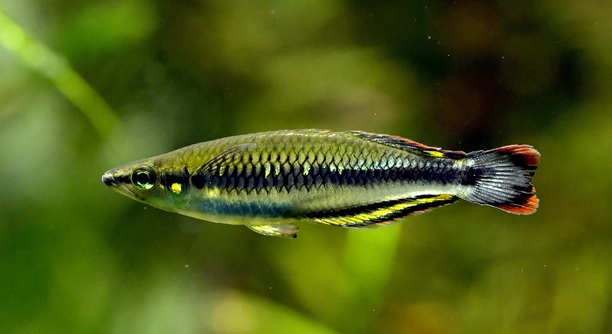
Rainbowfish are colorful, lively inhabitants of freshwater aquariums. They often brighten up any tank with their shimmering scales and gentle movements. Observing them can be calming, as they interact with each other and explore their surroundings.
Rainbowfish do engage in playful behaviors, including chasing, darting, and interacting with tank mates. These actions are not only signs of activity but also important for their social development and mental stimulation, contributing to overall well-being in captive environments.
Watching their movements can be more fascinating than expected. Their energy and interactions reveal layers of behavior worth noticing and understanding.
How Rainbowfish Show Playful Behavior
Rainbowfish often display playful behavior through quick, darting movements around the tank. They chase each other in short bursts, sometimes weaving between plants or swimming near decorations. These bursts are usually brief but frequent, showing their curiosity and energy. You may notice them nipping gently at tank mates’ fins, which is generally harmless and part of their social interaction. They also explore new objects placed in the tank, like floating leaves or small ornaments, investigating with short swims and occasional pauses. Watching them, it is clear they enjoy movement and interaction, even if it looks simple. Their playful patterns can vary depending on the number of fish, the size of the tank, and the amount of hiding spaces available. They tend to become more active during feeding times, swimming together and darting around more energetically. Understanding these behaviors helps maintain a healthy and stimulating environment for your rainbowfish.
Playful behavior is a sign of a healthy rainbowfish. They need space, companions, and stimulation to thrive.
Encouraging this activity requires proper tank setup. Providing plants, open areas, and occasional new objects keeps them engaged. Observing their patterns can also reveal preferences and interactions among tank mates. Over time, you may notice individual personalities, as some fish are more active while others are calmer.
Creating a Stimulating Environment
Providing a well-structured tank can enhance rainbowfish play. Plants, open swimming space, and gentle currents all contribute.
A stimulating environment supports both mental and physical health. Plants offer hiding spots, while open areas allow darting and chasing behaviors. Adding gentle water movement can mimic natural conditions, encouraging swimming patterns similar to those seen in the wild. Toys or floating objects introduce novelty, keeping them engaged without causing stress. Observing their interactions with these elements gives insight into social hierarchies and preferences. Rainbowfish respond well to companions of similar size, and mixing different species should be done cautiously to prevent aggression. Lighting also affects activity levels, as they tend to be more active in well-lit conditions, reflecting natural daylight cycles. Feeding routines can further encourage playful chasing and exploration. Consistently providing variety and safe space helps maintain these behaviors, ensuring rainbowfish remain lively and interactive within the tank. Maintaining balance between hiding areas and open space is key to long-term engagement and well-being.
Feeding and Play
Rainbowfish often become more active during feeding. They chase food particles, darting quickly and sometimes nudging tank mates, showing both excitement and natural foraging instincts.
Feeding time stimulates both their minds and bodies. Small flakes or live foods scattered across the tank encourage swimming and interaction. This activity mimics natural hunting behaviors, keeping them engaged and alert. Overfeeding should be avoided, as it can reduce activity and cause health problems. Observing how they chase and compete for food helps understand their energy levels and social dynamics.
Varying feeding methods can enhance playful behavior. Floating flakes, sinking pellets, or occasional live foods encourage exploration. Even hand-feeding small amounts can make them swim actively toward the source, reinforcing movement and interaction. Providing variety ensures that rainbowfish remain energetic and engaged throughout the day, creating a dynamic and lively tank environment.
Tank Size and Companions
A larger tank gives rainbowfish room to swim freely, promoting natural chasing and darting behaviors. Adequate space reduces stress and encourages interaction.
Tank size and companions significantly influence behavior. Small tanks can limit movement, making fish less active and reducing playful interactions. Overcrowding may lead to aggression or hiding, while a moderate number of compatible companions encourages chasing and social play. Properly sized tanks allow rainbowfish to establish territories without constant stress. Including plants and open areas gives them options for exploration and retreat. Watching interactions in different spaces shows how they balance curiosity and caution. Proper tank arrangement with companions and swimming space supports health and playful activity, keeping fish lively and interactive.
Interaction with Tank Decorations
Rainbowfish often explore plants, rocks, and ornaments. They swim around and sometimes hide briefly, showing curiosity and comfort with their environment.
Adding new decorations can spark playful activity. They may dart around new objects or investigate with short, quick movements, keeping their daily routine lively.
Recognizing Individual Personalities
Each rainbowfish has unique behaviors. Some are bold and active, darting across the tank, while others are calmer and observe more. These differences can influence how they play, interact with tank mates, and respond to new objects. Observing their habits helps understand their preferences and social dynamics.
Benefits of Play
Playful activity improves both mental and physical health. Active swimming reduces stress and strengthens muscles.
FAQ
Do rainbowfish need companions to play?
Rainbowfish are naturally social and feel more comfortable with others of their species. Having companions encourages chasing and darting behaviors, which are a form of play. A small group of similar-sized fish helps maintain balance, reduces stress, and promotes consistent activity throughout the tank.
Can rainbowfish play alone?
Yes, rainbowfish can show brief bursts of playful behavior alone, such as exploring plants or chasing floating particles. However, social interactions with tank mates significantly increase the frequency and variety of their activity, making play more dynamic and engaging.
How much space do they need for play?
A tank that is at least 20 gallons for a small group is recommended. More space allows them to swim freely, dart in short bursts, and establish territories. Open areas, combined with hiding spots, create a balanced environment for both exploration and interaction.
Do decorations influence their playful behavior?
Yes, plants, rocks, and ornaments stimulate exploration. Rainbowfish often investigate new objects by swimming around, weaving between them, and sometimes pausing to inspect closely. Rotating or adding small decorations can maintain interest and encourage regular activity.
Does lighting affect their activity?
Rainbowfish are more active in well-lit conditions that simulate natural daylight cycles. Dim or inconsistent lighting may reduce movement and playful interactions. Consistent lighting helps regulate their energy levels and ensures they remain alert throughout the day.
How does feeding affect play?
Feeding encourages chasing and interaction. Scattering flakes or pellets across the tank promotes swimming and bursts of energy. Live or frozen foods provide extra stimulation, mimicking natural hunting behavior. Feeding routines can double as a form of enrichment and physical activity.
Are some rainbowfish more playful than others?
Yes, individual personalities vary. Some fish are naturally more energetic, chasing constantly and exploring actively, while others are calmer and prefer observing before engaging. Recognizing these differences helps in arranging companions and tank space effectively.
Can stress reduce their playfulness?
Stress from overcrowding, poor water quality, or aggressive tank mates can significantly decrease activity. Ensuring proper filtration, compatible companions, and enough swimming space supports natural behaviors and keeps rainbowfish active and playful.
Do rainbowfish interact with other species during play?
They may engage with non-aggressive species, especially those with similar swimming patterns. Compatibility matters, as overly aggressive or much larger fish can intimidate them and limit playful behavior. Choosing peaceful tank mates maintains an active and safe environment.
How can I encourage daily play?
Maintain a balanced environment with enough space, plants, and gentle water flow. Rotate decorations or introduce floating objects occasionally. Feeding in ways that promote movement and observing their interactions with companions can consistently encourage playful activity.
Is play important for their health?
Yes, playful behavior contributes to both mental stimulation and physical fitness. Active swimming strengthens muscles, reduces stress, and enhances social interaction, supporting overall well-being and longevity in captivity.
Can rainbowfish get bored?
They can lose interest if their environment remains unchanged for long periods. Introducing new hiding spots, plants, or variations in feeding encourages curiosity and keeps their activity levels consistent.
Does tank size impact social play?
A larger tank allows multiple fish to interact without constant stress or competition. Smaller tanks can limit movement, reduce chasing behaviors, and increase tension among tank mates, negatively affecting playful activity.
How do I know if my rainbowfish are happy?
Active swimming, chasing each other, exploring decorations, and consistent feeding responses are good signs. Calmly resting among plants between bursts of activity also indicates comfort and contentment.
Can I interact with rainbowfish to encourage play?
Gently moving objects or offering food near the surface can prompt brief swimming activity. Hand-feeding small amounts encourages them to approach and swim actively without causing stress.
Do rainbowfish play at night?
They are primarily diurnal, meaning most activity occurs during daylight. At night, they rest, often among plants or hiding spots. Providing a natural day-night cycle supports their regular activity patterns.
Does water quality affect playful behavior?
Yes, poor water conditions can reduce activity, stress fish, and impact health. Regular water changes, proper filtration, and monitoring parameters like pH, temperature, and ammonia are essential for maintaining active behavior.
Can older rainbowfish still play?
Older fish may be less energetic but often continue to explore and interact with companions. Their activity may decrease, but maintaining proper tank conditions encourages engagement at all ages.
Is it normal for rainbowfish to chase each other aggressively?
Chasing is usually playful but can become aggressive if territory is contested or the tank is overcrowded. Monitoring behavior and providing enough space helps keep interactions positive.
How do I balance shy and active rainbowfish?
Providing hiding spots and open swimming areas allows shy fish to retreat while active fish engage in play. Observing interactions helps prevent stress and ensures both types can thrive in the same tank.
Can toys or floating objects help?
Yes, floating items or small toys encourage exploration, chasing, and bursts of energy. They provide novelty, stimulate mental activity, and promote natural playful behaviors without causing stress.
How often should I monitor their activity?
Daily observation helps track health, social dynamics, and playful behavior. Noticing changes in activity levels can indicate stress, illness, or environmental issues that need attention.
Do rainbowfish form bonds through play?
Playful interactions help establish social hierarchies and familiarity among tank mates. Regular chasing and coordinated swimming can strengthen group cohesion, leading to a calmer, more balanced tank environment.
What role does water temperature play in playfulness?
Optimal temperatures between 75–82°F (24–28°C) support regular activity and energy. Temperatures outside this range can slow metabolism, reduce swimming behavior, and decrease playful interactions.
Can they play with reflections or mirrors?
Some rainbowfish may investigate reflections briefly. While this can encourage movement, prolonged mirror use can cause stress or confusion and should be used sparingly.
How does breeding behavior relate to play?
During breeding, males often display increased chasing, which may resemble playful activity. Understanding the difference helps identify whether interactions are social, playful, or reproductive.
Do seasonal changes affect their activity?
Subtle changes in lighting or temperature can influence energy levels. Maintaining stable conditions supports consistent playful behavior and overall well-being.
Are there signs that play is too aggressive?
Frequent fin nipping, stress displays, or hiding indicate play has escalated to aggression. Separating overly aggressive fish or providing more space resolves conflicts and maintains a healthy environment.
Can multiple types of rainbowfish coexist for play?
Different species of rainbowfish can coexist if sizes and temperaments are compatible. Providing space and monitoring interactions ensures playful activity remains positive without dominance or stress issues.
Does diet variety influence activity?
Yes, offering a mix of flakes, pellets, and occasional live or frozen foods encourages foraging behavior and bursts of energy, keeping them active and mentally stimulated.
How do I prevent boredom in a small tank?
Introduce plants, ornaments, and occasional new objects. Feeding in varied ways and rotating decorations helps maintain interest and encourages regular movement even in limited space.
Can water currents affect play?
Gentle currents mimic natural conditions, encouraging swimming and bursts of energy. Strong currents may stress fish and reduce playful interactions. Adjusting flow helps maintain healthy activity levels.
Are there signs of a happy rainbowfish group?
Active chasing, coordinated swimming, regular feeding response, and calm resting between bursts indicate contentment. Observing interactions helps maintain a balanced and stimulating environment for the group.
How long do rainbowfish usually remain active during the day?
They are typically active during daylight hours, with peaks around feeding times and periods of exploration. Activity decreases gradually as evening approaches, following a natural day-night rhythm.
Can rainbowfish learn from each other during play?
Yes, younger or less active fish often observe and mimic the movements of bolder companions, learning social behaviors and exploring new areas more confidently.
What equipment supports playful behavior?
Adequate filtration, heaters to maintain temperature, proper lighting, and decorations for exploration all encourage activity. Balanced equipment ensures a safe and engaging environment for rainbowfish to thrive.
Does water pH impact activity levels?
Maintaining a slightly alkaline pH of 6.5–7.5 supports health and activity. Extreme pH fluctuations can stress fish and reduce their natural playful behavior.
Are sudden changes in the tank environment stressful?
Yes, abrupt changes in water, decorations, or companions can reduce activity and induce hiding. Gradual adjustments maintain comfort and encourage continued exploration and play.
Can I use live plants to encourage play?
Live plants provide hiding spots, barriers, and areas to explore. They promote natural movement, reduce stress, and increase playful interactions among tank mates.
How long does it take for rainbowfish to adapt to new play items?
They usually investigate new objects within a few hours to days. Individual personalities influence how quickly they explore and interact with additions to their environment.
Do seasonal lighting changes affect energy?
Consistent day-night cycles help regulate activity. Sudden or extreme changes can disrupt their routine and reduce playful swimming, so gradual adjustments are best.
Can rainbowfish engage in group play?
Yes, coordinated chasing and darting often occur in groups. Social interactions are more frequent when companions are of similar size and temperament, enhancing overall activity and engagement.
Does tank cleanliness impact playful behavior?
Dirty tanks can reduce activity and stress fish. Regular cleaning and water changes are essential to maintain energy, curiosity, and overall engagement in playful behaviors.
Can temperature fluctuations cause lethargy?
Yes, temperatures below or above the ideal range slow metabolism, reducing swimming and interaction. Stable temperatures ensure consistent energy for play.
Do rainbowfish ever stop playing as they age?
Activity may decrease with age, but even older fish engage in brief bursts of movement and exploration. Maintaining good care supports continued engagement.
Can decorations be rearranged to encourage new behaviors?
Yes, periodically changing the layout introduces novelty, prompting exploration, chasing, and interaction with tank mates, keeping daily activity varied and stimulating.
Is it safe for them to play with floating objects?
Yes, lightweight and safe floating objects can encourage bursts of energy and investigation. Avoid sharp or heavy items to prevent injury.
Do rainbowfish have favorite spots for play?
They often return to areas with open swimming space or near plants for brief rest between bursts. Observing patterns helps optimize tank layout.
How can I tell if play is beneficial?
Regular active swimming, social interaction, proper feeding response, and calm resting periods indicate that play is supporting both mental and physical health.
Can tank temperature cycles mimic natural play patterns?
Mimicking day-night temperature ranges within safe limits supports natural energy rhythms, encouraging predictable activity and bursts of playful behavior.
Does adding more fish increase play?
Adding compatible companions can boost chasing and darting, but overcrowding causes stress and reduces overall activity. Balance and observation are essential for positive interactions.
Can rainbowfish play with reflections safely?
Short-term interaction with reflections can stimulate activity, but prolonged exposure may cause stress or confusion. Limit use to occasional observation and engagement.
Are younger rainbowfish more playful than adults?
Yes, juveniles often show more frequent bursts of energy and curiosity. Adults remain active but may pace themselves, balancing exploration with resting periods.
Can play indicate good health?
Yes, consistent swimming, chasing, and exploring are signs of healthy, well-adjusted rainbowfish. Reduced activity can indicate illness, stress, or poor water conditions.
How often should I rotate decorations for engagement?
Changing objects every few weeks maintains interest. Gradual rotation prevents stress while encouraging renewed exploration and playful interaction.
Do rainbowfish play differently in planted versus bare tanks?
Planted tanks offer hiding spots and barriers that enhance exploration, while bare tanks allow longer open swimming bursts. A balance of both supports diverse activity.
Can I observe social learning through play?
Yes, rainbowfish often mimic or respond to companions’ movements, learning preferred paths, hiding spots, and chasing patterns, demonstrating social learning during playful activity.
Does feeding schedule impact energy bursts?
Regular, varied feeding supports predictable activity. Fish often show short, energetic swimming bursts around feeding times, reinforcing both physical exercise and social interaction.
Are there signs of boredom in rainbowfish?
Reduced chasing, inactivity, and disinterest in decorations or companions may indicate boredom. Introducing variety in environment or feeding restores engagement and playful behavior.
Can gentle water currents stimulate play?
Yes, mild currents encourage swimming against flow and bursts of energy, mimicking natural conditions and supporting mental and physical stimulation.
Do rainbowfish respond to tank sounds or vibrations?
They may investigate minor vibrations or surface ripples. Overly strong disturbances can cause stress, so gentle interaction can be used to encourage short bursts of activity.
Are play patterns different among species?
Different rainbowfish species may vary in energy and social play. Observing each species helps tailor tank conditions, companions, and enrichment to encourage consistent activity.
Do rainbowfish interact more in groups or pairs?
Groups encourage more coordinated chasing and bursts of movement. Pairs may engage in intermittent play but lack the social complexity found in larger groups, which can enhance activity.
Can play behavior predict temperament?
Active, frequent chasing often indicates bold and energetic temperament. Observing patterns helps in selecting tank mates and planning decorations for optimal interaction.
Does water chemistry influence playful activity?
Maintaining stable pH, temperature, and clean water supports natural movement. Fluctuations or poor conditions reduce energy and curiosity, impacting playful behavior.
Can rainbowfish play with feeding tools?
Occasional use of floating or lightly moving feeding items can stimulate chasing and bursts of swimming, adding enrichment to daily routines safely.
Do rainbowfish enjoy exploring vertical space?
Yes, they often swim up and down in the tank, using plants or decorations to navigate. Vertical exploration encourages exercise and natural movement patterns.
Are there risks in encouraging too much play?
Excessive chasing or overcrowded conditions can lead to stress or fin damage. Balanced tank setup and monitoring interactions prevent negative outcomes while supporting healthy activity.
How long does play usually last each day?
Bursts occur intermittently throughout daylight hours, often increasing around feeding. Activity is balanced with resting periods among plants or decorations.
Can reflective surfaces be rotated to maintain interest?
Yes, occasional use of reflections can add novelty. Limited exposure prevents stress while stimulating brief bursts of movement.
Do rainbowfish prefer certain textures for exploration?
They often investigate plants, smooth rocks, and safe ornaments. Textures that resemble natural environments encourage closer inspection and varied movement patterns.
Does group size influence hierarchy and play?
Yes, larger groups establish social hierarchies that affect chasing and interaction patterns. Proper balance prevents aggression while maintaining active and playful behavior.
Are play patterns influenced by feeding type?
Live or floating foods stimulate natural hunting instincts, encouraging chasing and bursts of energy, while sinking pellets may promote bottom exploration and interaction.
Do rainbowfish ever ignore each other during play?
Some individuals may observe rather than participate, often due to temperament or age. Providing space and compatible companions allows for both active and calmer fish to coexist.
Can environmental enrichment improve long-term activity?
Yes, varied decorations, plants, floating objects, and proper tank setup maintain curiosity, prevent boredom, and promote consistent playful behavior over months or years.
Does water clarity affect interaction?
Clear water supports visibility, encouraging chasing and social play. Cloudy or dirty water reduces activity and exploration, impacting overall engagement.
Are play behaviors different during breeding season?
Males may show more chasing and darting, sometimes mistaken for play. Observing patterns helps distinguish between social interaction and reproductive activity.
How do I know if a new object is safe for play?
Ensure objects are smooth, non-toxic, and free of sharp edges. Observe initial interactions to prevent stress or injury while encouraging exploration.
Can temperature spikes reduce playfulness?
Sudden increases or decreases in temperature can cause lethargy. Maintaining a stable, appropriate range ensures consistent energy for interaction and exploration.
Does tank depth influence activity?
Deeper tanks allow vertical swimming and exploration. Fish often use different levels to chase, hide, or investigate, enhancing variety in play patterns.
How do I manage aggressive chasing?
Separate overly aggressive individuals or provide more hiding spots. Monitoring interactions ensures playful behavior remains safe and positive.
Can rainbowfish play in planted versus sparsely decorated tanks differently?
Planted tanks encourage exploration and hiding, while sparse tanks promote open swimming bursts. A mix provides both types of engagement, keeping activity varied.
Is play a sign of comfort in the tank?
Yes, consistent exploration, chasing, and interaction with companions indicate that rainbowfish feel secure and mentally stimulated in their environment.
Can they play with different types of tank mates safely?
Compatible, non-aggressive species encourage social interaction. Monitoring behaviors ensures play remains positive and stress-free.
How long does it take for rainbowfish to start interacting with new tank mates?
It can take days to weeks. Initial cautious observation is normal, and gradual acclimation helps establish safe, playful interactions over time.
Do rainbowfish respond to gentle hand movements?
Occasional, slow hand movements near the tank can prompt short bursts of swimming, but abrupt motions may startle them. Controlled interaction can encourage curiosity and activity.
Can bubbles or gentle aeration stimulate play?
Yes, rising bubbles or gentle water movement encourages chasing, swimming bursts, and exploration. Strong aeration should be avoided to prevent stress or fatigue.
Are older rainbowfish less social?
They may be calmer but often continue engaging with companions and exploring the tank. Proper care maintains mental stimulation and activity even as they age.
Does tank layout affect energy distribution?
Yes, a mix of open areas and hiding spots balances movement, allowing bursts of play while giving fish safe retreats to reduce stress and maintain health.
Can they play with floating leaves or natural objects?
Safe floating objects, like leaves, encourage swimming, exploration, and chasing behaviors. Natural materials often mimic their environment, supporting active engagement without harm.
Do rainbowfish ever play in groups at night?
They are mostly diurnal, so nighttime activity is minimal. Providing a natural day-night cycle ensures energy is concentrated during daylight hours.
Can frequent rearrangement of tank items overstimulate them?
Too many changes in a short time can cause stress. Gradual rotation encourages curiosity while maintaining comfort and safety.
Do rainbowfish show individual play styles?
Yes, some chase actively, some explore quietly, and others hover or inspect objects. Recognizing these differences helps create a balanced environment that supports all personalities.
Can reflections in the water surface be used safely?
Brief interaction can stimulate bursts of movement, but prolonged exposure may confuse or stress fish. Controlled, limited use is best.
**Do rainbowfish play
Rainbowfish are active and social creatures that thrive in environments where they feel safe and stimulated. Their playful behaviors, such as chasing each other, exploring plants, or investigating decorations, are important indicators of their mental and physical health. Observing these behaviors gives insight into their personalities, showing differences between bold, energetic individuals and calmer, more reserved ones. Maintaining a balance in tank size, water quality, companions, and environmental enrichment supports these natural behaviors. When rainbowfish are able to move freely and interact with both their surroundings and tank mates, they demonstrate curiosity, confidence, and engagement. These signs of activity reflect not only their overall well-being but also the effort invested in creating a proper habitat that meets their physical and social needs.
Creating a stimulating environment for rainbowfish involves more than just providing water and food. Plants, rocks, ornaments, and open swimming space all contribute to encouraging playful activity. Small additions or changes, like rearranging decorations or introducing floating objects, can spark curiosity and engagement. Feeding routines also play a significant role, as scattering flakes, using live food, or offering occasional frozen items promotes natural foraging behaviors while encouraging bursts of movement. Social interactions with compatible companions further enhance play, as chasing and darting between individuals are a natural part of their behavior. Ensuring that their habitat includes both hiding spots and open areas allows rainbowfish to explore safely and regulate their comfort levels. Regular observation of these patterns helps monitor health and social dynamics, allowing adjustments to the tank setup that maintain a positive, active environment.
Understanding and supporting playful behaviors in rainbowfish is essential for their long-term health and happiness. Active swimming, chasing, and exploration are not merely entertaining to watch—they indicate that the fish are thriving and well-adjusted to their environment. Consistent care, attention to water quality, balanced feeding, and thoughtful tank arrangement all contribute to maintaining these behaviors over time. Recognizing individual personalities allows for better management of companions, decorations, and enrichment, creating a tank that caters to both energetic and calmer fish. By providing the proper conditions and observing their interactions, rainbowfish can continue to display natural, playful behaviors that support mental stimulation and physical fitness. Their activity is a reflection of comfort, security, and good health, showing that a carefully maintained environment benefits both their daily life and long-term well-being.

Hello,
If you enjoy the content that we create, please consider saying a "Thank You!" by leaving a tip.
Every little bit helps us continue crafting quality advice that supports the health, happiness, and well-being of pets around the world, for pets of all shapes, sizes, and species.
We really appreciate the kindness and support that you show us!