
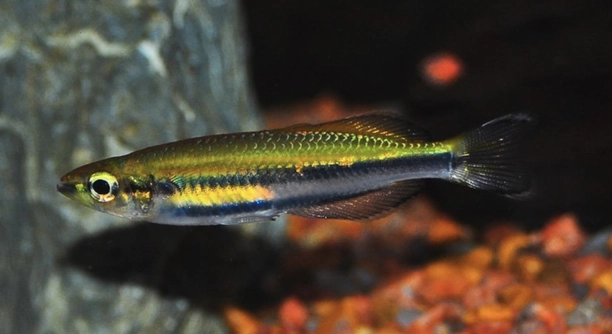
Rainbowfish are colorful, lively, and fascinating to watch in home aquariums. Creating a suitable environment can enhance their natural beauty and well-being. Many hobbyists enjoy exploring different tank themes to make their fish feel comfortable.
Choosing the right tank theme for rainbowfish involves considering their behavior, social nature, and color enhancement. Themes that mimic natural habitats, provide ample swimming space, and include safe decorations support their health, reduce stress, and encourage vibrant displays.
These themes can transform a simple tank into a lively, engaging environment that benefits both the fish and the aquarium owner. Exploring the options will reveal choices suited for any setup.
Natural Riverbed Theme
Creating a natural riverbed theme in your tank gives rainbowfish an environment that closely resembles their native habitats. Smooth stones, fine gravel, and driftwood can be arranged to mimic flowing rivers. Adding live plants like Java fern or Anubias provides hiding spots and creates depth. The gentle flow of water helps keep the fish active while maintaining oxygen levels. Neutral-colored substrates highlight the bright colors of rainbowfish without overwhelming the senses. Small caves formed with rocks or wood allow shy fish to retreat and feel secure. Lighting should be soft to mimic daylight filtering through water. This setup reduces stress and encourages natural behavior. Using floating plants adds shade and breaks up the tank visually, making it more dynamic. Regular maintenance, such as cleaning gravel and trimming plants, ensures the tank remains healthy and visually appealing. Observing your rainbowfish in this setup is rewarding, as they explore and interact freely.
A riverbed-themed tank emphasizes natural interaction, promotes activity, and highlights rainbowfish coloration. It replicates native habitats, ensuring comfort, stability, and stress reduction for healthy aquatic life.
The riverbed theme suits aquarists who appreciate a natural look while maintaining a balanced ecosystem. It combines aesthetics and function seamlessly, giving rainbowfish a safe, stimulating home.
Tropical Jungle Theme
A tropical jungle theme brings vibrant greenery and vertical space to the aquarium.
Tall, leafy plants like Vallisneria or Amazon swords provide cover, while driftwood and vines create a layered, jungle-like effect. Rainbowfish thrive in this setup because it mimics their native tropical waters. Careful plant placement ensures swimming space remains open and unobstructed. Lighting should replicate natural sunlight, supporting plant growth and enhancing fish colors. Introducing some floating plants softens light intensity and gives rainbowfish a sense of security. Regular pruning and water testing maintain balance. A mix of soft and hard substrates improves aesthetics and supports different plants. Adding small decorative elements, such as rocks or caves, can enhance hiding spots. Monitoring fish interactions ensures harmony in the tank, as dense setups can sometimes encourage territorial behavior. Tropical jungle tanks appeal to owners who enjoy lush, dynamic aquariums that stimulate the fish physically and visually. It’s a practical yet striking approach to designing a rainbowfish-friendly habitat.
Minimalist Modern Theme
A minimalist modern theme focuses on clean lines, open swimming space, and subtle décor. Smooth substrates, sparse rocks, and low-maintenance plants create a simple, elegant look. Rainbowfish colors stand out against neutral backgrounds, making their movement more noticeable and appealing.
Using fewer decorations ensures maximum swimming space, which is ideal for active rainbowfish. Minimalist layouts reduce territorial disputes and stress among fish. Plants like Anubias or Java fern can be placed strategically for visual interest without overcrowding. LED lighting enhances the vibrancy of their scales while keeping the overall aesthetic sleek and contemporary. Care routines are easier, with less debris trapped between ornaments, making maintenance straightforward and efficient. A minimalist modern tank is perfect for owners who prefer a neat, organized look while still prioritizing their rainbowfish’s needs and comfort.
This theme allows rainbowfish to move freely and display natural behaviors without obstruction. The simplicity also creates a calm environment, encouraging peaceful interactions and showcasing their shimmering colors against the subtle backdrop.
Sunken Ship Theme
A sunken ship theme adds character and visual interest with decorative shipwreck pieces and caves. Rainbowfish enjoy exploring tunnels and hiding spots, which reduce stress and mimic protective environments.
Placing artificial or safe resin shipwreck decorations strategically creates pathways and territories for rainbowfish. Combining small rocks, gravel, and plants around the ship gives the tank a realistic submerged effect. Fish can swim through the ship openings, interact with each other, and rest among shaded areas. Soft lighting enhances the illusion of sunlight filtering through water, adding depth and highlighting rainbowfish colors. Floating plants or small moss patches on the ship can soften hard edges and make the scene more natural. Regular cleaning prevents algae buildup, keeping the tank visually appealing. The sunken ship theme works well for aquarists who want both decorative charm and a functional habitat for their rainbowfish, balancing aesthetics with practical fish care.
Coral Reef Theme
A coral reef theme uses colorful artificial or live corals to create a vibrant, layered environment. Rainbowfish enjoy swimming among corals, which provide hiding spots and visual stimulation while highlighting their bright scales against a multicolored backdrop.
Soft lighting enhances both coral colors and rainbowfish vibrancy. Including small caves or crevices adds shelter and reduces stress. This setup mimics a natural reef environment without requiring deep maintenance or complex water chemistry, making it manageable for most aquarists.
Zen Garden Theme
Zen garden themes combine sand, stones, and minimalistic plants to create a calm, structured environment. Smooth stones arranged in patterns and sparse plant placements give the tank an organized, peaceful appearance. This setup allows rainbowfish to swim freely while appreciating the visual simplicity of the tank.
The structured environment of a Zen garden theme promotes relaxation for both the fish and the observer. Using sand substrates and low-maintenance plants reduces debris accumulation, keeping water clear. Strategic placement of stones can create small swim-through areas, offering shelter without crowding the tank. LED lighting enhances the contrast between the rainbowfish and the soft-toned décor. Regular maintenance is easy due to minimal clutter, while still providing enough enrichment for the fish. Zen garden tanks are ideal for owners seeking a visually clean and serene aquarium that balances aesthetics with rainbowfish comfort.
Amazon Rainforest Theme
Using dense plants, driftwood, and leaf litter creates a rainforest-inspired tank. Rainbowfish enjoy hiding and swimming among thick vegetation, which also supports natural behaviors and breeding.
Galaxy Space Theme
A galaxy space theme focuses on dark substrates, glowing decorations, and subtle lighting. Rainbowfish colors pop vividly, creating a striking, otherworldly effect in the tank.
FAQ
What is the best substrate for rainbowfish tanks?
Rainbowfish thrive on smooth gravel or fine sand substrates. These options prevent injury to their delicate fins and allow natural digging behavior. Light-colored substrates enhance the vibrancy of their scales, while dark substrates can create contrast and highlight their movement. Gravel or sand should be rinsed thoroughly before adding it to the tank to avoid clouding the water. Avoid sharp or rough materials that may harm your fish. Minimal substrate depth is usually sufficient, around one to two inches, to support plant roots and allow easy cleaning. A consistent substrate type throughout the tank also reduces stress and promotes a stable environment.
How many rainbowfish should I keep in one tank?
Rainbowfish are social and do best in groups. A minimum of six fish is recommended to encourage natural schooling behavior. Larger groups provide a sense of security and reduce aggression or stress-related behaviors. Group size can be adjusted according to tank dimensions, with more space allowing larger schools. Overcrowding should be avoided, as it increases waste production, reduces swimming space, and can lead to health issues. A tank of at least 30 gallons is suitable for a small school, while larger setups can comfortably house more fish. Ensuring each fish has enough space to swim freely promotes their overall well-being.
What type of plants work best in rainbowfish tanks?
Rainbowfish tanks benefit from hardy plants like Anubias, Java fern, and Vallisneria. These plants are low-maintenance, tolerate varying water conditions, and provide cover for shy fish. Floating plants like duckweed or water lettuce can soften lighting and offer shade. Plants should be arranged to allow open swimming areas while creating hiding spots. Live plants help maintain water quality by absorbing nitrates and producing oxygen. Artificial plants can be used if maintenance is a concern, but live plants are preferred for natural behavior stimulation. Ensure plants are securely anchored to prevent uprooting from fish activity. Rotating plant types or trimming them regularly keeps the tank visually appealing and functional.
How should I decorate a tank for rainbowfish?
Tank decorations should balance aesthetics and functionality. Driftwood, smooth rocks, and caves provide hiding spots, while open swimming areas are essential for active rainbowfish. Decorations should avoid sharp edges to prevent injury. Themes can vary from natural riverbeds to imaginative setups like sunken ships or galaxy-inspired designs. Plants, both live and artificial, complement decorations while creating shade and territory markers. Lighting should enhance the fish’s colors without stressing them. Avoid overcrowding, as it reduces swimming space and makes maintenance harder. Periodic rearrangement or cleaning of decorations maintains visual interest and prevents algae buildup. Choosing decorations that blend with the chosen theme ensures both beauty and practicality.
What water conditions are ideal for rainbowfish?
Rainbowfish prefer slightly alkaline water with a pH around 6.5 to 8.0. Temperatures between 72°F and 82°F are optimal for most species. Stable water parameters reduce stress and prevent disease. Regular water testing ensures consistency, and partial weekly water changes of 20-30% maintain cleanliness. Avoid sudden temperature or pH fluctuations. Soft to moderately hard water is suitable, depending on the species. Proper filtration is essential to remove waste and maintain oxygen levels. Introducing live plants can help stabilize water chemistry. Monitoring water quality closely is critical, especially in heavily stocked or densely planted tanks. Proper conditions support healthy growth, vibrant colors, and active behavior.
How often should I feed rainbowfish?
Rainbowfish thrive on a varied diet, including high-quality flakes, pellets, and occasional live or frozen foods like brine shrimp or daphnia. Feeding once or twice daily is sufficient, giving only what they can consume in a few minutes. Overfeeding can lead to water quality issues and obesity. Observing how quickly fish consume food helps adjust portions. Supplementing with plant matter or algae-based foods supports balanced nutrition. Rotating food types ensures a variety of nutrients and stimulates natural foraging behavior. Uneaten food should be removed promptly to prevent decay and maintain tank cleanliness. A proper feeding routine enhances health, growth, and coloration.
Can rainbowfish live with other species?
Rainbowfish are generally peaceful and can coexist with other non-aggressive fish. Suitable tank mates include tetras, barbs, guppies, and peaceful bottom-dwellers. Avoid large or aggressive species that may stress or injure rainbowfish. Maintaining proper group sizes and providing hiding spots reduces territorial behavior. Compatibility depends on water parameter alignment; all species in the tank should tolerate similar pH, temperature, and hardness ranges. Monitoring interactions during initial introductions is important to prevent bullying. A well-planned community tank enhances social behavior, reduces stress, and allows rainbowfish to display natural schooling patterns. Mixing compatible species adds visual variety while maintaining a harmonious environment.
How do I maintain a rainbowfish tank easily?
Regular maintenance is essential to keep rainbowfish healthy. Partial water changes of 20-30% weekly remove waste and prevent toxin buildup. Cleaning the substrate, trimming plants, and wiping tank walls prevents algae growth. Filter maintenance ensures proper flow and oxygen levels. Monitoring water parameters like pH, temperature, and hardness avoids stress-related issues. Removing uneaten food promptly maintains water clarity. Organizing decorations and plants allows easy access for cleaning and prevents debris accumulation. Consistent feeding and observing fish behavior helps detect early signs of illness. A structured maintenance routine ensures the tank remains visually appealing, safe, and supportive of vibrant, healthy rainbowfish.
Final Thoughts
Creating a rainbowfish tank is both rewarding and practical when you focus on their natural needs. The choice of tank theme plays a major role in their overall well-being. A well-thought-out theme can provide hiding spots, open swimming space, and a stable environment, which reduces stress and promotes healthy behavior. Each theme, whether it is a natural riverbed, tropical jungle, or minimalist modern setup, serves a specific purpose. Some emphasize visual appeal, while others focus on giving rainbowfish plenty of space to explore. Choosing the right combination of plants, substrates, and decorations ensures that the tank feels comfortable and safe. It is important to balance aesthetics with functionality. Themes that look impressive but do not provide sufficient swimming space or hiding spots can actually harm the fish. Similarly, simple layouts with too little variety may lead to boredom or stress. Observing rainbowfish closely helps identify whether the environment meets their needs.
Water quality and regular maintenance are key factors that complement tank design. Rainbowfish thrive in stable conditions, so keeping a consistent temperature, pH, and hardness is essential. Partial water changes, monitoring filtration, and testing water parameters help prevent health problems. The tank’s décor and theme also affect maintenance requirements. Dense plant arrangements or intricate decorations can trap debris and make cleaning more challenging. On the other hand, minimalist or structured layouts are easier to maintain while still offering benefits for the fish. Feeding is another consideration. A balanced diet that includes high-quality flakes, pellets, and occasional live or frozen foods ensures healthy growth and bright colors. Observing how the fish respond to different foods helps refine feeding routines. Combining proper water care, nutrition, and appropriate tank design supports long-term health and vibrant displays of rainbowfish.
Ultimately, the goal of designing a tank for rainbowfish is to create a habitat that is both functional and visually appealing. Each theme has its advantages, and choosing one depends on personal preference and the specific needs of the fish. Experimenting with plants, decorations, and lighting can enhance both aesthetics and comfort. Over time, you will notice how rainbowfish interact with their environment, exploring hiding spots, schooling, and displaying natural behavior. A thoughtfully designed tank not only supports the health and activity of rainbowfish but also creates a relaxing and enjoyable aquarium for observation. Consistency in maintenance, feeding, and monitoring water parameters ensures that the tank remains stable and attractive. By focusing on their needs while creating a visually engaging environment, you provide rainbowfish with a home that supports long-term well-being, natural behavior, and vibrant coloration, making the experience of keeping them both satisfying and rewarding.

Hello,
If you enjoy the content that we create, please consider saying a "Thank You!" by leaving a tip.
Every little bit helps us continue crafting quality advice that supports the health, happiness, and well-being of pets around the world, for pets of all shapes, sizes, and species.
We really appreciate the kindness and support that you show us!