
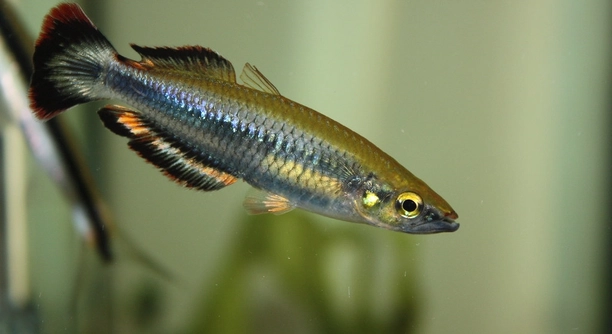
Rainbowfish are small, colorful fish that brighten up any aquarium. Their vibrant colors and active swimming can make them a joy to watch and care for in your home tank environment.
Rainbowfish exhibit mood swings through changes in color intensity, swimming patterns, and social behavior. Observing these signs consistently allows aquarists to understand stress levels, environmental comfort, and interactions with other tank inhabitants effectively.
Recognizing these subtle changes can improve your fish’s health and help maintain a calm, balanced aquarium environment for your rainbowfish.
Recognizing Color Changes
Rainbowfish display mood swings most visibly through their colors. When happy and relaxed, their scales shine brightly, showing vivid reds, blues, and greens. Stress or discomfort often dulls these colors, making them look pale or washed out. Observing your fish regularly will help you notice these changes quickly. Color shifts can happen due to water temperature, pH levels, or the presence of new tank mates. Even small changes in lighting or decorations may cause temporary color variations. When stressed, some rainbowfish may show dark bands along their bodies or faint spots, which gradually disappear once the fish settles. Keeping a consistent environment is key to maintaining their bright hues. A stable routine with minimal sudden changes reduces stress and encourages natural behavior. Over time, recognizing these subtle signs becomes easier and helps you respond before more serious health issues arise.
Color changes are often the first visible indicator of a rainbowfish’s mood shift in the tank.
Tracking color variations alongside other behaviors helps ensure your fish remain healthy and less stressed, making the aquarium more balanced and vibrant.
Observing Swimming Patterns
Sudden changes in swimming behavior are another sign of mood swings. Active, confident fish swim freely in the middle and upper sections of the tank, while stressed fish may hide, dart nervously, or hover near the bottom. These patterns reveal how comfortable the fish feel in their surroundings.
Consistent swimming observations give clear insight into emotional and environmental stability.
Watching your rainbowfish move throughout the day helps you identify stress triggers such as overcrowding, aggressive tank mates, or poor water quality. Fish that suddenly stop schooling, swim in tight circles, or cling to plants may be signaling anxiety or discomfort. Over time, regular monitoring allows you to distinguish between temporary behavior changes and longer-term mood issues. Adjusting the environment, adding hiding spots, or maintaining water parameters can quickly reduce stress. Keeping a log of swimming patterns alongside color changes provides a more complete picture of your fish’s well-being. This proactive approach ensures your rainbowfish remain lively, vibrant, and socially engaged, making it easier to catch minor problems before they escalate.
Understanding Social Behavior
Rainbowfish often display mood swings through their interactions with other fish. Shy or stressed fish may isolate themselves, while confident fish swim in groups or approach the front of the tank more often. Social cues reveal their comfort level clearly.
Changes in social behavior are important to monitor. Rainbowfish are naturally schooling fish and feel safer in groups. If a fish suddenly stops interacting or hides frequently, it may be stressed, ill, or adjusting to a new tank environment. Conversely, excessive aggression or chasing can indicate dominance struggles or overcrowding. Observing these patterns over several days helps identify whether changes are temporary or require intervention. Adjusting tank mates, adding plants, or rearranging decorations can help restore balance.
Monitoring social behavior alongside color and swimming patterns gives a fuller picture of your rainbowfish’s well-being. Consistent observation allows you to act quickly and maintain a healthy, calm aquarium environment for all your fish.
Recognizing Feeding Habits
A sudden change in feeding habits often signals mood changes or stress in rainbowfish. Reduced appetite, overeating, or ignoring food indicates their comfort or health may be affected.
Feeding habits provide direct insight into emotional and physical states. Rainbowfish usually eat eagerly, but stress, illness, or water quality issues can alter their interest in food. Fish that hide during feeding or compete aggressively for food may be expressing anxiety or territorial behavior. Providing a consistent feeding schedule and high-quality diet supports stability, but subtle changes in appetite should be noted. Tracking feeding behavior alongside other signs allows you to detect problems early and adjust care routines to match your fish’s needs.
Spotting Hiding Behavior
Hiding is a common sign of stress or mood shifts in rainbowfish. Fish may retreat behind plants, decorations, or corners of the tank when feeling threatened, uncomfortable, or unwell. Regular observation helps catch this behavior early.
Frequent hiding combined with dull colors or lack of movement often signals environmental stress, illness, or social tension. Addressing water quality, tank mates, or adding more hiding spots can help rainbowfish feel secure and reduce anxiety.
Noticing Aggression
Aggressive behavior can indicate stress, territorial disputes, or dominance struggles among rainbowfish. Fish may chase, nip fins, or block access to preferred areas in the tank.
Changes in Resting Spots
Rainbowfish sometimes change resting spots when their mood shifts. Moving from usual areas to unusual corners or surfaces may reflect discomfort, stress, or social anxiety within the tank.
FAQ
How do I know if my rainbowfish is stressed?
Stress in rainbowfish can show through several behaviors. Pale or dull colors, hiding more than usual, swimming erratically, or refusing food are common signs. Observing these changes alongside social interactions and resting spots provides a clearer picture. Stress can result from poor water quality, sudden changes in temperature, or aggressive tank mates. Regular monitoring and maintaining stable tank conditions help reduce stress and keep your fish healthy.
Can changes in color always indicate mood swings?
Not always. While color changes are often linked to mood or stress, they can also result from lighting, diet, or natural molting cycles. Consistently dull colors, especially combined with other signs like reduced activity or hiding, are more likely related to mood or discomfort rather than normal variation.
Why is my rainbowfish hiding so much?
Hiding is a natural response to stress or perceived threats. Frequent hiding may indicate that the tank is overcrowded, water conditions are poor, or a new aggressive fish is present. Adding plants or decorations for safe spaces and ensuring compatible tank mates can help your fish feel secure and reduce hiding.
What does aggressive behavior mean in rainbowfish?
Aggression can show dominance, territorial disputes, or stress. Chasing, nipping, or blocking other fish may indicate discomfort or overcrowding. Observing the frequency and triggers of aggression can help you decide whether rearranging the tank, separating fish, or adding more hiding spots is needed.
How does feeding behavior reflect mood?
Rainbowfish that are stressed or unwell may eat less or ignore food, while overfeeding can sometimes indicate competition or anxiety. Consistent feeding times and monitoring appetite help identify unusual behavior early, allowing you to adjust care and environment as needed.
Are swimming patterns reliable indicators of mood swings?
Yes, swimming patterns can reveal a lot. Confident and relaxed fish swim freely in groups, while stressed fish may hover near the bottom, dart erratically, or isolate themselves. Tracking these patterns over time helps determine whether behavior changes are temporary or need intervention.
How often should I observe my rainbowfish for mood changes?
Daily observation is ideal. Spending a few minutes each day watching color, movement, feeding, and social interactions allows you to notice subtle shifts before they become serious. Keeping a simple log can help track trends and identify recurring stress triggers.
Can environmental changes affect rainbowfish mood?
Absolutely. Water temperature, pH levels, lighting, and tank layout all influence their comfort. Sudden changes can cause stress, while a stable, well-maintained environment encourages natural behavior and bright, healthy colors. Regular water testing and gradual adjustments are key.
Do rainbowfish communicate their mood to each other?
Yes, through behavior and color. Bright, active fish often signal comfort and dominance, while pale, hiding, or aggressive fish indicate stress or social tension. Understanding these signals helps maintain a balanced tank and reduces conflict among fish.
What is the best way to reduce stress in rainbowfish?
Providing stable water conditions, appropriate tank mates, hiding spots, and consistent feeding routines are the most effective ways. Observing behavior, color, and swimming patterns regularly allows for early detection of stress and quick adjustments to improve their well-being.
Final Thoughts
Caring for rainbowfish requires paying close attention to their behavior, colors, and overall activity. These fish are naturally expressive, and their moods can be observed through small changes in how they swim, interact, and respond to their environment. Watching for these signs every day helps you understand what your fish need to stay healthy and happy. While they are resilient creatures, even minor stressors like sudden changes in water temperature or the addition of new tank mates can affect their mood. By keeping the tank stable and consistent, you can reduce the chances of stress-related behavior. Noticing patterns in hiding, swimming, or feeding provides clear insight into their comfort levels, and addressing issues early prevents more serious problems from developing. Simple actions, such as adjusting tank decorations or providing additional plants, can make a big difference in how secure and calm your rainbowfish feel.
Observing rainbowfish closely allows you to respond to their needs in a timely manner. Color changes are often the first indicator of stress, but they are not the only one. Watching their swimming patterns and social interactions reveals more about their emotional and physical state. Fish that are isolated, darting suddenly, or hovering near the tank bottom may be experiencing discomfort. Likewise, aggressive behavior, such as chasing or fin-nipping, often signals social tension or environmental stress. Feeding habits are another reliable indicator of mood. Reduced appetite, ignoring food, or overeating can point to stress or health issues. Keeping a consistent feeding schedule and monitoring changes helps you provide appropriate care. Tracking all these behaviors together creates a complete picture of your fish’s well-being and allows you to take preventive measures before problems escalate. Over time, this observation becomes second nature and makes managing your aquarium easier.
Creating a balanced and healthy environment for rainbowfish is essential for their long-term well-being. Regular water testing, stable temperatures, and clean filtration are fundamental to reducing stress and promoting natural behavior. Providing space for swimming and hiding ensures that your fish feel secure and supported in their environment. Social harmony is also important; selecting compatible tank mates and monitoring group interactions prevents conflicts and mood swings. Paying attention to the details, from lighting to feeding, reinforces a sense of stability and comfort for your fish. Maintaining this consistency helps your rainbowfish display their natural colors and behaviors, making them more active and vibrant. By observing and understanding these subtle cues, you can respond effectively to their needs, ensuring a calm and thriving aquarium that reflects the health and mood of every fish inside.

Hello,
If you enjoy the content that we create, please consider saying a "Thank You!" by leaving a tip.
Every little bit helps us continue crafting quality advice that supports the health, happiness, and well-being of pets around the world, for pets of all shapes, sizes, and species.
We really appreciate the kindness and support that you show us!