
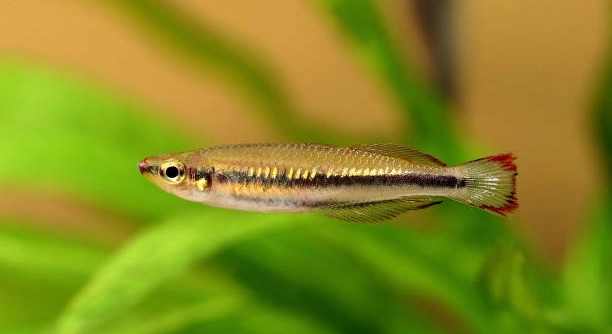
Do you ever feel excited to bring home rainbowfish, yet notice things do not go as smoothly as you hoped? Many new owners start with enthusiasm, and common mistakes can slip in without warning quickly.
New rainbowfish owners often misunderstand their environmental and social needs, leading to stress, poor coloration, and shortened lifespans. Inadequate tank size, unstable water conditions, and improper group structure are the primary issues responsible for compromised health and reduced behavioral expression.
By understanding these early challenges, you can guide your rainbowfish toward calmer routines that support steady growth and healthier care.
Giving Rainbowfish Too Little Space
Many new owners underestimate how much room rainbowfish need to stay calm and active. A cramped tank restricts movement, raises stress, and weakens their colors over time. I have seen many people start with a small aquarium because it feels easier, but rainbowfish are schooling swimmers that rely on open areas to move freely. When the tank is too tight, they become restless, more prone to nipping, and less confident in their surroundings. This often leads to poor eating habits and slower growth. A spacious layout with long swimming lanes, steady filtration, and open water zones makes a noticeable difference in their daily behavior. It also allows them to express their natural patterns, which helps them settle into your home more comfortably. Owners who upgrade tank size early often see improvements in activity levels, appetite, and color development, showing how much proper space matters for these active fish.
Keeping rainbowfish in a small tank limits their comfort and disrupts their stable patterns. Enough space supports calmer activity, healthier routines, and brighter colors.
When rainbowfish have room to move, their behavior softens, and stress signs fade. They interact better with their group, explore more confidently, and adjust to changes with less frustration. A properly sized tank creates a smoother environment that supports balanced habits and long-term health.
Overlooking Proper Group Structure
Rainbowfish need steady social groups to feel secure, yet many owners add too few fish, which disrupts their natural patterns.
A balanced group helps rainbowfish stay relaxed and expressive. When kept in small numbers, they can become timid or overly reactive, which affects feeding and movement. Larger groups create steady activity and reduce unnecessary tension. Adding compatible species also supports smoother interactions, but it must be done carefully. Rainbowfish thrive on predictable routines, so mixing species without research can cause stress or territorial displays. When owners match group size, temperament, and tank layout correctly, the fish settle into smoother patterns. You may notice improved color, better feeding responses, and more harmonious movement. This thoughtful setup gives rainbowfish the stability they need to grow, explore, and show their natural grace.
Misunderstanding Feeding Needs
Many new owners offer too much food, which quickly harms water quality and leaves rainbowfish stressed. Small portions given with steady timing work better and help them stay active, balanced, and more comfortable in their space.
Overfeeding often leads to leftover particles sinking into the substrate, where they break down and raise ammonia. Rainbowfish react to this with dull colors, reduced activity, and irregular movement. I have noticed that lighter feeding schedules create smoother routines, and the fish show clearer signs of comfort. Giving a mix of small flakes, fine pellets, and occasional treats keeps their diet stable without overwhelming their system.
Lean feeding also encourages stronger swimming patterns and better energy use. When the tank stays cleaner, rainbowfish avoid unnecessary stress and show brighter tones more consistently. This steady approach supports healthier digestion and prevents issues linked to waste buildup. A gentle, measured feeding routine helps them settle into calmer habits.
Ignoring Water Stability
Unstable water conditions affect rainbowfish quickly and can disrupt their natural patterns, especially when shifts happen too often. These changes can make them more reactive and less confident, which becomes noticeable in how they swim and feed each day.
Keeping parameters steady requires regular checks and gentle adjustments rather than quick fixes. Rainbowfish rely on consistent warmth, soft lighting, and clean water to maintain balanced behavior. Sudden temperature drops or uneven filtration can unsettle them, leading to color loss and irregular activity. I have found that small weekly water changes work better than large, sudden ones. Stable routines give rainbowfish a calmer environment, helping them move smoothly through their space.
Mixing Incompatible Tankmates
Rainbowfish often lose confidence when paired with aggressive or overly bold species. This can make them hide more and show weaker colors. Choosing calm companions helps them stay active and comfortable without constant pressure.
Poorly matched tankmates may chase or nip, which disrupts feeding and creates ongoing tension. Selecting peaceful fish keeps the environment steady and prevents unnecessary stress.
Using Harsh Lighting
Strong lighting can make rainbowfish restless and hesitant to swim freely. Softer brightness helps them feel safer and show smoother patterns. I have noticed that balanced lighting schedules keep their colors stable and their movement more relaxed. This gentle approach supports calmer daily behavior.
Neglecting Enrichment
A plain tank leaves rainbowfish bored and less expressive. Simple additions like open plants and clear swimming lanes create a more inviting space where they can move with ease.
FAQ
Why do my rainbowfish look pale even though they seem healthy?
Color loss often comes from stress, and rainbowfish react quickly to small disruptions. If the tank is too cramped, too bright, or the water fluctuates more than it should, their tones fade. I have seen this happen even when the fish look active, because their bodies respond to tension before obvious symptoms appear. Giving them steady lighting, gentle filtration, and a predictable routine helps their colors return. Once the environment settles, the fish usually show deeper tones, especially during feeding and social interactions.
How many rainbowfish should I keep together?
Rainbowfish feel safer in groups, and keeping too few often makes them timid or reactive. A group of at least six works best for most types, since they rely on steady movement from their companions to feel secure. When they have enough company, they swim with more confidence, and their colors show more evenly. This setup also reduces competition during feeding and keeps the entire tank calmer.
Why are my rainbowfish chasing each other so often?
Some chasing is normal, especially when they are settling into a new tank or forming a pecking order. If the behavior becomes excessive, it usually means the tank is too small or the group is too small, which increases tension. Adding space or adjusting the group size often softens the interactions. I have found that once they feel stable, the chasing becomes more controlled and less frantic.
What water parameters do rainbowfish need?
Rainbowfish thrive with clean, stable water that does not shift too quickly. Most types prefer moderate hardness, steady warmth, and gentle filtration that avoids sudden bursts of flow. Consistent testing helps you catch small changes before they affect the fish. When the parameters stay predictable, rainbowfish show calmer movement and steadier feeding patterns. Sudden swings in temperature or pH usually unsettle them, so slow adjustments work best.
How often should I feed rainbowfish?
Small meals given one to two times daily support smoother digestion and cleaner water. Rainbowfish handle light feeding very well, and offering too much only creates waste that harms the tank. I usually give small flakes, fine pellets, and a light treat once in a while. Keeping the portions small helps them stay active without added stress. Once the feeding schedule becomes consistent, their behavior settles into a natural rhythm.
Why do my rainbowfish hide after a water change?
Large or abrupt changes disrupt their sense of safety. Rainbowfish respond strongly to sudden shifts in temperature, flow, or lighting when the maintenance process is too quick. Smaller and more regular water changes help them stay calm. I have noticed that when the change is gentle, they return to their usual swimming patterns much sooner. Allowing the new water to match the tank conditions makes the process easier for them.
Can rainbowfish live with slower or more delicate species?
They can, but the tank must be planned carefully. Rainbowfish are active swimmers, and their quick movements can overwhelm slow species during feeding or simple daily activity. Pairing them with peaceful fish that can match their pace keeps the tank harmonious. When the temperaments align, both groups show smoother routines.
Why are my rainbowfish breathing fast?
Fast breathing usually points to water quality issues, especially low oxygen or rising ammonia. Filtration problems, leftover food, or sudden increases in temperature can trigger this reaction. Checking the water immediately is important, since rainbowfish react quickly to poor conditions. Once the tank is corrected, their breathing normally slows to a steady pace. A well-aerated tank prevents this from happening again.
Do rainbowfish need plants or decorations?
They do well with open areas, but having plants and gentle structures helps them feel secure. These additions create places to rest, hide briefly, or move in smoother patterns. I prefer using light plants along the edges while keeping the center open for swimming. This balance supports active movement without overwhelming the tank. When the layout is gentle, rainbowfish adjust with less stress.
Why do my rainbowfish stay at the top of the tank?
Spending excessive time near the surface can indicate stress, low oxygen, or uneven temperatures. Rainbowfish usually swim across the middle and upper levels, but constant surface hovering hints at discomfort. Checking aeration, filtration, and temperature usually reveals the cause. Once corrected, they spread out again and move more naturally.
Final Thoughts
Caring for rainbowfish becomes much easier once you understand how their comfort depends on steady routines, gentle surroundings, and thoughtful choices. Many new owners make small mistakes without meaning to, and these issues can slowly affect the way the fish behave. I have seen how simple adjustments in tank size, lighting, feeding, and water stability can completely change the atmosphere inside an aquarium. Rainbowfish respond strongly to the small details, and when those details line up, they settle into calmer patterns. Their colors look brighter, their movements become smoother, and the entire tank feels more balanced. Even if the process seems overwhelming at first, taking it step by step helps you stay confident. When you keep things simple and consistent, rainbowfish usually adjust without much trouble. They are active fish that show their wellbeing through how they swim, eat, and interact, so paying attention to these signs keeps you on the right path.
What makes a difference in the long run is your willingness to stay patient and observe their behavior. Rainbowfish do not always react right away when something is off, but small changes in color, energy, or movement often tell you more than you expect. When you learn to recognize those early signals, making tiny improvements becomes easier. Water conditions become clearer, feeding routines feel smoother, and tank interactions look more natural. You may notice how they explore the tank with more confidence once the space supports their needs. Having plants in the right places, planning the layout with open swimming lanes, and choosing tankmates with calm temperaments all help the fish feel safer. Every improvement builds upon the last, and over time, the difference becomes noticeable not only in their appearance but also in the overall harmony of the tank. These changes show that rainbowfish are sensitive but also very responsive to care that is steady and thoughtful.
Reaching a stable environment for rainbowfish does not require complicated systems. It mainly comes from consistency and gentle attention to their daily conditions. When you keep their home clean, stable, and predictable, they develop habits that reflect comfort. Their social behavior becomes smoother, feeding feels more relaxed, and the tank becomes a place that supports healthy growth. You may find that the more you understand their needs, the more rewarding the experience becomes. Caring for rainbowfish is about building an environment that helps them thrive without unnecessary stress. With patience and simple routines, you can create a space where they show their best colors and move with ease.

Hello,
If you enjoy the content that we create, please consider saying a "Thank You!" by leaving a tip.
Every little bit helps us continue crafting quality advice that supports the health, happiness, and well-being of pets around the world, for pets of all shapes, sizes, and species.
We really appreciate the kindness and support that you show us!