
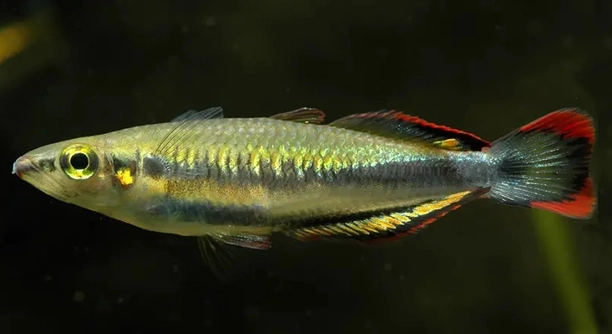
Are your rainbowfish pausing unexpectedly while swimming around the tank? This behavior can seem unusual, especially if your fish normally swims constantly. Observing these pauses can reveal subtle insights about their health and environment.
Rainbowfish often pause mid-swim due to a combination of environmental stressors, resting behavior, or minor health issues. These brief stops allow the fish to conserve energy, monitor surroundings, or adjust to water conditions without causing harm.
Understanding these pauses will help you maintain a healthier aquarium environment and support your rainbowfish’s natural behavior patterns. Learning the reasons behind this action can improve care techniques.
Common Reasons Rainbowfish Pause Mid-Swim
Rainbowfish often stop swimming briefly for simple and natural reasons. One common factor is resting. Even active fish need short breaks to conserve energy. Changes in water temperature or current can also cause a pause, as the fish adjust to conditions. Stress from overcrowding or sudden movements around the tank may make them stop momentarily. Sometimes, pauses occur while the fish are exploring or deciding on a direction. Feeding patterns also play a role; fish may hover near food or wait for the right moment to approach. Illness or minor discomfort can also lead to temporary halts, signaling the need for observation. Paying attention to water quality, tank setup, and tank mates can reduce unnecessary pauses. Observing behavior over time helps differentiate between normal rest stops and signs of potential issues.
Pauses mid-swim are usually short and harmless. Monitoring patterns ensures your rainbowfish stay healthy and active in their environment.
Maintaining proper tank conditions helps minimize stress-related pauses. Ensure water temperature, pH, and cleanliness meet species-specific needs. Avoid overcrowding and provide ample hiding spots to make fish feel secure. Observe behavior daily, noting any changes in swimming patterns or feeding. Early detection of unusual pauses can prevent health complications. Feeding a balanced diet and keeping water parameters consistent also reduces stress-induced stops. Over time, you’ll learn each rainbowfish’s normal habits, making it easier to spot anomalies. While some pauses are natural, consistent monitoring promotes a thriving, lively tank and encourages natural behavior.
Environmental Factors Affecting Swimming
Water quality is a major influence on rainbowfish movement.
Changes in temperature, pH levels, and oxygen content directly impact activity. Rainbowfish may pause if water is too warm or low in oxygen. Strong currents, inadequate hiding spots, or bright lighting can also affect comfort, causing temporary stops. Proper filtration and aeration help maintain a stable, safe environment.
Consistent monitoring of tank conditions is crucial. Water tests should be conducted regularly to ensure temperature, pH, and ammonia levels are ideal. Avoid overcrowding and provide plants or decorations that offer shelter. Observing how fish respond to different areas in the tank can indicate preferences and stress points. Adjusting lighting and current strength ensures a more comfortable swimming environment. Proper feeding routines reduce sudden competition or stress-related pauses. Small changes, like gradual temperature adjustments and slow water changes, support stability. Creating an environment that mimics natural habitats promotes natural movement and minimizes unnecessary halts. Careful attention to these factors ensures rainbowfish swim confidently, rest safely, and remain healthy over time.
Health-Related Pauses
Minor illnesses or discomfort can make rainbowfish stop swimming. Signs like clamped fins, faded colors, or sluggishness often accompany these pauses. Early detection is important to prevent worsening conditions and maintain overall tank health.
Regular observation helps catch issues early. Parasites, bacterial infections, or swim bladder problems can cause temporary halts. Providing a clean environment and proper nutrition reduces the likelihood of disease. Quarantining new fish before introducing them to the main tank also limits exposure to pathogens. Knowing normal swimming patterns allows you to notice unusual pauses quickly. Prompt attention ensures fish recover faster and reduces the risk of spreading illness to other tank inhabitants.
Nutrition plays a role in activity levels. Rainbowfish with deficiencies or irregular feeding may pause more often. Feeding high-quality, species-appropriate food in consistent amounts supports energy and immune function. Overfeeding can lead to digestive issues that affect swimming, while underfeeding may reduce stamina. Incorporating variety in diet, including live or frozen foods, encourages natural behavior and keeps fish active. Consistency in feeding times also helps them develop predictable movement patterns, reducing unexplained pauses. Proper diet and observation work together to maintain healthy swimming habits and overall vitality in rainbowfish.
Behavioral Reasons for Pausing
Rainbowfish sometimes pause to monitor their surroundings or interact with other tank mates. These stops are normal and often part of social or exploratory behavior.
Territorial behavior or establishing hierarchy can cause temporary pauses. Fish may hover to assess dominance, avoid conflict, or decide on a safe path. During feeding, pauses allow them to wait for food or observe others. Environmental curiosity, such as inspecting plants or decorations, also contributes. Social interactions like chasing or following can involve frequent stops. Understanding these patterns helps differentiate normal behavior from stress or illness. Observing how fish interact over time provides insight into their social structure and comfort levels within the tank.
Pausing can also serve as a way to rest without fully stopping movement. Fish often hover near hiding spots or calmer areas of the tank. Short rests allow energy conservation, especially in active species like rainbowfish. These brief pauses are essential for maintaining stamina and responding quickly to environmental changes. Recognizing normal resting behavior prevents unnecessary concern while still promoting attentive care. Providing adequate space, decorations, and compatible tank mates encourages natural pausing and helps rainbowfish maintain healthy activity levels throughout the day.
Water Flow and Current
Strong water currents can make rainbowfish pause frequently. Fish may stop to stabilize themselves or find calmer areas within the tank. Adjusting flow can help them swim more comfortably and reduce unnecessary stress.
Even minor changes in filtration or pump output affect swimming patterns. Rainbowfish often choose positions where the current is gentler, pausing before moving to new areas.
Light and Visibility
Bright or fluctuating lighting can influence swimming behavior. Rainbowfish may pause to avoid sudden exposure or adjust to changing brightness. Maintaining consistent, moderate lighting helps them move naturally.
Pauses often occur near shaded areas or plants where the fish feel safer. These spots provide comfort and reduce stress caused by strong or uneven lighting.
Social Dynamics
Rainbowfish pauses can result from interactions with other tank mates. Fish may stop to observe or react to others, especially during feeding or territorial displays. These pauses are part of establishing social order and understanding their environment.
Observing social behavior helps distinguish normal pauses from stress-related stops. Fish often hover in small groups, monitor dominant individuals, or wait their turn for food. Recognizing these patterns supports proper tank management, ensuring compatibility and balanced interactions. Providing enough space and hiding spots reduces tension, allowing rainbowfish to display natural behavior while minimizing frequent or prolonged pauses.
FAQ
Why does my rainbowfish pause right after eating?
Rainbowfish often pause after feeding to digest food and regain energy. Their digestive system works efficiently but requires short rest periods. Pausing also helps them avoid chasing or being chased by more active tank mates during this time. This behavior is normal unless accompanied by bloating or unusual swimming patterns, which may indicate overfeeding or digestive issues. Providing smaller, frequent meals can reduce prolonged pauses and support steady energy levels throughout the day. Observing feeding habits ensures each fish eats properly without stress from competition.
Is it normal for rainbowfish to pause near decorations or plants?
Yes, rainbowfish often use plants or decorations as resting points. Pausing near these areas provides a sense of security and shelter, especially if the tank has bright lighting or active tank mates. These stops allow the fish to monitor surroundings safely, conserve energy, or interact socially without being fully exposed. Well-planted tanks support this natural behavior, giving fish options for hiding and brief rest periods. Ensuring sufficient open swimming space alongside these sheltered areas helps maintain balanced activity and reduces stress-induced pauses.
Could water temperature make my rainbowfish stop swimming?
Temperature fluctuations significantly affect rainbowfish activity. If water is too warm or too cold, they may pause to adjust metabolism. Consistent, species-appropriate temperature ensures steady swimming behavior. Sudden changes can lead to stress pauses or sluggish movement, making observation important. Using a reliable thermometer and adjusting heaters or filters gradually helps maintain stable conditions. Long-term monitoring ensures that pauses caused by temperature remain brief and natural, rather than a sign of health problems.
How can I tell if a pause is a health issue?
Pauses accompanied by clamped fins, faded colors, irregular breathing, or unusual positioning may indicate illness. Minor halts for rest or observation are normal, but consistent lethargy warrants attention. Regular water testing, proper nutrition, and observing interactions help differentiate natural pauses from health concerns. Quarantining new fish and providing clean conditions minimize the risk of infection, while prompt identification of illness improves recovery. Maintaining records of swimming patterns over time allows you to spot changes early and respond effectively to potential health problems.
Do pauses indicate stress from tank mates?
Yes, social dynamics affect swimming behavior. Rainbowfish may pause to avoid conflict, wait their turn at feeding, or assess dominant individuals. Frequent or prolonged stops in response to aggressive tank mates suggest stress. Providing adequate space, hiding spots, and compatible species reduces stress-induced halts. Observing interactions over days helps identify behavioral patterns and ensures a harmonious environment. Adjusting tank layout or separating aggressive fish can restore normal movement and reduce unnecessary pauses, allowing rainbowfish to swim confidently.
Can water quality impact pausing behavior?
Poor water quality can directly cause rainbowfish to stop swimming. High ammonia, nitrite, or nitrate levels create stress, while low oxygen levels lead to brief or extended pauses. Regular water testing and maintenance, including partial water changes and proper filtration, prevent harmful conditions. Stable water parameters support normal activity and minimize unnatural halts. Observing the fish’s response to different areas in the tank can indicate localized issues, such as low oxygen zones near the bottom or near filters. Prompt correction maintains healthy swimming patterns and overall well-being.
Are rainbowfish more likely to pause at certain times of the day?
Yes, activity levels vary throughout the day. Rainbowfish may be more active during feeding times and less active during periods of rest or low light. Brief pauses during these quieter moments are natural and help conserve energy. Recognizing daily rhythms allows you to distinguish normal resting pauses from stress or illness-related stops. Providing consistent lighting and feeding schedules encourages predictable behavior and reduces unnecessary pauses caused by environmental uncertainty.
How can I minimize unnecessary pauses in my tank?
Ensuring optimal tank conditions, proper diet, and compatible tank mates helps reduce unnecessary pauses. Stable water parameters, adequate space, and hiding spots support natural movement. Observing patterns and addressing any sources of stress promptly encourages active swimming. Adjusting water flow, light intensity, and social dynamics can make rainbowfish more comfortable. Consistency in care routines allows fish to move naturally without frequent, unexplained halts, enhancing overall health and vitality.
Can pauses be part of normal social behavior?
Yes, rainbowfish use pauses to communicate or observe others. These short stops help establish social order, assess dominance, or coordinate movement in groups. Understanding these pauses as normal social behavior prevents unnecessary concern and supports natural interaction within the tank. Providing enough space and visual barriers reduces tension and encourages healthy social pauses without stress.
Final Thoughts
Rainbowfish pausing mid-swim is often a normal and natural part of their behavior. These brief stops can serve many purposes, from resting to monitoring their surroundings or interacting with other fish. Observing your rainbowfish regularly helps you recognize what is typical for them and when a pause might signal an issue. Many pauses are simply moments of rest, allowing the fish to conserve energy after swimming actively or feeding. Over time, you begin to notice their patterns, such as where they tend to stop and how long they pause. Understanding these patterns makes it easier to differentiate normal behavior from potential concerns, giving you confidence in your care and observation.
Environmental conditions are a key factor in rainbowfish activity and swimming pauses. Water temperature, quality, and current all influence how and when a fish might stop mid-swim. Proper tank maintenance is essential, including consistent monitoring of temperature, pH, and filtration. Adding plants, decorations, or hiding spots can give your rainbowfish areas to pause comfortably without feeling exposed. These elements help reduce stress, allowing the fish to feel secure while briefly stopping to rest or observe. Providing a balanced diet and maintaining a stable routine also contributes to steady swimming behavior. Paying attention to both physical and social needs ensures that pauses remain healthy and natural rather than a response to discomfort or stress.
Health and social interactions also play an important role in swimming behavior. While pauses are often harmless, changes in color, fin position, or energy levels may indicate illness or stress. Observing interactions between tank mates helps you identify if pauses are part of social behavior, such as waiting their turn for food or avoiding conflict. Quarantining new fish and maintaining proper tank density supports a calmer environment, reducing unnecessary halts. Overall, understanding why rainbowfish pause allows you to create a supportive habitat, ensuring their well-being. By maintaining consistent care, observing behavior, and providing an appropriate environment, you can enjoy watching healthy, active fish while knowing that occasional pauses are a normal and important part of their natural behavior.

Hello,
If you enjoy the content that we create, please consider saying a "Thank You!" by leaving a tip.
Every little bit helps us continue crafting quality advice that supports the health, happiness, and well-being of pets around the world, for pets of all shapes, sizes, and species.
We really appreciate the kindness and support that you show us!