
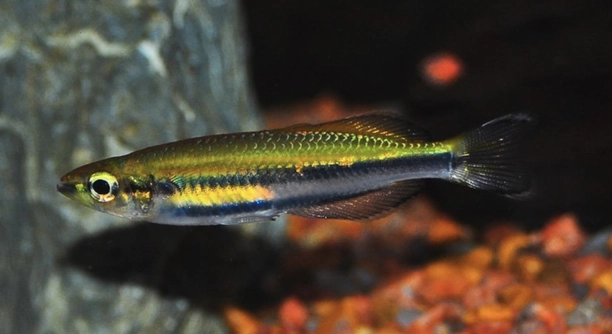
Rainbowfish are lively and colorful additions to any home aquarium. Observing them carefully can reveal changes in behavior or appearance that indicate stress, helping you ensure their environment supports their health and comfort.
Signs of stress in rainbowfish include faded colors, erratic swimming, loss of appetite, and hiding more than usual. Stress can result from poor water quality, overcrowding, sudden changes in environment, or improper diet, all affecting their overall well-being.
Recognizing these signs early can prevent long-term health issues. Learning to maintain a stable and comfortable environment keeps your rainbowfish active and healthy.
Common Causes of Stress in Rainbowfish
Rainbowfish can become stressed from a variety of environmental and social factors. Sudden changes in water temperature or pH can make them uneasy, as can overcrowding in a small tank. Even small fluctuations in lighting or water flow can disrupt their routine, causing them to hide or swim erratically. Diet also plays a role—insufficient nutrition or overfeeding can lead to stress. Introducing new tankmates without a proper adjustment period may trigger aggressive behavior or territorial disputes, further affecting their well-being. Providing hiding spaces and maintaining consistent tank conditions helps reduce tension. Regular water testing ensures a stable environment, and gentle handling prevents unnecessary anxiety. Observing their behavior daily gives insight into their comfort level. Simple adjustments, like gradually changing water conditions or rearranging decor to offer retreat spaces, can significantly improve their stress levels and overall health. Attention to these details keeps rainbowfish lively and vibrant.
Proper tank maintenance and careful observation are essential to prevent long-term health problems in rainbowfish.
Rainbowfish respond to stress physically and behaviorally. They may lose their bright coloration, swim near the bottom, or avoid other fish. Stress can suppress their immune system, increasing susceptibility to disease. By maintaining stable water conditions, providing a balanced diet, and introducing new fish gradually, you can help them regain comfort. Stress prevention is easier than correcting problems after they appear, so creating a predictable and safe environment is key.
Signs You Can See
Faded colors and erratic swimming are clear indicators of stress in rainbowfish.
Behavioral changes are often the first visible signs. Fish may hide more often or display unusual aggression. Appetite loss is common, as stressed fish eat less or refuse food entirely. You may notice clamped fins, rapid gill movement, or unusual swimming patterns. Environmental stressors, such as dirty water or inappropriate tankmates, often contribute to these changes. Recognizing these signs quickly allows for timely intervention. Regular monitoring of water quality, feeding routines, and fish interactions helps maintain a healthy and stress-free environment. Adjusting tank conditions, such as adding plants or rearranging decorations, can create safe spaces that reduce tension. Observing each fish individually provides a clearer picture of overall well-being. Addressing stress promptly ensures rainbowfish stay vibrant and active. Consistent care and attention to these factors help prevent long-term issues and support their natural behavior.
Adjusting Water Conditions
Stable water parameters are vital for rainbowfish health. Frequent changes in temperature, pH, or hardness can trigger stress. Keeping water clean and consistent reduces anxiety and encourages natural behavior. Regular testing and gradual adjustments prevent sudden shocks that could harm their well-being.
To adjust water conditions effectively, start by testing the tank weekly for temperature, pH, and ammonia levels. If changes are needed, do them gradually over several days to avoid shocking the fish. Use dechlorinated water and maintain proper filtration to remove toxins. Regular partial water changes of 20-30 percent weekly help maintain stability, prevent buildup of harmful substances, and support overall health. Monitoring fish behavior during changes ensures they are adjusting well.
Adding aquatic plants and decorations can help regulate the environment naturally. Plants absorb excess nutrients, provide shelter, and reduce stress. Rearranging decor occasionally creates new hiding spots, helping rainbowfish feel secure. Combining stable water conditions with these physical adjustments encourages natural swimming patterns, color retention, and active feeding behavior. Observing the fish’s reactions allows you to fine-tune conditions and make your tank a safe, comfortable home.
Feeding and Nutrition
A balanced diet directly impacts stress levels and health. Overfeeding or underfeeding can cause digestive issues and weaken immunity.
Rainbowfish need a varied diet including high-quality flakes, pellets, and occasional live or frozen foods. Feeding small amounts two to three times daily helps maintain energy without overloading their system. Supplementing with vegetables like blanched spinach or zucchini provides essential vitamins and minerals. Consistent feeding routines reduce anxiety and encourage natural behavior. Avoiding sudden changes in food types prevents digestive stress and ensures the fish receive proper nutrition, supporting their bright colors and active swimming habits.
Proper nutrition also strengthens resistance to disease. Nutrient deficiencies can cause dull coloration, sluggish movement, and increased susceptibility to infection. Observing their eating habits helps detect early signs of stress or illness. Feeding in small, controlled portions reduces water contamination and keeps the tank clean, which further minimizes stress. Incorporating occasional treats like brine shrimp or daphnia mimics natural feeding behaviors and enriches their daily routine. Combined with stable water conditions, a consistent and balanced diet ensures rainbowfish remain vibrant, active, and healthy.
Tankmates and Social Behavior
Rainbowfish are social and do best in groups of at least six. Aggressive or overly dominant tankmates can increase stress, causing hiding and reduced activity.
Choosing compatible fish is essential. Peaceful species of similar size help maintain harmony. Avoid fin-nippers or overly territorial fish that may harass rainbowfish, leading to injury or prolonged stress.
Observing Behavior Changes
Monitoring daily activity reveals stress early. Changes in swimming patterns, appetite, or interaction with other fish indicate discomfort.
Stress may present as rapid darting, staying near the bottom, or isolating from the group. Sudden changes in coloration or clamped fins also signal tension. Keeping a close eye on behavior allows for timely adjustments to water conditions, tankmates, or feeding routines. Addressing these signs promptly helps prevent illness and ensures rainbowfish remain active and healthy.
Hiding Spaces
Providing plants, rocks, or decorations gives rainbowfish places to retreat. Hiding spaces reduce anxiety and mimic their natural environment.
Water Quality Checks
Regular testing for ammonia, nitrites, and nitrates ensures safe water conditions. Clean water prevents stress-related health problems.
How do I know if my rainbowfish is stressed?
Signs of stress in rainbowfish can be subtle at first. Look for faded colors, clamped fins, or hiding more than usual. Erratic swimming, staying near the bottom, or avoiding other fish are also indicators. Appetite loss is a strong signal, as stressed fish often eat less or refuse food entirely. Monitoring their behavior daily helps detect changes early, allowing you to adjust the environment quickly and prevent long-term health issues. Regular observation gives insight into both minor stress and more serious concerns.
What causes rainbowfish to become stressed?
Stress often results from environmental changes, such as sudden shifts in temperature, pH, or water hardness. Overcrowding in the tank or aggressive tankmates can create tension and anxiety. Poor water quality, inconsistent maintenance, or insufficient hiding spots can also lead to stress. Diet plays a role—overfeeding or underfeeding can cause digestive problems and weaken the immune system. Even small changes in lighting or water flow can disrupt their routine. Providing stable conditions and a calm, balanced tank reduces stress and promotes natural behavior.
How can I reduce stress in my rainbowfish?
Maintaining stable water parameters is essential. Gradually adjust temperature, pH, or hardness when necessary, and test the water regularly. Adding plants, rocks, or decorations creates hiding spots and reduces anxiety. Keeping compatible tankmates and avoiding aggressive fish helps prevent conflicts. Feeding a varied and balanced diet supports health and energy levels. Gradual introduction of new fish or decor prevents sudden disturbances. Partial water changes help maintain cleanliness, removing excess waste and harmful chemicals. Observing fish behavior ensures adjustments are effective and supports long-term well-being.
Can diet affect rainbowfish stress levels?
Yes, diet directly impacts stress and overall health. A varied diet with flakes, pellets, and occasional live or frozen foods provides necessary nutrients. Supplementing with blanched vegetables ensures essential vitamins and minerals. Avoid sudden changes in food type to prevent digestive stress. Feeding small amounts multiple times a day keeps fish active and healthy. Overfeeding can pollute water, while underfeeding weakens immunity, making them more susceptible to stress. Proper nutrition strengthens color, activity, and resilience, helping rainbowfish cope better with minor environmental changes.
How often should I check water quality to prevent stress?
Testing water at least once a week is recommended. Key parameters include ammonia, nitrites, nitrates, pH, and temperature. Rapid changes in any of these can trigger stress and illness. Use reliable test kits and record results to track trends. Partial water changes help maintain stability, and cleaning the filter regularly supports healthy water. Observing the fish alongside water checks helps determine if conditions are ideal or need adjustment. Consistent water quality monitoring prevents problems before they escalate, keeping rainbowfish calm, healthy, and vibrant.
What tank setup minimizes stress for rainbowfish?
A spacious tank with plenty of hiding spots is ideal. Plants, rocks, and decorations create retreat areas and mimic natural habitats. Provide open swimming areas alongside sheltered spaces to accommodate different behaviors. Use gentle filtration to maintain water quality without strong currents that can exhaust fish. Proper lighting helps regulate natural rhythms but avoid sudden bright changes. Keeping the tank in a quiet location reduces disturbances. Grouping rainbowfish in schools of six or more promotes social comfort. Thoughtful design and careful selection of tankmates prevent stress and encourage natural activity.
How do I handle rainbowfish without causing stress?
Minimize direct handling whenever possible. Use a net gently if necessary and avoid chasing or sudden movements. Performing maintenance calmly reduces anxiety. When moving fish for cleaning or treatment, acclimate them slowly to new water conditions. Avoid tapping on the glass or loud noises near the tank. Observing behavior from a distance and maintaining a consistent routine reassures fish. Calm handling techniques, along with stable environmental conditions, prevent unnecessary stress and support overall health, allowing rainbowfish to remain active, colorful, and comfortable in their environment.
What signs indicate stress has caused health problems?
If stress persists, physical symptoms may appear. Faded colors, fin rot, rapid gill movement, or unusual swimming patterns indicate possible illness. Loss of appetite or lethargy often follows. Skin lesions or swelling can also appear in prolonged stress. Early detection through daily observation is essential. Addressing water quality, diet, tankmates, and environmental conditions promptly reduces risk. Providing proper care and adjustments helps restore health and prevents long-term damage, ensuring rainbowfish recover from stress before serious complications arise.
Can introducing new fish cause stress to rainbowfish?
Yes, sudden introductions can trigger stress. Rainbowfish are sensitive to changes in social structure. Gradual acclimation in a separate tank or using a divider reduces conflict. Observe interactions closely once introduced, and remove aggressive individuals if necessary. Providing extra hiding spaces during introductions gives fish security. Proper timing, patience, and careful monitoring help rainbowfish adjust and maintain a harmonious tank environment without prolonged stress.
How long does it take for stressed rainbowfish to recover?
Recovery depends on the severity of stress and the actions taken. Minor stress can resolve within a few days once conditions stabilize. Chronic stress may take weeks and require consistent water maintenance, proper diet, and reduced disturbances. Monitoring behavior and physical health throughout recovery ensures that adjustments are effective. Patience and attention to detail are essential for restoring comfort, color, and activity levels. With proper care, rainbowfish typically regain natural behavior and thrive in a stable, supportive environment.
Rainbowfish are lively, colorful fish that bring life to any aquarium, but they are sensitive to their surroundings. Stress can affect their behavior, health, and appearance, so understanding the signs is important. Faded colors, hiding, clamped fins, and irregular swimming are all common indicators. Stress can also impact appetite, causing fish to eat less or refuse food entirely. By paying close attention to these signs, you can take steps early to improve their environment and prevent more serious health issues. Consistent observation and care help ensure rainbowfish remain active and vibrant.
Maintaining stable water conditions is one of the most important ways to reduce stress. Sudden changes in temperature, pH, or water hardness can disturb them. Regular water testing and partial water changes help keep the tank safe and comfortable. Providing hiding spaces with plants, rocks, or decorations creates areas where rainbowfish can feel secure. These spaces reduce anxiety and encourage natural behavior. Tankmates also play a role—peaceful species of similar size help maintain harmony, while aggressive or territorial fish increase tension. A balanced diet supports both health and stress reduction, giving the fish energy and promoting bright coloration.
Recovery from stress takes time and attention. Minor stress may resolve quickly with proper care, but chronic stress requires patience and consistent maintenance. Gradually adjusting water conditions, observing behavior, providing proper nutrition, and ensuring a peaceful tank environment are all essential steps. Daily observation allows you to track improvement and make further adjustments if needed. When rainbowfish have the right environment and care, they regain their natural activity, vibrant colors, and appetite. Understanding stress and responding proactively helps create a stable, comfortable home where rainbowfish can thrive and live healthy, active lives.

Hello,
If you enjoy the content that we create, please consider saying a "Thank You!" by leaving a tip.
Every little bit helps us continue crafting quality advice that supports the health, happiness, and well-being of pets around the world, for pets of all shapes, sizes, and species.
We really appreciate the kindness and support that you show us!