
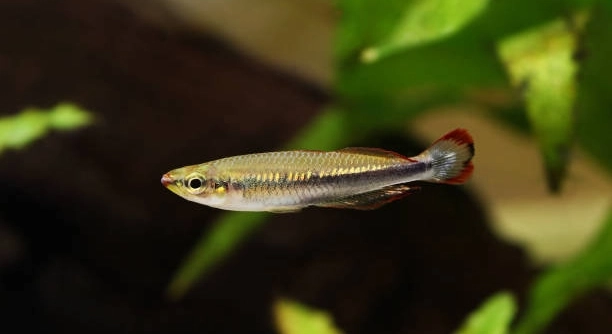
Many fish owners enjoy the vibrant colors and lively movement in their aquariums. Watching fish swim gracefully can be calming, yet sometimes their behavior indicates that the tank environment could use improvements for comfort.
Adding more hiding spots in a fish tank is essential for the well-being of the inhabitants. Hiding spots reduce stress, provide shelter during aggressive interactions, support natural behaviors, and create a sense of security that promotes overall health and activity.
Increasing hiding spaces can transform your aquarium environment. Even small additions make a big difference in your fish’s daily life and overall comfort within the tank.
Stress Reduction for Shy and Timid Fish
Shy or timid fish often hide behind plants or decorations, avoiding areas where more active fish swim. A tank lacking adequate hiding spots can increase stress, leaving these fish constantly exposed and uneasy. Chronic stress can weaken their immune system, making them more susceptible to disease. Adding caves, rock formations, or dense plant areas gives these fish places to retreat and feel safe. This allows them to rest without fear and reduces aggressive encounters from more dominant tank mates. Over time, fish with secure hiding spots display calmer behavior, swim more naturally, and interact appropriately when comfortable. These simple additions can create a more balanced tank environment where every fish has a chance to thrive without feeling threatened. Stress reduction is not just about comfort but also about maintaining the overall health and longevity of your aquatic pets, supporting both physical and behavioral well-being.
Even a small cave or plant cluster can make a timid fish feel secure and less stressed in the tank environment.
Hiding spots also allow fish to regulate their exposure to the rest of the tank. When shy fish feel threatened, they can retreat to safety instead of fleeing aimlessly, which reduces energy loss. In tanks without shelters, timid fish may never explore open areas, limiting feeding opportunities and natural behaviors. Stress-free fish are more likely to display normal coloration, swim patterns, and feeding habits. Moreover, providing multiple hiding areas prevents conflicts over territory, as several fish can occupy different shelters simultaneously. Plants, driftwood, or ceramic caves offer both visual barriers and actual protection, helping fish feel grounded in their space. Regular observation can reveal which areas fish prefer, guiding adjustments to the tank layout. By combining natural materials with artificial structures, you create a visually appealing and functional environment. This approach ensures that all fish, regardless of size or temperament, can experience comfort and security while promoting long-term health and activity levels.
Encouraging Natural Behaviors
Hiding spots allow fish to exhibit natural behaviors such as exploring, nesting, or hunting small prey in planted areas.
When fish have access to hiding areas, they are more likely to engage in foraging, territorial displays, or breeding rituals. These behaviors keep them active and mentally stimulated, preventing boredom and promoting a healthier, more dynamic tank. Natural behaviors improve overall vitality and provide insight into their preferences and personality.
Providing varied hiding spaces encourages exploration and curiosity. Fish may weave between plants, dart into caves, or hover near structures, mimicking conditions in their native habitats. Observing these behaviors is rewarding and shows that fish feel secure. For species that build nests or lay eggs, secluded areas give them privacy and safety during reproduction. Territorial species benefit from clear boundaries created by hiding spots, reducing aggressive encounters. Even small additions like PVC pipes or rock stacks create opportunities for interaction, shelter, and play. Fish that can act naturally often display brighter colors, more confident movements, and improved social dynamics within the tank. Overall, hiding spaces are more than decoration—they are essential tools to promote authentic, healthy behaviors that sustain the fish physically and mentally.
Reducing Aggression Between Tank Mates
Hiding spots give fish places to escape when conflicts arise. Aggressive interactions decrease because territorial fish cannot dominate the entire tank, creating a calmer environment for everyone.
When multiple fish share a tank, some species naturally display dominance behaviors. Without places to hide, smaller or less aggressive fish are constantly exposed, increasing stress and risk of injury. Providing caves, dense plants, or rock formations allows subordinate fish to retreat, reducing confrontations and giving each fish its own space. This separation lowers tension and promotes a balanced social dynamic. Fish with access to hiding areas are calmer, feed better, and exhibit healthier behavior patterns. Creating multiple refuges ensures that no single fish is cornered or forced into continual conflict.
Hiding spots also allow aggressive fish to claim territories without overwhelming others. Subordinate fish can safely coexist, avoiding injury or stress-induced illness. Over time, the tank atmosphere becomes more stable, and all inhabitants display natural behaviors more consistently, improving overall health and vitality in the aquarium.
Supporting Breeding and Fry Survival
Hiding spots are crucial for fish reproduction and protecting vulnerable fry from adults.
Many fish species require secluded areas to lay eggs or care for their young. Open tanks leave eggs and fry exposed to predation, including from adult fish. By adding plants, moss, or small caves, breeders can create safe zones that encourage spawning and increase survival rates. Even simple additions like PVC tubes or coconut shells provide secure spaces for fry to hide and grow. The presence of shelters mimics natural habitats, improving breeding success and reducing stress on both adults and offspring.
In addition, hiding areas help parents guard eggs without constant harassment from tank mates. Fry can explore safely, gradually learning to forage while staying protected. Plants and small crevices offer visual cover, reducing panic and promoting normal development. Multiple hiding spots prevent overcrowding and competition, giving young fish a better chance at thriving. Breeding pairs become more confident when secure, and overall reproductive health improves. Well-planned shelters in the tank create a supportive environment where all fish, from adults to fry, can coexist, reproduce, and grow successfully, resulting in a more dynamic and balanced aquarium ecosystem.
Providing Shelter During Illness
Hiding spots give sick fish a quiet place to recover. Isolation from active tank mates reduces stress and allows them to rest.
Fish recovering from illness or injury are vulnerable. Sheltered areas prevent harassment, encourage feeding, and support healing. Simple additions like caves or dense plants can improve recovery outcomes.
Enhancing Aquarium Aesthetics Naturally
Hiding spots add depth and visual interest to a tank. Rock formations, driftwood, and plants create a layered, natural appearance.
Arranging decorations thoughtfully not only benefits fish but also makes the aquarium more engaging to observe. Varied textures and heights mimic natural habitats.
Reducing Stress During Feeding
Hiding spots help fish eat comfortably without fear of competition or bullying from tank mates.
How many hiding spots does my tank need?
The number of hiding spots depends on the size of your tank and the number of fish. A general rule is to have at least one hiding place per fish, but more is better for larger or more territorial species. Plants, rocks, and caves can all count as shelters.
What types of hiding spots are best for different fish?
Soft plants work well for small or timid fish, while larger fish may prefer rock caves or driftwood structures. Hollow decorations and PVC tubes offer secure retreats for shy or sick fish. Varying heights and textures helps fish feel safe and encourages natural behaviors.
Can hiding spots reduce aggression in community tanks?
Yes, hiding spots allow less dominant fish to escape aggressive tank mates. By providing multiple shelters, each fish can claim a personal space, lowering stress and minimizing injuries. This is particularly important in community tanks with species that have differing temperaments.
Do live plants count as hiding spots?
Absolutely. Dense foliage or floating plants provide visual cover and a sense of security. Live plants can also improve water quality, supply oxygen, and mimic natural habitats, making them beneficial both visually and functionally.
Are artificial decorations safe as hiding spots?
Yes, but choose decorations labeled as aquarium-safe. Avoid sharp edges or materials that can leach chemicals. Rocks, ceramic caves, and PVC tubes are popular options. Ensure decorations are stable and cannot topple onto fish or crack the glass.
How do hiding spots affect breeding?
Hiding spots are critical for breeding fish. Many species need secluded areas to lay eggs or protect fry from adults. Caves, moss mats, and dense plants give parents safe zones, increasing fry survival rates and supporting natural reproductive behaviors.
Can too many hiding spots be a problem?
Too many hiding spots can reduce swimming space and make the tank feel cluttered. Balance is key—provide enough shelters to reduce stress but leave open areas for swimming and feeding. Observing fish behavior helps determine if adjustments are needed.
How should hiding spots be arranged?
Distribute hiding spots evenly throughout the tank. Place them near open areas, around corners, and at different heights. This allows fish to retreat quickly when needed, while still providing swimming routes and exploration opportunities. Mixing textures and sizes creates a more natural and engaging environment.
Do hiding spots need maintenance?
Yes. Regularly clean plants, rocks, and caves to prevent algae buildup or debris accumulation. Inspect artificial structures for sharp edges or loose parts. Proper maintenance keeps hiding spots safe, functional, and visually appealing while supporting water quality.
Can hiding spots help fish adjust to a new tank?
Definitely. New fish often experience stress in unfamiliar surroundings. Providing immediate hiding options allows them to acclimate at their own pace, reducing stress, encouraging feeding, and helping them establish territory without being overwhelmed by other tank mates.
Are there seasonal or behavioral considerations for hiding spots?
Some fish change activity levels with light cycles, temperature, or breeding seasons. Providing adaptable shelters ensures fish can find refuge during periods of increased stress or aggression. Observing seasonal or behavioral changes helps you adjust hiding spaces as needed.
Do hiding spots affect water circulation or filtration?
Proper placement is important to avoid blocking water flow. Ensure decorations do not impede filters or create stagnant areas. Good circulation supports oxygenation and keeps the tank environment healthy while still offering secure hiding spaces for fish.
Can young or newly hatched fish use hiding spots?
Yes. Fry need small, secure shelters to avoid predation and stress. Fine-leaved plants, small moss mats, or tiny caves give young fish safe areas to grow while learning to forage and explore the tank.
How often should I rotate or change hiding spots?
Occasional rearrangement can stimulate exploration and reduce boredom, but frequent changes may stress shy fish. Adjust decorations gradually, giving fish time to familiarize themselves with new hiding spots while maintaining a sense of security.
What are simple DIY hiding spot ideas?
Safe PVC pipes, coconut shells, or stacked rocks can serve as easy, inexpensive shelters. Ensure all materials are aquarium-safe and smooth to prevent injury. Adding small plants or moss to these DIY spots increases comfort and mimics natural habitats.
Can hiding spots improve overall fish health?
Yes. By reducing stress, aggression, and exposure to threats, hiding spots support immune function, feeding habits, and growth. Fish that feel secure are more active, show brighter colors, and display normal behaviors, contributing to a healthier and more vibrant aquarium ecosystem.
How do I know if my fish are using hiding spots effectively?
Observe behavior: fish that frequently use shelters are likely benefiting from reduced stress and improved confidence. Signs of effective hiding include reduced hiding time as comfort increases, active exploration, and regular feeding. Adjust placements if fish avoid shelters entirely.
Do all fish need hiding spots?
Most fish benefit from shelters, though some open-water or schooling species may rely less on them. Even these fish appreciate areas to retreat during stress, feeding competition, or illness. Providing at least a few hiding spots supports a balanced and harmonious tank environment for all species.
Can hiding spots help during water changes or maintenance?
Yes. Fish can retreat into shelters during disturbances, reducing stress during water changes or cleaning. This gives them a safe zone until conditions stabilize, making maintenance less stressful for both fish and keeper.
How does tank size influence hiding spot design?
Larger tanks allow for more hiding options and varied layouts, while small tanks require careful planning to avoid overcrowding. Scale hiding spots proportionally to tank size and fish numbers, ensuring sufficient swimming space alongside shelters.
What materials are best for long-term hiding spots?
Durable, non-toxic materials like ceramic, smooth rocks, PVC, and driftwood last long and remain safe in water. Avoid metals, untreated wood, or painted items that can leach chemicals. Natural materials also support biological filtration and mimic natural habitats.
Can hiding spots reduce stress from external disturbances?
Yes. Noise, sudden movement, or vibrations outside the tank can stress fish. Hiding spots provide visual and physical barriers, giving fish secure zones where they feel protected from external disturbances, improving overall comfort and well-being.
Are there species-specific hiding spot tips?
Cichlids prefer rock caves, bettas like dense plants or silk leaves, and shrimp benefit from moss mats or small crevices. Research species preferences to provide shelters that meet behavioral and environmental needs, maximizing comfort and natural activity.
How do hiding spots interact with lighting in the tank?
Shaded areas under plants or decorations create comfortable retreats during bright lighting periods. Fish use these dim zones to rest or reduce stress, making lighting placement and hiding spot arrangement complementary for well-being.
Can I combine live plants and artificial decorations for hiding spots?
Combining both works well. Live plants offer cover and improve water quality, while artificial caves or rocks provide secure, stable shelters. This mix accommodates a wider range of species and behaviors, creating a balanced and visually appealing tank.
Do hiding spots influence feeding behavior?
Yes. Fish feel safer eating near shelters, reducing competition stress. Timid fish may only feed confidently when a nearby hiding spot is present. Properly placed shelters can encourage more natural and consistent feeding patterns, supporting growth and health.
Are there risks if hiding spots are not cleaned regularly?
Neglecting cleaning can lead to algae, debris buildup, or bacterial growth, affecting water quality and fish health. Regular maintenance ensures shelters remain safe, functional, and hygienic while continuing to provide comfort and protection.
Can hiding spots improve social interactions among fish?
Yes. Shelters allow fish to establish personal space, reducing fights and promoting coexistence. Confident fish explore more, interact naturally, and display normal behaviors, resulting in a harmonious social environment within the aquarium.
How do I monitor hiding spot effectiveness over time?
Observe fish behavior, stress levels, feeding, and color vibrancy. Fish using shelters appropriately, showing normal activity, and exhibiting reduced aggression indicate effective hiding spots. Adjust placements or add new shelters as needed to maintain optimal comfort.
Can hiding spots prevent boredom in fish?
Yes. Exploring different structures, plants, and caves stimulates curiosity and mental activity. Rotating or slightly changing hiding spots occasionally encourages natural exploration, keeping fish engaged and reducing boredom-related stress.
Are there any signs my fish need more hiding spots?
Signs include excessive hiding in corners, stress displays, aggression, or avoidance of open areas. Providing additional shelters or rearranging existing ones can improve comfort, security, and overall behavior in the tank.
Do hiding spots help during transportation or tank relocation?
Yes. Fish feel more secure in familiar shelters when tanks are moved. Providing caves, plants, or other hiding areas reduces stress during relocation, helping fish maintain normal behavior and feeding patterns.
How do hiding spots impact the overall tank ecosystem?
Shelters contribute to stability by reducing aggression, supporting breeding, and providing safe areas for all species. Combined with plants and proper layout, hiding spots create a balanced environment where fish can thrive physically and mentally.
Are there easy ways to test if hiding spots are sufficient?
Observe fish behavior during feeding, resting, and interactions. If fish feel secure, show normal activity, and use shelters without overcrowding, hiding spots are sufficient. Adjust placements or add additional shelters if signs of stress persist.
Can hiding spots benefit shrimp or invertebrates as well?
Yes. Shrimp, snails, and other invertebrates use hiding spots for protection during molting or when threatened. Moss, small caves, or dense plant clusters offer security and support natural behaviors in these smaller tank inhabitants.
Do hiding spots change with fish growth?
As fish grow, shelters may need to be resized or replaced. Small fish shelters may become too cramped, while larger fish may require more spacious caves or plant clusters. Regular observation ensures hiding spots remain functional and comfortable.
How do I balance hiding spots with open swimming areas?
Ensure enough open space for movement, feeding, and exercise. Place hiding spots along edges or in corners while keeping central areas clear. This balance supports natural swimming behavior, reduces stress, and maintains a visually pleasing tank layout.
Can hiding spots help with tank acclimation for new fish?
Yes. New arrivals often feel vulnerable in unfamiliar tanks. Providing immediate hiding options allows them to adjust at their own pace, reducing stress, encouraging feeding, and helping them integrate with existing tank mates more smoothly.
Are there budget-friendly hiding spot options?
PVC pipes, coconut shells, smooth rocks, and repurposed aquarium-safe containers are inexpensive yet effective. Adding small plants or moss enhances comfort while keeping costs low, providing functional and safe shelters for all fish.
Do hiding spots need to be species-specific?
Not always, but some fish have clear preferences. Observing behavior helps determine whether fish are using existing shelters effectively or if species-specific adjustments are needed to optimize comfort and reduce stress.
Can hiding spots support natural cleaning behaviors?
Yes. Fish that feel secure are more likely to explore and feed, contributing to algae control and detritus removal. Shrimp and snails also benefit, using shelters as staging areas for cleaning tasks within the tank.
How often should I reassess hiding spots in my tank?
Regularly observe fish behavior, especially after growth, new additions, or layout changes. Adjust or add shelters as needed to maintain comfort, reduce stress, and support natural behaviors, ensuring the tank remains a balanced, thriving environment.
Do hiding spots impact water flow or filtration efficiency?
Placement matters. Ensure shelters do not block filters or create stagnant zones. Properly arranged decorations maintain water circulation and oxygenation while still offering fish secure retreats throughout the tank.
Can hiding spots improve overall tank harmony?
Yes. By providing security, reducing aggression, and supporting natural behaviors, hiding spots create a calmer, healthier environment where all fish can coexist peacefully and thrive over time.
Do hiding spots affect feeding competition?
Fish feel safer feeding near shelters, reducing stress from more aggressive tank mates. Properly positioned hiding spots ensure timid fish have access to food and encourage balanced growth among all tank inhabitants.
Can hiding spots reduce stress during environmental changes?
Yes. Fish can retreat to shelters during lighting changes, temperature shifts, or water maintenance. Having secure spaces minimizes stress responses and supports normal behavior, helping fish remain healthy and active.
Are there long-term benefits to adding hiding spots?
Hiding spots improve fish health, behavior, breeding success, and social interactions. Over time, fish become more confident, active, and resilient, resulting in a visually appealing and balanced aquarium ecosystem that sustains life and vitality.
Do hiding spots help with disease prevention?
By reducing stress and aggression, hiding spots indirectly support the immune system. Healthier, less stressed fish are better able to resist infections and recover more quickly if illness occurs, contributing to a stronger, more stable tank community.
Can I mix different hiding spot styles in one tank?
Yes. Combining caves, rocks, driftwood, and plants accommodates multiple species and behavioral needs. A variety of textures, sizes, and placements ensures all fish have suitable retreats and encourages exploration and natural activity patterns.
How do I introduce new hiding spots to an established tank?
Add shelters gradually to avoid startling fish. Observe reactions and adjust placement if necessary. This approach allows fish to adapt comfortably while maintaining a sense of security and reducing potential stress.
Do hiding spots influence water chemistry?
Natural materials like driftwood may slightly alter pH or hardness, but most aquarium-safe decorations have minimal impact. Regular water testing ensures parameters remain stable while still providing functional shelters for fish.
Can hiding spots improve overall fish longevity?
Yes. Reduced stress, safer interactions, better feeding, and support for natural behaviors all contribute to healthier, longer-living fish. Hiding spots are a simple yet effective way to enhance life quality and longevity in aquariums.
Are hiding spots useful for nocturnal species?
Nocturnal fish benefit from shelters during daylight hours. They provide security while fish rest and reduce stress from bright lights or active tank mates, allowing normal sleep cycles and healthier behavior patterns.
How do I prevent overcrowding with multiple hiding spots?
Space shelters evenly and maintain open swimming areas. Avoid adding excessive structures that reduce movement or visibility. Balance ensures all fish benefit from security without compromising tank functionality or aesthetics.
Do hiding spots help with tank acclimation for sensitive species?
Yes. Sensitive species require safe retreats to adjust to new water parameters, lighting, and social dynamics. Providing shelters during acclimation reduces stress, encourages feeding, and helps them settle more confidently into the tank.
Can hiding spots encourage shy fish to explore?
Yes. Secure retreats give shy fish the confidence to leave their shelter gradually. As they feel safe, they explore, feed, and interact naturally, improving overall activity and comfort in the tank.
Are there any risks in using natural rocks or wood as hiding spots?
Ensure rocks are smooth and wood is treated or aquarium-safe. Sharp edges or leaching materials can harm fish. Inspect items before adding them to avoid injury or water quality issues.
Can hiding spots reduce bullying in mixed-species tanks?
Yes. Providing multiple shelters allows subordinate fish to escape aggressive species, reducing injuries and stress. Balanced placement promotes coexistence and helps maintain a harmonious tank environment.
Do hiding spots impact tank cleaning routines?
Shelters may require extra attention during cleaning to remove debris or algae. However, they also help keep fish calm and reduce stress during maintenance, making cleaning safer and more efficient.
Can hiding spots improve fish coloration?
Secure fish display brighter colors as stress decreases and natural behaviors resume. Reduced aggression, proper feeding, and access to comfortable retreats all contribute to enhanced coloration and overall vitality.
Are hiding spots helpful for schooling fish?
Even schooling fish benefit from shelters. They can rest or escape from aggressive tank mates while maintaining group cohesion. Proper placement ensures everyone can find refuge without disrupting social dynamics.
Can hiding spots affect oxygen levels?
Dense decorations or plants can influence water flow, but proper placement ensures circulation remains adequate. Live plants also produce oxygen, enhancing water quality while providing secure retreats for fish.
Do hiding spots help during disease outbreaks?
Fish can isolate in shelters if they feel unwell, reducing stress and limiting contact with healthy tank mates. This containment supports recovery and lowers the chance of aggressive interactions during illness.
Are there any seasonal adjustments for hiding spots?
Changes in temperature, light, or breeding cycles may require repositioning or adding shelters. Observing fish behavior ensures hiding spots continue to meet needs throughout seasonal or environmental shifts.
Can hiding spots improve fry survival in community tanks?
Yes. Shelters provide safe zones for fry to hide from adults, increasing survival rates and supporting healthy development. Dense plants, moss, or small caves are particularly effective for protecting young fish.
Do hiding spots influence fish feeding schedules?
Fish may feel safer feeding near shelters, encouraging more consistent feeding times. Timid fish especially benefit, as they can eat without fear of competition or harassment from more dominant tank mates.
How do hiding spots affect overall tank harmony?
Shelters reduce stress, aggression, and competition while supporting natural behaviors. Fish feel secure, interact appropriately, and display normal activity levels, creating a peaceful and balanced aquarium environment.
Are there signs that hiding spots need updating?
Fish avoiding shelters, overcrowding, or stress displays indicate a need for adjustment. Growth, new tank mates, or behavioral changes may require adding or relocating hiding spots to maintain comfort.
Can hiding spots help fish acclimate to stronger lighting?
Yes. Fish can retreat under plants or inside caves when lighting is bright. This helps them adjust gradually without stress, maintaining natural activity and feeding patterns.
Do hiding spots improve breeding success in egg-laying species?
Yes. Sheltered areas give parents privacy and safety for eggs and fry, increasing survival rates and encouraging natural reproductive behaviors. Proper placement supports breeding without disrupting tank balance.
Can hiding spots reduce stress during tank rearrangements?
Gradual changes allow fish to feel secure. Shelters provide stable points of refuge during adjustments, minimizing stress while promoting confidence in a newly arranged environment.
Are there long-term maintenance tips for hiding spots?
Clean decorations regularly, check for wear, and monitor fish behavior. Adjust placement as needed to accommodate growth, new additions, or changing tank dynamics, ensuring shelters remain safe and functional.
Do hiding spots impact territorial disputes?
Providing multiple retreats reduces competition and territorial aggression. Fish can claim personal spaces without constant confrontation, improving social dynamics and overall tank harmony.
Can hiding spots help reduce stress from tank vibrations or external noise?
Yes. Solid structures or dense plant areas shield fish from sudden disturbances, giving them secure spaces to retreat and maintain calm behavior despite external activity.
Are there simple ways to test hiding spot effectiveness?
Observe fish during feeding, resting, and social interactions. Frequent use, reduced stress signals, and balanced activity indicate effective placement and quantity of hiding spots. Adjust if fish avoid shelters or exhibit stress behaviors.
Do hiding spots support mental stimulation in fish?
Yes. Exploring varied structures encourages natural curiosity, foraging, and interaction. Rotating or rearranging shelters occasionally provides enrichment, keeping fish engaged and mentally active.
**
Providing hiding spots in your fish tank is more than just a decorative choice. These spaces play an essential role in creating a comfortable and safe environment for your fish. Every fish, from small timid species to larger territorial ones, benefits from having places to retreat. Without adequate shelters, fish can experience unnecessary stress, which affects their behavior, health, and overall well-being. Hiding spots give fish a sense of security, allowing them to rest, explore, and interact naturally with other tank mates. Simple additions like caves, driftwood, or dense plants can make a significant difference in the way your fish live and behave daily. The presence of these spaces supports a calmer and more balanced aquarium environment, where fish can thrive without constant fear or aggression.
Stress reduction is one of the most important benefits of adding hiding spots. Fish that feel exposed or unable to escape from more aggressive tank mates are prone to constant anxiety. Over time, this can lead to weakened immune systems, poor feeding habits, and slower growth. By providing shelters, you give fish the ability to retreat when they feel threatened, which directly supports their physical and mental health. Hiding spots also encourage natural behaviors like foraging, exploring, and resting in secure areas. These behaviors are important not only for the well-being of each individual fish but also for maintaining a more harmonious tank dynamic overall. Even small changes, like adding a few plants or a small cave, can help fish feel safer and reduce aggressive interactions between species or individuals.
Hiding spots also play a key role in breeding and protecting young fish. Many species need secluded areas to lay eggs or provide care for fry. Sheltered spaces increase the survival rate of eggs and juveniles by reducing exposure to predators, including adult fish. At the same time, hiding spots give shy or new fish time to adjust to the tank, reducing stress and helping them feel secure in their new environment. Over time, tanks with thoughtfully placed hiding spots are more active, visually appealing, and balanced. Fish display healthier coloration, more natural movements, and stronger overall vitality. Adding these spaces is a simple but highly effective way to improve the health, comfort, and longevity of all your aquarium inhabitants. By prioritizing the inclusion of hiding spots, you create an environment that supports every fish’s needs and encourages a thriving, peaceful aquatic ecosystem.

Hello,
If you enjoy the content that we create, please consider saying a "Thank You!" by leaving a tip.
Every little bit helps us continue crafting quality advice that supports the health, happiness, and well-being of pets around the world, for pets of all shapes, sizes, and species.
We really appreciate the kindness and support that you show us!