
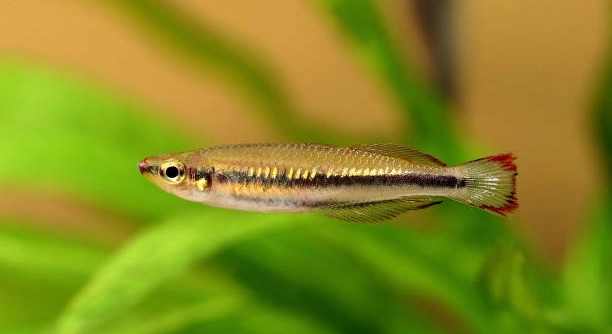
Rainbowfish are colorful, active fish often found in home aquariums. Watching their movements and interactions can be both calming and interesting for anyone who enjoys observing aquatic life closely. Their social nature makes them engaging companions.
Rainbowfish exhibit trust through specific behaviors such as swimming calmly near humans, responding to feeding without fear, maintaining group cohesion, and showing gentle fin movements. These actions indicate comfort in their environment and a positive relationship with their caretakers.
Recognizing these signs can improve the way you interact with your fish. Paying attention to small behaviors helps ensure their well-being and strengthens your connection with them.
Calm Swimming Patterns
Rainbowfish that trust their surroundings often swim with smooth, steady movements. They don’t dart nervously across the tank but instead explore slowly and deliberately. When I first noticed this in my own tank, it was clear which fish felt secure. Calm swimming is usually accompanied by a relaxed body posture and minimal fin clamping. Fish that feel threatened tend to hide behind decorations or freeze in place, but trusting rainbowfish will remain visible and move freely. Observing how they interact with each other is also revealing. They often mirror each other’s movements and maintain a balanced distance, avoiding sudden, erratic shifts. Even during feeding, calm swimmers approach without hesitation. This behavior indicates they recognize their environment as safe and are comfortable in your presence. Monitoring these patterns over time helps identify changes in comfort or health, giving you a clearer picture of their overall well-being.
Calm swimming shows comfort and confidence. It reflects trust in their environment and reassurance around nearby humans or tankmates.
Watching rainbowfish glide smoothly brings a sense of peace and allows closer observation of their natural behaviors. Over weeks, these movements become predictable, and noticing deviations can alert you to stress, illness, or environmental changes. Recognizing calm swimming helps build routines that support their security and encourages consistent care practices, making the tank a stable place where they thrive.
Feeding Behavior
Rainbowfish that trust you approach the food eagerly and without hesitation. They show excitement but do not display frantic or aggressive movements.
Feeding behavior is one of the clearest indicators of trust. Fish that feel safe often swim to the surface or designated feeding areas confidently, waiting patiently while keeping an eye on their surroundings. In contrast, fearful fish may hide until the coast is clear or may only nibble at food sporadically. Observing feeding times closely can reveal subtle differences: some rainbowfish may hover near your hand if you drop food in gently, demonstrating recognition and comfort with your presence. Trusted fish may even seem to follow your movements around the tank, showing curiosity mixed with calm. These actions indicate that they associate feeding times with safety and predictability, which is a cornerstone of trust in captive fish. Consistent feeding routines and minimal sudden changes in tank activity reinforce this trust, helping rainbowfish feel secure, maintain healthy eating habits, and show more natural, relaxed behaviors over time.
Interaction With Tankmates
Rainbowfish that trust their environment interact gently with other fish. They swim close together, share spaces calmly, and rarely show aggressive chasing or nipping.
Observing tankmate interactions reveals much about trust and comfort. Trusted rainbowfish often maintain group cohesion, following each other’s movements without panic or sudden shifts. They may swim side by side or parallel for short periods, showing social bonds that indicate security. In my tank, I noticed that the most confident fish often lead small group movements, exploring corners or inspecting decorations first. Less trusting fish tend to linger behind, only joining when the environment feels safe. This pattern consistently reflects levels of comfort, allowing careful monitoring of stress or dominance. Even subtle gestures, like gentle nudges or shared hovering around feeding areas, signal that the fish feel secure enough to engage socially without fear of conflict.
Consistent observation of interactions with tankmates provides insight into group dynamics and overall trust levels. It helps identify which fish are comfortable, which need attention, and how social harmony develops over time. By noting these behaviors, adjustments in tank setup or population balance can improve safety and reduce stress, ensuring a stable, supportive environment for all rainbowfish.
Response to Human Presence
Rainbowfish that feel secure react calmly to humans near the tank. They may swim closer without hesitation or display mild curiosity, rather than retreating.
Over time, these reactions become more noticeable. Fish that trust humans often recognize familiar movements and approach slowly when you approach the tank or add food. They may hover near your hand or follow your finger along the glass, showing recognition and comfort. Sudden or unexpected movements might startle them briefly, but they generally resume calm behavior quickly. In my experience, maintaining predictable routines and gentle movements strengthens this trust. Fish learn that humans provide food and care rather than danger.
Developing this level of trust requires patience. Consistency in tank maintenance, feeding, and gentle observation helps rainbowfish associate human presence with safety. Fish that initially hide may gradually explore and engage with you, while confident fish often act as indicators for the group, signaling that the environment is secure. Paying attention to these responses not only supports positive human-fish interaction but also reflects overall well-being, giving clear cues about comfort levels and stress management in the tank.
Color and Display
Rainbowfish that trust their environment often display brighter, more vibrant colors. Dull or faded hues can indicate stress or discomfort.
During social interactions or feeding, trusted fish may flare their fins slightly and show subtle shimmering, signaling comfort. This behavior is usually absent in nervous or frightened individuals.
Comfort in Hiding Spots
Trusted rainbowfish use hiding spots calmly without over-relying on them. They retreat briefly but return to open areas quickly.
Observing how fish balance hiding and exploring helps measure trust. Confident fish investigate decorations, swim through plants, and emerge without hesitation. This balance shows they feel secure in their surroundings while still using shelter when needed.
Fin Movements
Gentle, fluid fin movements are signs of trust. Fast or clamped fins often indicate fear or stress.
Synchronized Swimming
Rainbowfish that feel secure often swim in coordinated groups. This behavior reflects social bonds, mutual trust, and a comfortable environment, helping maintain harmony in the tank.
FAQ
How can I tell if my rainbowfish really trusts me?
Trust in rainbowfish shows through calm swimming, steady fin movements, and gentle interactions with both humans and tankmates. Fish that approach food confidently, explore decorations without fear, and hover near your hand are displaying clear signs of comfort and recognition. Over time, these behaviors become more predictable.
Why do some rainbowfish hide constantly?
Hiding can indicate fear, stress, or discomfort with the environment. New fish often need time to adjust, while older fish may hide if tank conditions, water quality, or lighting make them uneasy. Providing plants, rocks, and gentle routines can help them feel secure.
Do rainbowfish show trust differently with humans compared to other fish?
Yes. With humans, trusted rainbowfish may swim closer, follow movements along the glass, or gently approach during feeding. With other fish, they maintain cohesion, swim in parallel, and share spaces without aggression. Both types of behavior indicate comfort but in different social contexts.
Can feeding habits reflect trust levels?
Absolutely. Fish that feel safe eat confidently, hover near food sources, and even interact with your hand if feeding is consistent and gentle. Hesitant nibbling or avoiding food can be a sign of stress or lack of trust, and consistent observation helps identify changes.
Do brighter colors mean more trust?
Often, yes. Rainbowfish that feel secure display more vibrant colors and subtle fin flares. Dull or faded colors can indicate stress or discomfort. Observing color changes over time gives insight into overall health and comfort levels.
How long does it take for rainbowfish to show trust?
It varies by species and individual temperament. Some fish adjust within a few days, while others may take weeks. Patience, gentle routines, and consistent care are essential. Quick, sudden movements or changes in the tank can slow progress.
Does tank setup influence trust?
Absolutely. A well-structured tank with plants, hiding spots, and open swimming areas encourages comfort. Proper water temperature, filtration, and minimal sudden disturbances support a secure environment, which directly affects how quickly and confidently rainbowfish display trust.
Can aggressive tankmates reduce trust?
Yes. Aggressive or overly dominant fish can stress rainbowfish, making them more likely to hide or display defensive behavior. Monitoring group dynamics and adjusting populations or tank structure can help maintain comfort and restore trust over time.
Is it normal for some fish to take longer to trust humans than others?
Yes. Individual temperament matters. Shy or more cautious fish may remain distant even if the environment is ideal. Observing their behavior, offering consistent feeding, and avoiding sudden disturbances helps build trust gradually.
How does synchronized swimming relate to trust?
Synchronized swimming reflects both social cohesion and environmental security. Fish swim together calmly, mirror each other’s movements, and share space without fear. It is a sign that they feel safe and comfortable with their surroundings and tankmates, which is an indirect but reliable indicator of trust.
Can I encourage trust through interaction?
Yes. Gentle, predictable interaction during feeding or maintenance can encourage trust. Avoid sudden movements, loud noises, or abrupt changes. Over time, rainbowfish may approach more closely, explore decorations confidently, and display more natural, relaxed behaviors around you.
How do I know if trust is decreasing?
Signs of reduced trust include hiding more often, clamped fins, dull colors, avoidance during feeding, or erratic swimming. Changes in water conditions, new tankmates, or inconsistent routines often trigger this behavior. Observing these indicators early allows adjustments to restore comfort.
Do rainbowfish communicate trust to each other?
Yes. Calm swimming, gentle fin movements, and group cohesion signal comfort and security to other fish. Trusted individuals often lead group exploration, and hesitant fish follow once they perceive the environment as safe, reinforcing social bonds and mutual trust within the tank.
Are there any long-term benefits to building trust?
Definitely. Trusted rainbowfish are less stressed, more active, and show healthier feeding and swimming behaviors. Strong trust improves overall tank harmony, reduces illness risk, and makes daily observation and care more enjoyable, creating a balanced and secure environment for all fish.
Final Thoughts
Rainbowfish trust is something that develops over time, and it is visible in small, consistent behaviors. Calm swimming, gentle fin movements, and confident interactions with both humans and tankmates all signal that a fish feels secure. Observing these behaviors carefully can give clear insight into how comfortable the fish are in their environment. For instance, rainbowfish that approach food without hesitation or explore decorations calmly are demonstrating that they feel safe. It is important to note that trust is not just about individual behavior. Group dynamics play a key role, as fish that swim in cohesion or follow each other’s movements show confidence and security. Even subtle behaviors, like hovering near your hand during feeding or briefly retreating to a hiding spot and returning quickly, are meaningful signs. Over time, paying attention to these small cues allows you to understand the personality of each fish and recognize which individuals may need more reassurance or adjustments in the tank environment.
Creating a secure and predictable environment is essential for building and maintaining trust. Consistency in feeding routines, gentle movements around the tank, and stable water conditions all contribute to a sense of safety for rainbowfish. Sudden changes, aggressive tankmates, or inconsistent care can quickly reduce trust and make fish more hesitant or stressed. Providing hiding spots, open swimming areas, and proper filtration helps fish feel comfortable, while predictable human interaction encourages them to associate your presence with safety. Personal observation is key—watching the way rainbowfish interact with each other, respond to feeding, and move through their tank allows you to notice patterns and make adjustments as needed. Over time, a well-structured environment combined with patient and consistent care helps rainbowfish feel secure, which in turn leads to more natural and relaxed behavior. Trust does not happen overnight, but with attention and patience, it can develop steadily, making the tank a more harmonious and engaging space.
Building trust with rainbowfish also enhances the enjoyment of keeping them. Fish that feel secure are more likely to display their natural colors, interact socially, and show curiosity about their surroundings. This makes observing them more rewarding and allows a deeper understanding of their behaviors and needs. Even minor improvements in trust can result in noticeable changes in activity levels, feeding habits, and social cohesion within the group. It is important to remember that each fish is an individual, and some may take longer than others to develop comfort with both their environment and humans. Patience, consistency, and careful observation are the most effective tools for fostering trust. By focusing on these elements, the overall health and happiness of the rainbowfish can be supported, creating a balanced and secure habitat. Over time, the connection between caretaker and fish strengthens, resulting in a tank that is both lively and harmonious, where the behaviors of each rainbowfish reflect confidence, comfort, and trust in their environment.

Hello,
If you enjoy the content that we create, please consider saying a "Thank You!" by leaving a tip.
Every little bit helps us continue crafting quality advice that supports the health, happiness, and well-being of pets around the world, for pets of all shapes, sizes, and species.
We really appreciate the kindness and support that you show us!