
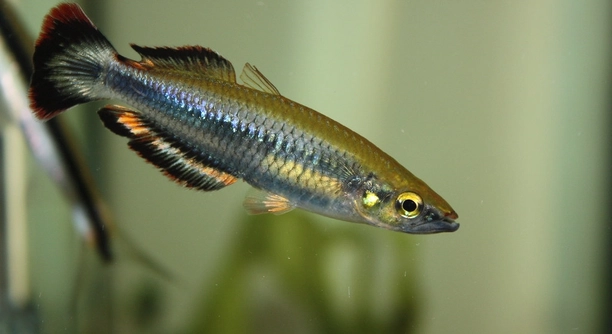
Keeping rainbowfish can be a joyful hobby, but even small mistakes in their tank setup can cause stress and health problems. Many new fish owners overlook details that significantly impact their fish’s well-being. Proper care starts with understanding these basics.
Rainbowfish often suffer from preventable issues due to incorrect tank setup. Common mistakes include poor water quality, overcrowding, inadequate filtration, insufficient hiding spots, and improper temperature or lighting. Addressing these factors is crucial for their health and longevity.
Learning how to avoid these pitfalls can make a big difference. By adjusting your setup, you create a safer and more comfortable environment for your rainbowfish.
Overcrowding the Tank
When I first set up my rainbowfish tank, I didn’t realize how easy it is to add too many fish. Overcrowding makes the water dirty quickly and raises stress levels. Fish start swimming erratically and may hide more often. Each rainbowfish needs space to move freely, usually at least a gallon of water per inch of fish. Overcrowding also increases the risk of disease, as pathogens spread faster in tight spaces. Even a few extra fish can upset the balance, making your tank harder to maintain. Regular water testing helps, but prevention is always better. I learned that adding fewer fish at first lets you see how they adapt. Plants and decorations provide hiding spots, but they can’t replace enough swimming space. A well-spaced tank keeps your rainbowfish active, vibrant, and healthy.
Keeping too many rainbowfish in one tank leads to stress, aggression, and health problems. Proper stocking density supports natural behavior and overall survival.
Adjusting the number of fish and providing adequate space transforms the tank. Watching them swim calmly shows how important proper stocking is. It also makes maintenance simpler and keeps water quality stable.
Improper Filtration
Poor filtration can quickly turn a rainbowfish tank unsafe. Weak filters don’t remove enough waste, and strong filters may create currents that tire fish. Water can become cloudy or develop an unpleasant smell, stressing the fish. Without proper filtration, ammonia and nitrite levels rise, causing sickness. Regular filter cleaning and replacement help maintain balance, but choosing the right type for your tank size is key. Some filters work better for small tanks, while larger setups need canisters or hang-on-back units. I found that combining mechanical and biological filtration ensures both debris removal and healthy bacteria growth. A clear, odorless tank usually means the filter is working well. Additionally, the filter’s flow should match your rainbowfish species’ needs, as strong currents can make them hide constantly. Investing in a reliable filter saves time and keeps your fish healthy over months and years.
Filtration affects water quality, fish health, and tank maintenance efficiency.
Using proper filtration makes the tank easier to manage. It prevents spikes in harmful chemicals, keeps water clean, and allows rainbowfish to swim naturally. Paying attention to flow and maintenance ensures a stable, safe environment.
Incorrect Water Temperature
Rainbowfish are sensitive to temperature changes. Keeping the tank too cold or too warm affects their appetite, energy, and immune system. A stable temperature between 74°F and 78°F works best for most species. Sudden shifts can make them stressed or sick.
I learned the importance of a reliable heater after noticing my rainbowfish acting sluggish. Temperature fluctuations slowed their swimming and reduced feeding. Using a digital thermometer and adjusting the heater gradually kept the water steady. Even small changes of a few degrees can trigger stress behaviors. Consistent temperature encourages natural activity, proper digestion, and stronger immunity. Avoid placing the tank near windows or vents, as external drafts can quickly alter water temperature. Monitoring daily helped me prevent problems before they became serious. A stable, warm environment keeps rainbowfish healthy and reduces the chance of disease outbreaks.
Temperature control also affects breeding and color vibrancy. Healthy, colorful fish swim more actively and show natural behaviors, which reflects a properly managed tank.
Overlooking Water Quality
Neglecting water changes allows toxins to build up quickly. High ammonia, nitrite, and nitrate levels damage gills and stress rainbowfish. Weekly partial water changes of 25-30% maintain balance and reduce harmful chemicals. Testing water regularly ensures safe conditions.
I used to underestimate the importance of clean water. Even with a filter, waste and leftover food accumulated, clouding the water and stressing the fish. After setting a strict schedule for water changes, I noticed my rainbowfish swimming energetically and showing brighter colors. Water quality directly impacts health, immunity, and behavior. Using a test kit daily at first helped me understand fluctuations and correct problems immediately. Over time, maintaining clarity became easier, and the tank environment remained stable. Plants also help absorb some toxins, but they cannot replace proper water maintenance. Consistency in care prevents long-term damage and keeps rainbowfish thriving.
Using the Wrong Substrate
The substrate affects water quality and fish behavior. Sharp or rough gravel can injure rainbowfish, while fine sand supports natural swimming. Choosing the right substrate also helps plants grow and reduces trapped waste.
I switched to smooth sand after noticing my rainbowfish scraping themselves on coarse gravel. The change improved their activity and reduced stress. A proper substrate creates a safe, natural-feeling environment that encourages healthy behavior and keeps the tank easier to clean.
Lack of Hiding Spots
Rainbowfish need places to hide to feel secure. Without plants, rocks, or decorations, they may stay at the bottom or hide constantly.
Providing sufficient cover reduces stress and encourages natural swimming. I added floating plants and small caves, which instantly improved their confidence. Hiding spots also allow shy individuals to feed without competition and help during aggression or territorial disputes. Regularly rearranging these areas keeps the tank interesting and allows fish to explore safely, enhancing their overall well-being.
Poor Lighting
Lighting impacts rainbowfish health and colors. Too bright or dim lights can stress fish or cause algae overgrowth. Proper lighting supports natural behavior and plant growth, creating a balanced tank environment.
Ignoring Tank Maintenance
Regular cleaning prevents buildup of debris, uneaten food, and algae. Neglecting this leads to unhealthy water and stressed fish. Simple maintenance routines save time and protect rainbowfish health.
What is the ideal tank size for rainbowfish?
The tank size depends on the number and species of rainbowfish. Most rainbowfish need at least 20 gallons for a small group, but larger species or more fish require more space. I started with a 30-gallon tank for six fish, which gave them plenty of room to swim and reduce stress. A bigger tank also helps maintain stable water conditions and makes maintenance easier. Overcrowding can lead to aggression and health problems, so giving your fish enough space is essential for their well-being.
How often should I change the water?
Water changes are crucial for rainbowfish health. I do partial water changes of about 25-30% every week. This keeps ammonia, nitrite, and nitrate levels low. Even with a good filter, leftover food and fish waste can build up and harm your fish. Regular water changes prevent cloudy water, improve oxygen levels, and reduce stress. Testing the water weekly helps you know when adjustments are needed. Consistency is more important than doing a large change occasionally. Smaller, regular changes maintain a stable environment and keep rainbowfish active and colorful.
What temperature is best for rainbowfish?
Rainbowfish thrive in water between 74°F and 78°F. I noticed that when the temperature dropped below this range, my fish became sluggish and less active. Using a reliable heater and a thermometer helps maintain stability. Sudden fluctuations stress rainbowfish and can trigger illness. Keep the tank away from vents or windows where drafts can change the temperature quickly. Some species tolerate slightly higher or lower temperatures, but staying within the recommended range ensures good health, proper feeding, and natural behavior. Consistent warmth also supports immune system function.
What do rainbowfish eat?
Rainbowfish are omnivores and enjoy a variety of foods. I feed a mix of high-quality flakes, frozen foods, and occasional live treats like brine shrimp. A varied diet keeps them healthy, colorful, and active. Avoid overfeeding, as leftover food pollutes the water. Feeding small amounts two to three times daily works best. Observing how quickly they eat helps prevent waste. Supplements like spirulina or vegetable-based foods improve color and vitality. Balanced nutrition ensures growth, strengthens immunity, and reduces disease risks. Proper feeding habits also make maintenance easier.
Do rainbowfish need other fish companions?
Rainbowfish are social and do better in groups of at least six. I noticed that my fish swam more confidently and showed brighter colors when kept together. They are peaceful, so tank mates should also be non-aggressive. Avoid large or territorial species that might bully them. Adding compatible fish enhances activity levels and reduces stress. Schools provide safety and natural schooling behavior, which encourages healthy interaction and reduces hiding. Observing the group helps you know if the tank population is balanced.
How often should I clean the tank?
I clean my tank lightly every week, removing debris, checking the filter, and trimming plants. A thorough cleaning once a month helps prevent algae buildup and keeps the water clear. Neglecting maintenance causes stress and health issues for rainbowfish. Regular cleaning also allows me to inspect fish for disease or injuries. Consistency keeps the tank environment stable, safe, and visually appealing. Combining cleaning with water changes maintains overall water quality and supports fish well-being.
How do I prevent disease in rainbowfish?
Maintaining clean water, proper temperature, and a balanced diet prevents most diseases. I quarantine new fish for two weeks before adding them to the main tank. Observing behavior daily helps catch early signs of illness. Stress from overcrowding or poor water quality weakens immunity. Using a well-maintained filter and providing hiding spots reduces risk. If signs of disease appear, isolating affected fish and treating immediately improves recovery. Prevention through proper care is far easier than curing serious illnesses. Consistent attention keeps rainbowfish healthy for years.
Can rainbowfish live with plants?
Yes, rainbowfish do well with live plants. I added Java fern and floating plants, which provide hiding spots and improve water quality. Plants reduce stress, absorb some toxins, and encourage natural behavior. They also enhance the tank’s appearance and provide areas for resting and exploring. Choosing sturdy plants prevents damage from active swimming. Maintaining plant health with proper lighting and occasional trimming ensures they continue to benefit the rainbowfish. Plants and decorations together create a comfortable, natural environment that supports well-being and activity levels.
What type of lighting is best?
Moderate lighting is ideal for rainbowfish. I use lights that mimic natural daylight for 8-10 hours daily. Too bright lighting stresses the fish, while dim lighting slows activity and affects plant growth. Proper lighting enhances color, encourages normal behavior, and supports plant health. Using a timer keeps a consistent day-night cycle, which helps reduce stress. Adjusting intensity depending on tank setup and plant type ensures a balanced environment. Natural rhythms combined with moderate light improve rainbowfish vitality, activity, and overall tank stability.
How do I introduce new fish safely?
Quarantining new fish is essential. I keep new arrivals in a separate tank for two weeks, observing for illness. Gradual acclimation to temperature and water chemistry reduces stress. Slowly releasing fish into the main tank prevents sudden changes that can shock rainbowfish. I float the bag in the tank for 15-20 minutes, then add small amounts of tank water before full release. Proper introduction helps maintain health, prevents disease spread, and keeps the community peaceful. Careful observation after introduction ensures everyone adjusts well to the tank environment.
Caring for rainbowfish requires attention to several key aspects of tank setup. From the right tank size and water quality to proper filtration and temperature control, each element plays a role in keeping your fish healthy. I have noticed that even small oversights can affect behavior, appetite, and overall well-being. Overcrowding, poor water conditions, or inadequate hiding spots quickly lead to stress, which then impacts immunity and coloration. Paying attention to these factors from the beginning makes maintaining a tank much easier and helps your rainbowfish thrive over time.
Diet and feeding habits are equally important in ensuring rainbowfish health. A balanced mix of flakes, frozen foods, and occasional live treats keeps them active and colorful. Overfeeding can pollute the tank, while underfeeding slows growth and reduces energy levels. I found that feeding small portions multiple times a day works best for both the fish and the tank. Supplements like spirulina or vegetable-based foods can also enhance color and vitality. Observing how your rainbowfish respond to feeding helps you adjust portions and types of food, which directly affects their health and longevity.
Regular maintenance is the foundation of a stable tank environment. Water changes, filter cleaning, and monitoring temperature prevent common issues such as stress, disease, and poor coloration. Introducing plants and decorations provides hiding spots, reduces stress, and improves water quality naturally. Consistency is crucial; I learned that even occasional neglect can lead to problems that take weeks to correct. By creating a balanced environment and keeping up with daily and weekly care routines, rainbowfish remain active, healthy, and vibrant. This approach ensures a safe and comfortable habitat that supports both the physical and behavioral needs of your fish.

Hello,
If you enjoy the content that we create, please consider saying a "Thank You!" by leaving a tip.
Every little bit helps us continue crafting quality advice that supports the health, happiness, and well-being of pets around the world, for pets of all shapes, sizes, and species.
We really appreciate the kindness and support that you show us!