
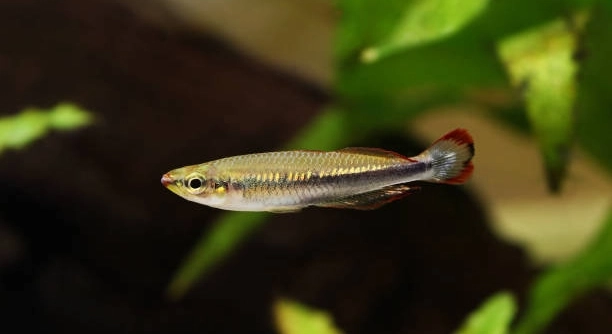
Many aquarium owners enjoy the vibrant colors of rainbowfish but struggle with their naturally shy behavior. These fish often hide in corners and avoid interaction, making it difficult to appreciate their full beauty and personality.
The most effective method to tame a shy rainbowfish involves creating a consistent, calm environment. Gradually introducing your presence, offering regular feeding at predictable times, and minimizing sudden changes reduces stress and encourages the fish to become more comfortable and interactive.
Building trust with your rainbowfish takes patience and care, but with consistent effort, they can gradually become more confident around you. Observing their behavior and adapting your approach ensures lasting results.
Understanding Rainbowfish Behavior
Rainbowfish are naturally cautious, often retreating when they sense movement or loud sounds. They thrive in stable environments with plenty of hiding spots like plants and decorations. Observing their patterns can help you identify when they are stressed or curious. Feeding them at the same times each day builds familiarity. Over time, fish begin to recognize human presence as a routine, reducing fear. They respond best to slow, calm movements and gentle gestures. Sudden changes in lighting or temperature can make them retreat for hours. Keeping the tank clean and maintaining proper water conditions ensures they feel secure. The interaction is subtle, relying on consistency rather than force. Patience is key, and even small signs of approach or investigation indicate progress. Understanding these behaviors allows you to adapt your care approach, making it easier for shy rainbowfish to feel comfortable and gradually engage more with their environment. Observing quietly is often more effective than trying to provoke interaction.
Patience and consistency in daily routines are essential for helping rainbowfish feel safe and start exploring their surroundings.
Every interaction counts when working with shy rainbowfish. Even brief moments of eye contact or movement toward the food can signal growing trust. Over weeks, they start swimming closer during feeding, showing comfort in your presence. Providing multiple hiding spots helps them feel secure while still observing. Avoid overcrowding the tank, as stress can reverse progress. Using slow hand movements when feeding or cleaning reduces fear and encourages them to approach. Recognizing subtle changes in their behavior, like slightly faster swimming or reduced hiding, helps track progress. Gradual exposure to light and noise also contributes to taming. Each fish has its own pace, and adapting to their comfort level is crucial. Documenting observations can help identify patterns that improve interaction. Small steps like hand-feeding or sitting quietly by the tank can build trust. Over time, these methods allow rainbowfish to feel safe and develop a calmer, more engaging demeanor. Consistency in these efforts ensures long-term success.
Feeding Strategies for Shy Rainbowfish
Feeding at predictable times helps rainbowfish feel secure and reduces stress. Consistency encourages them to come out more often.
Offering a variety of high-quality flakes, pellets, and occasional live food ensures a balanced diet while making mealtime engaging. Begin by placing food at the edge of hiding spots, gradually moving it closer to open areas. Hand-feeding can be introduced once they show comfort with your presence. Small portions several times a day prevent competition stress and keep shy fish from hiding. Observing how each fish reacts to different foods helps tailor feeding to their preferences, enhancing their willingness to explore. Proper nutrition also improves coloration and energy, making rainbowfish more visible and interactive. Avoid overfeeding, as leftover food can pollute the tank, affecting water quality and behavior. Mixing types of food maintains interest and stimulates natural foraging behaviors, which encourages movement and confidence. With patience, these feeding techniques not only improve their health but also foster a stronger connection between you and the fish.
Tank Setup and Environment
A well-structured tank gives shy rainbowfish places to hide and explore. Plants, rocks, and gentle currents make them feel secure while encouraging natural movement. Open swimming areas combined with shelters create balance, helping fish gradually become more confident in the tank.
Providing a layered environment with tall plants in the back and shorter ones in the front encourages exploration. Floating plants offer shaded areas that reduce stress, while smooth rocks and driftwood create natural hiding spots. Avoid overcrowding, as too many fish increase stress and reduce individual space. Maintaining stable water temperature, pH, and filtration ensures they feel safe. A calm, predictable environment allows rainbowfish to exhibit natural behaviors, gradually improving their comfort with surroundings. Proper lighting helps display their colors without startling them. Every detail of the setup impacts their confidence, making consistency in tank maintenance important for taming shy individuals.
Placement of decorations should allow clear swimming paths while giving access to shelters. Shy rainbowfish use hiding spots to observe surroundings without feeling threatened. Plants, driftwood, and rocks not only provide security but also mimic their natural habitat. Adjusting the arrangement over time encourages curiosity while avoiding sudden changes. Open areas near feeding points help fish associate human presence with food, reducing fear. Observing how they interact with the setup allows gradual tweaks that enhance comfort. A balanced tank supports their health, encourages natural movement, and creates conditions for gradual taming. Patience and careful planning in tank design are essential for shy rainbowfish to gain confidence and engage more actively.
Interaction Techniques
Slow, consistent hand movements build familiarity and reduce stress. Approaching the tank gradually without sudden gestures encourages fish to observe calmly.
Sitting quietly near the tank during feeding or maintenance allows rainbowfish to associate your presence with safety. Repeated exposure over days and weeks builds recognition and trust. Avoid tapping the glass or making loud noises, which can reverse progress. Small rewards like hand-delivered food reinforce positive interactions, and maintaining eye-level contact helps them feel less threatened. Observing individual fish responses ensures your approach is adjusted to their comfort level, promoting gradual socialization.
Introducing a routine of short interaction sessions several times a day helps rainbowfish adjust. Start with just a few minutes of calm presence, then slowly increase. Using soft lighting and minimizing distractions during these periods enhances comfort. Encourage exploration by gently placing food near the front of the tank. Avoid forcing interaction, as shy fish respond better to patience than pressure. Each fish may progress differently, so observing subtle changes in movement, hiding behavior, or approach speed is essential. Over time, consistent routines combined with positive reinforcement can transform nervous individuals into confident, interactive rainbowfish.
Gradual Socialization
Start by spending short periods near the tank daily. Calmly observing without sudden movements helps rainbowfish recognize your presence as non-threatening.
Introducing small gestures like gently moving your hand near the water surface encourages curiosity. Over time, they begin approaching without fear, responding to consistent interaction.
Consistency in Care
Maintaining a predictable feeding schedule and regular tank maintenance is crucial. Shy rainbowfish become more confident when routines remain steady, reducing stress and building trust. Observing them daily helps spot changes in behavior and adjust care appropriately. Consistency supports long-term taming success.
Reducing Stress Factors
Minimizing loud noises, sudden movements, and rapid lighting changes keeps rainbowfish calm. Stress reduction is essential for encouraging shy fish to explore, feed, and interact more comfortably.
FAQ
How long does it take to tame a shy rainbowfish?
The time needed varies with each fish. Some may become more comfortable within a few weeks, while others take several months. Factors like tank environment, consistency in feeding, and gentle interaction all influence progress. Patience and careful observation are essential for success.
Can I hand-feed shy rainbowfish?
Yes, but only after they start showing comfort with your presence. Begin by placing food near hiding spots, then gradually move it closer to open areas. Once they approach without fear, you can offer food from your hand. Consistency and calm movements are key to encouraging interaction.
What are the best foods to encourage confidence?
A mix of high-quality flakes, pellets, and occasional live food works well. Live or frozen foods like brine shrimp stimulate natural foraging instincts, helping shy rainbowfish explore more. Small, frequent meals reduce competition and encourage fish to leave hiding spots. Variety also keeps their interest and supports overall health.
Should I tap the glass to get them out?
No, tapping or sudden movements can frighten shy rainbowfish, reversing progress. Calm, slow approaches build trust much more effectively. Observing from a distance at first allows fish to notice you without stress, gradually increasing their comfort over time.
How do I know if my rainbowfish is stressed?
Signs of stress include hiding constantly, erratic swimming, clamped fins, and loss of appetite. Pale or dull coloration can also indicate discomfort. Addressing environmental issues, like water quality, overcrowding, or inconsistent lighting, helps reduce stress and encourages shy fish to explore.
Can tank mates affect taming?
Yes, aggressive or overly active fish can make shy rainbowfish retreat more often. Peaceful tank mates and adequate space for each fish help maintain calm conditions. Observing interactions allows adjustments to improve the overall environment and reduce fear.
Is it okay to change the tank layout to encourage interaction?
Small, gradual changes are helpful. Rearranging plants or decorations slightly can encourage exploration. Avoid drastic moves that remove all hiding spots, as this can stress the fish. Maintain a balance between shelter and open swimming areas to build confidence.
How often should I interact with shy rainbowfish?
Daily short sessions work best. Spending a few minutes observing and feeding gently helps fish recognize routines. Avoid forcing interaction, as pressure can cause fear. Consistent presence and predictable care create a safe environment that supports taming.
Do rainbowfish respond to my voice?
They may notice vibrations from your voice but cannot understand words. Gentle talking can help them associate your presence with calm activity. Avoid shouting or sudden loud noises, as it may frighten them and make taming more difficult.
Can shy rainbowfish ever become fully confident?
Yes, with patience and consistent care, many rainbowfish learn to explore the tank freely and approach during feeding. Each fish is different, and some may always retain a cautious nature. Celebrating small progress ensures a positive approach to long-term success.
What if progress stalls?
If a fish stops approaching, review environmental factors and stressors. Ensure stable water conditions, proper nutrition, and minimal disturbances. Slow adjustments and continued calm interaction usually help shy rainbowfish regain trust and continue progressing toward confidence.
Are there any tools to help tame them?
Using feeding sticks or tweezers for hand-feeding allows control while keeping distance. Mirrors or gentle reflections sometimes spark curiosity, encouraging fish to move forward. Tools should support gradual interaction, never replace consistent presence and careful observation.
How important is water quality for taming?
Extremely important. Poor water conditions increase stress, making shy rainbowfish hide more and resist interaction. Regular testing and maintenance of temperature, pH, and cleanliness create a secure environment where taming efforts can succeed. Stable water quality supports both health and confidence.
Can I use lighting to encourage them out of hiding?
Soft, consistent lighting works best. Bright sudden lights can cause stress, while dimmed areas or gradual changes help them explore naturally. Balance lighting to mimic natural conditions, providing both shaded and open areas in the tank.
Should I touch the water to get them used to me?
Slowly moving your hand near the surface can help once the fish show comfort, but avoid sudden immersion. Gentle presence allows them to associate human contact with safety and feeding, encouraging approach without causing stress.
What signs indicate taming is successful?
Rainbowfish swimming freely, approaching during feeding, and showing relaxed fins indicate progress. Observing curiosity, active foraging, and reduced hiding behavior shows they feel secure and are adapting to interaction consistently. Small improvements signal long-term success.
Final Thoughts
Taming a shy rainbowfish is a process that relies heavily on patience and consistency. These fish are naturally cautious and need time to feel safe in their environment. Providing a calm, stable tank with plenty of hiding spots allows them to explore at their own pace. Gradually, they begin to associate your presence with safety and food, which reduces their fear. Simple steps, like feeding at predictable times, avoiding sudden movements, and maintaining good water quality, have a significant impact on their comfort levels. Even small signs of curiosity or approach indicate progress, showing that your efforts are helping them feel secure. Every rainbowfish is different, so it is important to respect their individual pace rather than forcing interaction, which can lead to stress and setbacks. Consistency in your actions creates a predictable routine that helps shy fish gradually open up.
Observing your rainbowfish closely is essential for understanding their behavior and adjusting your approach. Changes in swimming patterns, fin position, or color can indicate stress or comfort. Keeping a watchful eye allows you to identify what encourages them to leave hiding or what causes them to retreat. Simple environmental adjustments, like adding more plants or rearranging decorations slightly, can make a big difference in their willingness to explore. Feeding strategies also play a role in building trust. Offering a variety of foods in small, frequent portions helps them feel secure and keeps their interest in interacting with their surroundings. Hand-feeding can be introduced once they start recognizing your presence, but it should always be done calmly and gradually. Recognizing each small milestone, like approaching the front of the tank during feeding, reinforces that your consistent care is effective and encouraging.
The process of taming shy rainbowfish also strengthens the connection between you and your fish. While they may never become overly bold, they can learn to move freely, interact during feeding, and respond to calm human presence. Every positive interaction builds confidence, and over time, shy rainbowfish can show more of their natural colors and active behavior. Maintaining a peaceful, consistent environment is key to sustaining this progress. Understanding their behavior, reducing stress factors, and providing gentle, predictable care ensures long-term comfort and trust. By committing to patience, observation, and consistent routines, shy rainbowfish can gradually transition from hiding in the background to exploring their tank with curiosity. This approach creates a healthier, more engaging environment where the fish can thrive, making the effort of taming them a rewarding experience.

Hello,
If you enjoy the content that we create, please consider saying a "Thank You!" by leaving a tip.
Every little bit helps us continue crafting quality advice that supports the health, happiness, and well-being of pets around the world, for pets of all shapes, sizes, and species.
We really appreciate the kindness and support that you show us!