
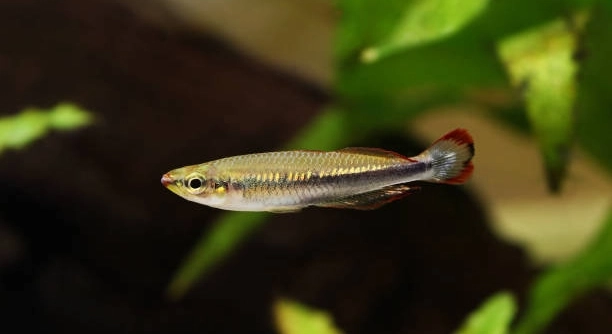
Have you ever watched rainbowfish swimming together and wondered how they interact with each other? These colorful freshwater fish are often seen in groups, moving in harmony through their aquatic environment with remarkable coordination.
Rainbowfish do communicate with each other through a combination of body movements, color displays, and subtle changes in positioning. These behaviors help establish social hierarchies, coordinate schooling, and signal potential threats or mating readiness within their groups.
Observing these behaviors closely can reveal surprising details about their social structure and interactions in aquariums or natural habitats.
How Rainbowfish Use Colors
Rainbowfish often change their colors to communicate with one another. These shifts can indicate dominance, readiness to mate, or even stress. Males, in particular, display brighter colors during courtship to attract females. Subtle changes in hue and intensity help fish recognize each other and understand social roles within the group. Observing a school of rainbowfish, you might notice that individuals in higher-ranking positions show more vivid patterns, while lower-ranking ones appear more muted. Color displays can also act as warnings when a fish feels threatened, signaling to others to keep their distance. Juvenile fish often mimic adult colors to learn social behavior and find their place in the hierarchy. In addition, environmental factors like lighting and water quality can affect how these colors appear, subtly influencing communication. By paying attention to these visual signals, aquarists can better understand their fish’s interactions and ensure a healthy, balanced tank.
Color changes are often rapid, precise, and carry meaningful social information.
Understanding these signals provides insight into their behavior and helps maintain harmony within aquarium groups.
Body Language and Movements
Rainbowfish rely heavily on body movements to communicate with one another.
Small adjustments in swimming speed, fin positions, or orientation convey messages about territory, stress, or mating interest. For example, a fish might flare its fins to assert dominance or swim in tight formations to coordinate schooling. These movements are often paired with color changes, creating a complex communication system. When a threat appears, rainbowfish may dart quickly together, signaling alarm while maintaining group cohesion. During mating, males perform subtle dances or follow females closely to indicate interest, and females respond with corresponding movements to signal acceptance or rejection. Even minor body tilts or shifts in positioning help fish navigate social hierarchies without direct conflict. Observing these interactions reveals that rainbowfish behavior is highly structured, with each movement carrying a specific meaning. Over time, fish learn to interpret these signals accurately, allowing them to interact efficiently and maintain peaceful coexistence within their group. These movements are essential for survival, reproduction, and social stability.
Sound and Vibrations
Rainbowfish produce subtle sounds and vibrations to communicate, though these are often difficult for humans to detect. These signals can indicate stress, mating readiness, or territorial claims within the group.
These fish use water vibrations generated by body movements and fin flicks to send messages. While the sounds are faint, they carry important information to nearby fish. During mating, vibrations may help males attract females by signaling their presence and fitness. In stressful situations, such as the presence of predators, vibrations alert others to potential danger. Even slight changes in swimming patterns create pressure waves that fish can sense with their lateral lines. This sensory system allows rainbowfish to interpret vibrations accurately and respond quickly. Vibrational communication is often paired with visual signals, creating a layered system that ensures messages are clearly understood.
Researchers continue to study the role of sound in rainbowfish behavior, revealing its importance in maintaining group cohesion and coordinating movement. Observing these cues can deepen understanding of their complex social interactions and improve aquarium management practices.
Social Interactions in Groups
Rainbowfish interact constantly, forming tight social networks to maintain safety and cooperation. Their interactions include chasing, nipping, or synchronized swimming patterns that strengthen group bonds.
Social behavior is essential for survival. Fish in larger groups have better protection against predators because coordinated movements make it harder for attackers to target individuals. Within groups, dominant individuals often lead while others follow, establishing a hierarchy that minimizes conflict. Subordinate fish may show submission through subtle postures or muted coloration, avoiding direct challenges. Group members communicate their intentions through fin displays, body angles, and positioning, allowing them to coordinate movement, find food efficiently, and reproduce successfully. Interaction also provides learning opportunities, as younger fish observe and mimic the behaviors of older, more experienced individuals. These dynamics are vital for maintaining harmony and ensuring each fish understands its role within the community. Proper group management in aquariums can help replicate these natural interactions and support healthy social behavior.
Coordination in Schools
Rainbowfish swim in schools to stay safe and communicate through movement. Tight formations allow them to signal danger quickly and maintain group cohesion.
Synchronized swimming helps fish coordinate feeding and avoid predators. Small shifts in speed or direction inform others about changes in the environment, keeping the group organized and alert at all times.
Feeding Behavior Signals
Rainbowfish use subtle cues to communicate about food. Quick movements, nudges, or positioning indicate the presence of food to nearby fish. This coordination reduces competition and ensures more efficient feeding. School members learn to recognize these signals, allowing them to respond quickly and secure their share of resources.
Reproductive Communication
During breeding, males display bright colors and perform precise swimming patterns to attract females. These signals help females select suitable partners based on health and vitality, ensuring successful mating within the group.
Stress and Alarm Signals
Rainbowfish signal stress or danger through rapid movements, fin flaring, and changes in coloration. These visual cues alert nearby fish, prompting coordinated escape responses and increasing overall group safety.
FAQ
How do rainbowfish show dominance in a group?
Rainbowfish establish dominance primarily through visual signals and body movements. Males often display brighter colors and flare their fins to assert their position. Subordinate fish respond with muted coloration or submissive postures to avoid conflict. Rapid swimming or chasing can also reinforce hierarchy within the group.
Can rainbowfish communicate without color changes?
Yes, rainbowfish use multiple methods beyond color. Body movements, swimming patterns, and vibrations in the water convey messages about stress, territory, or mating intentions. Even subtle fin flicks or shifts in positioning help other fish interpret their social intentions.
Do rainbowfish use sounds to communicate?
Rainbowfish can produce faint sounds and vibrations that are mostly undetectable to humans. These signals travel through water and are picked up by the lateral line system, helping fish sense nearby movements, detect danger, or coordinate schooling behavior.
Why do rainbowfish school together?
Schooling provides safety and helps with communication. Fish in schools can coordinate movements, quickly signal danger, and maintain social structure. Synchronized swimming patterns also help them find food efficiently while reducing the risk of predation.
How do rainbowfish communicate during feeding?
When feeding, rainbowfish use body movements and positioning to indicate the presence of food. Nudges or quick directional changes inform others, minimizing competition and helping the group feed more effectively. Younger fish learn these cues by observing experienced group members.
What role does vibration play in their communication?
Vibrations are a subtle but important form of communication. Small movements in water create pressure waves detected by nearby fish. These signals alert others to predators, changes in movement, or mating activity, ensuring quick responses and group coordination.
How do rainbowfish signal stress?
Stress is indicated through rapid darting, fin flaring, and color changes. Fish may also isolate themselves or change swimming patterns. Nearby fish recognize these cues, often triggering escape or defensive behaviors to increase group safety.
Do males communicate differently than females?
Males often use brighter colors and more exaggerated movements to attract mates and assert dominance. Females communicate more subtly through body positioning, color shifts, and selective responses, helping maintain group harmony and supporting successful breeding.
How do rainbowfish communicate during mating?
Mating involves a combination of visual and behavioral signals. Males display vivid colors and swim in precise patterns to indicate interest. Females respond with acceptance or rejection signals through movement and positioning, guiding the reproductive process without direct conflict.
Can rainbowfish recognize individual fish?
Rainbowfish can distinguish between familiar and unfamiliar group members using color patterns and body movements. Recognition helps maintain social hierarchies, coordinate schooling, and reduce unnecessary aggression, creating a stable and balanced social environment.
Do environmental factors affect communication?
Yes, lighting, water clarity, and tank size influence how signals are perceived. Poor lighting or turbid water can obscure color cues, while small tanks may limit space for movement-based communication. Ensuring optimal conditions allows rainbowfish to express natural behaviors effectively.
How can observing communication improve aquarium care?
Noticing how rainbowfish interact helps identify stress, illness, or social imbalance. By understanding their visual, vibrational, and behavioral signals, aquarists can adjust tank conditions, group composition, or feeding practices to support healthy, harmonious communities.
Is communication between rainbowfish always obvious?
Many signals are subtle, like minor fin flicks or slight color changes. Close observation is necessary to understand social dynamics fully. Over time, patterns become easier to recognize, revealing the complex interactions within a group.
Can rainbowfish communicate with other species?
While most signals are species-specific, some visual or vibrational cues can be noticed by other fish, particularly schooling species. However, these interactions are less precise and rarely convey the full range of messages seen within rainbowfish groups.
How do young rainbowfish learn communication?
Juveniles observe older fish and mimic their behaviors. They learn to interpret color displays, body movements, and schooling cues, gradually understanding social hierarchy, feeding signals, and mating behaviors to integrate successfully into the group.
Rainbowfish are fascinating creatures, not just because of their bright colors but also because of the ways they interact with each other. Their communication methods are varied and often subtle, involving colors, body movements, vibrations, and even minor changes in positioning. Each of these signals carries meaning, helping fish coordinate with one another and maintain order within their group. For example, color changes are not just for display; they indicate dominance, mating readiness, or stress levels. Body movements, such as swimming in tight formations or flaring fins, allow fish to establish social hierarchies without direct conflict. Vibrations through the water and subtle sounds, though difficult for humans to detect, play an important role in signaling danger, alerting group members, or coordinating activities. Observing these behaviors closely provides insight into their social dynamics and shows just how intelligent and responsive these fish can be. Even the youngest rainbowfish gradually learn how to communicate by watching older members, highlighting the importance of social learning in their development.
In addition to understanding their communication, recognizing these signals is essential for maintaining a healthy aquarium environment. When fish are stressed, their behavior changes, and they may use rapid movements, color shifts, or fin displays to warn others. Paying attention to these cues allows aquarists to respond appropriately, whether that means adjusting water conditions, separating aggressive individuals, or ensuring adequate space and hiding spots. Rainbowfish also use communication during feeding and breeding, which can affect how successfully they reproduce or share resources. Coordinated schooling, subtle nudges, and position changes help the group feed efficiently without unnecessary conflict. Similarly, courtship behaviors, like swimming patterns and color displays, signal readiness for mating. Understanding these behaviors helps maintain harmony within a tank, allowing the fish to thrive socially, physically, and reproductively. By recognizing the significance of these signals, it becomes easier to create an environment that meets both their biological and social needs.
Ultimately, the study of rainbowfish communication emphasizes that even small fish can have complex social interactions. They rely on multiple methods to convey messages, each suited to a particular context or purpose. Visual signals like color changes, combined with body movements, vibrations, and social learning, create a rich communication system that supports group cohesion, survival, and reproduction. For aquarists, observing and interpreting these behaviors provides not only a deeper appreciation for the species but also practical insights into care and management. Rainbowfish remind us that communication in animals does not always require sound or speech; subtle gestures, colors, and movements can be just as effective. Recognizing these patterns allows fish to interact naturally, forming stable social structures while navigating challenges in their environment. By paying attention to these cues, it becomes clear that rainbowfish are far more socially sophisticated than they might first appear, making them both rewarding to observe and fascinating to study.

Hello,
If you enjoy the content that we create, please consider saying a "Thank You!" by leaving a tip.
Every little bit helps us continue crafting quality advice that supports the health, happiness, and well-being of pets around the world, for pets of all shapes, sizes, and species.
We really appreciate the kindness and support that you show us!