
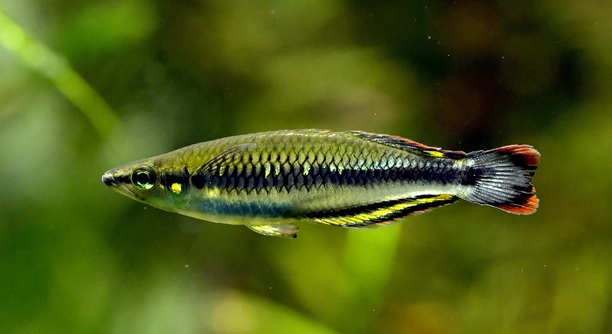
Have you ever watched your rainbowfish closely and wondered if small changes in their behavior signal something important? Noticing these subtle shifts can help you better understand their needs and stay connected to your aquarium.
Rainbowfish show clear breeding indicators through enhanced coloration, intensified group interactions, and deliberate courtship movements. These behavioral and physical changes reflect hormonal shifts that prepare pairs for spawning, offering observable patterns that signal reproductive readiness within a controlled freshwater environment.
These early signs reveal more about your rainbowfish than you may expect, helping you move forward with smoother breeding experience.
Brighter Colors Start Appearing
When rainbowfish start preparing to breed, one of the first things you may notice is a boost in their overall brightness. Their bodies often take on richer tones that stay visible even when the lighting is soft. This change usually appears slowly, giving you time to observe how each fish responds to its surroundings. Color boosts often reflect improving confidence within the group, and that can help them bond with their chosen partners. You may also see this brightness shift at specific times of day, especially early in the morning when they feel more active. Watching these changes can help you understand their comfort level as well as their readiness to move into breeding behavior. Each small shift plays a role in helping you stay aware of what is happening in your tank. Over time, this simple observation becomes one of the most helpful clues for predicting spawning to start.
This color shift creates a clear signal that your rainbowfish are building the confidence needed for successful breeding, giving you an easy way to track their progress without disrupting their routine or causing stress in the tank as they adjust their behavior in subtle ways that you can notice daily.
As your fish gain stronger color tones, you may start noticing how they position themselves differently during the day. Some may hold their bodies higher in the water while others glide closer to their partners. These shifts reflect growing comfort between them. Light movement patterns may also form, helping you identify pairings that are becoming more stable. When you observe these changes together, you get a clearer picture of how breeding behavior builds over time. Keeping note of these signs can help you prepare your tank so the fish can move forward without unnecessary stress in a calm environment daily.
Noticeable Boost in Activity
Rainbowfish often become more lively when breeding approaches, showing sharper turns and quicker responses to movement around them. This extra activity helps them engage with potential partners and creates a pattern that becomes easy to recognize once you know what to look for in your tank each new day ahead.
During this period of rising energy, you may see your rainbowfish moving through the tank with smoother confidence. They often begin tracing small paths that they repeat several times, creating a pattern that signals growing interest in social interaction. These movements usually appear gentle at first, then gradually build into more active displays. Males may show stronger motions near chosen areas of the tank, while females respond with slight shifts that indicate attention. None of this behavior feels aggressive, instead, it reflects an awareness of one another that becomes steadier by the day. As activity levels rise, you may also notice brief chases that remain controlled and quick. These chases are not meant to intimidate, but to signal readiness and create space for communication. Paying attention to these motions helps you understand who is pairing and who is still adjusting. When you combine these signs with color changes and subtle positioning, you get a fuller view of how breeding behavior forms. This makes it easier to prepare the environment so your rainbowfish can continue progressing without disruption. These observations allow you to support their needs by adjusting plants, lighting, and space in ways that keep them secure and ready daily.
Subtle Changes in Pairing Behavior
Rainbowfish often begin forming loose pairs as breeding gets closer, staying near one another longer than usual. These pairs move with calm coordination, creating gentle patterns that make their intentions easy to notice when you spend time watching their daily interactions in a relaxed and consistent way.
As pairing becomes more stable, you may see two fish choosing the same resting spots throughout the day. They glide beside each other without sudden breaks, reinforcing a quiet connection. Their movements grow smoother, giving you a chance to observe how they adjust their spacing based on comfort. This behavior also helps you notice which pairs trust each other more. Watching these interactions closely allows you to understand how their bond strengthens and how their daily routines shift. These movements are calm but clear, giving you a dependable sign that they are getting ready for the next steps in breeding.
You may also notice the pair circling small areas of the tank, almost as if testing potential spots. These slow sweeps help them examine surfaces and stay aware of each other. The female may pause near leaves while the male swims slightly ahead, signaling interest without rushing. Their paths overlap often, building a steady rhythm that becomes easy to recognize. When these patterns continue throughout the day, it shows consistency in their behavior. This sign is useful for preparing the tank and supporting them as they move toward breeding with confidence and calm interactions.
Increased Attention Toward Plants
As breeding approaches, rainbowfish begin exploring plants more often, swimming slowly around leaves and hovering near stems. This behavior becomes clearer when both potential partners focus on the same areas, giving you an unmistakable sign that they are checking for suitable surfaces.
During these moments, you may notice them weaving through plants more carefully than usual. They glide in and out with gentle movements, pausing near thicker sections that could support eggs. The female often lingers near soft leaves, while the male circles close by, reinforcing the area as a safe space. This steady examination helps you understand their priorities as they get ready to select a spot. You may also see them return to the same location multiple times, which shows growing interest. Paying attention to these repeated visits helps you prepare the tank so they have enough clean, stable surfaces. When you see this pattern forming, you gain a clearer sense of how close they are to breeding.
Gentle Displays From the Males
Males often begin showing soft displays that look more deliberate than their daily movements. They stretch their fins slightly wider and hold their bodies taller, creating a calm presence that draws the female’s attention without showing any signs of stress or rough behavior in the tank.
These displays may appear in short bursts throughout the day. The male positions himself near the female, shifting gently to highlight his colors and steady movements. This quiet signaling helps reinforce his interest while keeping the interaction peaceful, making it easier for you to notice their growing connection.
Early Morning Energy Surges
Morning hours often bring out clearer signs of breeding readiness as rainbowfish become more active during this time. You may see them swimming with smoother confidence, repeating familiar paths they tested the previous day. Their colors can appear slightly richer in the early light, giving you a clearer look at their progress. This increase in energy often comes with more focused movements from the males and more consistent responses from the females. Observing these brief morning patterns helps you track their timeline and prepare the tank so they can move forward with less disturbance.
Soft Hovering Near Selected Areas
As breeding gets close, rainbowfish begin hovering near chosen spots with slow and steady control. Their lingering movements show growing certainty, helping you recognize how close they are to settling on a final location for spawning.
FAQ
How can I tell the difference between normal activity and early breeding behavior?
Normal activity usually looks relaxed and scattered, with fish exploring different areas at a slow pace. Early breeding behavior appears more focused, steady, and repetitive. You may notice the same paths being traced again and again. Their colors also appear stronger and stay bright for longer periods during the day. Males tend to hover near females with calm, deliberate movements instead of casual swimming. When these signs continue for several days in a row, it becomes clear that the changes are tied to breeding rather than a temporary shift in mood or environment. Consistency is what makes these signs easy to recognize once you spend enough time observing them.
How long does it take for rainbowfish to complete their breeding cycle?
The timeline varies based on age, water quality, diet, and comfort. Most rainbowfish begin showing early signs for several days before actual spawning takes place. Once they settle on a spot, the female releases eggs gradually while the male fertilizes them as she moves. This part can happen over one or two days. After the eggs are released, the adults usually lose interest in further breeding for a short period. The entire cycle, from early signs to the end of spawning, often spans one to two weeks. Keeping the environment stable helps them maintain steady progress without delays.
What should I do if I see strong color changes but no pairing behavior?
Bright colors without pairing usually mean the fish feel healthy but are not ready to commit to the next steps. This can happen when the water conditions are slightly off or when the fish are still maturing. You can support them by checking temperature, lighting consistency, and overall cleanliness. Adding more plants can help them feel secure enough to form pairs. When the environment feels stable, pairing behavior often appears naturally. Patience is important here, since forcing changes too quickly may disrupt the progress rather than help it.
Is it necessary to change the tank setup when breeding signs appear?
It is not required, but small improvements can make the process smoother. Many rainbowfish appreciate clean, soft leaves and gentle hiding spots. Adding fine plants or mops gives the female more comfortable surfaces for attaching eggs. Adjusting the lighting slightly earlier in the day may also help, since some rainbowfish show their strongest signs in the morning. You do not need to rebuild the entire tank, just make small adjustments that support calm behavior. These minor improvements can give them a greater sense of safety without overwhelming the environment.
What should I expect after the eggs are laid?
Once the eggs are attached to the chosen surfaces, they usually remain still while the adults swim away and return to their usual behavior. The eggs do not hatch right away. They take time to develop, and the speed depends on temperature and water stability. The parents do not care for the eggs, so you may need to separate them if you want to protect the clutch. Some eggs may appear cloudy, while others stay clear and firm. Clear eggs often have better chances of developing. Keeping the water clean and calm will support healthy growth over the next several days.
How can I support my rainbowfish during this time without causing stress?
The best approach is to keep everything stable. Maintain steady feeding routines with light portions, avoid sudden changes, and move slowly when working around the tank. Rainbowfish respond well to calm surroundings. Giving them space to display their natural behavior helps them progress smoothly. Staying observant without interacting too much allows you to understand each sign clearly.
Final Thoughts
Breeding behavior in rainbowfish can feel subtle at first, but once you learn the signs, everything becomes clearer and easier to follow. Small changes like brighter colors, steadier movements, and gentle interactions between potential pairs help you understand what is happening long before spawning begins. These signs give you time to adjust the tank, support their needs, and prepare a calm space that helps them stay comfortable. When you pay close attention, you start recognizing patterns that repeat, and those patterns guide you through each stage without confusion. Watching these shifts happen slowly can feel rewarding because it shows how well your fish are settling into their environment. Even when the changes feel small, they still offer valuable information that helps you understand their comfort and readiness. Observing these signs becomes part of your daily routine, allowing you to connect with your fish in a peaceful and steady way.
Once you understand how rainbowfish communicate through their movements and interactions, you begin to notice a rhythm to their behavior. You may see them forming pairs, returning to the same plant leaves, or tracing soft patterns in the water. These behaviors help you plan ahead so the fish can progress without stress. Supporting them does not require complicated steps. Consistency in feeding, lighting, and water quality often provides everything they need. When the environment remains stable, their behavior remains predictable, which helps you feel more confident about what you are observing. Small adjustments like adding gentle plants or keeping the tank quiet during their active hours can make a noticeable difference. These changes do not take much effort, but they help your rainbowfish feel secure enough to continue toward spawning. As you watch these signals grow stronger, you gain a clearer understanding of how breeding unfolds naturally.
Being present and patient during this process makes the entire experience smoother. Rainbowfish rely on calm surroundings, and your awareness helps them stay steady as they move from early signs to full breeding behavior. Even after the eggs are laid, observing their patterns can teach you more about how they respond to changes in their environment. Each step offers something new to notice, and every detail helps you understand their needs better. Over time, the process becomes familiar, and you begin recognizing what each movement means without second guessing yourself. Staying consistent and observant helps your fish thrive through each stage, giving you a sense of clarity and comfort as you guide them through a natural part of their life cycle.

Hello,
If you enjoy the content that we create, please consider saying a "Thank You!" by leaving a tip.
Every little bit helps us continue crafting quality advice that supports the health, happiness, and well-being of pets around the world, for pets of all shapes, sizes, and species.
We really appreciate the kindness and support that you show us!