
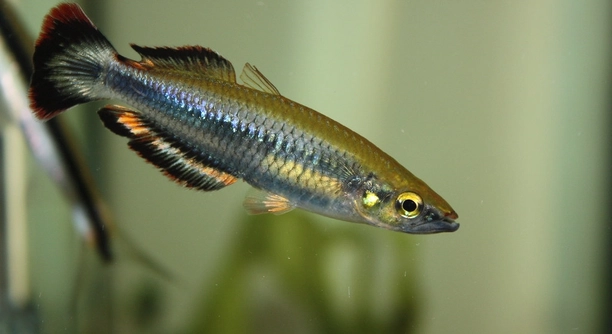
Have you ever noticed rainbowfish moving in short, sharp bursts instead of smooth gliding, especially in home aquariums where light and space change their behavior and highlight patterns that seem sudden but purposeful daily routines.
Rainbowfish display jerky swimming movements due to rapid muscle contractions linked to predator avoidance, social signaling, and sensory processing. These motions enhance reaction speed, reduce predation risk, and improve coordination within schools under variable environmental conditions in aquatic ecosystems worldwide.
These subtle movements connect biology, environment, and survival, revealing how small behaviors shape rainbowfish health and social balance over time.
How Natural Instincts Shape Movement
I have watched rainbowfish for years, and their sharp movements always stand out. These quick shifts help them react to sudden changes in light, sound, or water flow. In natural habitats, predators approach fast, so smooth swimming can be risky. Jerky motion makes tracking harder and increases escape success. Their muscles contract in short bursts, powered by fast twitch fibers designed for speed. This allows immediate direction changes without warning. In aquariums, similar movements appear when fish feel alert or stimulated. Bright lighting, reflections, or nearby activity can trigger the same response. Even feeding time encourages fast starts and stops. These movements are not signs of stress by default. They reflect an adaptive behavior shaped by survival needs. When conditions feel engaging but safe, rainbowfish often show controlled, sharp swimming that looks erratic but remains balanced and intentional throughout daily activity patterns in many controlled freshwater environments and home tanks.
Schooling behavior also influences these movements. Rainbowfish respond to each other instantly, mirroring speed changes to maintain spacing. Small jerks help prevent collisions, signal awareness, and keep the group aligned without relying on constant smooth motion during feeding, resting, and exploring shared spaces together in clear water conditions daily cycles.
Water conditions play a role as well. Flow strength, tank size, and décor affect how rainbowfish move. Limited space often leads to sharper turns. Strong filtration currents encourage burst swimming to maintain position. Temperature influences muscle response speed, while water clarity affects visual awareness. When visibility is high, fish react faster to movement around them. Subtle vibrations from equipment or footsteps can also trigger brief directional changes. These responses are automatic and finely tuned. Observing these patterns helps distinguish natural behavior from true distress. Consistent feeding, stable water parameters, and proper group size support calm yet responsive movement over time.
Interpreting Behavior in Home Aquariums
In home aquariums, jerky swimming often appears more noticeable. Glass walls amplify reflections, and daily human activity adds stimulation. I have noticed these movements increase during light changes or maintenance, then settle once the environment returns to a steady rhythm with familiar routines and consistent care over long periods overall.
These behaviors become easier to interpret when observing context. Healthy rainbowfish eat regularly, show strong color, and interact with others while displaying quick movements. Stress related motion often looks frantic and repetitive, paired with hiding or reduced appetite. The difference matters. I pay attention to timing, frequency, and triggers rather than movement alone. Jerky swimming during feeding or group interaction is expected. The same motion following sudden noise is also normal. Problems arise when sharp movements persist without clear cause. Poor water quality, incorrect temperature, or isolation can amplify responses. Addressing these factors usually softens movement patterns. Providing plants, open swimming areas, and stable lighting helps fish feel secure. Group size also matters, as too few or too many fish disrupt balance. When basic needs are met, rainbowfish maintain lively but controlled motion. Their sharp swimming reflects awareness, coordination, and adaptation rather than discomfort. Understanding this makes aquarium observation calmer and more rewarding, allowing natural behavior to unfold without unnecessary concern. This perspective encourages patience, careful observation, and confidence in daily care decisions for long term aquarium success based on consistent routines and respectful environmental management practices that support stability and fish wellbeing overall through simple, attentive husbandry habits consistently.
Environmental Triggers and Tank Setup
Jerky swimming often increases with sudden environmental changes. Lighting shifts, temperature swings, or unexpected vibrations can trigger rapid responses. I notice this most after water changes or room noise. These movements help rainbowfish stay alert while adjusting quickly to altered surroundings without compromising balance or group cohesion during daily activity.
Tank layout strongly affects how rainbowfish move. Limited horizontal space encourages fast turns instead of smooth cruising. Strong filter flow creates resistance that requires burst swimming to hold position. Bare tanks increase visual exposure, making fish more reactive to movement outside the glass. I prefer planted layouts with open lanes. Plants soften light, reduce reflections, and give visual breaks. Stable heaters and covered tanks also limit sudden stimuli. When these elements are balanced, jerky movements remain brief and purposeful rather than constant. The fish still move quickly, but transitions feel calmer and more predictable over time in well maintained aquariums.
Daily routines influence movement patterns more than many expect. Feeding schedules create anticipation, leading to sharp starts and stops. Irregular timing increases this effect. I stick to consistent feeding hours and portions. Sudden overcrowding during feeding can heighten rapid motion as fish compete briefly. Spreading food across the surface reduces clustering. Maintenance routines matter too. Slow movements near the tank and gradual light changes prevent unnecessary reactions. Over time, rainbowfish learn patterns and respond with controlled energy. Their movements stay quick but settle into a steady rhythm that reflects comfort and familiarity within stable home aquarium environments long term care.
When Movement Signals a Problem
Persistent jerky swimming can indicate underlying stress when paired with other signs. Loss of color, reduced appetite, or isolation matter more than movement alone. I watch for repetition without clear triggers. Continuous darting along glass often points to reflection stress. Erratic motion near the surface may suggest oxygen issues. These patterns signal the need for closer evaluation rather than immediate alarm supported by water testing and observation over several days to confirm consistency and severity.
Water quality problems often amplify sharp movements. Elevated ammonia or nitrite irritates gills, increasing sudden motion. Temperature outside the ideal range affects muscle control and stamina. I test water first before adjusting anything else. Social imbalance also plays a role. Too few rainbowfish increase anxiety, while overcrowding raises competition. Both situations lead to restless swimming. Equipment noise and vibration should not be ignored. Humming filters or rattling lids create constant stimulation. Simple fixes help. Regular testing, gradual adjustments, proper group size, and quiet equipment restore balance. Once conditions stabilize, movement patterns usually soften. The fish remain active, yet their swimming looks deliberate instead of reactive, reflecting improved comfort and environmental stability over long term aquarium care routines that support consistent behavior and health outcomes overall.
Social Behavior and Group Balance
Social dynamics strongly affect how rainbowfish move. Quick shifts help maintain spacing, signal dominance, and avoid contact. I often see sharper motion during hierarchy changes or new introductions. These movements allow fish to negotiate position without constant aggression, keeping group structure stable while activity remains lively and visually coordinated overall.
School size influences swimming style. Too few fish increase vigilance, causing frequent jerks. Larger groups spread attention and smooth motion. I prefer balanced numbers so reactions stay brief. When spacing feels right, rainbowfish rely on group cues rather than constant rapid corrections during normal feeding and resting periods each day.
Feeding Patterns and Energy Use
Feeding responses often exaggerate jerky swimming. Anticipation triggers burst movement as fish track falling food and each other. I notice this most with floating flakes. Competition increases speed, but behavior settles once food disperses. Spreading food reduces clustering and sudden turns. Consistent feeding types help fish predict motion patterns. Sudden diet changes increase reactivity. Over time, rainbowfish learn timing and location cues. Their movements become efficient rather than frantic. Sharp turns remain, but they serve clear purpose tied to access and awareness during shared feeding moments within community tanks that support calm routine management and stable daily conditions over time.
Light Exposure and Visual Stimulation
Lighting intensity influences reaction speed. Bright lights increase visual input, leading to faster corrections. Sudden changes cause brief darting. I use gradual timers to soften transitions. When lighting remains stable, rainbowfish still move quickly, but their swimming looks measured, controlled, and less reactive overall across daily activity cycles in tanks.
FAQ
Why do rainbowfish suddenly dart across the tank?
Sudden darting usually happens when rainbowfish react to movement, light changes, or vibrations. Their bodies are built for quick responses, so fast direction changes are normal. I often see this when someone walks past the tank or when food hits the water. As long as the behavior is brief and the fish return to normal swimming, it reflects alertness rather than distress. Persistent darting without clear triggers deserves closer observation.
Is jerky swimming a sign of stress in rainbowfish?
Jerky swimming alone does not automatically mean stress. Rainbowfish naturally swim in short bursts as part of their survival behavior. Stress becomes more likely when jerky movement appears alongside faded color, hiding, reduced appetite, or isolation. I always look at the full picture. Healthy fish remain social, eat well, and rest between active periods.
Do rainbowfish swim this way in the wild too?
Yes, this movement pattern comes from wild behavior. In rivers and streams, rainbowfish must react quickly to predators and changing currents. Smooth swimming can make them predictable. Jerky movement helps them avoid attention and stay responsive. Aquariums do not remove this instinct. Instead, they highlight it because the environment is more visible and confined.
Can tank size affect how jerky their swimming looks?
Tank size plays a major role. Smaller tanks limit long, smooth swimming paths, forcing sharper turns. I notice calmer movement in longer tanks where fish can cruise horizontally. Vertical height matters less than length. Providing enough space reduces constant corrections and makes motion look more fluid without removing natural bursts of speed.
Does strong water flow cause rapid movements?
Yes, strong currents encourage burst swimming. Rainbowfish use short muscle contractions to hold position or move against flow. If the filter output is too strong, jerky motion becomes frequent. I aim for gentle circulation that keeps water clean without pushing fish into constant effort. Adjustable flow makes a noticeable difference.
Can lighting changes trigger sudden movement?
Lighting has a strong effect. Sudden brightness or darkness increases reaction speed. Fish respond instantly to protect themselves. I use gradual light timers because manual switches often cause brief darting. Stable lighting helps fish predict changes, reducing unnecessary reactions while keeping natural alert behavior intact.
Do rainbowfish move more sharply during feeding?
Feeding time increases jerky movement because anticipation raises energy levels. Fish track food and each other closely, leading to fast starts and stops. This usually settles once food spreads out. I find that feeding small amounts across the surface reduces competition and smooths motion during meals.
Can reflections in the glass cause darting behavior?
Reflections confuse rainbowfish and can trigger repeated reactions. Clear glass and bright surroundings increase this issue. I have seen darting along tank walls linked to reflections rather than social conflict. Adding background film, plants, or dimmer side lighting helps reduce this behavior over time.
Does group size influence swimming style?
Group size matters a lot. Too few rainbowfish stay alert constantly, leading to frequent jerks. Larger groups spread attention and create confidence. I keep them in proper numbers so individuals rely on group signals instead of constant personal vigilance. Balanced groups show active but coordinated swimming.
Can water quality problems increase jerky movements?
Poor water quality irritates fish and increases sudden motion. Ammonia, nitrite, or temperature issues affect muscle control and breathing. I always test water before assuming behavior problems. When parameters return to stable ranges, movement usually becomes calmer within days.
Should I worry if jerky swimming happens daily?
Daily jerky movement is normal if it appears in short bursts with rest in between. Rainbowfish are active by nature. Concern arises only when movement looks frantic, nonstop, or paired with other negative signs. Regular observation helps distinguish energy from discomfort.
Do rainbowfish calm down over time in a new tank?
Yes, they often do. New environments increase alert behavior. I see more sharp movement during the first weeks after introduction. As fish learn routines and recognize patterns, reactions soften. Consistency in care speeds this adjustment.
Can décor and plants reduce sudden movement?
Plants and décor help a lot. They break sightlines, reduce reflections, and provide visual security. I prefer open swimming lanes mixed with planted areas. This setup allows quick movement when needed while supporting calmer cruising the rest of the time.
Is jerky swimming harmful to rainbowfish long term?
No, it is part of their natural design. Their muscles and nervous system support this behavior safely. Problems only arise when external factors push the behavior into constant overdrive. Proper care keeps movement healthy and balanced.
How can I tell the difference between play and distress?
Playful or natural movement looks purposeful and brief. Fish pause, interact, and resume normal activity. Distress appears repetitive, disorganized, and paired with avoidance or lethargy. I trust patterns over single moments when judging fish behavior.
Final Thoughts
Watching rainbowfish over time has taught me that movement alone rarely tells the full story. Their sharp, uneven swimming often looks dramatic, yet it usually reflects awareness, energy, and instinct rather than discomfort. These fish evolved to react quickly, and that trait remains strong in aquariums. When their environment supports stability, their movements appear controlled and intentional. They rest between active periods, interact with others, and respond predictably to daily routines. Understanding this helps remove unnecessary worry and allows a calmer approach to observation. Instead of focusing on every quick turn, it becomes more useful to look at patterns. Eating habits, color, social behavior, and consistency matter far more than isolated bursts of motion.
Proper care plays a major role in how these movements present. Stable water quality, appropriate tank size, and balanced group numbers allow rainbowfish to express natural behavior without excess stimulation. Small adjustments often lead to noticeable changes. Gradual lighting, reduced reflections, and thoughtful tank layout all help soften reactive swimming. I have found that consistency matters more than perfection. Fish adapt well when conditions remain predictable. Once routines settle, movement patterns tend to follow. The fish still swim quickly, but the sharpness blends into a rhythm that feels balanced. This balance is a strong indicator of comfort rather than stillness or inactivity.
Jerky swimming becomes easier to accept when viewed as communication instead of a problem. Rainbowfish use movement to navigate space, respond to others, and stay alert. These behaviors are part of their identity. Expecting smooth, constant gliding can lead to misinterpretation. A well kept aquarium does not remove instinctive motion. It supports it in a healthy way. Paying attention without overreacting creates a better experience for both fish and keeper. Over time, confidence grows through observation and routine care. When needs are met, rainbowfish show lively movement paired with calm intervals. This combination reflects a stable environment and attentive care, allowing their natural behavior to unfold without unnecessary concern.

Hello,
If you enjoy the content that we create, please consider saying a "Thank You!" by leaving a tip.
Every little bit helps us continue crafting quality advice that supports the health, happiness, and well-being of pets around the world, for pets of all shapes, sizes, and species.
We really appreciate the kindness and support that you show us!