
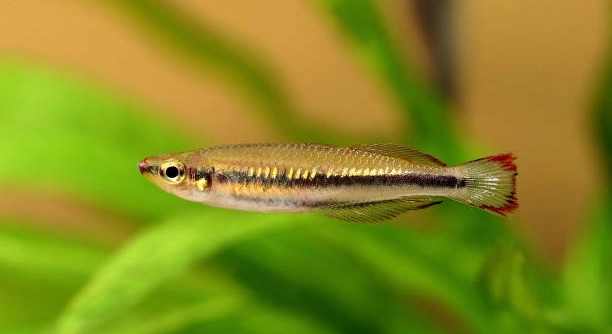
Rainbowfish are colorful, lively fish that brighten up any aquarium. Many hobbyists enjoy keeping them, but these delicate creatures require proper care. Understanding what can harm them is key to maintaining a healthy tank environment.
Rainbowfish are highly sensitive to sudden changes in water quality, temperature fluctuations, overfeeding, and poor tank conditions. Exposure to toxins, aggressive tank mates, and inadequate diet can also quickly compromise their health and lead to premature death.
Knowing the main threats to rainbowfish health helps prevent mistakes early. These factors affect survival more than most hobbyists realize and deserve careful attention.
Poor Water Quality
Rainbowfish are extremely sensitive to the conditions of their tank water. Ammonia, nitrite, and nitrate levels that rise even slightly can cause stress, illness, and death. Regular testing of the water is essential. Filtration must be reliable, and partial water changes should happen at least weekly to keep the environment stable. Sudden changes in pH or hardness can shock them, so maintaining consistency is critical. Even clean-looking water may contain harmful chemicals, so using a water conditioner is important. Accumulated debris at the bottom of the tank can also affect water quality, so vacuuming the substrate regularly is necessary. Avoid overcrowding, as too many fish create waste that the system cannot handle. Observing your rainbowfish’s behavior helps identify problems early; lethargy, faded colors, or gasping at the surface are warning signs. Keeping a checklist of water parameters ensures their home stays safe.
Maintaining proper water quality prevents common health issues and extends the life of your rainbowfish. Consistency is more important than perfection.
Regular monitoring and cleaning are simple steps that make a huge difference. Using test kits, adjusting filtration, and changing water on schedule keeps rainbowfish thriving. Healthy water supports growth, activity, and vibrant colors. It also reduces the risk of diseases that develop silently. When you keep the tank stable, feeding and tank maintenance become easier, and you notice fewer behavioral problems. Even minor neglect can lead to stress, which weakens the immune system. A consistent routine is less stressful for the fish and creates a balanced ecosystem. Treating water carefully and observing fish responses ensures a peaceful tank environment, allowing rainbowfish to live longer and maintain their natural beauty.
Temperature Fluctuations
Rainbowfish need stable water temperatures between 74°F and 82°F. Rapid swings stress their system.
Sudden changes, such as cold drafts or heater failures, can shock rainbowfish. Keeping a reliable thermometer and a stable heater is essential. Avoid placing tanks near windows or vents where temperature shifts are common.
Temperature instability can suppress immune responses, making rainbowfish more vulnerable to infections. It also affects their metabolism, causing irregular feeding and lethargy. Even small fluctuations, if repeated, lead to chronic stress and reduced lifespan. Using a heater with a thermostat helps maintain a steady environment. Consider insulating the tank if room temperatures vary. Monitoring daily ensures you catch shifts before they become harmful. Pairing temperature control with proper water quality keeps the habitat safe. Fish adapt better to gradual changes, but sudden spikes or drops can cause irreversible damage. Maintaining warmth and stability not only prevents illness but also encourages natural behavior, breeding, and vibrant colors. Consistency in temperature, combined with careful observation, is one of the simplest ways to protect rainbowfish and ensure they live healthy, active lives.
Overfeeding
Overfeeding rainbowfish can quickly lead to health problems and poor water quality. Excess food decomposes in the tank, creating toxins that stress the fish. Feeding small portions once or twice a day is enough to maintain their health and prevent waste buildup.
Too much food causes bloating, digestive issues, and obesity in rainbowfish. Leftover food increases ammonia and nitrate levels, which can damage gills and weaken immunity. Even healthy foods can become harmful if given in excess, as the tank cannot process large amounts of organic material quickly. Observing how much the fish eat in a few minutes helps control portions. A varied diet, including flakes, frozen, or live foods, ensures they get nutrients without overfeeding. Regularly removing uneaten food prevents decay and keeps the water stable.
Consistent feeding routines reduce stress and maintain water quality. Overfeeding is one of the most common mistakes in home aquariums, but it is easily avoidable. Portion control allows rainbowfish to stay active, colorful, and healthy. It also makes tank maintenance easier and helps prevent diseases related to poor water conditions. Watching the fish during feeding helps ensure every individual gets its share without leaving leftovers behind. Adjusting portions as the fish grow maintains their health over time.
Aggressive Tank Mates
Aggressive tank mates can harm rainbowfish physically and psychologically. Fin nipping, chasing, and constant stress reduce their lifespan. Choosing peaceful, compatible species is necessary to maintain a calm environment.
Stress from aggressive fish weakens the immune system and can lead to infections. Rainbowfish may hide constantly, eat less, or show faded colors when bullied. Avoid large, territorial, or fin-nipping species. Schooling rainbowfish feel safer in groups of six or more, which reduces stress. Even minor aggression over time has lasting effects on their health.
Introducing compatible species carefully prevents accidents. Observing interactions during the first days after adding new fish is important. Aggression can escalate quickly, so be prepared to separate problematic fish. Maintaining hiding spaces and plants helps rainbowfish escape tension. Stress management also reduces the chance of disease outbreaks. Planning tank mates thoughtfully ensures rainbowfish remain active and display vibrant colors. A peaceful aquarium allows them to thrive socially, feed without fear, and maintain a strong immune system, leading to a longer, healthier life.
Poor Diet
A poor diet can quickly weaken rainbowfish. Lack of essential nutrients causes dull colors, slow growth, and reduced immunity. Feeding a mix of flakes, frozen, and occasional live food helps maintain their health and vitality.
Rainbowfish need a balanced diet rich in protein and vitamins. Relying on only one type of food can lead to deficiencies. Rotating foods keeps them active and colorful while supporting overall wellbeing. Supplements can be added if natural foods are limited.
Sudden Environmental Changes
Sudden changes in tank conditions, like moving the aquarium or altering decorations, can stress rainbowfish. They rely on a stable environment to feel safe, and frequent changes may lead to hiding, reduced appetite, or illness.
Exposure to Chemicals
Household chemicals, cleaning agents, or untreated tap water can harm rainbowfish immediately. Always use water conditioners and avoid spraying cleaners near the tank.
What is the best way to maintain water quality for rainbowfish?
Keeping water clean is essential for rainbowfish survival. Test ammonia, nitrite, and nitrate levels at least weekly, and perform partial water changes regularly. Use a reliable filter and avoid overcrowding. Remove leftover food and debris from the tank to prevent toxic buildup. Condition tap water before adding it to neutralize chlorine and heavy metals. Maintaining consistent pH and hardness helps prevent stress and disease. Observing fish behavior can indicate water issues early, allowing for quick adjustments. Even small improvements in water quality can make a significant difference in the health and lifespan of your rainbowfish.
How often should I feed rainbowfish?
Feed small amounts once or twice a day. Only provide what they can eat within a few minutes to avoid leftover food, which pollutes the water. A mix of flakes, frozen, and occasional live foods ensures proper nutrition. Adjust portions as the fish grow or if they show signs of being overweight. Monitoring feeding helps maintain water stability and prevents bloating or digestive problems. Rotating foods keeps rainbowfish active and encourages natural feeding behavior. Avoid overfeeding, as it is one of the most common reasons for poor health in home aquariums.
What are suitable tank mates for rainbowfish?
Peaceful, similarly sized fish are ideal tank mates. Avoid aggressive, fin-nipping, or territorial species. Schooling rainbowfish feel safer in groups of six or more. Observing interactions when introducing new fish prevents bullying. Adding plants or hiding spots reduces stress and gives rainbowfish places to escape if needed. Compatibility helps maintain color, appetite, and overall health. Consider water requirements of all species to ensure conditions suit everyone. A calm environment supports breeding and prevents chronic stress that can shorten lifespan.
How do I prevent temperature fluctuations in my tank?
Use a reliable heater with a thermostat to maintain a stable temperature between 74°F and 82°F. Place the tank away from windows, vents, and direct sunlight. Daily temperature checks help catch changes early. Sudden drops or spikes can stress rainbowfish, suppress their immune system, and affect feeding and behavior. Gradual adjustments are safer than abrupt changes. Consistent temperature promotes vibrant colors and encourages activity. Insulating the tank or using a stable room environment further protects against fluctuations.
What signs indicate rainbowfish are stressed or unhealthy?
Stress and illness often show through faded colors, lethargy, loss of appetite, or unusual swimming patterns. Gasping at the surface or hiding constantly may indicate poor water quality, aggressive tank mates, or disease. Early observation allows for corrective action before conditions worsen. Regular monitoring and maintenance reduce stress triggers. Checking water parameters, diet, and interactions helps identify causes. Addressing stress promptly ensures rainbowfish maintain their activity, immunity, and vibrant colors. A proactive approach is key to preventing serious health problems.
Can overfeeding really kill rainbowfish quickly?
Yes, overfeeding can have severe consequences. Excess food decomposes, raising ammonia and nitrate levels, which can damage gills and weaken immunity. It also causes bloating and digestive issues. Controlling portions and removing leftovers protects both water quality and fish health. Feeding small, balanced meals keeps rainbowfish active and colorful while preventing the buildup of harmful toxins in the tank. Monitoring feeding behavior ensures every fish gets adequate nutrition without overloading the system.
Are live plants helpful for rainbowfish health?
Live plants improve water quality by absorbing nitrates and providing hiding spots. They reduce stress by creating a natural environment. Plants also support breeding by offering cover for fry. Regular maintenance of plants prevents decay, which could otherwise harm water quality. A mix of floating and rooted plants benefits both water stability and the fish’s well-being. By combining proper tank conditions, diet, and plant coverage, rainbowfish thrive in a secure and stimulating environment.
What should I do if a rainbowfish shows signs of disease?
Isolate sick fish immediately to prevent spread. Test water parameters, adjust diet, and check for stressors like aggressive tank mates or poor temperature control. Use appropriate treatments based on the disease, following instructions carefully. Maintain clean water and monitor recovery closely. Early detection and intervention significantly increase the chances of full recovery and reduce the risk of fatal complications.
Caring for rainbowfish requires attention to detail and consistency. These colorful, lively fish are sensitive to many environmental factors, so maintaining proper water quality, temperature, and a balanced diet is crucial. Even minor mistakes, like overfeeding or introducing aggressive tank mates, can cause stress or illness that shortens their lifespan. Regular monitoring of water parameters, cleaning the tank, and observing the fish’s behavior can prevent serious problems. Rainbowfish are naturally active and social, so keeping them in appropriate groups and providing hiding spots supports their overall well-being. Simple habits, like portion-controlled feeding, partial water changes, and careful observation, have a huge impact on their health and happiness. Over time, these small steps become routine and make it much easier to maintain a stable, safe environment for the fish.
It is important to remember that rainbowfish are not hard to care for if their basic needs are met, but neglecting one aspect of care can quickly lead to serious issues. Poor water quality, sudden temperature changes, and exposure to toxins are common causes of health problems. Maintaining consistency in all aspects of care—water, diet, tank mates, and environmental stability—ensures the fish thrive. Even small adjustments, like rotating foods or adding plants for cover, can improve their health and reduce stress. Observing their behavior closely helps detect early signs of disease or discomfort, giving time to take corrective action. By understanding their requirements and avoiding common mistakes, you create an environment where rainbowfish can live longer, stay colorful, and remain active. Careful planning and daily attention to the tank build a healthier ecosystem for the fish and reduce the risk of sudden problems.
Finally, caring for rainbowfish is about creating a stable and supportive environment that meets their natural needs. Consistency in temperature, water quality, feeding routines, and social structure directly affects their survival and vitality. Stress is one of the most harmful factors for rainbowfish, and it is often caused by preventable mistakes. Ensuring a peaceful tank, proper nutrition, and clean water will keep them active, colorful, and healthy. While it may seem detailed at first, once routines are established, maintaining the tank becomes straightforward. With thoughtful care and attention, rainbowfish can thrive for years, providing enjoyment through their bright colors and lively behavior. Their health reflects the care invested, showing that simple, consistent steps are often the most effective way to keep them safe and thriving.

Hello,
If you enjoy the content that we create, please consider saying a "Thank You!" by leaving a tip.
Every little bit helps us continue crafting quality advice that supports the health, happiness, and well-being of pets around the world, for pets of all shapes, sizes, and species.
We really appreciate the kindness and support that you show us!