
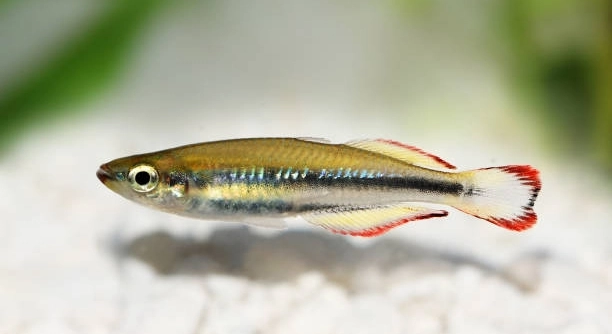
Rainbowfish are colorful and lively additions to any aquarium. Their shimmering scales and active swimming often make them a favorite among fish enthusiasts. Observing their behavior over time can reveal interesting patterns in their daily routines.
Rainbowfish can experience boredom when kept in monotonous environments without sufficient stimulation. Lack of variety in diet, decor, or social interaction can lead to reduced activity, stress, and decreased overall health, emphasizing the importance of environmental enrichment.
Providing diverse foods, changing tank decorations, and encouraging interaction can help maintain rainbowfish vitality. Small adjustments in their habitat can significantly impact their well-being and activity levels.
Signs Your Rainbowfish May Be Bored
When rainbowfish lack stimulation, they may show subtle changes in behavior. You might notice them swimming aimlessly or spending more time hiding than exploring. Their colors could become less vibrant, and they may lose interest in food they usually enjoy. A previously active fish might linger in corners, seeming lethargic or unmotivated. Aggression or excessive chasing among tank mates can also indicate frustration. Even minor stress signs, such as rapid gill movement or clamped fins, could be linked to a dull environment. Observing these behaviors regularly helps identify patterns early. Simple changes like rearranging decorations or introducing new plants can revive interest. Offering a variety of foods, including live or frozen options, encourages natural hunting instincts and curiosity. Regular monitoring ensures that these small interventions maintain the fish’s health and engagement. Boredom is often overlooked, but it directly affects the long-term well-being of rainbowfish in captivity.
Behavioral changes in rainbowfish are often the first indicator of insufficient stimulation in their environment.
Adding plants, rocks, or different swimming spaces encourages exploration. Rotating decorations periodically keeps their environment engaging and dynamic.
Providing Variety in Their Habitat
Environmental variety is essential for rainbowfish. Introducing diverse hiding spots, plants, and open swimming areas helps them exercise natural behaviors. Shadows, light patterns, and small obstacles mimic a natural setting and prevent monotony. Changing elements gradually avoids stress while keeping the tank interesting. Varying substrates, like gravel and sand, provides different textures for exploration. Seasonal decoration changes or adding floating plants can also stimulate curiosity, giving the fish new places to investigate. Each addition should be balanced with their social structure, ensuring that territorial disputes do not increase. Variety in tank mates can be beneficial if species are compatible, encouraging natural schooling and interaction. Observing their response to changes ensures that additions are enriching rather than overwhelming. Small details, like introducing driftwood or caves, enhance both aesthetics and functionality, supporting their mental and physical health over time. Continuous adjustments in their habitat prevent boredom and maintain overall vitality.
Offering varied foods like live, frozen, and flake options keeps rainbowfish engaged in feeding.
Providing diverse diets not only meets nutritional needs but also stimulates foraging instincts, making mealtime more interactive and enriching for rainbowfish.
Engaging Your Rainbowfish Daily
Regular interaction with the environment keeps rainbowfish active. Rearranging tank decorations or adding new elements encourages exploration. Rotating plants or adding floating objects provides novelty and prevents boredom. Simple changes can make a big difference in their daily activity.
Providing enrichment daily improves both mental and physical health. Rainbowfish respond well to small, consistent changes in their environment. Offering live or frozen foods encourages natural foraging behaviors. Adjusting swimming spaces and adding hiding spots keeps them curious and alert. Even minor variations in lighting or water flow can stimulate activity. Watching them explore and investigate new additions helps gauge their engagement and overall happiness, ensuring they remain lively and vibrant in a controlled setting.
Variety in textures, shapes, and colors keeps the aquarium visually stimulating. Driftwood, rocks, and plants create different areas to explore, promoting natural movement and interactions. These changes reduce stress, encourage social behavior, and prevent the monotony that leads to lethargy. A well-structured environment allows rainbowfish to exhibit instinctive behaviors while maintaining their health and activity levels over time.
Diet and Feeding Variety
Providing a diverse diet keeps rainbowfish interested and healthy. Rotating between flake, frozen, and live foods engages their natural hunting instincts and prevents repetitive feeding routines.
Feeding variety impacts both nutrition and mental stimulation. Live foods such as brine shrimp or daphnia trigger natural predatory behaviors, making meals more interactive. Frozen options offer convenience while maintaining dietary balance, and flake foods provide essential nutrients consistently. Changing the texture, size, and presentation of food encourages active foraging. Feeding at varied locations in the tank adds challenge and prevents predictability. Observing their reactions to different foods helps ensure that each type is accepted and supports overall vitality, making mealtime both nourishing and engaging.
Incorporating seasonal or occasional specialty foods further stimulates interest. Treats like bloodworms or mosquito larvae can be offered sparingly to maintain excitement. Combining diet variety with environmental enrichment creates a comprehensive approach, keeping rainbowfish engaged, healthy, and active daily. This strategy supports long-term well-being and prevents the behavioral issues linked to boredom. Regularly evaluating responses ensures that changes continue to provide meaningful stimulation without introducing stress or imbalance.
Social Interaction and Schooling
Rainbowfish are naturally social and thrive in groups. Keeping them in small schools encourages natural behaviors and reduces stress. Interaction with tank mates prevents loneliness and keeps them active throughout the day.
A balanced group size ensures that aggression is minimized. Observing how they swim together can indicate their comfort level. Proper social structure promotes healthy dynamics, making the environment engaging and lively.
The Role of Tank Decor
Varied tank decor provides mental stimulation and creates a more dynamic environment. Plants, rocks, and hiding spots allow exploration and help rainbowfish feel secure. Adding vertical and horizontal spaces encourages different swimming patterns, promoting natural movement and reducing boredom.
Monitoring Behavior Changes
Regularly observing rainbowfish behavior is essential. Subtle shifts in swimming patterns, appetite, or interactions can indicate boredom or stress, allowing timely adjustments to their environment.
FAQ
Can rainbowfish get bored if their tank never changes?
Yes, rainbowfish can experience boredom in a static environment. A tank with the same decorations, plants, and layout over time provides little stimulation. This can lead to reduced activity, lethargy, and even minor health issues. Introducing new plants, rearranging rocks, or adding hiding spots helps maintain engagement. Small, gradual changes prevent stress while keeping the tank dynamic and interesting for the fish.
How many rainbowfish should be kept together to prevent boredom?
Rainbowfish are schooling fish and do best in small groups. Keeping at least six or more together encourages natural swimming patterns and social behaviors. A proper group size reduces stress, prevents loneliness, and creates interaction opportunities. Observing the group helps identify if any fish are being isolated or stressed, allowing timely adjustments.
Does changing the food regularly help reduce boredom?
Yes, offering a variety of foods stimulates natural foraging behaviors. Rotating between flake, frozen, and live options keeps mealtime interesting and encourages activity. Occasional treats like brine shrimp or bloodworms add novelty without overwhelming the diet. Feeding at different locations in the tank further encourages exploration and engagement during feeding time.
Can tank decorations influence rainbowfish behavior?
Absolutely. Varied tank decor provides exploration opportunities and helps prevent boredom. Plants, rocks, and driftwood create hiding spots and open swimming areas. Changing decorations periodically introduces new textures and environments, encouraging active swimming and natural behaviors. Vertical and horizontal spaces add diversity, making the tank feel more dynamic and enriching.
What are the signs that rainbowfish are bored?
Boredom in rainbowfish often shows as lethargy, loss of color vibrancy, or reduced appetite. They may linger in corners, swim in repetitive patterns, or ignore new food. Stress behaviors such as clamped fins, rapid gill movement, or aggression toward tank mates can also indicate a dull environment. Monitoring these signs regularly allows timely intervention.
Does adding new tank mates help prevent boredom?
Adding compatible tank mates can encourage social interaction and activity. Schooling species benefit from seeing others move and interact. Care must be taken to select peaceful species to avoid stress or aggression. Introducing new fish gradually helps maintain balance and ensures the group remains active without creating tension.
How often should tank changes or rearrangements be made?
Small, gradual changes every few weeks are usually sufficient. Rearranging decorations or adding new plants occasionally keeps the environment engaging without overwhelming the fish. Sudden large changes may cause stress, so gradual adjustments maintain interest while supporting natural behaviors and overall well-being.
Does lighting affect rainbowfish engagement?
Lighting can influence activity and color display. A balanced light cycle mimics natural conditions and encourages normal swimming patterns. Variations in intensity or introducing shaded areas can create interest in exploring the tank. Consistent day and night cycles are important for their health while small variations stimulate curiosity.
Can boredom affect health in rainbowfish?
Yes, prolonged boredom can contribute to stress, decreased immunity, and reduced growth. Active engagement supports mental and physical health, while a monotonous environment may lead to vulnerability to disease or early signs of deterioration. Providing stimulation helps maintain both vitality and natural behaviors.
Is it necessary to monitor behavior daily?
Daily observation is beneficial. Even small changes in swimming, feeding, or social interaction can indicate boredom or stress. Regular monitoring allows for timely adjustments in diet, decor, or social structure, keeping rainbowfish healthy and engaged consistently.
Final Thoughts
Rainbowfish are lively, colorful fish that benefit greatly from an engaging and dynamic environment. Their natural behaviors, including schooling, exploring, and foraging, are triggered by a tank that provides variety in both physical space and daily routines. When kept in a monotonous setting, rainbowfish can become less active, lose some of their vibrant coloration, and even show signs of stress. Providing an environment that allows for movement, hiding, and exploration is not just for aesthetic purposes—it directly supports their mental and physical well-being. Small changes, such as rearranging rocks, adding plants, or introducing new textures and hiding spots, help create a stimulating space. Over time, these adjustments maintain their natural behaviors and keep the fish interested in their surroundings. Regular observation is important, as it helps identify early signs of boredom or stress so that interventions can be made promptly.
Dietary variety also plays a key role in keeping rainbowfish active and engaged. Rotating between flake, frozen, and live foods encourages natural foraging and hunting behaviors. Treats like brine shrimp, bloodworms, or daphnia, when offered occasionally, can add novelty to their feeding routine without disrupting overall nutrition. Changing feeding locations within the tank encourages exploration and keeps mealtime from becoming predictable. A diverse diet supports both physical health and mental stimulation, reinforcing natural instincts and preventing disinterest in food. Alongside environmental enrichment, diet variety ensures that rainbowfish maintain their energy levels and display the lively swimming patterns they are known for. Consistent care and attention to these factors create a balanced, enriching environment that helps them thrive.
Social interaction is another important element to consider for rainbowfish well-being. These fish are naturally social, and keeping them in small schools encourages movement, natural behaviors, and healthy social dynamics. A balanced group reduces stress and prevents isolation, while interaction with compatible tank mates provides ongoing stimulation. Even subtle adjustments, such as changing the number of hiding spots or adding floating plants, can encourage exploration and activity within the group. Paying attention to how rainbowfish interact helps ensure that the tank remains a safe and stimulating environment. Overall, maintaining variety in tank layout, diet, and social structure is essential for preventing boredom and promoting long-term health. Consistent monitoring and small, thoughtful changes make a significant difference in keeping rainbowfish active, happy, and vibrant.

Hello,
If you enjoy the content that we create, please consider saying a "Thank You!" by leaving a tip.
Every little bit helps us continue crafting quality advice that supports the health, happiness, and well-being of pets around the world, for pets of all shapes, sizes, and species.
We really appreciate the kindness and support that you show us!