
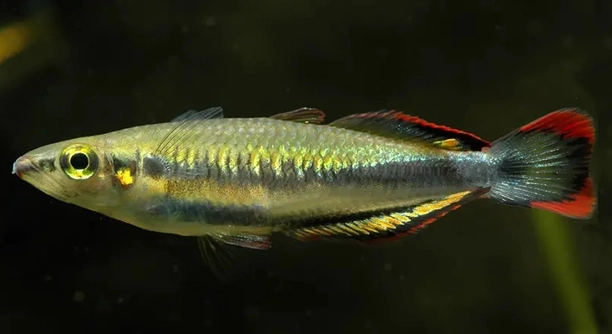
Have you ever wondered how tiny baby rainbowfish look during their earliest days in the aquarium, especially when they first begin to swim around and explore their surroundings in gentle, shimmering groups under soft light.
Baby rainbowfish appear as slender, translucent larvae with faint pigmentation, delicate fins, and subtle reflective hues. Their bodies remain nearly colorless at first, gradually developing iridescent tones as they mature, allowing observation of early growth patterns within controlled freshwater environments.
As their subtle colors begin to emerge, their tiny movements and growing features create gentle interest that encourages continued reading.
Early Growth Stages
Baby rainbowfish grow quickly, and their small bodies begin to show subtle changes that help you understand how they are developing each day. Their early form is delicate with soft edges and gentle motion making it easy to observe how they respond to their surroundings. As they continue to mature their fins stretch out, their bodies gain more detail and their reflective tones start to appear more clearly. Watching these changes can feel comforting especially when you begin noticing how their swimming patterns shift as they gain strength. Their feeding habits also adjust during this time showing you what they need to stay healthy. Soft lighting calm water and regular care support these stages. Even though they remain tiny their progress is noticeable and small details can tell you a lot about their condition. This period creates a steady pace of visible growth that feels both gentle and rewarding today.
They start out nearly transparent but their color slowly sharpens giving you clearer signs of healthy development. Their tiny fins grow more defined, their movements become stronger and their general shape forms steadily helping you see when they are adjusting well in their tank during their earliest growth and changes.
Understanding how they grow during these early stages helps you care for them with more confidence. Their behavior offers small hints about their comfort, and noticing these patterns can guide you as you maintain their environment. Their delicate size makes every improvement feel meaningful, and their brightness increases as they settle in. Gentle conditions support healthy progress allowing you to enjoy seeing each tiny change unfold. With steady attention and balanced feeding you can help them form strong habits that will carry into adulthood. Their quiet presence brings a calm feeling that makes the process feel steady and reassuring today.
Habitat and Feeding Needs
Baby rainbowfish rely on stable water, gentle movement, and small nutritious meals that match their size. Keeping their tank clean and quiet helps them adjust better, and tiny portions offered often support their steady growth while preventing stress during their earliest stages in their daily care and regular feeding needs.
Providing the right care for baby rainbowfish begins with offering a calm and consistent environment that supports their delicate structure. Their bodies are small and sensitive, so they benefit from clean water with stable temperature and gentle filtration that does not create harsh movement. This allows them to swim comfortably as their fins strengthen. Regular monitoring helps you catch small changes early, and this makes it easier to maintain the conditions they need. Feeding them requires thoughtful attention, since their mouths are tiny and their energy demands are steady. Fine powdered foods, crushed flakes, and freshly hatched brine shrimp work well when offered in very small portions throughout the day. These meals help them grow without overwhelming their system. Removing uneaten food keeps their tank cleaner and reduces the chance of irritation or imbalance. Light also plays an important role, since soft illumination helps them stay active without causing stress. Over time, their colors begin to develop, and a balanced diet supports this change. Keeping the tank peaceful encourages calm behavior, allowing them to gain confidence as they mature. With steady care, they form healthy habits and show vibrant progress that reflects the attention you give them.
Common Behaviors You May Notice
Baby rainbowfish often stay near the surface or midwater, moving in small groups that help them feel secure. Their swimming is gentle and steady, and they react quickly to changes in light or movement around the tank, showing clear signs of alertness as they grow.
Their behavior becomes more noticeable as they gain confidence. They start exploring their space with smoother motion and show interest in small food particles drifting in the water. Their reactions to feeding times become predictable, and they gather in areas where they expect food. When conditions feel right, they remain calm and active. If something in the tank changes, they may scatter briefly, then return to their usual patterns once they feel safe again. Their subtle signals make it easier to understand when they feel comfortable or unsettled, giving you helpful guidance as you maintain their environment.
As they grow stronger, their social patterns become clearer. They stay in loose groups, but individuals may break off for brief moments before returning to the cluster. This shifting motion is normal and shows healthy development. They also begin to adjust their swimming depth, moving slightly lower as their confidence increases. Their feeding response strengthens, and they become more coordinated when catching tiny particles. This consistent behavior helps you track their growth, letting you see when they are adapting well or when something might need attention.
Signs of Healthy Development
Healthy baby rainbowfish have smooth motion, clear eyes, and a steady appetite. Their bodies gradually gain color, and their fins appear more defined. They stay active without showing frantic movements, and they respond calmly to gentle activity around their tank while growing.
You can tell they are progressing well when their colors begin to show more clearly. Soft blues, greens, or gold tones appear as their bodies strengthen, and their reflective sheen becomes easier to see under gentle lighting. Their appetite stays steady throughout the day, and they eagerly search for food when it enters the water. Their fins expand gradually, giving them smoother control while swimming. They remain active but not stressed, moving with gentle patterns that look balanced and natural. A stable environment helps them maintain these signs, making it easier for you to keep track of their growth and respond when something seems different.
How Their Colors Begin to Change
Baby rainbowfish start with very faint tones that slowly become more noticeable as they grow. Soft hints of color appear along their bodies, and their shimmer becomes clearer under gentle lighting, giving you an easy way to track their early development.
Their fins also start gaining definition, and the slight reflective glow becomes stronger. This change happens gradually, and each week brings a small shift in brightness. With stable care and balanced feeding, these subtle improvements continue, allowing you to watch their transformation unfold in a steady and gentle way.
When They Start Showing Stronger Features
As their bodies strengthen, their shape becomes more defined, and their swimming turns smoother. Their fins spread out fully, helping them move with better control and balance. Their appetite becomes more consistent, and they react more quickly during feeding times. Slight color patterns begin forming along their sides, and their reflective tones sharpen. These visible details show steady improvement, giving you clear signs that they are adapting well to their environment. With calm conditions and regular care, their features continue to improve, and each phase brings gentle progress that is easy to notice.
How Size Changes Over Time
Their bodies increase in length gradually, and their shape becomes fuller as they gain strength. Each small growth step appears slowly, helping you see steady progress without sudden changes. Their size reflects their overall health, making growth easy to track.
FAQ
What do baby rainbowfish look like right after hatching?
They appear almost transparent with very thin bodies and delicate features. Their eyes are usually the most visible part at first, and their movement is soft and light. Their fins are barely shaped, and they glide through the water with small, gentle motions.
How long does it take for their colors to show?
Their colors develop slowly, usually becoming clearer after a few weeks. At first, the change is subtle, but with time the shimmer strengthens. Soft lighting and steady care help these tones appear more defined, giving you an early look at their future brightness.
Do baby rainbowfish grow quickly?
Their growth is steady rather than fast. Each week brings small improvements in size and shape. Their bodies lengthen, their fins expand, and their general strength increases in a gentle way. With good feeding and calm water, their progress stays consistent.
What should they eat when they are young?
They need tiny meals that match their small mouths. Powdered foods, crushed flakes, and newly hatched brine shrimp work well. Offering several small feedings each day helps them gain strength without overwhelming them. Clean water supports this feeding routine and keeps them comfortable.
How can I tell if they are healthy?
Healthy fry stay active and swim with calm, smooth movement. Their eyes remain clear, and they show interest in food. Their color becomes slowly brighter, and their fins gain shape. They avoid frantic motion and settle into gentle patterns that show comfort.
Do they need special lighting?
Soft light is best for them. It helps them stay active without stress and makes their early shimmer easier to see. Bright, harsh lighting can make them nervous, so choosing gentle illumination supports both their behavior and their developing color.
Should they be kept in a separate tank?
A separate tank helps protect them from larger fish and makes feeding easier. It also lets you keep the water still, warm, and clean, which supports their development. Once they gain size and strength, they can be moved to a larger setup.
How often should the water be changed?
Small, regular changes keep their environment clean without disturbing them. Removing a small portion of water every few days helps control waste and keeps conditions steady. This balance is important since sudden changes can cause stress.
How can I tell when they are ready to join adult fish?
They should be strong swimmers, large enough not to be swallowed, and confident during feeding. Their colors should be more visible, and their bodies more defined. Once they show stable behavior and respond well to daily activity, they are usually ready.
Why do baby rainbowfish sometimes stay near the surface?
They remain near the surface because it feels safer and the water flow is softer. It also helps them reach tiny food particles more easily. As they grow stronger, they begin exploring lower areas of the tank.
What affects their color development the most?
Clean water, soft lighting, and balanced feeding influence their color. Calm surroundings also help reduce stress, which supports healthy brightness. Their tones grow clearer when these needs are met regularly.
How can I support their early growth best?
Keeping their tank stable, offering gentle food portions, and maintaining clean water make the biggest difference. Their small size means they depend on calm conditions. With steady care, they grow stronger, show clearer color, and settle comfortably into their space.
Final Thoughts
Caring for baby rainbowfish becomes easier once you understand how their small needs shape their early development. Their tiny bodies respond strongly to calm surroundings, steady feeding, and gentle lighting, and these elements help them grow with stable progress. Watching their color shift from faint tones to brighter shades can bring a quiet sense of interest as each day reveals a little more detail. Their behavior stays soft at first, but every small improvement shows how well they are adjusting. With regular attention and consistent conditions, they begin forming clear patterns that reflect their growing confidence. Their gradual changes make their early stages feel peaceful and steady, giving you a chance to learn their habits in a simple and gentle way. Each sign of improvement tells you that the care you provide is helping them stay healthy and comfortable in their small space.
It helps to stay mindful of their feeding schedule, since their size makes it important to offer food that is easy for them to manage. Small meals given several times a day support their growth without overwhelming them. Clean water also affects their comfort, and keeping the tank balanced helps protect their delicate bodies from stress. Their movement is usually calm and controlled, and this gentle motion shows you how they respond to their surroundings. When the water feels stable and the lighting stays soft, they settle into steady behaviors that reflect their growing strength. Their fins gain shape, their color becomes more visible, and their swimming improves as their bodies adjust. These signs appear slowly but clearly, and each one shows that they are developing in a healthy and predictable way. Even small improvements can feel meaningful when caring for fish at this age, because their sensitivity makes every detail matter.
Over time, you will notice how their presence changes the atmosphere of their tank. Their movements remain light, but their growing patterns create a calm rhythm that becomes familiar to watch. Their size increases at a slow and steady pace, and this progress gives you simple markers to follow as they mature. As they gain strength, they become more confident in how they explore their environment and how they respond to feeding times. Their colors start showing more brightness, and this shift adds a gentle sense of life to the water. With ongoing attention and stable care, their development continues in a smooth and predictable way. Their early weeks require patience, but the slow, steady changes make the process feel reassuring. Their growth reflects the environment you create for them, and their calm presence invites you to continue supporting them through each new stage.

Hello,
If you enjoy the content that we create, please consider saying a "Thank You!" by leaving a tip.
Every little bit helps us continue crafting quality advice that supports the health, happiness, and well-being of pets around the world, for pets of all shapes, sizes, and species.
We really appreciate the kindness and support that you show us!