
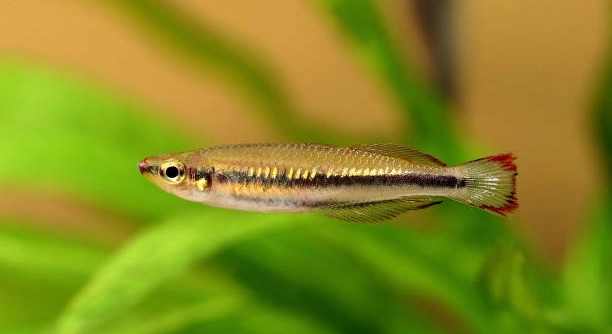
Madagascar Rainbowfish are popular among aquarists for their vibrant colors and active behavior. Many new fishkeepers are drawn to them but often encounter conflicting information about their care and behavior in home aquariums.
Several myths persist about Madagascar Rainbowfish, including misconceptions about their size, diet, aggression levels, and ideal tank conditions. Addressing these inaccuracies helps ensure proper care, improves their health, and enhances the enjoyment of keeping them in a well-maintained environment.
Understanding these common myths will help you make informed decisions and provide the best environment for your Madagascar Rainbowfish to thrive.
Myth 1: Madagascar Rainbowfish Are Too Aggressive
Many people believe Madagascar Rainbowfish are aggressive and will attack other fish. In reality, they are generally peaceful and prefer to swim in schools. Aggression is rare and usually occurs if the tank is too small or lacks hiding spots. Keeping them in groups of at least six reduces stress and prevents territorial disputes. Providing plants, rocks, and open swimming areas creates a balanced environment where they feel secure. They often interact with other peaceful species without issue. Proper feeding and maintaining clean water also help minimize tension in the tank. Aggressive behavior is often a sign of poor tank conditions, not the fish’s natural temperament. Observing their behavior carefully helps determine if changes are needed. Patience and attention to tank setup usually resolve most conflicts. Over time, they develop predictable patterns and respond well to consistent care.
Aggression in Madagascar Rainbowfish is uncommon when they are kept in proper conditions.
Watching them adapt and swim in harmony demonstrates how a suitable tank setup reduces stress and supports healthy social behavior.
Myth 2: They Only Eat Live Food
Some assume Madagascar Rainbowfish will only eat live food, but they readily accept flakes, pellets, and frozen options. A balanced diet including protein-rich foods and occasional plant matter keeps them healthy. They can thrive on commercially available fish foods, reducing the need to source live insects or worms constantly. Overfeeding or feeding only one type of food can lead to poor health, so variety is important. Supplementing their diet with small amounts of frozen or live foods adds nutrients and encourages natural foraging behavior. Observing their eating habits ensures they receive enough nutrition. Feeding small portions multiple times a day often works better than one large meal. With proper dietary care, they maintain bright colors and active swimming patterns. Adjusting food type as they grow supports optimal development. Their adaptability makes them easier to care for than many assume.
A balanced diet supports growth, coloration, and overall well-being.
Providing varied food ensures long-term health while keeping their activity levels high and promoting natural behavior in the aquarium.
Myth 3: They Require Extremely Large Tanks
Madagascar Rainbowfish do not need oversized tanks, but space matters. A 30-gallon tank is sufficient for a small group. Proper swimming space and hiding spots are more important than sheer size. Overcrowding can lead to stress and health issues.
A well-planned 30-40 gallon tank allows six or more Rainbowfish to swim freely. Include plants, rocks, and driftwood for hiding spots and visual barriers. Open swimming areas prevent fights and reduce stress. Regular water changes and proper filtration maintain water quality. Tank size should match the number of fish, not just their growth potential. A compact but carefully organized tank supports their natural behavior and coloration.
Even in smaller tanks, keeping them in groups prevents loneliness. Observing their activity and adjusting decorations ensures they remain healthy and active. A balanced environment is more effective than just increasing tank size.
Myth 4: They Are Hardy and Require Minimal Care
Madagascar Rainbowfish are hardy but still need regular attention. They thrive with consistent water changes, proper diet, and monitoring of water parameters. Neglecting care can lead to disease and poor coloration.
Maintaining stable temperature, pH, and hardness is essential. These fish are sensitive to sudden changes, so gradual adjustments help them adapt. Weekly water changes, about 20-30%, keep ammonia and nitrate levels safe. Adequate filtration prevents waste buildup and ensures oxygenation. Observing behavior helps detect illness early.
Even though they are resilient, ignoring proper feeding and cleaning can cause long-term health problems. Attention to tank setup, diet, and water quality keeps them active, colorful, and social. They respond well to routine care and thrive under consistent maintenance.
Myth 5: They Only Swim at the Surface
Madagascar Rainbowfish are active throughout the tank. They explore mid-level and bottom areas as well, especially when plants or decorations are present. Limiting them to the surface can cause stress and reduce natural behavior.
Providing a variety of hiding spots encourages exploration. Open swimming areas combined with plants and rocks allow them to move freely at all levels. Observing their activity shows they feel comfortable when the environment is balanced and stimulating.
Myth 6: They Do Not Need Companions
Rainbowfish are social and do best in groups. Keeping just one or two can lead to stress, hiding, or lethargy. A small school encourages natural schooling behavior, active swimming, and interaction.
Maintaining a group of at least six allows them to form stable social hierarchies. Group living reduces stress and promotes bright coloration. They coordinate movements and respond to each other’s signals, which is important for mental stimulation. Solitary fish may show dull colors or unusual behavior. Proper schooling also helps prevent bullying and distributes energy evenly among the group. Group dynamics keep the aquarium lively, making them more engaging to observe.
Myth 7: They Are Difficult to Breed
Breeding Madagascar Rainbowfish is possible with proper care. Providing clean water, plants for egg-laying, and a stable environment encourages natural reproduction.
FAQ
How often should I feed Madagascar Rainbowfish?
Feed small portions two to three times a day. They thrive on a mix of flakes, pellets, and occasional frozen or live food. Overfeeding can lead to poor water quality and obesity. Observing their appetite helps determine the right amount and frequency.
What tank temperature is best for them?
Keep the water between 72°F and 82°F. Sudden temperature changes can stress the fish and make them more prone to illness. A heater and thermometer help maintain a stable environment. Gradual adjustments are important if the temperature needs to change.
Can Madagascar Rainbowfish live with other fish?
Yes, they are generally peaceful and compatible with other non-aggressive species. Avoid keeping them with very small or aggressive fish. Providing hiding spots and swimming space minimizes conflicts. Schooling behavior helps them feel secure in a mixed tank.
How large do they grow?
Adults usually reach 3 to 4 inches. Males tend to be slightly larger and more colorful than females. Proper diet, water quality, and space influence growth. Overcrowding can stunt development and increase stress levels.
Do they require special water conditions?
They prefer slightly alkaline water with a pH of 7.0 to 8.0 and moderate hardness. Clean water and regular changes are essential. Using a filter and monitoring ammonia, nitrite, and nitrate levels helps maintain a healthy environment.
How can I tell the difference between males and females?
Males are more colorful with longer fins, while females are smaller and paler. Observing their behavior during feeding or schooling can also reveal differences. Male dominance displays may appear during social interactions.
What is the best way to breed them?
Provide a separate breeding tank with fine-leaved plants or spawning mops. Maintain clean water and stable conditions. Remove adults after eggs are laid to prevent eating. Fry can be fed infusoria, followed by finely crushed flakes as they grow.
How do I reduce stress in my fish?
Maintain a stable environment with proper temperature, water quality, and tank decorations. Keep them in schools and avoid overcrowding. Observing behavior helps detect stress early. Sudden changes in tank setup or water chemistry can negatively affect them.
Are they prone to disease?
They are generally hardy but can develop fin rot, ich, or fungal infections if water quality is poor. Quarantining new fish and maintaining clean conditions prevent most issues. Early detection and treatment are crucial to recovery.
What decorations are best for their tank?
Use plants, rocks, and driftwood to create hiding spots and visual barriers. Open swimming areas are also important. Decorations should allow them to explore without causing overcrowding, encouraging natural behavior and reducing stress.
Can they tolerate lower oxygen levels?
They need well-oxygenated water, so proper filtration and water movement are important. Surface agitation or an air stone helps maintain oxygen levels. Poor aeration can lead to lethargy or health problems.
Do they change color over time?
Yes, males often become more vibrant as they mature. Good diet, clean water, and social interactions enhance coloration. Stress or poor conditions can dull their colors temporarily or permanently.
Is it necessary to have a lid on the tank?
A secure lid is recommended. While they are not strong jumpers, occasional leaps can occur. A lid also helps reduce evaporation and keeps the tank stable.
Can they live in planted tanks?
Yes, they enjoy planted tanks. Plants provide hiding spots and help maintain water quality. Choose sturdy plants, as active swimming may disturb delicate species. Live plants can enhance both health and aesthetics.
How long do Madagascar Rainbowfish live?
They typically live 5 to 8 years with proper care. Maintaining stable conditions, a balanced diet, and a clean environment supports longevity. Regular observation ensures any issues are addressed early.
Are there specific signs of stress to watch for?
Faded colors, hiding, reduced appetite, and erratic swimming indicate stress. Identify the cause, such as water quality, tank mates, or overcrowding. Adjusting conditions usually restores health and behavior.
Do they need special lighting?
Moderate lighting is sufficient. Lighting enhances color and supports plant growth if live plants are included. Avoid overly bright or direct light, as it can cause stress or algae growth.
Is it safe to use tap water?
Yes, if treated to remove chlorine and chloramines. Using a water conditioner ensures safety. Testing pH, hardness, and temperature helps maintain optimal conditions. Regular water changes prevent buildup of harmful substances.
How often should I clean their tank?
Perform partial water changes weekly, about 20-30%. Clean substrate, decorations, and filter media regularly to prevent waste buildup. Over-cleaning can remove beneficial bacteria, so balance is key.
Can they adapt to new tanks quickly?
They usually adapt within a few days if conditions are stable. Gradual acclimation with a drip or floating method reduces stress. Observing feeding and swimming patterns ensures they adjust properly.
Do they interact with owners?
While not interactive like some species, they recognize movement and activity near the tank. Schooling behavior may increase when people approach, showing awareness without requiring direct handling.
What is the ideal tank setup for long-term health?
A 30-40 gallon tank with stable temperature, plants, hiding spots, and clean water supports health. Keeping them in groups, monitoring water parameters, and providing varied food ensures they thrive and maintain natural behavior.
Can they tolerate slightly brackish water?
They prefer freshwater but can handle very mild brackish conditions temporarily. Long-term exposure to salt is not recommended, as it may cause stress or health issues. Freshwater stability is ideal.
Are they suitable for beginner fishkeepers?
Yes, they are hardy, adaptable, and peaceful. They require basic care such as water maintenance, feeding, and monitoring. Their schooling nature and vibrant colors make them engaging yet manageable for those learning proper aquarium care.
Do they need quarantine when introducing new fish?
Yes, quarantining prevents disease introduction. A separate tank for two weeks allows observation for illness before adding new fish to the main tank. This protects both existing fish and newcomers.
Can water changes be done less frequently?
Infrequent changes increase ammonia and nitrate levels, stressing the fish. Regular weekly changes are essential for stable, healthy conditions. Monitoring water parameters ensures the timing and volume are sufficient.
Do they require any special supplements?
No special supplements are needed if the diet is varied and balanced. Occasional treats of live or frozen foods provide extra nutrients, but over-supplementation is unnecessary and can affect water quality.
How can I encourage natural behavior in the tank?
Provide open swimming areas, hiding spots, and a small group. Varied diet and clean water encourage exploration and social interaction. Observing their daily activity helps adjust conditions to support natural behavior patterns.
What is the best way to introduce them to a new tank?
Acclimate slowly using the drip or floating method. Gradually mix tank water with the bag water over an hour. This reduces shock from temperature, pH, and hardness differences, ensuring a smooth transition.
Can they tolerate fluctuations in pH?
They prefer stable pH. Small fluctuations can be tolerated, but large swings may cause stress or illness. Testing regularly helps maintain consistency and supports overall health.
Do they need extra filtration?
Standard filtration is sufficient for moderate stocking. High water quality is critical, so a reliable filter and occasional maintenance prevent buildup of harmful substances. Consider additional aeration if the tank is densely populated.
Are there common mistakes to avoid?
Overcrowding, poor water quality, and inadequate feeding are the main issues. Ignoring social needs or tank decorations can stress them. Maintaining proper conditions, a balanced diet, and observing behavior prevents most problems.
Can they live with bottom-dwelling fish?
Yes, they usually coexist peacefully. Providing enough space and hiding spots reduces territorial disputes. Bottom dwellers occupy a different zone, allowing both species to thrive without conflict.
Is live food necessary for color enhancement?
No, a balanced diet with flakes, pellets, and occasional frozen foods is sufficient. Live food may encourage natural foraging, but color development primarily depends on overall nutrition and water quality.
Do they respond to changes in light or activity?
They notice movement and lighting changes. Moderate light encourages normal activity. Sudden changes can startle them, so gradual adjustments help maintain a calm environment.
How long does it take for them to settle in a new tank?
Usually a few days to a week. Gradual acclimation, stable conditions, and a peaceful environment help them adapt quickly without stress. Observing feeding and swimming patterns indicates comfort levels.
Are they sensitive to noise or vibrations?
Excessive vibrations or loud noise can stress them. Keeping the tank in a quiet, stable location reduces stress and supports natural behavior. Minor household sounds generally do not affect them.
Can they tolerate community tanks with schooling species?
Yes, other peaceful schooling fish are suitable companions. Matching size and temperament ensures harmony. Maintaining space and hiding spots prevents stress and supports natural group dynamics.
What is the best method to monitor their health?
Observe color, activity, and appetite daily. Regular water testing, tank maintenance, and attention to behavior provide early warning signs of illness. Prompt action prevents long-term health issues.
Do they need to be handled?
Handling is unnecessary and stressful. Maintenance should focus on tank care, water quality, and observation. Direct contact should be minimized to avoid injury or stress.
Can they tolerate variations in tank lighting schedules?
They adapt to regular day-night cycles. Sudden or extended changes can cause stress or disrupt feeding. Using timers ensures a consistent light schedule and maintains natural rhythms.
Is it necessary to rotate food types?
Yes, variety supports proper nutrition and encourages natural foraging. Rotating flakes, pellets, frozen, and occasional live foods maintains health and vibrant coloration.
How do I know if they are comfortable in the tank?
Active swimming, bright coloration, schooling behavior, and regular feeding indicate comfort. Stress signs include hiding, faded colors, or erratic movements. Adjusting environment or diet improves overall well-being.
Are they suitable for planted aquariums?
Yes, plants provide hiding spots and reduce stress. Sturdy plants are recommended, as active swimming can damage delicate species. Plants also help maintain water quality.
Can they tolerate lower temperatures temporarily?
Short-term minor drops are usually tolerated, but prolonged exposure to temperatures below 72°F can cause stress, illness, or slowed metabolism. Consistent, appropriate temperature is important.
Do they need any special tank substrates?
No special substrate is required. Sand or fine gravel works well. A smooth substrate reduces the risk of injury and complements plants and decorations for a natural setup.
How can I tell if they are eating enough?
Observe all fish during feeding. Leftover food or selective eating may indicate underfeeding or dietary imbalance. Adjust portions and variety to ensure all fish receive adequate nutrition.
Do they need frequent water testing?
Regular monitoring of ammonia, nitrite, nitrate, pH, and hardness helps maintain a stable environment. Frequent testing ensures water quality and prevents stress-related illnesses.
Can they tolerate fluctuations in hardness?
Moderate fluctuations are tolerated, but extreme changes can stress the fish. Stable, slightly hard to moderately hard water is ideal for optimal health and coloration.
Are they suitable for tanks with fluctuating temperatures?
No, they prefer stable conditions. Sudden temperature swings cause stress, weaken immunity, and may lead to illness. Gradual adjustments are safer if temperature changes are necessary.
Do they need extra enrichment?
Yes, decorations, plants, and varied food encourage exploration and natural behavior. Providing a stimulating environment reduces boredom and supports social interaction among the group.
Can they be kept with aggressive species?
No, aggressive fish may bully or harm them. Peaceful companions of similar size are recommended to maintain a calm and healthy tank environment.
Is it necessary to remove uneaten food quickly?
Yes, leftover food decomposes and affects water quality. Removing uneaten portions prevents ammonia spikes and keeps the tank clean and safe for the fish.
Do they respond to feeding routines?
Yes, they learn schedules and become more active around feeding times. Consistent routines support health and reduce stress.
How long can they go without food?
Adults can survive a few days, but prolonged fasting is harmful. Regular feeding is essential to maintain energy, coloration, and overall health.
Are there seasonal changes in behavior?
Minor seasonal variations occur, often influenced by water temperature and light. Consistent tank conditions minimize stress and maintain regular activity and feeding patterns.
Can they tolerate slightly higher nitrate levels?
Long-term exposure to high nitrate is harmful. Levels should remain low through regular water changes and monitoring. Maintaining clean water is more important than occasional minor spikes.
Do they need frequent tank rearrangements?
No, frequent changes can stress them. Occasional adjustments for cleaning or plant growth are sufficient. Stable decoration supports natural behavior and comfort.
Are they suitable for nano tanks?
Nano tanks are generally too small for groups. Overcrowding causes stress, aggression, and stunted growth. Minimum 30-gallon tanks are recommended for proper care.
Do they require live plants for breeding?
Live plants help provide hiding spots for eggs and fry but are not strictly necessary. Artificial spawning mops or other structures can work as substitutes.
Can they tolerate other Rainbowfish species?
Yes, many Rainbowfish species are compatible if sizes and temperaments match. Monitoring interactions ensures harmony and reduces stress.
How long should quarantine last for new fish?
Two weeks is standard. Observing for disease and acclimating to tank conditions protects both new and existing fish.
Do they need supplemental oxygen?
Proper filtration usually provides enough oxygen. In densely stocked tanks, an air stone or additional circulation improves water aeration.
Are they prone to fin nipping?
Fin nipping is rare and usually a result of overcrowding or stress. Maintaining proper group size and tank conditions prevents this behavior.
Do they require periodic health checks?
Regular observation is sufficient. Watching swimming patterns, coloration, and appetite helps identify early signs of illness. Routine maintenance supports ongoing health.
Can they tolerate tankmates with different feeding habits?
Yes, as long as food distribution ensures all species receive adequate nutrition. Observing feeding prevents competition and ensures balanced diets.
Is it safe to keep them with slow-moving fish?
Yes, they are generally peaceful and do not pose a threat to slower species. Space and hiding spots help reduce accidental stress.
Do they respond to tank lights being turned off suddenly?
They may pause activity briefly but generally adapt quickly. Gradual changes are better for maintaining calm behavior and reducing stress.
Are there seasonal breeding patterns?
In captivity, breeding is influenced more by water quality, temperature, and diet than seasons. Consistent care encourages regular spawning behavior.
Do they need a specific type of filter media?
No special media is required. Mechanical, biological, and chemical filtration suitable for the tank size ensures clean, safe water and supports healthy fish.
Can they tolerate tap water without conditioning?
No, chlorine and chloramines are harmful. Use a water conditioner to neutralize chemicals and ensure safe water for the fish.
Are they suitable for community tanks with cichlids?
Only peaceful, small cichlids may coexist. Aggressive or territorial cichlids can harm Rainbowfish, so careful selection and monitoring are necessary.
Do they need temperature ramps or variations?
No, they prefer stable temperatures. Rapid or large fluctuations stress the fish and may lead to illness or reduced activity.
Can they be kept in outdoor ponds?
Mild outdoor climates may support them temporarily, but they are sensitive to temperature swings and predators. Indoor tanks provide a safer, controlled environment.
How can I maintain their vibrant colors?
A balanced diet, clean water, and social groups enhance coloration. Stress, poor water quality, or inadequate nutrition can dull colors. Regular observation ensures they stay bright and healthy.
Are there signs of aging in Madagascar Rainbowfish?
Slower swimming, duller colors, and reduced activity indicate aging. Maintaining proper care can extend lifespan and preserve health for several years.
Do they need hiding spots even in large tanks?
Yes, decorations and plants reduce stress and allow retreat from dominant fish. Even in spacious tanks, hiding spots are essential for comfort.
Can they tolerate higher light intensity?
Moderate light is best. Excessive brightness can stress them, encourage algae growth, and reduce comfort. Use timers to maintain a consistent day-night cycle.
Do they need sand or gravel for breeding?
Not strictly. Fine-leaved plants or spawning mops are sufficient for egg attachment. Substrate choice mainly supports tank aesthetics and plant growth.
Are they compatible with shrimp or snails?
Yes, peaceful shrimp and snails usually coexist without issue. Monitor interactions to ensure smaller invertebrates are not stressed or eaten.
Can they live in slightly acidic water?
They prefer neutral to slightly alkaline water. Prolonged acidic conditions may affect health, growth, and coloration. Stabilizing pH ensures optimal well-being.
Do they need to be quarantined if bought from the same store?
Yes, disease can spread between fish regardless of source. Quarantine ensures any issues are addressed before introducing them to the main tank.
How do I know if water changes are sufficient?
Monitoring ammonia, nitrite, nitrate, and observing fish behavior indicates if water changes are effective. Weekly partial changes usually maintain safe conditions.
Can they tolerate low light conditions?
They survive in low light but may show duller coloration. Moderate lighting improves activity, natural behavior, and plant growth.
Do they require strong water flow?
Moderate flow is sufficient. Excessive currents can stress the fish and disrupt natural swimming patterns. Proper filtration maintains gentle circulation.
Are they sensitive to chemical treatments?
Yes, medications or water additives should be used carefully. Follow instructions to prevent harm and maintain water stability.
Do they recognize owners over time?
They notice movement and activity near the tank but do not form personal bonds. Recognition is limited to environmental cues rather than individual people.
Can they tolerate occasional temperature drops at night?
Short-term minor drops are usually tolerated, but maintaining stable temperatures reduces stress and supports healthy metabolism.
Are they prone to parasites?
They are hardy but can develop parasites if water quality is poor or new fish introduce them. Quarantine and clean conditions reduce risk.
Do they need tank mates of similar size?
Yes, similar-sized fish prevent bullying or accidental injury. Small or aggressive species may stress or harm them. Proper selection ensures harmony.
Can they thrive without plants?
Yes, but plants provide hiding spots, reduce stress, and improve water quality. Decorations
Madagascar Rainbowfish are often misunderstood due to myths that exaggerate their care requirements or behavior. Many people assume they are aggressive, difficult to breed, or require very specific diets and large tanks. In truth, these fish are relatively peaceful, adaptable, and capable of thriving under proper conditions. Understanding their natural habits and preferences allows aquarists to provide a healthy, stimulating environment without unnecessary complications. Observing their behavior closely, maintaining consistent water quality, and offering a balanced diet are far more important than worrying about exaggerated concerns or following misconceptions found online. By focusing on what truly affects their health and well-being, owners can create an aquarium where these colorful fish display their natural schooling patterns and vibrant coloration.
Providing a stable environment is key to keeping Madagascar Rainbowfish healthy and active. Regular water changes, moderate filtration, and attention to temperature, pH, and hardness help prevent stress and disease. They respond well to clean, well-structured tanks with open swimming areas and adequate hiding spots. Social interaction is important, as these fish are happiest when kept in small groups. Overcrowding or isolation can lead to stress, dull coloration, and unusual behavior. Tank decorations, plants, and varied diets encourage exploration and natural activity, keeping them engaged and thriving. Understanding their peaceful temperament and adaptability allows owners to avoid common mistakes, such as overfeeding, overcrowding, or mixing incompatible species, which can all negatively affect their health. By maintaining consistent care practices, these fish can live long, healthy lives and become a rewarding addition to a home aquarium.
Despite the myths that surround Madagascar Rainbowfish, they remain a manageable and enjoyable species for many fishkeepers. They do not require exotic foods or oversized tanks to flourish, but they do benefit from careful attention to social dynamics, water quality, and diet. Their bright colors and active behavior make them attractive, while their generally peaceful nature makes them suitable for community tanks with compatible species. Regular observation, gradual acclimation to new conditions, and providing a stimulating environment ensure they remain healthy and happy. Recognizing and avoiding common misconceptions allows owners to focus on the practical aspects of care that truly matter. With thoughtful setup and consistent maintenance, Madagascar Rainbowfish can thrive in home aquariums, offering both visual appeal and a lively presence without the challenges often suggested by misinformation.

Hello,
If you enjoy the content that we create, please consider saying a "Thank You!" by leaving a tip.
Every little bit helps us continue crafting quality advice that supports the health, happiness, and well-being of pets around the world, for pets of all shapes, sizes, and species.
We really appreciate the kindness and support that you show us!