
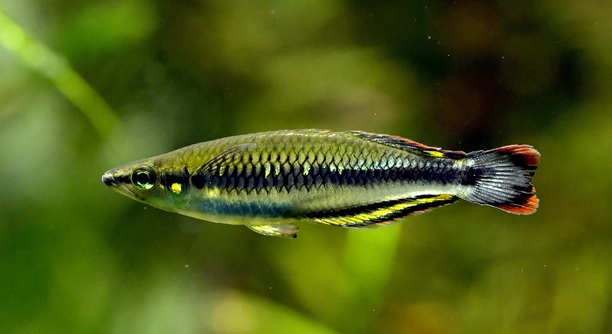
Rainbowfish are small, colorful fish that brighten up any freshwater aquarium. Many fishkeepers enjoy keeping them because of their lively behavior and vibrant appearance. They respond well to a well-planted tank that mimics their natural environment.
Rainbowfish generally enjoy floating plants in their aquarium. Floating plants provide cover, reduce stress, and create shaded areas that mimic their natural habitat. These plants also help maintain water quality by absorbing excess nutrients and providing shelter for fry.
Floating plants can add both beauty and comfort to your tank, creating a space where rainbowfish feel secure and active throughout the day.
Benefits of Floating Plants for Rainbowfish
Floating plants offer multiple benefits for rainbowfish. They provide shade that reduces stress and prevents overexposure to bright light, which rainbowfish dislike. The gentle movement of leaves creates a calming environment, helping shy or new fish feel more comfortable. Floating plants also create surface cover that allows rainbowfish to hide from perceived threats or aggressive tankmates, encouraging natural behavior. They help maintain water quality by absorbing excess nutrients, reducing algae growth, and contributing to a healthier ecosystem. In addition, the roots of floating plants can serve as a breeding ground for tiny aquatic organisms, offering a natural snack for rainbowfish. The soft shadows from these plants make the tank more visually appealing while supporting the fish’s well-being. Many aquarists notice that rainbowfish are more active and show brighter colors when floating plants are present. Overall, they add both functional and aesthetic value to the tank.
Floating plants also give rainbowfish a place to explore and play, adding mental stimulation to their environment.
By incorporating a variety of floating plants, you can mimic the rainbowfish’s natural habitat, encouraging social interaction and reducing territorial disputes. They enjoy darting between leaves, using roots for shelter, and resting in shaded areas. Over time, plants can help regulate water conditions by absorbing nitrates and providing mild oxygenation through photosynthesis. Choosing hardy species like frogbit, water lettuce, or duckweed ensures low maintenance while still offering cover and hiding spots. These plants also benefit fry by providing protection from adults and other fish. Even in smaller tanks, floating plants create vertical layers, giving rainbowfish more space to swim and feel secure. Consistent trimming and monitoring prevent overcrowding and maintain water flow, supporting both plant health and fish activity. The result is a tank that looks natural, supports healthy behavior, and keeps rainbowfish vibrant and active.
Choosing the Right Floating Plants
Hardy plants like duckweed, frogbit, or water lettuce are ideal for rainbowfish tanks.
Selecting the right species requires understanding their growth rate, size, and light needs. Duckweed grows quickly and spreads across the water surface, offering fast cover, but it needs occasional thinning to avoid blocking too much light. Frogbit has larger leaves and long roots that provide shelter and resting spots without overwhelming the tank. Water lettuce grows moderately and adds a decorative touch while giving rainbowfish shaded areas. Consider the tank size and the number of fish, as too many floating plants can reduce swimming space and water circulation. Choosing low-maintenance, slow-spreading plants ensures the tank remains manageable and healthy. Combining multiple species can create visual diversity and varied hiding spots. Always monitor plant health, trim dead or decaying leaves, and ensure adequate light reaches submerged plants to maintain balance. Proper selection and care create an environment that promotes natural behavior, reduces stress, and keeps rainbowfish active and colorful throughout the year.
How Floating Plants Affect Water Quality
Floating plants help keep aquarium water clean by absorbing excess nutrients like nitrates and phosphates. Their roots trap debris and provide surfaces for beneficial bacteria, which break down waste. This reduces the risk of algae growth and maintains a stable environment for rainbowfish, supporting their overall health.
These plants play a key role in maintaining balanced water conditions. By taking up nutrients from fish waste and leftover food, they prevent spikes in harmful chemicals. The roots create microhabitats for bacteria that help decompose organic matter, keeping the water clearer. Floating plants also reduce surface agitation, which stabilizes temperature and prevents sudden changes that can stress rainbowfish. Regular monitoring and trimming ensure they don’t overgrow, allowing light to reach other plants while continuing to improve water quality naturally.
Healthy water is essential for rainbowfish behavior and color. Floating plants improve oxygen levels during daylight and reduce toxins while adding natural shelter. Their presence mimics native habitats, giving fish confidence to explore. Proper management prevents overcrowding and supports tank balance, creating a sustainable environment that benefits both fish and plants.
Placement Tips for Floating Plants
Place floating plants in areas with gentle water flow to prevent them from piling up in one corner. Ensure they do not block filters or lights entirely, which could affect other plants.
Positioning is crucial for maintaining a balanced aquarium. Floating plants should cover part of the surface, providing shade without preventing light from reaching submerged plants. Rotate or move them occasionally to ensure even growth and avoid stagnant areas. Some species, like frogbit, need space for roots to hang freely, while duckweed can spread quickly and may require thinning. Observing how rainbowfish interact with the plants can guide placement adjustments. Avoid overcrowding, as dense coverage can reduce swimming space and water circulation, creating stress for active fish. By strategically placing plants, you can maximize their benefits while keeping the tank functional.
For aesthetic and functional purposes, group floating plants in clusters to create natural shade zones. Mixing plant types adds texture and interest, giving rainbowfish areas to explore, hide, and rest. Regular trimming keeps them healthy and prevents them from overwhelming the tank. These simple steps ensure your aquarium remains visually appealing and environmentally stable, supporting both the fish and plants effectively.
Light and Shade Considerations
Floating plants create shaded areas that help rainbowfish feel secure. They reduce harsh lighting while allowing enough brightness for healthy plant growth, balancing comfort and tank aesthetics.
Proper light management prevents stress and encourages natural behavior. Shaded zones mimic conditions rainbowfish experience in the wild, making them more confident and active throughout the tank.
Supporting Breeding and Fry Survival
Floating plants provide safe hiding spots for fry, protecting them from adult fish. Their roots serve as a natural nursery, giving young rainbowfish shelter and a place to feed on tiny microorganisms. This environment increases survival rates and supports healthy growth during early life stages.
Maintaining Plant Health
Regularly trimming and removing decaying leaves keeps floating plants healthy. This prevents water pollution and ensures they continue providing shade, shelter, and natural filtration.
FAQ
Do rainbowfish eat floating plants?
Rainbowfish generally do not eat healthy floating plants. They may nibble occasionally, but it is usually harmless and does not damage the plants significantly. Their diet mostly consists of small live or frozen foods like brine shrimp, daphnia, and high-quality flakes or pellets. Floating plants can coexist with rainbowfish without being a primary food source, while providing shelter and shade. Some softer-leaved plants may show minor signs of nibbling, but this is often minimal and does not affect their growth.
How many floating plants should I keep in a rainbowfish tank?
The number of floating plants depends on tank size and the number of fish. A general guideline is to cover roughly 25–50% of the water surface. This ensures adequate shade and hiding spots without blocking light from submerged plants or interfering with filtration. Overcrowding can limit swimming space and reduce water circulation, stressing rainbowfish. Observing how the fish interact with the plants can help determine if adjustments are needed. It is better to start with fewer plants and gradually add more as necessary.
Do floating plants affect water temperature?
Yes, floating plants help regulate water temperature. By shading the surface, they reduce direct light penetration and prevent overheating during strong lighting or warmer weather. They create a more stable environment, which is important for rainbowfish, as sudden temperature changes can stress them. While they do not replace a heater or thermometer, they contribute to maintaining consistent tank conditions naturally. Their coverage can also reduce evaporation, helping to maintain water levels and avoid fluctuations in temperature caused by rapid water loss.
Can floating plants overcrowd my tank?
Floating plants can overcrowd the tank if left unchecked. Fast-growing species like duckweed can form thick mats, blocking light from reaching other plants and limiting swimming space. Regular trimming and thinning are essential to prevent this. Observing the growth pattern and adjusting the number of plants ensures balance, keeping rainbowfish active and maintaining healthy water circulation. Strategic placement and occasional removal of excess plants help maintain a natural, open swimming area while still providing shaded zones.
Do floating plants need special care?
Floating plants are generally low-maintenance but require basic care. They need moderate lighting, occasional trimming, and removal of decaying leaves. Some species prefer gentle water movement, while others tolerate faster currents. Regular observation ensures the plants remain healthy and continue providing shade, shelter, and natural filtration. Fertilization may be necessary if the water is nutrient-poor, but over-fertilizing can harm fish. Keeping a balance of light, nutrients, and water flow supports plant growth and contributes to a stable tank environment.
Are some floating plants better for rainbowfish than others?
Yes, some species are more suitable. Hardy plants like frogbit, water lettuce, and duckweed are ideal for rainbowfish tanks. They grow well without special care, provide shade and shelter, and create root structures for fry. Larger or slower-growing species like frogbit offer resting spots, while smaller plants like duckweed provide quick coverage. Selecting a mix of species can create diverse habitats, encouraging natural behavior and supporting breeding. Choosing appropriate plants ensures a balanced tank, avoids overcrowding, and maintains water quality.
Will floating plants affect water oxygen levels?
Floating plants produce oxygen during the day through photosynthesis, but they also consume oxygen at night. In a well-aerated tank with a healthy filtration system, this is rarely a problem. They contribute to overall water quality by absorbing excess nutrients, which indirectly supports oxygen balance. Observing fish behavior and ensuring adequate aeration prevents stress caused by low oxygen levels during nighttime. Combining floating plants with submerged plants and a gentle water movement system helps maintain stable oxygen levels for rainbowfish.
Can floating plants survive in a tank with high fish activity?
Yes, many floating plants can survive in tanks with active fish, but placement matters. Species with strong roots like frogbit are less likely to be disturbed, while delicate plants may need occasional repositioning. Active swimming, jumping, or feeding can move plants around, so choosing hardy species and adjusting their coverage ensures they remain effective as shade and shelter. Regular maintenance helps prevent damage and ensures plants continue to support a healthy environment for rainbowfish.
How often should I trim floating plants?
Trimming depends on growth rate. Fast-growing plants like duckweed may need weekly thinning, while slower-growing species like frogbit require less frequent attention. Remove dead or decaying leaves promptly to prevent water quality issues. Maintaining an open swimming area ensures rainbowfish can move freely and reduces overcrowding. Regular observation allows for timely trimming, keeping plants healthy and functional as both decoration and natural habitat features.
Do floating plants help reduce stress in rainbowfish?
Yes, floating plants reduce stress by providing shaded areas and hiding spots. They create a more natural environment, allowing rainbowfish to feel secure and confident. Shaded zones reduce light intensity, while roots and leaves offer protection from perceived threats or aggressive tankmates. This calmer environment encourages active swimming, social interaction, and natural behavior. The presence of floating plants also supports breeding by giving fry safe spaces, further reducing stress and promoting overall health. Properly managed floating plants significantly improve the well-being of rainbowfish.
Floating plants can make a big difference in a rainbowfish tank. They provide natural shade and hiding places, which help reduce stress and make the fish feel more secure. Rainbowfish are naturally active and social, so having areas where they can rest or hide makes them more comfortable in their environment. The plants also offer a soft place for fry to grow safely, protecting them from adult fish. When the tank has floating plants, the rainbowfish seem more confident and curious. Even though these plants may require some trimming or care, the benefits they bring to both the fish and the tank environment are worth the effort.
In addition to shelter and security, floating plants help maintain better water quality. Their roots absorb excess nutrients, which reduces algae growth and keeps the water cleaner. Some plants also provide oxygen during the day, contributing to a healthier environment. Because the roots create surfaces for beneficial bacteria to grow, they support the natural breakdown of fish waste and leftover food. This means the tank stays more balanced without constant chemical adjustments. Choosing the right types of floating plants, like frogbit, duckweed, or water lettuce, makes maintenance easier while still providing shade and hiding spots. Regular monitoring, trimming, and removal of dead leaves are important to keep plants healthy and avoid overcrowding. With proper care, these plants create a stable environment that helps rainbowfish show brighter colors, behave naturally, and remain active throughout the day.
Floating plants also improve the visual appeal of the tank while supporting a natural habitat. The floating leaves create a sense of depth and movement, which makes the aquarium more interesting to watch. Combining different plant species adds texture and variety, while giving fish multiple areas to explore. Placement is important: some areas need open water for swimming, while others benefit from clusters of plants for shade and hiding. Managing plant growth carefully ensures the tank remains balanced and attractive. Overall, floating plants are more than just decoration—they provide functional benefits that support rainbowfish health, safety, and behavior. By including these plants in a tank and maintaining them properly, you create an environment that meets the needs of both the fish and the aquarium as a whole. Rainbowfish thrive in tanks with floating plants, and the small effort in care is rewarded by a happier, healthier, and more vibrant aquatic setting.

Hello,
If you enjoy the content that we create, please consider saying a "Thank You!" by leaving a tip.
Every little bit helps us continue crafting quality advice that supports the health, happiness, and well-being of pets around the world, for pets of all shapes, sizes, and species.
We really appreciate the kindness and support that you show us!