
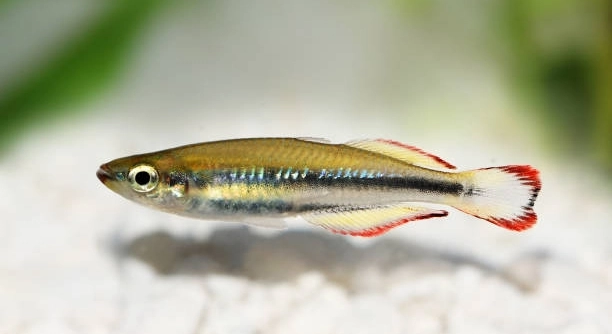
Are your rainbowfish acting skittish or hiding more than usual after you added new decorations to their tank? Many fish owners notice that even small changes in the aquarium can cause noticeable stress or discomfort.
Rainbowfish often dislike new decor due to sudden changes in their environment. Unfamiliar objects can disrupt their established territories, create stress, and trigger cautious behavior. Gradual introductions and observing their reactions can help maintain stability and well-being in the tank.
Understanding these reactions will help you create a comfortable space for your fish while minimizing stress caused by new additions.
Sudden Changes in Territory
Rainbowfish are naturally territorial and feel secure in familiar surroundings. Adding new decorations can interfere with their established spaces, making them nervous. When a tank layout changes, some fish may hide behind plants, swim less, or avoid open areas. Even subtle adjustments like moving rocks or rearranging plants can trigger this response. In a tank where rainbowfish have set routines, sudden changes can disrupt their sense of safety. Fish rely on landmarks to navigate, and new items can confuse them. Gradually introducing changes and observing their reactions can help them adapt more easily. Providing hiding spots and keeping parts of the old layout visible allows them to feel secure while exploring new decor. Over time, their confidence typically returns, but initial stress is normal. Consistent water conditions and avoiding overcrowding also play an important role in helping rainbowfish feel safe in a changing environment.
Small territorial changes can make rainbowfish anxious and hesitant, often leading to temporary hiding and reduced activity.
Patience is key when introducing new items. Allowing fish to adjust at their own pace reduces stress and encourages natural behavior, making the aquarium a calmer place.
Unfamiliar Colors and Shapes
Rainbowfish may react negatively to decorations with bright colors or unusual shapes.
Bright or shiny decorations can seem threatening or alarming. Rainbowfish rely on visual cues to assess safety, and sudden contrasts may trigger stress. Large or oddly shaped objects can block sightlines or create shadows that feel unsafe. Even decorations that look appealing to us can disrupt a fish’s comfort level. For example, metallic ornaments or neon-colored plants might startle them or cause them to hide more often. Over time, fish can become accustomed to new colors and forms, but initial reactions are usually cautious. It’s helpful to choose items that blend naturally with the tank’s environment, keeping patterns and tones more subdued. Additionally, spacing decorations to maintain open swimming areas ensures they don’t feel trapped. By observing behavior and slowly introducing new colors, you can minimize stress and help rainbowfish settle into the updated environment without constant anxiety.
Overcrowding the Tank
Too many decorations can make the tank feel cramped and stressful for rainbowfish. Limited swimming space leads to frustration, hiding, and less natural behavior.
Crowded tanks restrict movement and reduce visibility, which rainbowfish rely on to feel safe. When decorations are packed too closely, fish may become territorial over smaller areas, increasing tension and stress. They prefer open swimming spaces with scattered hiding spots rather than cluttered tanks. Overcrowding also impacts water flow and circulation, affecting oxygen levels and overall health. Even if decorations are aesthetically pleasing, too many can overwhelm your fish, making them avoid certain areas or remain hidden most of the time. Gradual addition of items with careful spacing allows fish to explore without feeling trapped, maintaining both comfort and tank beauty. Observing their reactions and adjusting placement ensures the environment stays balanced and stress-free, letting rainbowfish behave naturally.
Providing open areas between decorations encourages swimming and reduces conflict, helping rainbowfish remain active and calm.
Sensitive to Light and Reflection
Rainbowfish may dislike shiny or reflective decorations that cause light flashes in the tank.
Reflections can confuse fish, making them think other fish are intruders or competitors. Glass ornaments, mirrors, or polished surfaces can create sudden flashes of light when sunlight or artificial lighting hits them. This can startle rainbowfish, causing them to dart around or hide for long periods. Even subtle reflections can increase stress levels over time, affecting feeding and social behavior. Choosing matte-finished or natural-colored decorations reduces unwanted reflections, helping fish feel secure. Positioning lighting carefully and avoiding direct glare on reflective surfaces also minimizes stress. By keeping reflections under control, rainbowfish can navigate their environment confidently without unnecessary fear or anxiety, promoting healthy activity and interactions in the tank.
Gradual exposure to new objects combined with careful placement helps rainbowfish adjust to changes, keeping their environment stimulating but not overwhelming.
Strong Scents or Chemicals
Rainbowfish are sensitive to strong smells or residues on new decorations. Chemicals from paints, plastics, or adhesives can irritate them and cause avoidance.
Even decorations labeled as “safe for aquariums” may leach substances if not rinsed properly. Thorough washing and soaking before placement helps prevent stress and protects water quality.
Sharp or Rough Edges
Decorations with jagged edges can injure rainbowfish while swimming. Scratches on fins or bodies increase the risk of infection and make fish more cautious.
Choosing smooth, rounded items and inspecting each piece before adding it to the tank ensures safety. Rounded rocks, driftwood, or polished ornaments prevent injuries and allow fish to explore freely without hesitation.
Sudden Noise or Vibration
Rainbowfish can startle easily from vibrations caused by moving decorations or tapping on the tank glass. Sudden disturbances trigger hiding and cautious swimming behaviors, affecting their comfort and routine.
FAQ
Why do my rainbowfish hide when I add new decorations?
Rainbowfish hide because they feel their territory has changed. They rely on familiar landmarks to navigate and feel safe. New decorations can block sightlines or take over spaces they used to patrol. Giving them time and keeping some familiar areas visible helps them adjust gradually.
How long does it take for rainbowfish to get used to new decor?
Adjustment time varies. Some fish may settle within a few hours, while others take days or even a week. Factors like tank size, number of decorations, and individual temperament influence how quickly they adapt. Observing their behavior daily helps you know when they are comfortable.
Can I use brightly colored decorations in my tank?
Bright decorations are not harmful but can stress rainbowfish if they are too contrasting or reflective. Fish perceive sudden color changes as potential threats. Choosing natural colors or soft tones reduces stress and makes them more likely to explore new areas.
Is it safe to rearrange decorations frequently?
Frequent rearranging can increase anxiety and stress. Rainbowfish need consistency to feel secure. If you like changing the look of your tank, do it slowly and one section at a time. Leaving familiar areas intact allows them to explore without feeling threatened.
Do reflections from glass or shiny ornaments bother rainbowfish?
Yes, reflections can confuse or startle rainbowfish. They may mistake their reflection for another fish and become territorial or nervous. Avoid mirrored surfaces or shiny objects, and adjust lighting to minimize glare. Matte or natural decorations are usually the safest choice.
How do I know if my decorations are safe for rainbowfish?
Inspect every item before adding it to the tank. Smooth surfaces are safest, and avoid sharp edges or toxic paints. Rinse decorations thoroughly to remove residues. Driftwood, polished stones, and aquarium-safe plastics are usually reliable options.
Why do rainbowfish react more to new decorations in small tanks?
In smaller tanks, space is limited, and new objects take up more room. Fish feel confined and more stressed by changes. Providing open swimming areas and placing decorations strategically helps maintain comfort. Overcrowding increases stress and reduces natural behaviors.
Can hiding spots reduce stress for rainbowfish?
Yes, hiding spots help rainbowfish feel secure while exploring new items. Plants, caves, or smooth rocks allow them to retreat when stressed. Having multiple options ensures all fish can find a safe space, preventing competition and anxiety.
What should I do if my rainbowfish refuses to come out after adding new decor?
Be patient and avoid moving them or rearranging the tank further. Check water quality and ensure no sharp or chemically treated items are present. Gradually remove or adjust the new items if stress persists, allowing the fish to regain confidence.
Do all rainbowfish react the same way to new decorations?
No, individual temperament matters. Some are curious and explore immediately, while others are cautious or shy. Observing each fish’s behavior helps you make adjustments suited to their comfort and promotes a healthier, calmer tank environment.
Can adding too many decorations affect water quality?
Yes, excessive decorations can trap debris and reduce water circulation, affecting oxygen levels. Poor water quality stresses rainbowfish, making them less active and more prone to illness. Clean decorations regularly and space them to allow proper flow.
How can I introduce new decorations safely?
Rinse and soak new items before adding them. Introduce one or two changes at a time, keeping some familiar areas intact. Observe behavior closely for signs of stress, and adjust placement gradually. This helps rainbowfish acclimate without unnecessary anxiety.
Are plastic plants better than live plants for sensitive rainbowfish?
Both can work, but plastic plants may have sharp edges or release chemicals if low-quality. Live plants provide hiding spots, reduce stress, and improve water quality. Choose smooth, non-toxic options and avoid over-crowding to maintain a safe environment.
Does the type of lighting affect rainbowfish reactions to new decor?
Yes, harsh or flickering lights combined with shiny objects can startle fish. Soft, consistent lighting reduces reflections and shadows, helping rainbowfish feel more secure while exploring new decorations. Adjust lights to highlight decor gently without causing stress.
Can I use ornaments with small openings or caves?
Yes, but ensure the openings are large enough for all fish to pass through safely. Rounded edges prevent injuries. Multiple hiding spots reduce competition and allow shy fish to feel secure, encouraging natural swimming and exploration behavior.
How often should I check on my rainbowfish after adding new items?
Daily observation is important, especially during the first week. Watch for hiding, reduced feeding, or aggression. Adjust decorations gradually if stress signs persist. Consistent monitoring helps maintain a safe and comfortable environment for all fish.
What signs show my rainbowfish are finally comfortable with new decorations?
They begin swimming openly, exploring previously avoided areas, and feeding normally. Interactions with other fish return to usual patterns. Relaxed movement and curiosity indicate they have adapted successfully and feel secure in the updated tank environment.
Can using natural materials reduce stress more than artificial ones?
Yes, driftwood, smooth stones, and natural plants provide familiar textures and shapes. Rainbowfish respond well to materials that mimic their natural habitat. These items also enhance water quality, making the tank healthier and reducing stress from unfamiliar artificial objects.
Should I remove all new decorations if my rainbowfish stay hidden for days?
Not always immediately. Observe carefully and check for sharp edges, chemicals, or overcrowding. Sometimes gradual adjustment or repositioning is enough. Complete removal may be necessary only if stress persists or injuries occur.
Does tank size change how rainbowfish react to new items?
Yes, larger tanks give fish more space to explore and retreat. Small tanks magnify stress because decorations take up more space. Strategic placement and limited additions are more important in confined environments to keep fish comfortable.
Can introducing multiple new items at once overwhelm rainbowfish?
Yes, sudden multiple changes increase stress and hiding behavior. Introduce one or two items at a time, allowing fish to adjust before adding more. Gradual changes support natural behavior and reduce anxiety, keeping the tank calm and balanced.
Are there decorations rainbowfish generally prefer?
Rainbowfish tend to favor smooth rocks, gentle plants, and open swimming areas. Hiding spots with natural shapes or caves are appreciated. Items that mimic their natural environment encourage exploration while maintaining a sense of safety and reducing stress.
How can I balance aesthetics with rainbowfish comfort?
Prioritize smooth, non-toxic items, natural colors, and open spaces. Position decorations to allow free swimming and multiple hiding spots. A thoughtful arrangement maintains beauty without compromising fish well-being, ensuring a visually pleasing tank that keeps rainbowfish healthy and calm.
Do rainbowfish ever stop reacting to new decorations entirely?
Yes, once they acclimate, most rainbowfish explore freely and interact normally. Patience and gradual introduction are key. Over time, they treat new items as part of their territory, reducing hiding and cautious behavior while maintaining curiosity and natural activity.
How important is water quality when adding new decorations?
Water quality is crucial. Poor conditions amplify stress from new items, affecting health and behavior. Clean decorations thoroughly, monitor parameters, and ensure proper filtration to keep rainbowfish comfortable and reduce negative reactions to changes in their environment.
Can rearranging decorations improve behavior if done carefully?
Yes, small, gradual changes can refresh the tank without causing stress. Maintain familiar areas while introducing new layouts. Observing reactions allows adjustments that encourage activity and exploration while keeping rainbowfish calm and comfortable in their environment.
What should I do if a new decoration causes aggression among rainbowfish?
Remove or reposition the item immediately. Ensure enough open space and hiding spots for all fish. Monitor interactions closely and adjust decorations gradually. Proper spacing and careful observation prevent prolonged stress and support peaceful coexistence.
Are some rainbowfish more sensitive than others?
Yes, individual temperament affects reactions. Shy or smaller fish may hide longer, while bolder individuals explore quickly. Tailoring decoration choices and placement to your fish’s behavior ensures all members of the tank feel secure and comfortable.
How do I introduce a large centerpiece without stressing rainbowfish?
Place it slowly, leaving familiar areas intact. Observe reactions and adjust if hiding persists. Ensure open swimming space and multiple retreats nearby. Gradual introduction helps rainbowfish accept large additions while maintaining comfort and safety in their environment.
Can temperature or water flow affect reactions to new decor?
Yes, uncomfortable temperatures or strong currents make stress from new items worse. Keep water parameters stable and provide gentle circulation. Rainbowfish adapt better to changes when basic environmental conditions are comfortable and consistent, reducing anxiety around decorations.
How do I know if a decoration is physically safe for all rainbowfish sizes?
Check openings, edges, and surfaces. Large enough gaps prevent trapping smaller fish, and smooth surfaces prevent injuries. Observing interactions after placement ensures all fish can move safely and explore without risk. Safety is more important than aesthetics for a stress-free tank.
Is it better to buy decorations gradually rather than all at once?
Yes, gradual addition reduces stress. Introducing one or two items at a time allows fish to adapt and reduces hiding or aggressive behavior. This approach supports natural exploration and ensures that changes do not overwhelm the tank environment.
Do rainbowfish remember previous layouts?
Yes, they rely on familiar landmarks for orientation. Maintaining some consistent areas while introducing new items helps them navigate comfortably and reduces stress, allowing gradual adaptation without disrupting daily routines.
How can I encourage rainbowfish to explore new decorations safely?
Provide nearby hiding spots, soft lighting, and gradual exposure. Avoid sudden movements or rearrangements. Observing their behavior and spacing items thoughtfully encourages exploration without overwhelming them, supporting a calm and active tank environment.
Can live plants reduce hiding behavior around new items?
Yes, live plants provide natural cover, diffuse light, and soft surfaces. They allow rainbowfish to feel secure while exploring, decreasing hiding and promoting active swimming. Plants also improve water quality, supporting overall health while creating a comfortable and visually appealing environment.
Are ornaments with moving parts safe for rainbowfish?
Generally, no. Moving parts can startle or trap fish. Smooth, stationary items are safer and less stressful. Avoid decorations that shift with water flow or produce sudden movements, keeping the tank predictable and secure for rainbowfish.
How do I monitor stress levels after adding new decor?
Watch swimming patterns, feeding behavior, and interactions. Excessive hiding, aggression, or rapid breathing indicate stress. Adjust placement or remove items if needed. Consistent observation ensures rainbowfish adapt comfortably and remain healthy after environmental changes.
Can I combine natural and artificial decorations safely?
Yes, combining them works if you ensure all items are non-toxic, smooth, and placed thoughtfully. Maintain open swimming areas and hiding spots to balance aesthetics with comfort, creating a stress-free environment for rainbowfish.
How often should I update tank decor without stressing fish?
Minimal changes every few months are safest. Gradual introduction of new items with consistent familiar areas prevents stress and maintains stability, keeping rainbowfish active, healthy, and comfortable in their home.
Do rainbowfish react differently to small versus large decorations?
Yes, large items can feel intimidating or block territory, while small items are easier to explore. Both require thoughtful placement. Providing a mix of sizes with sufficient space ensures they feel safe while enjoying new features in the tank.
Are there signs that new decor is improving tank enrichment?
Rainbowfish swimming actively, exploring freely, and showing normal feeding patterns indicate successful enrichment. They interact with new items without hiding or aggression, suggesting that additions enhance the environment without causing stress or discomfort.
Can new decorations help reduce boredom in rainbowfish?
Yes, carefully chosen items encourage exploration, foraging, and social interaction. Gradual introduction keeps fish engaged while avoiding stress, promoting both mental stimulation and physical activity. Thoughtful placement ensures a balanced, comfortable habitat.
How can I balance safety, aesthetics, and enrichment in a rainbowfish tank?
Use smooth, non-toxic items, provide open swimming space, and create multiple hiding spots. Mix natural and artificial decorations gradually, monitoring behavior to ensure comfort. This balance supports fish well-being, reduces stress, and keeps the tank visually appealing without compromising safety.
Is it necessary to remove decorations that cause temporary hiding?
Not always. Temporary hiding is normal. Only remove items if stress persists, aggression occurs, or injuries are possible. Observing behavior and adjusting gradually usually allows rainbowfish to adapt safely.
Do rainbowfish prefer certain textures in decorations?
Yes, smooth surfaces feel safe, while rough or sharp textures can cause injury or avoidance. Driftwood, polished stones, and soft plants encourage exploration and reduce stress, creating a comfortable and stimulating environment.
Can rearranging decorations improve tank aesthetics without stressing rainbowfish?
Yes, gradual, minimal changes preserve familiar areas while refreshing the look. Proper spacing and monitoring reactions allow fish to explore safely, maintaining both visual appeal and comfort.
How can I prevent aggression when adding new items?
Ensure sufficient open space and multiple hiding spots. Introduce items gradually, monitor interactions, and adjust placement if fish compete over territory. Thoughtful planning reduces conflict and maintains a calm, balanced environment.
Are certain colors more soothing for rainbowfish?
Natural, muted tones are generally less stressful than bright, contrasting colors. Soft greens, browns, and blues mimic their natural habitat, encouraging exploration and comfort while minimizing avoidance or hiding behavior.
Should I acclimate decorations before placing them in the tank?
Yes, rinsing and soaking new items removes chemicals and residues. Gradual introduction allows rainbowfish to adjust without stress, ensuring a safe and comfortable environment.
Can large groups of rainbowfish tolerate more decorations?
Larger groups need multiple hiding spots to prevent competition. Careful spacing and gradual introduction reduce stress, allowing all fish to explore safely and maintain natural social interactions without territorial disputes.
Is observation the best way to adjust decorations for rainbowfish comfort?
Yes, watching behavior daily reveals signs of stress, hiding, or aggression. Adjusting placement, spacing, or the number of items based on observations ensures the tank remains safe, comfortable, and stimulating for all fish.
Can decorations affect breeding behavior?
Yes, unsuitable or stressful decor can inhibit spawning. Safe, smooth items and natural hiding spots support comfort, reduce stress, and encourage natural reproductive behavior in rainbowfish.
How can I introduce multiple new items without overwhelming my fish?
Add one or two pieces at a time, leaving familiar areas intact. Observe behavior, spacing items thoughtfully, and adjust if hiding or stress persists. Gradual introduction ensures comfort and maintains natural activity.
Do rainbowfish ever get bored with decorations?
Yes, they benefit from occasional rearrangement or new additions. Careful, gradual changes prevent stress while encouraging exploration, swimming, and mental stimulation. Variety keeps them active without compromising safety or comfort.
Can stress from new decorations cause illness?
Yes, prolonged stress weakens the immune system, increasing susceptibility to disease. Gradual introduction, safe materials, and stable water conditions reduce stress and support overall health.
Are there easy ways to test a decoration’s safety?
Inspect for sharp edges, smooth surfaces, and non-toxic materials. Rinse thoroughly and observe fish reactions initially. Safe decorations are gradually accepted without hiding, aggression, or injury, ensuring a comfortable environment.
Do rainbowfish ever adapt to reflective surfaces?
Yes, over time, some may tolerate mild reflections. Gradual exposure and reducing sudden glare help them adjust, though minimizing reflective surfaces is usually safer and less stressful.
How important is consistency in the tank while adding new items?
Consistency provides security. Maintaining familiar areas and stable water conditions while introducing new decorations gradually helps rainbowfish adapt without excessive stress, ensuring healthy and natural behavior.
Can decorations affect feeding behavior?
Yes, stressful or obstructive items may cause fish to hide during feeding. Open swimming space and accessible feeding areas reduce disruption, ensuring all rainbowfish eat comfortably.
Is it better to remove old decorations when adding new ones?
Not always. Keeping some familiar items maintains a sense of security. Gradual replacement or rearrangement helps fish adapt while retaining comfort and reducing stress.
Do rainbowfish need time alone to adjust to new items?
Yes, shy individuals may retreat temporarily. Providing multiple hiding spots ensures all fish can adjust safely without competition or conflict, supporting a calm and balanced environment.
Can water temperature changes worsen stress from new decor?
Yes, unstable temperatures make fish more sensitive to changes. Maintaining consistent temperature reduces stress and helps rainbowfish adjust more easily to new decorations.
Are some materials better for long-term tank use?
Yes, smooth, non-toxic plastics, driftwood, polished stones, and live plants last longer and remain safe. Avoid low-quality plastics or painted items that may degrade over time, keeping the environment stable.
Can decorations influence social behavior?
Yes, proper spacing and hiding spots reduce aggression and territorial disputes. Thoughtful arrangement encourages healthy interactions and natural schooling behavior while minimizing stress.
How do I know if my tank has too many decorations?
If rainbowfish hide frequently, show aggression, or have limited swimming space, the tank may be overcrowded. Reducing or rearranging items ensures sufficient open areas and comfort.
Is gradual exposure always the safest method?
Yes, introducing one or two items at a time with familiar areas intact minimizes stress, allows adaptation, and promotes natural behavior. Observation ensures adjustments are effective.
Do rainbowfish remember which decorations are safe?
Yes, they recognize familiar, non-threatening items and may explore them confidently over time. Consistency and gradual introduction help them identify safe areas while adapting to new features.
Can adding too many hiding spots backfire?
Yes, excessive hiding spots can create competition or limit swimming space. Balance is key. Multiple options without overcrowding allow comfort and natural activity without increasing stress.
Do decorations affect rainbowfish sleep patterns?
Stressful or reflective items may cause restlessness. Safe, natural decorations and consistent lighting help maintain normal day-night cycles, supporting health and reducing anxiety.
Can I mix textures safely for enrichment?
Yes, combining smooth rocks, driftwood, and soft plants provides stimulation. Avoid sharp or rough surfaces. Balanced textures encourage exploration while maintaining safety and comfort.
Do rainbowfish prefer open areas over hiding spots?
They need both. Open areas allow swimming and activity, while hiding spots provide security. Balanced tank layout supports natural behavior and reduces stress.
Can decorations help reduce aggression in community tanks?
Yes, multiple hiding spots and open swimming spaces reduce territorial disputes. Thoughtful placement helps all fish coexist peacefully while exploring and interacting naturally.
Are ornaments with enclosed spaces safe for small rainbowfish?
Yes, as long as openings are large enough to prevent trapping. Rounded edges and smooth surfaces ensure safety while providing shelter and reducing stress.
How can I tell if a decoration is visually stressful?
Watch for hiding, darting, or avoidance. Decorations with bright colors, strong reflections, or unusual shapes may cause stress. Adjust placement or choose subdued items to create a comfortable environment.
Do rainbowfish enjoy natural habitats recreated in tanks?
Yes, items resembling their native environment, like driftwood, smooth stones, and plants,
Final Thoughts
Rainbowfish are sensitive creatures that respond strongly to changes in their environment. Even small adjustments, such as adding a new decoration or rearranging existing items, can cause noticeable stress. Their behavior often reflects their comfort level, with hiding, reduced swimming, or cautious movements indicating that they feel insecure. Observing these signs is important for maintaining a healthy and stable aquarium. By paying attention to their reactions, you can ensure that any additions or changes are made in a way that supports their well-being. Rainbowfish thrive in environments where they feel secure and have consistent access to familiar landmarks, open swimming spaces, and adequate hiding spots. Maintaining these elements while slowly introducing new items helps reduce stress and allows fish to adjust gradually.
Choosing safe decorations is an essential part of creating a comfortable habitat. Smooth, non-toxic materials, natural colors, and rounded edges are preferred because they minimize risk of injury and reduce anxiety. Even decorations labeled as “aquarium safe” should be rinsed and soaked to remove residues or chemicals that may irritate the fish. Consider the size and placement of items carefully, as overcrowding can make fish feel trapped and increase territorial behaviors. Reflections, bright colors, or unusual shapes may also trigger stress, so it is best to introduce items gradually and monitor responses closely. Providing multiple hiding spots ensures that shy or smaller rainbowfish have access to secure areas without having to compete with others. Thoughtful planning when selecting and arranging decorations will help create a balanced tank that meets both aesthetic preferences and the natural needs of the fish.
Patience and observation are key to keeping rainbowfish comfortable and healthy. Gradual changes, consistent water conditions, and careful attention to fish behavior allow you to create a peaceful environment where they can explore, feed, and interact naturally. Stressful experiences from sudden or poorly chosen decorations can affect behavior, appetite, and even overall health, so taking the time to introduce new items slowly is essential. Over time, rainbowfish often adapt to new decorations, learning that they are safe and incorporating them into their territory. Maintaining open swimming areas alongside secure hiding spots encourages activity and reduces anxiety, resulting in a happier and more vibrant aquarium. By focusing on safety, gradual adaptation, and careful observation, you can support both the physical health and natural behavior of rainbowfish, making your aquarium an environment where they feel secure, active, and engaged.

Hello,
If you enjoy the content that we create, please consider saying a "Thank You!" by leaving a tip.
Every little bit helps us continue crafting quality advice that supports the health, happiness, and well-being of pets around the world, for pets of all shapes, sizes, and species.
We really appreciate the kindness and support that you show us!