
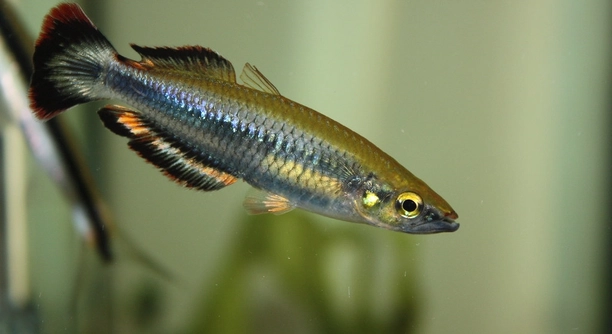
Many people enjoy keeping rainbowfish for their vibrant colors and active swimming. These small fish bring life to any tank, but caring for them can sometimes feel overwhelming. Stress in rainbowfish is more common than most realize.
Rainbowfish experience stress primarily due to improper tank conditions, sudden environmental changes, and incorrect feeding practices. Ensuring stable water parameters, adequate space, and appropriate diet significantly reduces stress levels and promotes overall health and longevity in these freshwater species.
Learning the right techniques to maintain a calm environment helps rainbowfish thrive. Proper care and awareness can prevent common mistakes that often lead to unnecessary stress.
Overcrowded Tanks
Keeping too many rainbowfish in a small tank can cause serious stress. When space is limited, fish compete for swimming room, hiding spots, and oxygen. Overcrowding raises waste levels, which affects water quality. Poor water conditions can lead to sickness and behavioral issues. Even if your fish seem active, they might be experiencing stress that isn’t obvious at first. It’s better to provide more space than risk overpopulating the tank. A tank that allows free movement helps fish feel secure. Adding plants and decorations can create hiding spots and reduce stress. Regularly checking the number of fish and the tank size ensures their environment stays healthy. Observing your fish’s behavior can give clues if they are uncomfortable or stressed.
Proper tank size is essential to reduce stress in rainbowfish. A spacious environment with sufficient swimming area and clean water helps maintain their health, behavior, and coloration. Overcrowding increases competition and deteriorates water quality, leading to avoidable stress.
Making adjustments to reduce overcrowding improves not only water quality but also fish behavior. Fish swim more naturally, display vibrant colors, and interact calmly when given room. Monitoring the tank population and avoiding overstocking can prevent long-term stress problems. Decorations and plants also create separate spaces, helping shy or smaller fish feel safe. Taking small steps like this keeps the tank balanced, making care easier and your rainbowfish happier overall.
Sudden Water Changes
Rapid changes in water temperature or chemistry can shock rainbowfish. Even small shifts in pH, hardness, or temperature can create stress. Fish may hide, lose color, or become lethargic. Slow adjustments are necessary to avoid discomfort. Introducing new water gradually and testing parameters is key to their well-being.
Maintaining consistent water parameters is critical for rainbowfish health. Sudden changes disrupt their natural stability, causing stress, illness, or death if not addressed properly. Monitoring levels regularly prevents accidental shocks.
Water changes should be carefully managed. Replace only a portion of the tank water at a time, and ensure the new water matches the temperature and chemistry of the existing environment. Using a water conditioner can remove chlorine or harmful chemicals. Testing pH, ammonia, nitrite, and nitrate levels frequently ensures the water stays safe. Even minor fluctuations can affect their metabolism and immunity. By making gradual adjustments and observing behavior closely, you can minimize stress and keep your rainbowfish healthy. Consistent care fosters calm behavior, vibrant colors, and longer life in the tank.
Poor Diet
Rainbowfish need a varied diet to stay healthy. Feeding the same food every day can lead to nutrient deficiencies and stress. Including high-quality flakes, pellets, and occasional live or frozen foods supports their growth and coloration. Avoid overfeeding to maintain water quality.
Providing a balanced diet helps maintain energy, immune function, and vibrant colors in rainbowfish. A mix of protein and plant-based foods meets their nutritional needs. Overfeeding can pollute the tank, raising ammonia levels and creating stress. Feeding small portions multiple times a day encourages natural foraging behavior. Occasional treats like brine shrimp or daphnia add variety and stimulate activity. Paying attention to their appetite and adjusting portions ensures each fish gets enough food without overloading the tank. Consistency in diet, combined with careful observation, keeps rainbowfish healthy and reduces stress.
Even small changes in diet can improve their overall condition. Rotating foods and monitoring which types your fish prefer can prevent selective eating. Ensuring all individuals receive enough food reduces aggression during feeding. A proper diet directly influences growth, immune strength, and the ability to cope with minor environmental stresses. Taking time to plan meals and balance nutrients is a small effort that pays off with calmer, more vibrant rainbowfish.
Lack of Hiding Spots
Rainbowfish feel stressed without places to hide. Open tanks can make them feel exposed and insecure. Plants, rocks, and decorations provide shelter and reduce anxiety. Even a few hiding spots make a noticeable difference in their behavior and color intensity.
Hiding spots are crucial for managing stress in rainbowfish. They allow fish to retreat when feeling threatened or during social interactions. Tanks with only open space may cause fish to swim nervously or display aggression. Providing both tall plants and low structures ensures all individuals can find comfort. Decorations should be arranged to create natural pathways and private areas. Consistent placement helps fish recognize safe zones, lowering chronic stress. Over time, they become more confident and active, exploring more freely without constant fear. Hiding spots also benefit shy or new fish, easing transitions and promoting healthier social dynamics.
Plants and decorations serve more than aesthetic purposes; they directly impact well-being. Dense foliage, caves, and driftwood mimic natural environments, giving fish control over their surroundings. When rainbowfish can choose when to hide or explore, aggression between tank mates decreases. Observing how fish interact with these spaces provides insight into social hierarchies and stress levels. Rotating decorations or adding new plants periodically stimulates natural behavior while maintaining security. Even simple adjustments in tank layout can enhance comfort, encourage natural swimming patterns, and improve overall health.
Incompatible Tank Mates
Rainbowfish can become stressed when housed with aggressive or overly dominant species. Fighting or constant chasing reduces their swimming freedom and increases anxiety. Choosing peaceful, similarly sized fish helps maintain a calm environment. Avoiding territorial or fin-nipping species prevents unnecessary stress.
Even peaceful species need compatible activity levels. Fast-moving or large fish can intimidate rainbowfish, causing them to hide or lose appetite. Observing interactions and separating incompatible fish ensures a balanced tank and reduces stress.
Poor Water Filtration
Insufficient filtration leads to cloudy water and harmful chemical buildup. Rainbowfish need clean, well-oxygenated water to thrive. A reliable filter maintains water clarity, reduces toxins, and supports overall health, keeping stress levels low.
Irregular Lighting
Inconsistent light schedules confuse rainbowfish and disrupt natural rhythms. Sudden darkness or prolonged light can cause stress, affecting behavior and coloration. Using a timer creates a steady day-night cycle.
How can I tell if my rainbowfish is stressed?
Rainbowfish show stress in several ways. They may swim frantically, hide more than usual, or lose their bright coloration. Lethargy, loss of appetite, and clamped fins are also common signs. Watching behavior daily helps identify early stress before it leads to health problems.
What is the best tank size for rainbowfish?
Rainbowfish need space to swim freely. A minimum of 30 gallons is recommended for a small group, with larger tanks preferred for bigger schools. Providing adequate space reduces competition, prevents aggression, and helps maintain stable water conditions, all of which lower stress levels and support healthy growth.
How often should I feed my rainbowfish?
Rainbowfish should be fed small portions two to three times daily. Overfeeding can pollute the tank, while underfeeding leads to malnutrition and stress. Rotate between high-quality flakes, pellets, and occasional live or frozen foods. Monitoring consumption ensures all fish get enough without compromising water quality.
What water parameters keep rainbowfish healthy?
Stable water conditions are essential. Rainbowfish thrive in slightly alkaline water with a pH between 7.0 and 8.0. Temperature should be kept around 74–78°F. Ammonia and nitrite levels must remain at zero, and nitrate should stay low. Regular testing and water changes maintain these conditions.
Can rainbowfish live with other fish?
Yes, but tank mates must be peaceful and similar in size. Aggressive or fin-nipping species can stress rainbowfish. Ideal companions include tetras, rasboras, and small peaceful catfish. Avoid overly territorial fish to prevent conflicts and ensure a calm, balanced environment.
How do I prevent overcrowding?
Overcrowding raises waste levels and creates constant competition for space. Stock rainbowfish in groups of six or more in appropriately sized tanks. Monitor growth and add additional space or divide tanks if numbers increase. Proper planning keeps fish calm and reduces stress-related behaviors.
Do decorations and plants really help?
Yes, plants and hiding spots reduce stress by giving fish places to retreat. Natural decorations like rocks, caves, and driftwood create safe areas, mimic natural habitats, and encourage natural swimming patterns. Even minimal decorations can significantly improve comfort and behavior.
How should I handle water changes?
Water changes should be done gradually. Replace 20–25% of tank water weekly, ensuring new water matches temperature and chemistry. Sudden changes shock fish and can cause stress. Using a water conditioner removes chlorine and other harmful substances. Monitoring water quality keeps rainbowfish healthy.
Why is lighting important for rainbowfish?
Consistent lighting maintains natural rhythms. Sudden or irregular light periods confuse fish, affecting feeding, activity, and color. Using a timer for 10–12 hours of light daily creates a stable environment. Plants also benefit from regular lighting, contributing to overall tank health.
What should I do if a fish looks sick?
Isolate the affected fish immediately. Check water parameters and inspect for visible signs of disease. Adjust temperature, improve water quality, and provide appropriate treatment if necessary. Early intervention prevents the spread of illness and reduces stress on other fish.
Can stress affect rainbowfish coloration?
Yes, stressed rainbowfish often lose their bright colors. Maintaining proper tank conditions, diet, and compatible tank mates helps preserve vibrant coloration. Calm, stable environments encourage natural behaviors and reduce chronic stress, keeping colors healthy and vivid.
How do I introduce new fish without causing stress?
Quarantine new fish for at least two weeks to prevent disease. Introduce them slowly, using a divider if necessary, to allow gradual acclimation. Monitor interactions closely to ensure new and existing fish are compatible, reducing fighting and stress in the tank.
Are there any seasonal care changes needed?
Rainbowfish care may vary slightly with seasons. Temperature fluctuations can occur if room temperature changes, so heaters may be necessary in cooler months. Maintain stable water parameters year-round to prevent seasonal stress. Consistent routines help fish adapt naturally.
How important is monitoring behavior daily?
Daily observation is critical. Small changes in swimming, appetite, or interaction can indicate stress before serious issues arise. Being attentive allows quick adjustments to diet, water quality, or tank setup, preventing long-term problems and keeping rainbowfish healthy.
Can stress cause health problems?
Yes, chronic stress weakens the immune system and increases susceptibility to disease. Stressful conditions like poor water quality, incompatible tank mates, or inadequate diet can lead to illness. Reducing stressors and providing proper care supports long-term health and longevity.
How do I maintain a calm environment for rainbowfish?
Maintain stable water parameters, provide hiding spots, avoid overcrowding, and choose peaceful tank mates. Consistent feeding schedules and lighting also help. A predictable, comfortable environment minimizes stress, promotes natural behavior, and enhances coloration and overall well-being.
Caring for rainbowfish requires attention to several important details, but it does not have to feel overwhelming. Understanding what causes stress in these fish is the first step toward keeping them healthy and comfortable. Many common mistakes, such as overcrowding, improper diet, sudden water changes, and lack of hiding spots, can be avoided with careful planning and observation. By providing a stable environment with the right tank size, compatible tank mates, and consistent water conditions, rainbowfish are more likely to display natural behaviors and vibrant colors. Even small adjustments, like adding a few plants or decorations, can significantly reduce stress and improve their overall well-being. Observing your fish daily helps identify problems early, allowing you to make changes before they become serious. Regular testing of water quality, maintaining a balanced diet, and monitoring fish interactions are all simple ways to ensure their needs are met.
It is important to remember that stress does not always show immediately. Some rainbowfish may hide quietly or swim less, while others may lose color gradually or refuse food. These subtle signs are just as important as more obvious behaviors like frantic swimming or aggression. Taking the time to understand each fish’s normal behavior allows you to recognize when something is off. Stress can affect immune systems, making fish more prone to illness, so early intervention is critical. Small, consistent actions, such as partial water changes, providing varied food, and keeping a calm environment, help prevent chronic stress and its long-term effects. Making the effort to maintain stable lighting and temperature schedules also contributes to a sense of routine and security for your fish. By addressing these areas, you not only improve their health but also create a more peaceful and enjoyable tank for yourself.
Ultimately, keeping rainbowfish healthy and stress-free is about balance and attention. Avoiding overcrowding, feeding a proper diet, providing hiding spots, and ensuring compatible tank mates form the foundation of good care. Consistency in water quality, lighting, and daily observation supports long-term well-being. Even small changes, such as rearranging decorations or rotating foods, can have a big impact on their comfort and behavior. With thoughtful care and regular monitoring, rainbowfish can thrive, displaying bright colors and active swimming patterns. Understanding their needs and responding to signs of stress allows for a calm and thriving tank. By focusing on these key factors, your rainbowfish can live longer, healthier lives, and you can enjoy watching them flourish in a stable and supportive environment.

Hello,
If you enjoy the content that we create, please consider saying a "Thank You!" by leaving a tip.
Every little bit helps us continue crafting quality advice that supports the health, happiness, and well-being of pets around the world, for pets of all shapes, sizes, and species.
We really appreciate the kindness and support that you show us!