
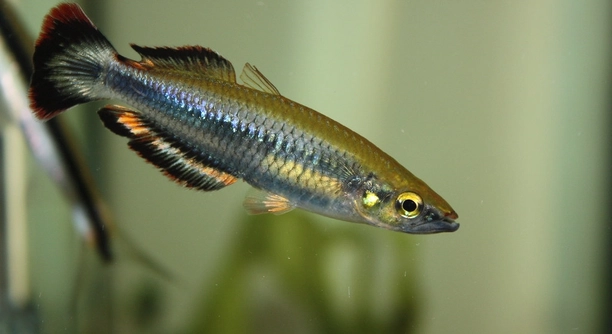
Have you ever watched rainbowfish move around their tank and noticed how lively they can be as they interact with their surroundings, creating bursts of motion that make you wonder what they are capable of?
Rainbowfish can jump because their strong bodies and quick reflexes allow rapid bursts of upward movement, helping them escape threats and navigate shifting conditions in their environment. This natural behavior reflects their adaptation to dynamic aquatic habitats in the wild.
Learning why rainbowfish show this energetic behavior helps you understand their needs better, guiding you toward creating a calm habitat.
Why Rainbowfish Jump
Rainbowfish jump for simple reasons tied to survival and movement, and understanding these reasons helps you care for them with more confidence. In the wild, they often face shifting conditions, so quick upward bursts allow them to avoid danger or reach safer areas. When kept in an aquarium, similar instincts appear when they react to sudden motion, bright lights, or changes in their environment. If the tank is too small or lacks enough cover, they may feel exposed and act on impulse. I have noticed that when their space feels crowded or noisy, they become more reactive. A calm setting with steady lighting and gentle water flow usually helps them settle. Giving them room to swim and placing the tank in a quiet area reduces stress. When these needs are met, their movements become smoother, and the chance of sudden leaps becomes much lower in their daily routine at home.
Keeping an eye on their behavior helps you notice patterns that signal stress or restlessness. Small changes in lighting, noise, or tank layout can trigger sudden movement, so creating a stable environment makes a meaningful difference in how comfortable they feel each day as they adjust to their surroundings gently.
Understanding why rainbowfish react so quickly helps you shape a tank that supports their natural behavior without overwhelming them. Calm water flow, secure lids, and soft lighting all work together to reduce the urge to leap. When they have hiding spots and enough room to move, they feel safer and respond more smoothly to daily activity. I like giving them a few plants to break up open areas, since it helps them settle during busy times. With steady care and attention, their movements become more predictable, allowing you to enjoy their energy without worrying about sudden jumps in your tank.
Factors That Influence Jumping Behavior
Several conditions in the tank can influence how often rainbowfish attempt to jump, including water quality, temperature changes, and overall activity around the aquarium. When these factors shift too quickly, the fish may react with sudden movement that can lead to upward bursts, especially when they feel startled or uncertain.
Creating a stable tank helps reduce the likelihood of rainbowfish jumping, and understanding the elements that affect their comfort makes this easier. Water quality plays a major role, since sudden drops in oxygen or rising ammonia levels can make them restless. Regular maintenance keeps conditions steady, allowing them to move calmly rather than react abruptly. Temperature swings can also influence their behavior, so a reliable heater prevents rapid changes that might startle them. Noise and vibration near the tank can be another trigger, and placing the aquarium in a calm location protects them from constant disturbances. Bright lights switching on too quickly may cause them to leap, so using gradual lighting helps them adjust without panic. A secure lid is essential, not just for safety but also for peace of mind, since rainbowfish are naturally active. Adding floating plants or gentle decor near the surface reduces open space and lowers the chance of sudden upward movement. I have seen how providing structured areas gives them confidence as they swim. When their needs are met, they show smoother patterns and maintain better balance in the tank. These small adjustments help create a safer space that supports their nature without encouraging jumping.
How Stress Affects Jumping
Stress makes rainbowfish more reactive, and small triggers can lead to sudden leaps. Loud sounds, rapid movements near the tank, or changes in water conditions can all heighten their tension. I try to keep their space steady, since even minor shifts can influence how they respond throughout the day.
Managing stress in rainbowfish starts with keeping their environment consistent. Clean water, quiet surroundings, and a stable temperature help them feel secure. When their tank feels unpredictable, they react more sharply, which increases the chance of jumping. I have noticed that when I rearrange plants or decor too often, they become uneasy until things settle. Giving them gentle light transitions, enough swimming room, and hiding spots allows them to move with confidence rather than fear. Simple adjustments like placing the aquarium away from heavy foot traffic keep them calmer and less likely to leap when startled by sudden motion.
Watching their daily behavior gives you a clear picture of their comfort level. Signs like fast darting, hiding more than usual, or hovering near the surface can signal that something feels off. When I notice these changes, I check their water quality and surroundings right away. Softening their environment by reducing noise and bright flashes helps them relax. Over time, creating a predictable routine makes them steadier, lowering the risk of sudden upward movements that might put them in danger.
Environmental Factors That Increase Activity
Environmental shifts often make rainbowfish more active, especially when something disrupts their regular pattern. Strong currents, bright lighting, or frequent tank maintenance can raise their energy levels quickly, and this added movement sometimes results in sudden leaps when they feel overwhelmed or confused by the changes.
Keeping their surroundings balanced helps prevent these bursts of activity from becoming risky. Water flow should be gentle enough to avoid pushing them toward the surface, and lighting should change gradually so they can adjust without panic. I also try not to make too many changes at once, since multiple disturbances can make them restless. When their tank has plants and shaded spaces, they settle more easily, moving in smoother patterns. Regular maintenance is important, but doing it calmly and consistently helps them understand what to expect. Over time, these small efforts create a peaceful space that supports healthy movement without increasing the chance of sudden jumps.
How Tankmates Influence Jumping
Tankmates can affect how calm rainbowfish feel, especially if the other fish are fast or territorial. When they sense sudden movement nearby, they react quickly, which can lead to upward bursts. I try to pair them with peaceful species to keep their environment balanced.
Watching how fish interact helps you notice tension early. If rainbowfish get chased or crowded, they may retreat toward the surface. When I see this happening, adjusting the tank layout or giving them more space usually helps. Calm companions make them steadier and less likely to leap suddenly.
Feeding Habits and Sudden Movement
Feeding time can trigger quick reactions, especially if food drops too fast or other fish gather aggressively. Rainbowfish rush toward the surface, and the excitement sometimes leads to sudden leaps. I like to feed them in smaller portions, so they stay focused and move more gently during meals.
When Activity Peaks
Rainbowfish often become more energetic during bright hours or when the room feels lively. Extra movement near the tank can make them more alert, and they respond with sharp motions. Keeping their space calm during busy times helps them stay settled and less reactive.
FAQ
Why do rainbowfish jump out of the tank sometimes?
Rainbowfish jump when they feel startled or unsafe. Sudden noises, vibrations, or changes in lighting can trigger quick upward movements. I have seen them leap when the tank lid isn’t fully secure or if the water surface is too open. Providing a secure lid and keeping the environment consistent usually prevents accidental escapes. They also respond instinctively to perceived threats, so even minor disturbances near the aquarium can cause them to react quickly. Ensuring steady conditions helps them feel safe and reduces unnecessary jumps.
Can rainbowfish hurt themselves when they jump?
Yes, they can get injured if the tank is not properly covered or if they hit hard surfaces. A strong jump onto a countertop or floor can cause serious harm. I always make sure the tank has a secure lid and some floating plants near the surface. These measures cushion their movement and prevent accidents. Even small injuries can affect their health, so keeping them in a safe, enclosed space is important. Regular observation helps catch any signs of stress or minor injury early before it worsens.
Do all types of rainbowfish jump equally?
Not all rainbowfish are the same in their jumping behavior. Some species, like the Boesemani rainbowfish, are more active and prone to sudden upward bursts, while others are calmer. I have noticed that younger or smaller rainbowfish tend to jump more frequently than older ones. Differences in temperament, size, and energy levels play a role in how often they leap. Observing your specific fish allows you to adjust their environment to reduce risk, such as adding plants, calming water flow, or pairing them with peaceful tankmates.
How can I prevent rainbowfish from jumping?
Preventing jumps requires a combination of environment control and behavioral understanding. Keeping a secure lid is essential. I also reduce bright light changes, loud noises, and sudden movements near the tank. Adding floating plants and decorations gives them areas to explore safely. Ensuring water quality is stable and temperature is consistent keeps them calm. Creating a predictable environment reduces stress and makes them less reactive. Gradual feeding routines and gentle water flow also help. Over time, these small adjustments lower the likelihood of sudden leaps and keep the fish healthier.
Does jumping indicate stress or illness?
Jumping can sometimes signal stress, though not always illness. Sudden upward bursts often happen when rainbowfish feel unsafe, crowded, or threatened. I pay attention to other signs, such as unusual hiding, loss of appetite, or dull coloration. Stress is more common than sickness when the behavior is occasional and linked to environmental changes. Maintaining clean water, proper temperature, and calm surroundings minimizes stress. If other symptoms appear alongside jumping, it may indicate illness, requiring closer monitoring or professional advice. Regular observation helps differentiate between normal energetic behavior and potential health concerns.
Is jumping normal behavior for rainbowfish in aquariums?
Yes, jumping is part of their natural instincts. In the wild, they use quick upward movements to escape predators or navigate obstacles. I notice that even in a well-maintained tank, they sometimes leap during feeding or when startled. Providing a secure and enriched environment helps channel this natural energy safely. Understanding that jumping is instinctive allows you to design a tank that reduces risk without suppressing normal behavior. Observing their energy patterns helps identify what triggers jumps and how to minimize stress safely.
Can tank size affect jumping behavior?
Yes, small or overcrowded tanks often increase jumping incidents. Limited space makes rainbowfish feel confined, which heightens their reaction to sudden changes. I find that providing a tank with enough swimming room and hiding spots reduces this behavior significantly. Adequate water circulation and proper decor also give them comfort and confidence, lowering the need to leap unexpectedly. Monitoring how they interact with their surroundings in different tank sizes allows adjustments that promote calm, safe movement. Proper tank planning is one of the simplest ways to prevent unnecessary jumping.
Do rainbowfish jump more at certain times of day?
Yes, they tend to be more active during daylight hours or when the environment around the tank is lively. I notice bursts of movement in the morning or when feeding occurs. During these times, extra activity and light changes can trigger jumping. Keeping their space calm, minimizing sudden noise, and providing shaded areas can reduce these daytime jumps. Observing their energy peaks helps in adjusting feeding and maintenance schedules to align with their natural rhythm, reducing stress and the likelihood of accidental leaps.
Are there specific foods that make rainbowfish more active and likely to jump?
High-energy foods, like live or protein-rich options, can increase their activity levels. I feed them in smaller portions to prevent chaotic feeding behavior that sometimes leads to jumping. While treats can be healthy, overfeeding or offering too many lively foods at once may excite them excessively. Spacing out meals and choosing a mix of flakes, pellets, and occasional live foods helps maintain a steady activity level. Controlled feeding supports their natural energy without encouraging unsafe leaps. Monitoring how they react to different foods allows adjustments to keep the tank environment calm.
Does adding plants or decorations reduce jumping?
Yes, plants and decorations provide hiding spaces and break up open areas near the surface. I place floating plants and sturdy décor to create zones for exploration and comfort. When rainbowfish feel secure and have visual barriers, they are less likely to leap out of instinct or stress. Decorations mimic natural habitats, which helps them move confidently without sudden bursts. Observing how they interact with the setup allows me to reposition elements for better security. This simple step makes a noticeable difference in reducing jumping incidents.
Can water temperature or quality affect jumping?
Absolutely. Sudden changes in temperature or poor water quality can startle rainbowfish. I maintain a consistent temperature with a reliable heater and perform regular water tests to ensure stability. Sharp fluctuations increase their stress and reactionary movement, while clean, stable conditions promote calm swimming. Proper oxygen levels and pH balance also contribute to a safe, predictable environment. Ensuring these factors remain consistent helps reduce unnecessary jumping and keeps the fish healthy and comfortable.
Rainbowfish are naturally active and energetic fish, and their jumping behavior is a normal part of how they interact with their environment. In the wild, these quick movements help them escape predators, navigate obstacles, and respond to sudden changes in their surroundings. Even in an aquarium, these instincts remain strong, and it’s common to see them leap unexpectedly during feeding times, sudden noises, or when they feel startled. Understanding that jumping is part of their natural behavior helps you respond calmly and create a safe habitat that supports their energy without putting them at risk. Observing their habits over time gives insight into what triggers these jumps, allowing you to adjust the environment accordingly.
Maintaining a stable and secure tank is one of the most effective ways to reduce jumping incidents. A secure lid is essential, along with adequate swimming space and gentle water flow to keep them comfortable. Providing hiding spots and floating plants near the surface can break up open areas, making the fish feel more secure. Regular maintenance, such as checking water quality, temperature, and oxygen levels, ensures the tank remains predictable and safe. I have found that even small adjustments, like gradually changing lighting or minimizing sudden movements around the tank, can have a significant impact on reducing stress and the instinct to leap. When rainbowfish feel secure and their needs are met, their behavior becomes more predictable, and they move with confidence rather than panic.
Watching rainbowfish closely and understanding their behavior allows you to provide a supportive environment that balances their natural instincts with safety. Paying attention to tankmates, feeding routines, and daily activity patterns helps you notice when the fish are more prone to jumping. Small steps, such as feeding in controlled portions and reducing environmental disturbances, make a meaningful difference in how they respond. Over time, creating a consistent, calm environment allows rainbowfish to thrive, displaying their energetic personality safely. By recognizing their needs and natural tendencies, you can enjoy their vibrant activity while minimizing the risks associated with jumping. A well-prepared tank not only keeps them safe but also encourages healthy, happy behavior that reflects their natural instincts.

Hello,
If you enjoy the content that we create, please consider saying a "Thank You!" by leaving a tip.
Every little bit helps us continue crafting quality advice that supports the health, happiness, and well-being of pets around the world, for pets of all shapes, sizes, and species.
We really appreciate the kindness and support that you show us!