
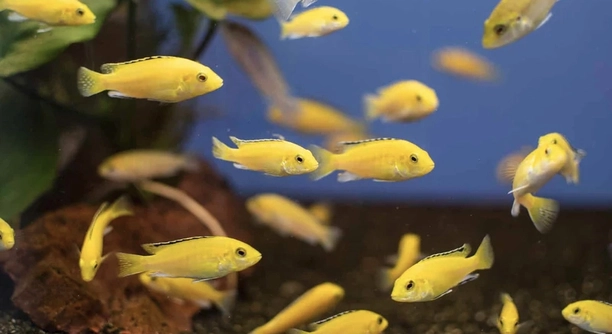
Cichlids are fascinating fish with vibrant colors and distinct personalities. They often prefer staying near rocks, plants, or hiding spots rather than swimming in open spaces. Observing their behavior can reveal much about their instincts and comfort levels.
Cichlids avoid open spaces primarily due to natural survival instincts. Open areas expose them to predators and stress, so they gravitate toward sheltered environments, such as rocks, caves, and dense vegetation, which provide safety and opportunities for territorial control and reproduction.
Learning about these tendencies can help aquarists create more suitable and stress-free habitats for their cichlids. Proper tank design ensures these fish thrive while exhibiting natural behaviors.
Territorial Instincts
Cichlids are naturally territorial fish. In the wild, they stake out areas that provide shelter, food, and breeding opportunities. Open spaces make them feel exposed and vulnerable, which increases stress and aggressive behaviors. A tank without adequate hiding spots can cause constant movement, chasing, or hiding. Rocks, plants, and caves allow them to establish boundaries where they feel secure. These fish rely heavily on visual markers and landmarks to recognize their territory. Without them, they may become disoriented or anxious. Proper tank setup that mimics their natural habitat reduces stress and promotes healthy interactions among tank mates. Providing multiple hiding places ensures that each cichlid can maintain its own safe area without constant confrontation. The more structured the environment, the less likely they are to swim openly or feel threatened by other fish.
Territorial behavior directly influences their avoidance of open spaces, making structured tank setups crucial for their well-being and stress reduction.
Maintaining multiple hiding areas helps cichlids explore confidently. Rocks, driftwood, and plants give them safe spots while still allowing observation. Creating levels in the tank adds visual interest and secure zones, keeping their stress levels low and promoting natural behavior.
Predator Avoidance
Cichlids instinctively avoid open spaces to reduce exposure to predators.
In both wild and home environments, being in the middle of open water makes them vulnerable. Staying close to shelters allows quick retreats if threatened. This behavior ensures survival and reduces stress. Open areas may cause constant darting or hiding, which affects feeding and health. Over time, cichlids adapt to tank layouts, preferring areas that feel protected. Multiple shelters create a sense of security and allow natural exploration without fear. Observing how they choose these spaces provides insight into their comfort levels. By understanding predator avoidance instincts, aquarists can design tanks that support natural behaviors and reduce unnecessary stress, resulting in calmer and more active fish. Proper placement of plants, rocks, and caves mimics protective environments, ensuring their instinctive behaviors are respected. Well-designed spaces not only enhance visual appeal but also improve overall fish health, encouraging confident swimming and interaction.
Social Hierarchy
Cichlids rely on social hierarchy to feel secure. Open spaces can disrupt their sense of dominance, making them hesitant to swim freely. They prefer areas where they can establish status without constant confrontation or stress.
Hierarchy affects interactions daily. Dominant cichlids claim the best hiding spots, while submissive ones stay near the edges or under cover. Open spaces leave them feeling exposed and insecure, triggering stress behaviors like rapid swimming or hiding. Tank design that provides multiple territories and visual barriers allows all fish to assert dominance naturally, reducing aggression and fear. These setups also promote feeding, exploration, and breeding behaviors by giving fish confidence in their personal space. By respecting social hierarchy through tank arrangement, cichlids exhibit more relaxed and predictable behavior, minimizing unnecessary stress caused by open, unprotected areas.
By observing which fish claim certain areas, aquarists can adjust tank layout to balance comfort and social order, helping cichlids feel more secure and active without exposing them to empty spaces that cause anxiety.
Breeding Instincts
Cichlids often stay near cover to protect eggs or fry. Open areas make them feel vulnerable and less likely to reproduce. Safe hiding spots are essential for successful breeding.
During breeding periods, cichlids invest heavily in guarding territory, eggs, or young. Open spaces prevent them from performing these instinctive behaviors, as they cannot quickly retreat or shield their offspring. Providing caves, dense plants, or rock formations allows them to establish nesting areas and reduces stress during this critical period. Fry need protection from both tank mates and environmental stressors, and enclosed spaces offer this naturally. Reproduction is directly linked to a sense of security, and tanks that mimic natural shelters encourage healthy breeding cycles. Overlooking the importance of secure spaces can lead to lower breeding success, increased aggression, and higher stress levels. Observing cichlids’ preference for sheltered areas ensures their reproductive instincts are supported, and fish remain healthy and confident.
Stress Reduction
Cichlids stay near cover to feel safe and reduce stress. Open spaces leave them exposed, increasing anxiety and causing erratic behavior.
Providing rocks, plants, and caves helps them relax. Secure areas allow calmer swimming and encourage natural behaviors, reducing health risks associated with prolonged stress.
Feeding Strategies
Cichlids often feed near protective structures. Open areas make them cautious, slowing down feeding and limiting access to food. Dense plants or rocks offer a sense of security, allowing them to approach food confidently. Consistent placement of feeding zones near shelters encourages regular eating habits and reduces competition stress. Observing where they prefer to feed helps optimize tank layout, ensuring all fish get proper nutrition. By providing multiple feeding points near cover, aquarists can prevent dominant fish from monopolizing resources while supporting natural foraging behaviors. Feeding strategies tied to safe areas promote healthier, less stressed cichlids, maintaining both growth and energy levels in the tank.
Energy Conservation
Cichlids avoid open spaces to conserve energy. Exposed swimming increases stress and requires more effort, so sheltered areas are preferred.
Camouflage
Cichlids use hiding spots and structured environments to blend in. Open water leaves them easily spotted and vulnerable, making concealment near rocks or plants essential for survival.
Why do cichlids avoid open spaces in my tank?
Cichlids naturally prefer areas with cover to feel safe. Open spaces make them feel exposed, increasing stress and cautious behavior. In the wild, these fish rely on rocks, caves, and plants to hide from predators. In a tank, even without predators, this instinct remains strong. Providing hiding spots encourages confident swimming and reduces erratic movements caused by fear or insecurity.
How can I make my tank more comfortable for cichlids?
Adding rocks, caves, driftwood, and dense plants creates a secure environment. Multiple hiding areas reduce conflicts among fish and help establish territories. Arrange these features to form natural barriers and shelters throughout the tank. Avoid overly large empty zones where fish may feel exposed. Varying heights and layers also provide visual markers and resting spots. Proper tank decoration supports natural behaviors, feeding, and breeding instincts while lowering stress levels. Observing how your cichlids interact with these spaces allows adjustments to improve their comfort and overall well-being.
Do cichlids ever swim in open spaces?
They may occasionally move through open areas but usually only for short periods or when searching for food. Open swimming is risky for them instinctively, so most activity occurs near cover. Over time, fish may explore more as they feel secure, but sheltered areas remain preferred. Encouraging safe pathways between hiding spots can make occasional open swimming more comfortable.
Can tank size influence their behavior?
Yes, a larger tank with insufficient cover can amplify stress. Even in spacious environments, cichlids avoid exposed areas if shelters are limited. Conversely, smaller tanks with well-placed hiding spots can make fish feel safer and more active. Proper tank design balances space with security. Including multiple hiding areas and visual breaks in large tanks ensures that no fish feels too exposed. Adjusting tank layouts based on observed behavior helps create a stable, less stressful environment where cichlids can thrive naturally.
Does stress from open spaces affect their health?
Chronic exposure to open areas can lead to elevated stress, weakening immune responses and increasing susceptibility to disease. Stressed cichlids may eat less, swim erratically, or show aggression. Providing adequate cover prevents these health issues and promotes normal behavior. Stress reduction is critical for longevity and vibrant coloration. Tank layout that mimics their natural environment ensures mental and physical well-being, supporting feeding, breeding, and social interactions. Observing body language and swimming patterns can help detect stress early, allowing corrective measures before it impacts overall health.
How does social hierarchy affect their preference for cover?
Dominant cichlids claim prime hiding spots, while submissive ones stay near secondary shelters or edges. Open spaces create anxiety for lower-ranking fish and can increase aggression. Multiple hiding places allow all fish to assert territory safely, reducing conflicts and stress. Observing which fish occupy certain areas helps in rearranging decorations or adding more cover to maintain harmony and prevent bullying. Proper attention to social hierarchy ensures cichlids feel secure, swim confidently, and maintain normal feeding and breeding behaviors without unnecessary stress.
Will breeding behavior change if open spaces are limited?
Yes, cichlids need protected areas to lay eggs and guard fry. Open spaces make them hesitant to reproduce due to vulnerability. Providing caves, dense plants, or rocks allows safe nesting areas, encourages natural breeding, and increases survival rates of fry. Observing their choice of breeding spots helps fine-tune tank layout. Ensuring secure environments supports reproductive instincts, reducing stress and aggression during mating periods, while allowing both parents and fry to thrive.
Can feeding be affected by open spaces?
Cichlids often feed near cover to feel safe. Open water feeding can make them hesitant and slow their eating. Placing food near rocks, plants, or caves ensures fish approach confidently and prevents dominant individuals from monopolizing meals. Multiple feeding points near safe areas support healthy growth and reduce stress-related aggression. Observing feeding patterns allows adjustments to improve nutrition and maintain calm, active fish. Proper feeding strategies linked to secure zones help cichlids thrive physically and mentally.
How do I know if my cichlids are stressed by open areas?
Signs include rapid swimming, hiding constantly, aggression, or reduced appetite. Fish may stick to tank edges or crowded spots near shelter. Monitoring these behaviors indicates discomfort and guides tank rearrangement. Adding more hiding spaces, visual barriers, or plants can alleviate stress and promote calmer, natural activity. Consistent observation ensures early intervention before stress impacts health, breeding, or social behavior. A well-designed tank allows confident exploration while respecting their instinctive need for protection.
Are certain cichlid species more sensitive to open spaces?
Yes, species with strong territorial or hiding instincts are more affected. African cichlids, for example, rely heavily on rocks and caves, while some South American species may tolerate more open water. Understanding the natural habitat of each species helps create suitable tank layouts, with appropriate hiding spots, territorial zones, and protective structures. Tailoring the environment to species-specific behaviors ensures reduced stress, proper feeding, social stability, and overall well-being. Observation of individual preferences allows for further refinements in tank design.
This FAQ addresses common concerns and practical solutions for keeping cichlids comfortable, active, and healthy while respecting their instinctive avoidance of open spaces.
Cichlids are fascinating and complex fish with behaviors shaped by instincts that have developed over thousands of years. One of their most noticeable tendencies is avoiding open spaces, which is deeply connected to survival, comfort, and natural behavior patterns. In their natural habitats, open areas make them more vulnerable to predators, and even in home aquariums, these instincts remain strong. Providing adequate hiding spots, rocks, plants, and caves allows cichlids to feel safe while moving around the tank. These sheltered areas not only reduce stress but also encourage natural behaviors, such as exploring, feeding, and interacting with other fish. Observing how cichlids use these spaces gives valuable insight into their personality and comfort level, helping aquarists better meet their needs.
The avoidance of open spaces also ties directly to their social hierarchy and territorial instincts. Dominant cichlids claim the best shelters, while more submissive fish find safety in secondary hiding spots. If a tank lacks sufficient cover, tensions can rise, leading to increased aggression, stress, and even health problems. Multiple hiding areas, visual barriers, and well-placed decorations can mitigate these issues and promote a more balanced environment where all fish feel secure. Providing structured spaces also supports feeding and breeding behaviors, as fish feel confident in approaching food or protecting eggs and fry without fear. Understanding these dynamics allows aquarists to design aquariums that are both functional and stimulating, creating a safe environment that mirrors their natural habitat while encouraging healthy activity.
Ultimately, caring for cichlids involves respecting their natural instincts and providing an environment that supports them fully. Open spaces are not inherently harmful, but too much exposure can trigger stress, reduce feeding efficiency, and discourage breeding. By observing their preferences, learning their social structures, and arranging the tank to include plenty of hiding spots and visual markers, aquarists can ensure their cichlids thrive. Every tank is different, so attention to behavior, placement of shelter, and the balance of open versus protected areas is essential. When these factors are carefully considered, cichlids remain healthy, active, and confident, displaying vibrant colors and engaging behaviors that make keeping them rewarding. Creating a safe and stimulating environment not only improves their well-being but also allows the aquarist to enjoy the natural charm and personality of these remarkable fish.

Hello,
If you enjoy the content that we create, please consider saying a "Thank You!" by leaving a tip.
Every little bit helps us continue crafting quality advice that supports the health, happiness, and well-being of pets around the world, for pets of all shapes, sizes, and species.
We really appreciate the kindness and support that you show us!