
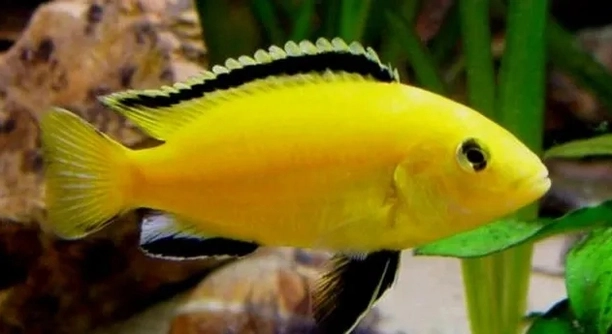
Do you ever notice the smallest fish in a tank quietly moving around while the bigger ones seem to dominate? Sometimes, these unassuming fish show surprising leadership, taking control in ways that catch everyone off guard.
Even the least aggressive fish can assert dominance through strategic positioning, resource control, or subtle behavioral cues. These fish often influence group movement, feeding patterns, and territory management, demonstrating that aggression is not the sole determinant of aquatic leadership.
Observing these unexpected behaviors reveals how intricate and dynamic underwater communities can be, highlighting the remarkable strategies even the quietest fish employ to succeed.
When a Tiny Fish Leads the Feeding Frenzy
In many aquariums, the smallest fish often stay quiet, letting larger fish grab the first bites. Yet, sometimes, the least aggressive fish positions itself perfectly to take advantage of every food drop. This fish observes carefully, noticing where the food is distributed and timing its movements precisely. By staying at the edge or under larger fish, it can swoop in when no one expects it. Its calm demeanor prevents it from drawing attention while still ensuring it gets its share. Other fish may scatter or hesitate, giving the quiet fish a chance to move efficiently. Over time, this behavior becomes consistent, showing how non-aggressive fish can influence feeding patterns. Observing this can change how we think about dominance and resource control in aquariums, proving that patience and timing can outweigh sheer size or strength.
Even without aggression, subtle tactics allow small fish to shape feeding order and access.
This type of leadership shows that being strategic matters more than being loud. Quiet fish teach us that observation, patience, and timing can give them control in ways that surprise both other fish and onlookers. Their success at feeding is a lesson in the power of subtle influence over direct force.
Taking Control of Territory
Small fish often claim corners or hidden areas that larger fish overlook.
Despite their size, these fish mark space by gently nudging others and choosing spots with safety and resources. Their presence alone discourages intrusions without needing overt fights. When larger fish approach, the smaller fish’s persistence and positioning often make the bigger fish move elsewhere. This behavior ensures the tiny fish maintains access to food, hiding spots, or mating areas. Over time, these fish demonstrate an ability to manage space efficiently. In tanks with many species, such behavior can influence how the entire group moves and settles. The quiet, consistent claim to territory shows that dominance is not only physical. It requires awareness of surroundings, timing, and the ability to influence others subtly. By observing these moments, we see how small fish quietly manage complex social interactions, shaping the environment without aggression.
Territorial influence proves size does not always determine control, and subtlety can win in structured environments.
Through careful observation, it becomes clear that even the least aggressive fish can orchestrate territory use. By strategically positioning themselves and interacting consistently with their surroundings, they affect movement, feeding, and resting patterns. These fish show how observation and gentle assertion create stability and influence, turning a quiet presence into leadership that the rest of the tank respects. Their example demonstrates that control can be maintained without confrontation, emphasizing patience, timing, and strategy as essential tools for success in aquatic communities. Even small actions, repeated thoughtfully, can shift group dynamics significantly, showing the understated power of calm and deliberate behavior.
Leading During Group Movement
Small fish often swim at the edges but can subtly guide the group’s direction. Their positioning and timing influence how others move, even if they appear passive.
By staying in the right spot and moving consistently, these fish affect the pace and direction of the group. Others often follow without realizing it, responding to small shifts in movement. The least aggressive fish takes advantage of the group’s tendencies, using observation rather than force. This behavior ensures safety and efficiency, showing that leadership does not always require aggression. Consistent timing and subtle cues allow the smallest fish to shape group patterns effectively.
Observing this, it becomes clear that calm, strategic movements can determine how groups act. Quiet influence guides the group, proving that size and aggression are not always needed to take charge. Subtle leadership often works better than force.
Influencing Social Hierarchies
Small fish frequently interact with others in ways that shift attention and priorities within the group. Their behaviors can indirectly adjust the hierarchy without confrontation.
By being present in key spots and using small gestures, these fish can control interactions. Nudging at the right time, positioning themselves near resources, or showing interest in particular spaces shifts how others respond. Even without fighting, these actions influence who eats first, who moves where, and how the group organizes itself. Repeated over time, this quiet influence shapes social dynamics and establishes the small fish as an unexpected leader, respected for its timing and awareness rather than size.
The least aggressive fish demonstrates that influence comes from observation, positioning, and subtle cues. Consistency in these actions allows them to quietly shape group behavior. By understanding the routines and habits of others, the small fish ensures its presence affects decisions and interactions across the tank, guiding both movement and access to resources. These moments highlight how strategy, patience, and awareness can redefine traditional ideas of dominance and control within aquatic communities.
Navigating Around Aggressive Tankmates
Small fish often find ways to move without provoking larger, aggressive fish. They use corners, plants, and shadows to stay safe while still reaching key areas.
This cautious approach allows them to get what they need without engaging in conflicts. Observing and understanding the behavior of others helps them move confidently and strategically, showing patience can be a form of control.
Leading During Cleaning Sessions
Even the quietest fish can take the lead when algae or debris is present. They often start nibbling first, encouraging others to follow. By being consistent, they influence the pace and pattern of the cleaning, showing that small fish can guide group activity effectively.
Guiding Movement Through Narrow Spaces
The least aggressive fish often slips through tight areas first. Their timing helps the rest of the group move safely and efficiently, demonstrating influence without confrontation.
What makes the least aggressive fish able to take charge?
Even the quietest fish can influence group behavior through observation, positioning, and timing. By staying aware of the movements and habits of others, these fish can act in ways that guide feeding, movement, and territory use without needing aggression. Their calm presence allows them to navigate safely while affecting decisions of larger, more dominant fish.
How does a small fish lead during feeding times?
Small fish often position themselves near food sources but wait for the right moment to move. They observe larger fish, noting where the food is dropped and how others react. When the timing is right, they move in quietly to get their share. This strategy minimizes risk and maximizes reward, showing that patience and observation are effective tools for influence.
Can small fish control group movement?
Yes. Even without size or aggression, small fish can guide the group by their movements. Swimming at the right spot, they subtly influence others’ direction. Groups respond to these cues, often following the quiet fish without noticing. Repetition of this behavior establishes a pattern, allowing the small fish to lead safely and efficiently.
Why do less aggressive fish succeed in territory management?
Smaller fish often claim overlooked areas, such as corners, plants, or shaded regions. By occupying these spaces consistently, they deter others without conflict. Nudging or gently signaling their presence can prevent intrusions. Over time, this quiet persistence shapes the way resources are used, showing that subtlety can maintain control.
How do small fish influence social hierarchies?
Through consistent behavior, these fish affect the priorities and interactions of the group. Being present in key locations or interacting with certain individuals can shift attention and influence feeding order. Over time, others adapt to their presence, recognizing the subtle leadership without any need for aggression.
Do quiet fish have advantages over aggressive ones?
Yes. Aggressive fish often expend energy on confrontations, while quiet fish conserve energy and avoid injury. They can exploit timing, positioning, and observation to gain access to food, shelter, and mating opportunities. Their calm strategy often results in steady influence, proving that aggression is not the only path to success.
What strategies do small fish use to avoid conflict?
Small fish often use corners, plants, and shadows to stay safe. They move slowly and observe patterns before acting. By predicting others’ behavior, they can navigate spaces without provoking aggression. This cautious approach allows them to maintain influence without risking their safety.
How consistent are these behaviors?
Consistency is key. Small fish repeat the same tactics over time, establishing trust and predictability in their actions. This allows the group to respond in predictable ways, giving the quiet fish ongoing influence. Their repeated success shows how strategy and awareness can outweigh size or aggression.
Can observing these behaviors help aquarium care?
Yes. Noticing which fish guide movement, feeding, or territory helps understand group dynamics. It informs decisions on feeding schedules, tank layout, and social interactions. Awareness of subtle leaders can prevent stress and ensure a balanced environment for all species in the tank.
Are these behaviors seen in all species of small fish?
Many species show these behaviors, but the extent varies. Social species with group dynamics are more likely to exhibit subtle leadership. Observing different species helps identify how strategy, timing, and patience influence group behavior, demonstrating the wide-ranging impact of non-aggressive fish in aquatic environments.
Do small fish impact the behavior of larger fish?
Yes. Larger fish often adjust their movements and feeding patterns in response to small fish. Subtle positioning and timing can influence who eats first or where the group moves. This demonstrates that influence is not limited to size, but also includes awareness and strategic action.
What is the takeaway from these behaviors?
Quiet, non-aggressive fish teach that patience, observation, and timing can shape social and environmental dynamics. They show that influence does not require force and that careful strategy can create lasting control in aquatic communities.
Small, quiet fish often surprise us with their ability to influence the behavior of other fish in the tank. Even without aggression or size, they find ways to guide feeding, movement, and social interactions. Their strategies rely on careful observation and patience, showing that subtle actions can have a large impact. By watching how these fish behave, we can see that leadership is not always about being the strongest or loudest. Instead, it can come from understanding the environment and the habits of others. The small fish demonstrates that careful timing and positioning are powerful tools that help them get access to food, territory, and social spaces. This quiet influence is consistent and effective, and it often shapes the overall dynamics of the group.
The ways these fish lead are varied and sometimes unexpected. They may move first during feeding, showing others where the food is and how to approach it. They may guide the group through tight spaces or influence which areas are claimed as territory. Even their presence alone can shift social hierarchies in the tank, as other fish adjust their movements and interactions around them. These actions often go unnoticed at first because they are subtle, but they have a significant effect over time. Small fish use strategy rather than aggression, and their consistent behavior reinforces their position. They demonstrate that influence is not always about size or strength, but about timing, awareness, and careful observation. Observing these moments helps us understand how aquatic communities function and how even quiet members can have a large role in shaping interactions and patterns.
Recognizing the impact of these less aggressive fish can change the way we think about fish behavior and leadership. It encourages a closer look at subtle interactions in the tank and appreciation for the strategies that smaller fish use. By paying attention to timing, positioning, and observation, we can see how these fish quietly shape feeding habits, movement, and territory management. Their approach is a reminder that patience and awareness are powerful, even in a setting dominated by larger or more aggressive species. Over time, these fish prove that quiet, consistent actions can be just as effective, if not more so, than forceful displays. Understanding this can improve how we manage aquariums, provide food, and arrange spaces for all species. The small, unassuming fish shows that influence comes in many forms, and that even the least aggressive members of a group can have control, demonstrating a subtle and thoughtful type of leadership in aquatic environments.

Hello,
If you enjoy the content that we create, please consider saying a "Thank You!" by leaving a tip.
Every little bit helps us continue crafting quality advice that supports the health, happiness, and well-being of pets around the world, for pets of all shapes, sizes, and species.
We really appreciate the kindness and support that you show us!