
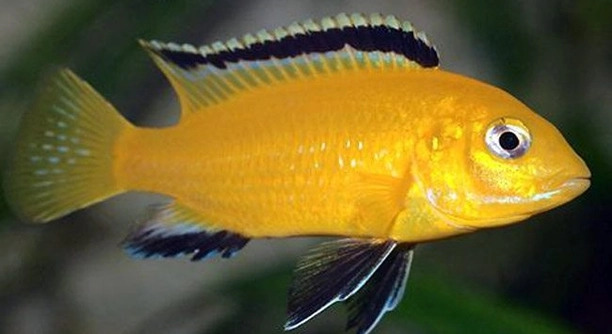
Have you ever spent time arranging your aquarium, only to notice your Electric Yellow Cichlids acting restless or hiding more than usual? Their bright colors are striking, yet keeping them healthy can sometimes feel challenging.
Electric Yellow Cichlids require regular water changes to maintain optimal health and water quality. Frequent water changes reduce harmful toxins, stabilize pH levels, and prevent bacterial buildup, ensuring a clean and balanced environment for these sensitive freshwater fish.
Maintaining a proper routine of water changes can make a noticeable difference in their behavior, coloration, and overall well-being. Learning the right schedule helps create a stable home for your cichlids.
Why Frequent Water Changes Matter
Keeping Electric Yellow Cichlids in a clean tank is essential for their health. Over time, fish waste, uneaten food, and decaying plants release toxins that can harm your fish. Even if the water looks clear, these substances build up silently. Regular water changes help maintain a stable environment and reduce stress. When water quality drops, cichlids may lose color, become less active, or develop illnesses. Many beginners underestimate the importance of consistent water maintenance, thinking occasional changes are enough. By establishing a routine, you can ensure ammonia, nitrite, and nitrate levels stay low. This not only promotes physical health but also encourages natural behavior. A stable tank allows your cichlids to feel secure and interact normally. Frequent water changes also prevent algae growth, which can interfere with oxygen levels. Overall, the practice keeps the aquarium balanced, supporting both the fish’s well-being and the longevity of the aquatic ecosystem.
Consistent water changes prevent sudden spikes in toxins, keeping your Electric Yellow Cichlids vibrant and active while minimizing stress and disease risks.
Many fishkeepers start with the idea that changing water once a month is sufficient, but Electric Yellow Cichlids thrive under more frequent maintenance. Weekly partial water changes, replacing 20-30% of the tank volume, help remove waste while keeping beneficial bacteria intact. These bacteria are critical for breaking down ammonia and nitrites, forming the backbone of a healthy nitrogen cycle. Skipping water changes or replacing too much water at once can disrupt this balance, leading to health problems. Temperature and pH levels also fluctuate less with regular changes, which is important for cichlids sensitive to sudden shifts. Observing your fish during these maintenance routines provides insight into their behavior and health. Over time, you will notice more vibrant colors, improved activity levels, and fewer signs of stress. Simple, consistent water care creates an environment that supports strong, resilient cichlids and reduces the likelihood of costly interventions.
How to Schedule Water Changes
A consistent schedule makes it easier to keep the tank clean and predictable for the fish.
For Electric Yellow Cichlids, it is best to perform weekly partial water changes. Start with 20% of the tank volume and adjust based on tank size, fish population, and feeding habits. If the tank is heavily stocked or overfed, slightly larger changes may be needed. Always use dechlorinated water at the same temperature as the tank to prevent shock. Monitoring water parameters weekly can help determine whether adjustments are necessary. Small, frequent changes are safer than infrequent large replacements, which can stress the fish. By sticking to a routine, you maintain water clarity, control nitrate levels, and support the overall health of your cichlids.
Signs Your Electric Yellow Cichlids Need a Water Change
Cloudy water, sluggish behavior, and faded colors are clear signs your cichlids require a water change. Even small changes in water quality can affect their activity and appetite, so observing these indicators regularly is important for their health.
Sudden aggression or hiding can also indicate poor water conditions. High levels of ammonia or nitrites can stress your fish, making them more prone to disease. Paying attention to subtle behavioral changes helps prevent serious health issues. Testing water parameters weekly gives a clearer picture of when a change is needed, and keeping notes over time can reveal patterns that make maintenance easier.
Regular monitoring of tank conditions ensures you respond promptly to your cichlids’ needs. Even if the water looks clean, chemical imbalances can harm them. Observing behavior, testing water, and following a consistent schedule keeps your fish active, colorful, and healthy.
Best Practices for Water Changes
Always use a siphon or gravel vacuum to remove debris efficiently during water changes.
Replace only part of the tank water at a time to avoid shocking your fish. Matching the temperature and pH of new water to the tank is essential. Avoid using untreated tap water, as chlorine and chloramines are harmful. Removing around 20-30% weekly is generally effective, but adjust based on tank size and fish density. Smaller, frequent changes are safer than large, infrequent ones. Cleaning decorations and substrate occasionally also helps maintain a balanced environment.
Consistency in water changes promotes stable conditions, reducing stress on your Electric Yellow Cichlids. Skipping water changes can quickly lead to toxic buildup, while frequent maintenance encourages vibrant colors, active behavior, and overall health. Monitoring water parameters such as ammonia, nitrites, and nitrates ensures that partial changes are sufficient and effective. Observing the fish during water replacement helps catch early signs of discomfort or illness. Over time, sticking to a routine simplifies tank management and strengthens the resilience of your fish. Small adjustments to frequency or volume can be made based on behavior, feeding habits, and overall water quality, ensuring your cichlids thrive in a well-maintained home.
Tools You’ll Need
A reliable aquarium siphon, a bucket, and a water conditioner are essential for effective water changes. A test kit for ammonia, nitrites, and nitrates helps track water quality and ensures your cichlids stay healthy.
Using a thermometer to match water temperature prevents stress. Cleaning brushes for decorations and substrate make maintenance easier and more thorough.
Avoiding Common Mistakes
Over-replacing water at once can shock your cichlids, causing stress or illness. Always replace only 20-30% of the tank water and adjust slowly when needed. Untreated tap water with chlorine or chloramines can harm fish and disrupt the tank’s balance.
How Often to Change Water
For most Electric Yellow Cichlid tanks, weekly partial water changes are ideal. Heavily stocked tanks may require slightly larger or more frequent changes. Monitoring water parameters helps adjust the schedule to maintain stable, safe conditions for your fish.
Benefits of a Clean Tank
A clean tank keeps fish vibrant and active. Clear water improves visibility and overall enjoyment of your aquarium.
FAQ
How much water should I change at a time for Electric Yellow Cichlids?
Partial water changes of 20-30% are recommended for weekly maintenance. This amount removes waste and toxins without stressing the fish or disrupting beneficial bacteria. Adjust slightly based on tank size, fish density, and feeding habits.
Can I use tap water directly from the faucet?
No, tap water contains chlorine or chloramines that are harmful to fish. Always treat it with a water conditioner before adding it to the tank. This ensures safe water while preserving the nitrogen cycle.
How often should I test water parameters?
Weekly testing is ideal for ammonia, nitrites, and nitrates. Frequent testing helps catch imbalances early, preventing stress or disease. Keeping a small log of results can make it easier to notice trends and adjust water changes.
Will more frequent water changes make my fish healthier?
Yes, frequent partial changes help maintain stable water quality, reduce toxins, and prevent sudden spikes in harmful chemicals. Over time, this routine promotes brighter colors, more active behavior, and fewer health issues.
Is it necessary to clean decorations and substrate during water changes?
Yes, debris can accumulate on decorations and substrate. Light cleaning during water changes helps remove uneaten food and waste. Avoid over-scrubbing, which can disturb beneficial bacteria important for the nitrogen cycle.
What signs indicate my cichlids need a water change immediately?
Cloudy water, visible algae buildup, sluggish behavior, or faded colors signal a water change is needed. Sudden aggression or hiding can also indicate poor water conditions. Observing these signs ensures timely maintenance before problems escalate.
Can I change water less often if my tank looks clean?
No, even clear water can contain harmful levels of ammonia or nitrates. Visual clarity doesn’t guarantee chemical balance, so stick to a consistent schedule and regular testing to keep the fish healthy.
Does water temperature matter during changes?
Yes, new water should match the tank temperature closely. Sudden temperature shifts can stress or shock your cichlids. Using a thermometer to check and adjust water prevents these problems.
What happens if I skip a water change?
Skipping changes allows toxins to build up, which can cause stress, illness, or color loss. Fish may become lethargic or more aggressive. Regular partial changes prevent these issues and maintain a stable environment.
How do I know if I am changing too much water at once?
Replacing more than 50% at one time can shock fish and disrupt beneficial bacteria. Stick to 20-30% weekly and observe your cichlids’ behavior. Signs of stress include hiding, rapid breathing, or erratic swimming.
Can I add new fish after a water change?
Yes, but it’s best to wait a few hours after a change to allow the water to stabilize. Sudden additions immediately after a change can stress both new and existing fish.
Are there tools that make water changes easier?
Yes, siphons, gravel vacuums, and buckets designed for aquariums simplify the process. Using a water conditioner, thermometer, and test kit ensures safe and consistent maintenance.
What’s the best way to keep track of water changes?
Keeping a small calendar or log helps track dates, percentages of water replaced, and parameter readings. This routine makes it easier to notice trends and maintain a healthy environment consistently.
Can overfeeding affect the need for water changes?
Yes, excess food decays in the tank, increasing ammonia and nitrate levels. Adjust feeding habits to match water change frequency. Removing uneaten food promptly reduces stress on your cichlids and keeps the tank cleaner.
Do Electric Yellow Cichlids need different water change schedules in different seasons?
Yes, temperature changes can affect metabolism, waste production, and water evaporation. Warmer water may require slightly more frequent partial changes to maintain stability. Monitoring water parameters helps adjust the schedule accordingly.
Is it safe to use bottled water for water changes?
Only if the water is free of additives and has similar pH and hardness to your tank. Many bottled waters contain minerals that can disrupt the aquarium’s balance, so tap water treated with conditioner is usually safer.
Will frequent water changes affect plant growth?
Not negatively if done correctly. Partial changes remove waste without removing nutrients excessively. Healthy plants can even help maintain water quality and provide hiding spots for cichlids.
Can I combine water changes with other tank maintenance?
Yes, partial water changes are a good time to lightly clean substrate, decorations, and check equipment. Combining tasks saves time while maintaining a balanced and safe environment for your cichlids.
How long does it take for water conditions to stabilize after a change?
Temperature and pH typically stabilize immediately if new water is matched correctly. Nitrogen cycle bacteria remain largely intact with partial changes, so the tank environment returns to normal quickly, keeping your fish comfortable.
Are there signs my water change schedule is working well?
Healthy, active cichlids with bright colors indicate a balanced tank. Clear water, stable pH, and low ammonia/nitrite readings confirm your maintenance routine is effective. Keeping notes over time helps ensure consistent success.
Final Thoughts
Keeping Electric Yellow Cichlids healthy requires more than just feeding them regularly. The quality of their water is just as important as their diet. Even if your fish appear active and colorful, underlying toxins can build up in the tank slowly. Over time, ammonia, nitrites, and nitrates can reach levels that stress or harm your cichlids. Partial water changes are a simple but effective way to manage these chemicals. By replacing only a portion of the water regularly, you remove waste while maintaining beneficial bacteria that help break down harmful substances. This balance is critical for the long-term health of your fish and helps prevent sudden illnesses or behavioral problems. Many fishkeepers notice a clear difference in the energy and vibrancy of their cichlids once they commit to consistent maintenance.
The schedule and method of water changes can influence the stability of your tank environment. Weekly partial water changes of 20-30% are generally sufficient for most setups. Heavily stocked tanks or those with frequent feeding may require slightly larger or more frequent changes. Matching the temperature and pH of replacement water to the existing tank water is crucial. Sudden changes in these conditions can stress fish, causing them to hide, swim erratically, or lose color. Observing your cichlids during and after water changes allows you to notice subtle signs of discomfort or health issues early. Using tools like a siphon, gravel vacuum, and water conditioner makes the process easier and safer for both you and your fish. Small, consistent steps often lead to better results than occasional large interventions.
Maintaining a healthy environment also reduces the likelihood of algae overgrowth and keeps the tank visually appealing. Clear water improves your ability to observe fish behavior and detect early signs of problems. In addition, plants, decorations, and substrate benefit from regular maintenance, helping the tank remain balanced and natural. Over time, sticking to a consistent water change routine can make fishkeeping more enjoyable and less stressful. Your Electric Yellow Cichlids will thrive, showing brighter colors, higher activity levels, and fewer health issues. Investing time in regular care creates a stable, supportive environment that benefits both the fish and the overall aquarium ecosystem. With attention to detail and patience, keeping your cichlids healthy and vibrant becomes a straightforward, manageable routine.

Hello,
If you enjoy the content that we create, please consider saying a "Thank You!" by leaving a tip.
Every little bit helps us continue crafting quality advice that supports the health, happiness, and well-being of pets around the world, for pets of all shapes, sizes, and species.
We really appreciate the kindness and support that you show us!