
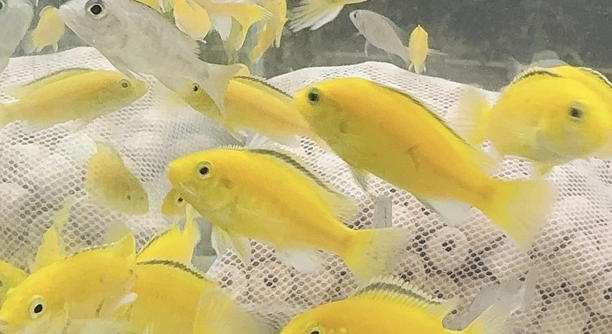
Hyperactive cichlids can make a tank feel chaotic and stressful. Their constant movement and chasing can disrupt the balance of the aquarium, making it harder to maintain a calm and visually pleasing environment for both fish and owner.
Minor adjustments in tank setup, feeding schedules, and environmental enrichment can significantly reduce hyperactivity in cichlids. Implementing consistent routines, adding hiding spaces, adjusting lighting, and moderating social interactions create a stable habitat, promoting calmer and healthier behavior patterns in the fish.
These small changes can transform a restless aquarium into a more peaceful, manageable environment, benefiting both the cichlids and the people caring for them.
Adjust Lighting and Tank Ambience
Cichlids are sensitive to bright and harsh lighting, which can increase their activity and stress levels. Dimming the lights slightly or using a timer to simulate natural day-night cycles helps create a calm environment. Plants, rocks, and driftwood can provide shaded areas where fish feel secure. When the tank is too bright or lacks hiding spots, cichlids may swim frantically, chasing each other or darting around. Adding floating plants or adjusting light intensity can reduce overexposure, which often triggers hyperactivity. A subtle change in the tank’s ambience encourages fish to explore calmly rather than react aggressively. Observing their behavior after these adjustments can help you determine the optimal setup. Over time, a balanced light schedule paired with natural hiding spaces contributes to overall tank stability. These steps are simple to implement and do not require major changes to existing equipment, making them effective for daily management of active cichlids.
Adjusting lighting helps cichlids feel secure, reducing stress and promoting calmer, more natural behavior throughout the day.
Consistency in lighting and shading encourages routine swimming patterns, preventing constant chasing and excessive activity. A stable tank environment supports healthy fish interactions and reduces sudden bursts of energy that can harm both the fish and the tank setup. Observing their adaptation allows you to fine-tune light and shade balance for long-term calmness. Regular monitoring ensures the changes meet their needs without overcomplicating the tank arrangement.
Add Hiding Spots and Structure
Providing hiding spots creates a sense of security for hyperactive cichlids.
Adding caves, rocks, or dense plant areas gives fish refuge from aggressive tank mates. Structured environments reduce stress, allowing cichlids to settle rather than constantly swim. Carefully placing these items ensures easy movement while offering enough shelter.
Hiding spots do more than offer security—they also break line-of-sight, which minimizes chasing and territorial disputes. Fish naturally seek cover when feeling overwhelmed, and proper structure mimics natural habitats where they can rest or observe safely. Use a mix of tall plants, flat stones, and small caves to cater to different behaviors. It is important to leave open swimming areas to maintain activity without overcrowding. Regular rearrangement of decorations in small increments can renew interest and reduce boredom-induced hyperactivity. Over time, the tank becomes a balanced space where fish can explore freely, retreat when needed, and interact without constant stress. By combining structure with observation, cichlids gradually develop calmer routines, and the tank becomes easier to manage.
Regulate Feeding Schedule
Feeding smaller portions more frequently can prevent cichlids from becoming restless and aggressive. Overfeeding or irregular schedules often lead to frantic swimming and territorial behavior. A predictable routine supports calmer fish and helps maintain water quality by reducing leftover food.
Consistent feeding times allow cichlids to anticipate meals without overreacting. Providing multiple small feedings rather than one large portion reduces competition and aggression among tank mates. It also prevents excessive energy spikes that can trigger hyperactive behavior. Using sinking pellets or spreading food across different areas of the tank encourages natural foraging, keeping fish engaged while avoiding chaos near the surface. Observing how each fish responds to the new schedule can help fine-tune portions and timing, ensuring that all cichlids are adequately nourished without overstimulation. Over time, this approach promotes calmer swimming patterns and healthier social interactions.
Feeding in small, controlled amounts also improves digestion and reduces waste accumulation in the tank. By monitoring behavior after meals, adjustments can be made to maintain balance. Gradually, fish show less frantic movement, making the tank environment more stable and enjoyable for daily care.
Moderate Social Interactions
Introducing new cichlids slowly minimizes stress and aggression.
Gradual introductions allow fish to adjust to each other without immediate conflict. Observing behavior during the first few days helps prevent territorial disputes. Controlled interactions reduce hyperactivity and maintain a stable tank environment.
Cichlids are naturally territorial, and sudden introductions can provoke chasing or hiding behaviors. Using a separate quarantine or divider period helps fish acclimate safely. During this time, monitor their interactions closely to ensure no signs of excessive stress or injury. Providing multiple hiding spots and visual barriers during introductions reduces tension and allows fish to explore their surroundings safely. Over time, as new tank mates become familiar with each other, overall activity levels normalize, and aggressive bursts decrease. Maintaining consistent routines and environmental enrichment supports harmonious social dynamics. Patience in managing introductions directly impacts long-term calmness and tank stability.
Adjust Water Flow
Strong currents can overstimulate cichlids, causing them to swim frantically. Reducing flow with adjustable filters or repositioning outlets creates a calmer swimming environment. Controlled water movement helps fish conserve energy and reduces stress throughout the tank.
Moderating water flow also prevents constant chasing and territorial aggression. Fish can explore more naturally without being forced into continuous motion. Small adjustments in current direction can make a noticeable difference in overall tank behavior.
Maintain Consistent Water Parameters
Stable temperature, pH, and hardness are essential for cichlid calmness. Sudden fluctuations can trigger hyperactivity, stress, and aggression. Regular testing and gradual adjustments ensure a healthy environment. Keeping conditions consistent promotes predictable behavior and supports immune system function, reducing susceptibility to disease or erratic movement patterns.
Introduce Enrichment Items
Toys, floating plants, and feeding puzzles keep cichlids engaged.
These items stimulate natural behaviors, reduce boredom, and help minimize excessive swimming or chasing. Regularly changing enrichment keeps the tank interesting.
FAQ
How do I know if my cichlids are hyperactive or just naturally active?
Hyperactivity in cichlids is noticeable when their movement is constant and frantic, disrupting the tank balance. Normal activity includes occasional swimming and exploring, whereas hyperactive fish chase others, dart repeatedly, and seem restless even during feeding or low-light periods. Observing patterns over several days helps distinguish between natural activity and stress-induced hyperactivity.
Can overfeeding make cichlids hyperactive?
Yes, overfeeding often triggers sudden bursts of energy and competition. Excess food increases swimming and chasing as fish fight for portions. Smaller, more frequent feedings reduce this behavior. Feeding across multiple areas of the tank also encourages calm foraging rather than frantic competition near the surface or corners.
Will rearranging decorations calm my cichlids?
Rearranging rocks, plants, and caves can help by providing new hiding spots and breaking line-of-sight. However, it should be done gradually. Sudden changes can initially increase stress. Incremental adjustments allow fish to explore safely, reducing chasing and territorial aggression while maintaining a balanced environment.
How important are hiding spots for reducing hyperactivity?
Hiding spots are crucial. Cichlids feel secure when they have spaces to retreat. Without these, they swim constantly, seeking shelter or confronting tank mates. Caves, tall plants, and driftwood mimic natural habitats and reduce stress, encouraging calmer swimming patterns and less aggressive interactions.
Does water temperature affect activity levels?
Yes, higher temperatures can increase metabolism, making fish more active. Sudden fluctuations often trigger frantic swimming or chasing. Maintaining a stable, species-appropriate temperature keeps cichlids comfortable and prevents hyperactivity caused by thermal stress. Using a reliable heater and monitoring regularly ensures consistent conditions.
Can tank size influence hyperactivity?
Smaller tanks often lead to more stress and constant chasing because of limited space. Larger tanks allow territory division, more hiding spots, and natural swimming behavior. Proper stocking density and adequate space are essential to reduce hyperactivity and maintain balanced interactions among fish.
How do I handle aggressive cichlids without stressing the tank?
Gradual separation using dividers or quarantine areas helps calm aggressive fish. Providing hiding spots and visual barriers reduces conflict. Avoid immediate drastic changes, as they can increase stress. Observing interactions and slowly introducing adjustments ensures safer social dynamics and a calmer environment overall.
Do enrichment items really help reduce hyperactivity?
Yes, enrichment like floating plants, feeding puzzles, and toys keeps fish mentally stimulated. Boredom often leads to excessive swimming or chasing. Regularly changing enrichment maintains interest, promoting natural behaviors while reducing restless or aggressive activity in the tank.
How often should I check water parameters to prevent hyperactivity?
Regular testing of pH, temperature, hardness, and ammonia levels is essential. Sudden changes can trigger frantic swimming and stress. Weekly monitoring and gradual adjustments maintain stability, ensuring cichlids remain calm and healthy, reducing erratic behavior linked to environmental instability.
Is it normal for cichlids to show sudden bursts of energy?
Occasional bursts are normal, often linked to feeding or exploration. Persistent, frantic, and continuous movement is a sign of hyperactivity. Implementing structured routines, hiding spots, proper feeding, and environmental enrichment can reduce constant bursts and encourage calmer patterns.
Can social hierarchy affect hyperactivity?
Yes, cichlids establish hierarchies, and competition for dominance can increase hyperactive behavior. Providing hiding spots, sufficient space, and gradual introductions helps manage aggression. Maintaining balanced stocking and minimizing territorial disputes reduces stress-induced activity and promotes calmer interactions.
How quickly can adjustments show results in behavior?
Some changes, like adding hiding spots or moderating water flow, may show improvement within days. Feeding routines and social introductions may take several weeks. Observing responses and making small, consistent adjustments ensures long-term calmness and healthier tank dynamics.
Are all species equally prone to hyperactivity?
No, some cichlid species are naturally more active and territorial. Understanding species-specific behavior is important when planning tank structure, feeding, and social grouping. Tailoring adjustments to the species ensures better results in reducing hyperactive tendencies.
Can lighting adjustments reduce hyperactivity?
Yes, dimming lights slightly or using timers simulating day-night cycles creates a calmer environment. Bright, harsh lighting can overstimulate cichlids, triggering frantic swimming. Providing shaded areas with floating plants or rocks further supports natural, calm behavior patterns.
How do I prevent hyperactivity from recurring?
Consistency is key. Stable water parameters, proper feeding schedules, gradual social introductions, sufficient hiding spots, and regular enrichment prevent recurring hyperactivity. Observing behavior and adjusting gradually ensures fish remain calm while maintaining a balanced and healthy tank ecosystem.
What role does tank maintenance play in cichlid activity?
Regular cleaning, water changes, and filter maintenance maintain water quality and reduce stress triggers. Poor water conditions often increase frantic swimming and aggression. Consistent upkeep supports stable behavior, helping cichlids remain calm, healthy, and less prone to hyperactive tendencies.
Can stress from transport or relocation cause hyperactivity?
Yes, new environments or sudden relocations can temporarily increase activity. Providing hiding spots, stable water conditions, and a gradual acclimation period helps fish adjust. Stress-induced hyperactivity usually subsides once the fish becomes comfortable in the new tank setup.
Do cichlids benefit from observing other fish calmly?
Yes, seeing other calm fish can influence behavior positively. Aggressive or restless tank mates can provoke hyperactivity. Managing group dynamics and encouraging balanced interactions through environment structuring supports calmer swimming and reduces stress-related activity.
Is it necessary to combine multiple strategies for best results?
Absolutely. Adjusting lighting, water flow, feeding schedules, tank structure, and enrichment collectively ensures a comprehensive approach. Using only one method may not fully reduce hyperactivity. Combining strategies creates a balanced, stable environment supporting calmer, healthier cichlids over time.
How can I tell if my adjustments are effective?
Observe swimming patterns, interactions, and feeding behavior over several days. Calmer, predictable swimming, reduced chasing, and less frantic movement indicate success. Track changes gradually to fine-tune adjustments and maintain a long-term balanced environment.
Hyperactive cichlids can make an aquarium feel overwhelming, but small, deliberate changes can create a calmer environment. Adjusting lighting, water flow, and tank structure gives fish a sense of security and encourages more predictable behavior. Hiding spots and shaded areas allow cichlids to retreat when they feel stressed, reducing constant chasing and aggressive bursts. These adjustments do not require major changes, yet they can have a noticeable impact on the overall dynamics of the tank. By observing the fish carefully, you can identify which areas need improvement and make small tweaks that support calmer behavior. Over time, these incremental changes help fish develop more natural swimming patterns and healthier social interactions.
Feeding routines also play a major role in controlling hyperactivity. Providing smaller, frequent meals rather than one large portion reduces competition and keeps energy levels balanced. Spreading food across different areas encourages foraging, which engages the fish mentally and physically without creating chaos near the surface or corners of the tank. Combined with environmental enrichment, such as floating plants, caves, or feeding puzzles, fish stay occupied and less prone to restless movement. Regularly monitoring water parameters ensures that the habitat remains stable, as sudden changes in temperature, pH, or hardness can trigger frantic swimming. Maintaining consistency in care and environment creates predictability, which calms both the fish and the person managing the tank.
Social dynamics are another factor that affects cichlid activity. Introducing new fish gradually and providing visual barriers prevents immediate territorial disputes and excessive aggression. Observing interactions over time allows you to manage hierarchies without constant conflict. Different species have different activity levels, so understanding their natural behavior helps in designing a suitable tank layout. Combining all these strategies—structured feeding, environmental enrichment, stable water conditions, and careful social management—creates a harmonious setting. While it may take patience and observation, the result is a healthier, calmer tank where cichlids can thrive. With consistent effort, hyperactive behavior can be reduced, making the aquarium a more peaceful and manageable space for both fish and caretaker.

Hello,
If you enjoy the content that we create, please consider saying a "Thank You!" by leaving a tip.
Every little bit helps us continue crafting quality advice that supports the health, happiness, and well-being of pets around the world, for pets of all shapes, sizes, and species.
We really appreciate the kindness and support that you show us!