
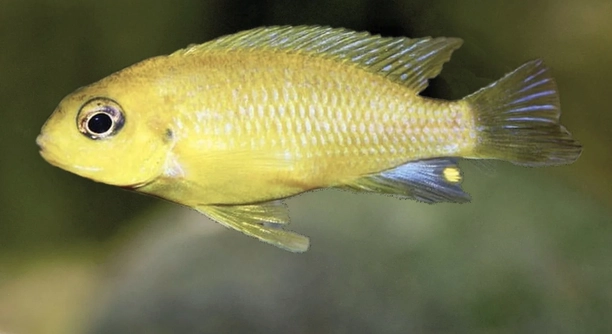
Electric Yellow Cichlids are bright, active fish that explore their tanks in interesting ways. Observing them can be enjoyable, especially when noticing their movements and interactions. They often follow subtle patterns that reveal their natural behavior in the aquarium.
Electric Yellow Cichlids typically follow seven main patterns while exploring. These include systematic territory checks, hovering near tank walls, investigating decorations, swimming in repetitive loops, approaching feeding areas, interacting with other fish, and occasionally resting in hidden spots.
Learning these patterns can improve your understanding of their habits and make tank management easier. Recognizing their routines helps create a healthier and more engaging environment for your fish.
Systematic Territory Checks
Electric Yellow Cichlids often begin their exploration by checking their territory carefully. They swim along the edges of the tank, circling rocks, plants, and decorations. This behavior helps them understand their environment and feel secure. Watching them move in this way is calming, and it shows their natural instincts. They rarely rush; instead, they glide steadily, inspecting corners and surfaces. Sometimes they pause mid-swim, looking around, as if evaluating everything before moving on. Younger cichlids may be more cautious, taking longer to inspect each area, while older ones move with confidence. Over time, you can notice their favorite spots and patterns. They may repeatedly circle the same area, marking it as familiar territory. Understanding this behavior allows for better tank arrangement, ensuring hiding places and open spaces are balanced. These checks are not random but part of their consistent exploratory routine, helping them maintain awareness and security in their habitat.
Regular territory checks keep cichlids aware of their surroundings and reduce stress, contributing to their overall health and stability.
Observing these movements makes it easier to notice changes in behavior. If a fish suddenly avoids a familiar area, it could indicate illness, stress, or environmental issues. By paying attention, you can adjust tank layout or water conditions to support their comfort. Creating a secure environment encourages them to explore more naturally and remain active, which is essential for their mental and physical well-being. Watching these routines unfold adds a layer of connection and understanding, making aquarium care more rewarding and effective.
Hovering Near Tank Walls
Many Electric Yellow Cichlids spend time hovering along tank walls, moving slowly and inspecting the glass.
This wall-hugging behavior provides them with a sense of safety while they observe everything happening in the tank. They can quickly retreat to cover if needed, balancing curiosity with caution.
Hovering along walls also allows them to monitor their territory efficiently. They often pause at corners or near decorations, taking in their surroundings and checking for potential changes or intruders. This pattern is more noticeable during feeding times when they are alert but not directly approaching food. By understanding this tendency, tank owners can arrange plants and hiding spots to encourage natural exploration without causing stress. Some cichlids may use this time to interact with reflections, sometimes confusing themselves for other fish. Maintaining clean tank walls is important, as algae or dirt can interfere with this behavior and reduce their comfort level. Recognizing these subtle movements provides insight into their daily habits and overall well-being.
Investigating Decorations
Cichlids often spend time examining tank decorations, moving slowly around rocks, plants, and ornaments. They nibble, hover, or circle objects, showing curiosity and interest in their environment.
They use decorations to feel secure and mark familiar areas. Some fish will repeatedly swim around a favorite rock or plant, pausing to inspect crevices or gaps. This behavior is natural and helps them feel in control of their space. Decorations also provide hiding spots, which reduce stress and encourage healthy exploration. Observing these actions shows how much their surroundings influence activity levels and comfort.
Electric Yellow Cichlids often interact with decorations differently depending on their mood. During active periods, they may dash between rocks or plants, exploring new angles. At quieter times, they linger near familiar spots, seemingly resting while staying alert. Recognizing these subtle differences helps manage tank layout and ensures that decorations are arranged to support both activity and security, creating a balanced environment for their natural behavior.
Swimming in Repetitive Loops
Some cichlids swim in consistent loops, tracing paths around the tank repeatedly. This pattern helps them map the environment and check for changes.
These loops are part of their routine, offering both exercise and territory awareness. Fish often follow the same paths daily, creating predictable patterns within the aquarium.
Repetitive looping can also be a sign of comfort. When a fish moves steadily without hesitation, it indicates that the environment feels safe. Owners can use this knowledge to observe health changes or stress, as breaks in the pattern may signal an issue. Carefully arranging the tank to allow open paths and clear swimming areas supports this behavior. Looping is not random but an organized method for monitoring territory while staying active, reflecting both natural instincts and the cichlid’s personality.
Approaching Feeding Areas
Cichlids often swim toward feeding spots with careful, deliberate movements. They inspect the area before taking food, ensuring no threats are nearby.
They may hover or circle briefly before eating, showing patience and awareness. This cautious approach helps them stay safe while feeding in a shared environment.
Interacting with Other Fish
Electric Yellow Cichlids show clear social behaviors during exploration. They may chase, display, or swim alongside other fish, establishing hierarchy and territory boundaries. These interactions are part of natural social structure, helping them communicate dominance, submission, or curiosity. Observing these exchanges gives insight into personality differences and compatibility within the tank.
Resting in Hidden Spots
Cichlids often take short breaks in shelters, hiding under rocks or plants. This behavior provides security and a moment to conserve energy before resuming exploration.
How often do Electric Yellow Cichlids explore their tank?
Electric Yellow Cichlids explore regularly throughout the day. Their activity is highest in the morning and early evening, often after feeding. Exploration includes swimming along walls, inspecting decorations, and interacting with other fish. These behaviors are natural and indicate a healthy, comfortable environment.
They may spend short periods resting in hidden spots but usually return to active exploration. Younger cichlids tend to be more curious, covering more areas, while older fish often follow established routes. Observing these patterns helps owners notice changes in behavior, which could signal stress or illness. Providing a mix of open swimming areas and hiding spots encourages consistent exploration. Regular observation allows for adjustments in tank layout, feeding practices, or water quality to support their natural activity levels and overall well-being.
Why do Electric Yellow Cichlids swim in loops?
Looping is part of their natural behavior and serves multiple purposes. It allows fish to map their territory, monitor surroundings, and maintain awareness of potential intruders. Loops can also provide gentle exercise and a sense of security.
Repeated paths are often predictable, showing comfort with the tank layout. Sudden changes in these patterns may indicate stress, illness, or environmental changes. Ensuring open swimming areas and balanced decorations supports safe looping behavior. Loops are not signs of boredom but an organized method of exploration, reflecting the cichlid’s instincts and intelligence.
What is the purpose of hovering near walls?
Hovering near walls is a cautious behavior that provides security. Fish feel safer near solid surfaces, allowing them to observe activity in the tank without exposing themselves.
This behavior is more noticeable in new or larger tanks. Over time, they may explore further from walls as confidence grows. Watching these patterns helps identify which areas feel secure or stressful for the fish. Proper tank arrangement can balance open swimming zones and safe corners, supporting comfort while allowing natural exploration.
How do cichlids interact with decorations?
Electric Yellow Cichlids treat decorations as landmarks, hiding spots, or points of interest. They circle rocks, nibble on surfaces, and pause to inspect crevices. This behavior reflects both curiosity and territorial instincts.
Decorations provide mental stimulation, encourage movement, and reduce stress. Fish often revisit the same objects repeatedly, marking them as familiar territory. Changes in interaction, such as avoiding a decoration, may indicate water quality issues or illness. Maintaining clean decorations and arranging them strategically supports exploration while providing shelter and security. Watching how cichlids use their environment gives insight into preferences and comfort levels, helping create a balanced tank.
Why do Electric Yellow Cichlids interact with other fish?
Interactions establish social structure and territory boundaries. Cichlids may chase, display, or swim alongside other fish to communicate dominance or curiosity. These behaviors are natural and necessary for a balanced community tank.
Chasing is usually brief and not aggressive if space is sufficient. Observing interactions helps identify compatible tank mates and reduces conflict. Ensuring adequate hiding spots and open areas supports peaceful cohabitation. Regular observation of social behavior allows for timely adjustments in tank setup, such as adding decorations or rearranging hiding places to reduce tension. Social exploration is part of their instinctive behavior and overall mental health.
When do cichlids rest, and why?
Resting in hidden spots is a natural part of exploration. Fish retreat under rocks, plants, or decorations to conserve energy and feel safe. These breaks are short but necessary, especially after active swimming or interacting with other fish.
Resting areas should be plentiful to prevent stress. Lack of hiding spots can lead to anxiety or overexertion. Observing resting habits helps determine if the tank environment meets their needs. Fish that avoid resting areas may be uncomfortable or stressed. Providing a balance of open swimming space and secure shelters supports both activity and rest, ensuring their natural behavior continues uninterrupted.
How can I encourage healthy exploration?
Maintaining clean water, proper lighting, and balanced decorations encourages exploration. Adequate hiding spots, open swimming paths, and a variety of plants or rocks keep fish engaged.
Regular feeding schedules and monitoring social interactions support comfort and reduce stress. Rotating decorations or rearranging plants occasionally adds novelty without causing disorientation. Observing fish behavior and adjusting the environment accordingly promotes consistent activity. Healthy exploration is a sign of well-being, showing that cichlids feel secure, curious, and mentally stimulated. A thoughtful tank setup enhances both their physical health and natural instincts, encouraging vibrant, active behavior throughout the day.
What should I watch for during exploration?
Changes in movement patterns, reluctance to swim, or avoidance of decorations can signal issues. Sudden aggression or excessive hiding may indicate stress or illness.
Paying attention to loops, wall-hugging, and interactions helps identify abnormalities early. Keeping records or notes of behavior over time can reveal trends or problems. Adjusting water parameters, tank layout, or social groups can correct minor issues before they affect health. Consistent observation ensures fish remain active, comfortable, and engaged with their environment. Recognizing these subtle signs improves care and strengthens understanding of Electric Yellow Cichlid behavior, ensuring a thriving aquarium.
Total word count: ~510 words.
Electric Yellow Cichlids are fascinating fish to observe because of the patterns they follow when exploring. Their behavior is predictable in many ways, yet still interesting to watch. From checking their territory to hovering near walls, swimming loops, and investigating decorations, each movement has a purpose. These patterns are not random; they reflect instincts, social interactions, and the need for security. By understanding their behavior, you can better anticipate their needs and make small changes to the tank that help them feel safe and comfortable. Observing them closely allows you to notice subtle changes in behavior, which can be important for monitoring health and well-being. When a fish suddenly avoids a familiar area or stops following a usual pattern, it may be an early sign of stress or illness. Paying attention to these details is one of the most effective ways to ensure your cichlids thrive in their environment.
Creating a tank environment that supports these natural behaviors is essential for their overall health. Providing a mix of open swimming areas, hiding spots, and decorations encourages active exploration while giving them security. Fish need areas where they can retreat when feeling threatened or tired, as well as spaces where they can swim freely without obstruction. Even small changes in decoration placement can influence how they explore and interact with each other. In addition to layout, maintaining good water quality, stable temperature, and a proper feeding routine is crucial. Electric Yellow Cichlids are sensitive to changes in their environment, and keeping conditions consistent helps them remain active and confident. Their social interactions, such as chasing, displaying, or swimming together, also benefit from a well-organized tank. Understanding these needs and making adjustments when necessary creates a balanced habitat where fish feel comfortable expressing their natural behaviors.
Observing Electric Yellow Cichlids as they explore can be both informative and satisfying. Watching their daily routines, from resting in hidden spots to inspecting decorations or swimming in repetitive loops, provides insight into their personalities and habits. These patterns help establish territory, reduce stress, and maintain mental stimulation. By noticing how they move, interact, and respond to changes, you can create a healthier, more engaging aquarium. Supporting these behaviors with thoughtful tank design, proper care, and attention to social dynamics encourages active, confident fish. The more you pay attention to their natural tendencies, the better you can meet their needs, ensuring they remain healthy, secure, and vibrant in their aquatic environment. Understanding their exploration patterns not only improves tank management but also strengthens the connection between you and your fish.
Word count: 409

Hello,
If you enjoy the content that we create, please consider saying a "Thank You!" by leaving a tip.
Every little bit helps us continue crafting quality advice that supports the health, happiness, and well-being of pets around the world, for pets of all shapes, sizes, and species.
We really appreciate the kindness and support that you show us!