
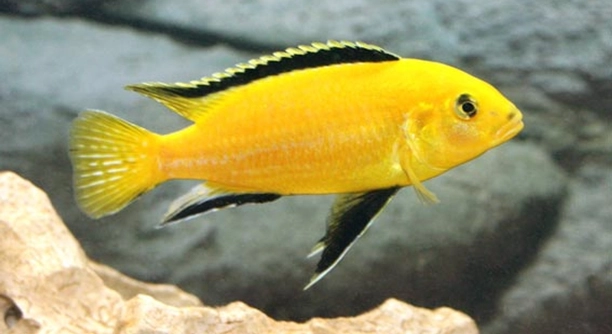
Do you ever notice your cichlids acting differently when placed in a new tank? Observing their behavior can be fascinating and offers insight into how they adjust to unfamiliar surroundings. Each movement tells a small story.
Cichlids exhibit low-risk exploratory behaviors in new tanks, including inspecting corners, investigating substrates, testing water currents, interacting with tank structures, displaying minor territoriality, observing other fish, and responding cautiously to novel objects. These behaviors indicate adaptation and environmental assessment.
Understanding these simple behaviors helps create a comfortable environment for your fish. Observing these actions can guide improvements to tank setup and overall fish well-being.
Inspecting Tank Corners
When I first introduced my cichlids to a new tank, I noticed they spent a lot of time slowly moving along the corners. This behavior is one of their earliest low-risk experiments. By exploring corners, they can gauge the layout without exposing themselves to perceived threats. They often pause, hover, and retreat slightly before venturing further, showing caution but also curiosity. The corners provide both a safe boundary and a vantage point to observe the rest of the tank. Watching this process reminded me how deliberate their movements are. It’s a quiet, steady way for them to learn about their surroundings. Even small changes in décor or hiding spots can alter this behavior. Over time, they become more confident, using corners as a base for further exploration. Tracking their corner activity can indicate comfort levels and help identify stress points in the tank setup. It’s an easy, low-stress way to understand their adjustment process.
Observing corners first allows cichlids to reduce risk while gathering information about the new tank.
These initial corner inspections often lead to other low-risk experiments. Cichlids gradually test new hiding spots, approach decorations cautiously, and start interacting with other fish from this secure vantage. Monitoring these behaviors gives insight into their adaptation speed and comfort level, helping refine tank arrangements and creating a safer, more stable environment.
Testing Substrates
Cichlids often dip their mouths into new substrate slowly before fully exploring it. This behavior allows them to sense texture, temperature, and even food traces without significant exposure to risk.
Substrate testing can reveal preferences and comfort zones for your fish, influencing where they spend most of their time.
This behavior often occurs in the first few hours or days after introduction. Some cichlids may focus on sandy areas, while others prefer rocky spots. Observing which surfaces they investigate can guide where to place plants, shelters, or feeding zones. Substrate testing is also linked to their natural instincts, as it mimics foraging and territory marking. By noting these patterns, you can anticipate stress reactions or preferences and make minor adjustments for a smoother transition. Over time, cichlids may develop routines around preferred areas, returning consistently to familiar spots. Careful observation of this low-risk experimentation provides practical insight into designing a tank that balances safety, stimulation, and natural behaviors.
Interacting with Tank Structures
Cichlids often swim around rocks, driftwood, or plants slowly at first. They tap surfaces lightly and retreat, learning how these structures fit into their new environment.
They approach tank structures carefully, circling and sometimes hovering near them before touching. This behavior lets them assess safety and spatial layout without exposing themselves to danger. Some cichlids may wedge themselves between rocks or behind plants briefly, testing hiding options. Over time, repeated interactions build confidence, and they begin using structures for exploration, resting, or minor territorial displays. Observing how they move around decorations gives insight into comfort and adaptability in a new environment. Subtle behaviors, like gentle nudging or hovering, indicate curiosity while maintaining caution, a key sign of healthy adjustment. These early interactions are essential for their acclimation and help shape the tank’s functional layout.
Gradual interaction with structures helps cichlids understand their environment while limiting stress.
By consistently exploring rocks, plants, and other tank features, cichlids map their surroundings. This mapping reduces anxiety and supports natural behaviors such as hiding, chasing, or staking out minor territories. Watching these behaviors over days reveals how quickly fish adapt and which areas they favor. Careful observation allows adjustments to tank arrangement to promote safety and enrichment. Interaction with structures also encourages mild physical activity, mental stimulation, and social dynamics, especially when multiple cichlids are present. Maintaining accessible spaces and secure hiding spots ensures they can perform these experiments safely.
Observing Other Fish
Cichlids frequently spend time watching other tank mates before approaching. They use this behavior to gauge reactions and avoid confrontation.
This observation allows them to learn social hierarchies and predict interactions. They may mimic movements, keep distance, or slowly follow others to understand behavior patterns. Watching how they react to movements, feeding, and swimming routes provides insight into their comfort levels. Some cichlids are more cautious and may remain stationary for long periods, only approaching gradually. Others test proximity, retreating if tensions rise. Observing interactions also highlights how territorial instincts develop, which can prevent conflicts. Understanding these patterns helps manage tank dynamics effectively.
Observation is an essential, low-risk experiment for social learning.
Cichlids rely on observation to adapt quickly to shared spaces. They note positions, movement speeds, and behavior cues from others, reducing risk while learning social structures. Through this process, they identify potential threats and safe zones, forming strategies for movement and interaction. Observation also supports gradual integration into established hierarchies. It allows timid fish to gain confidence while dominant individuals assert presence. Monitoring these interactions helps identify compatible tank mates and prevents stress-related behaviors. Careful placement of structures and hiding spots can further support these observational experiments, promoting harmony and reducing aggression.
Displaying Minor Territoriality
Cichlids often mark small areas with short swims or fin flares. This behavior establishes boundaries without serious confrontation.
They may chase away intruders briefly or hover near favored spots. These actions signal ownership while keeping risks low and maintaining calm in the tank.
Approaching Novel Objects
Cichlids examine new items slowly, often circling or tapping them before full contact. This cautious approach reduces risk while satisfying curiosity.
They may hover, retreat, or test the object lightly with their mouths. Repeated interactions build confidence and help determine if the item is safe or useful in their environment.
Testing Water Currents
Cichlids often swim through currents gradually, adjusting speed and angle. This behavior helps them understand flow patterns and maintain control in the tank.
Observing Feeding Spots
Cichlids watch feeding areas before fully approaching. This ensures safety while evaluating potential food sources and minimizing stress during mealtime.
How long does it take for cichlids to adjust to a new tank?
Adjustment time varies depending on the species, tank size, and individual temperament. Some cichlids begin exploring corners, structures, and substrates within hours, while others may take several days to feel comfortable. Stress levels, prior experience, and presence of tank mates all influence how quickly they adapt. Monitoring behaviors like corner inspection, substrate testing, and observing other fish provides clues about their acclimation progress. Gradual exploration is a sign that they are assessing their environment safely. Ensuring hiding spots and gentle water flow helps reduce stress and encourages steady adaptation.
What behaviors indicate stress in a new tank?
Signs of stress include rapid or erratic swimming, hiding for extended periods, loss of appetite, or repeated darting. Fin clamping, color fading, or unusual aggression toward tank mates can also signal discomfort. Observing these behaviors early allows you to make adjustments to water conditions, tank arrangement, or social structure. Sometimes stress is temporary as fish conduct low-risk experiments, but prolonged indicators suggest a need for intervention. Providing multiple hiding spots, gentle filtration, and minimal disturbances can reduce stress. Understanding natural adjustment behaviors helps differentiate between normal cautious exploration and genuine stress responses.
Are all cichlids equally cautious in new tanks?
No, caution levels vary by species and individual personality. Some species are naturally bold and explore quickly, while others are more timid and rely heavily on observation before interacting. Personality differences within the same species can affect how they test substrates, approach structures, or interact with tank mates. Recognizing these differences helps tailor tank setup and placement of hiding spots. Providing both open areas and safe refuges accommodates varying temperaments, ensuring all cichlids can perform low-risk experiments at their own pace. Observation over time allows owners to see which fish are confident and which need more space.
How can I encourage cichlids to explore without stress?
Create a safe, structured environment with gradual introductions of new elements. Offer hiding spots, rocks, and plants for security while leaving open swimming areas. Introduce new objects slowly and observe reactions. Avoid sudden changes in water parameters or lighting, as these can disrupt adjustment. Gentle feeding routines near exploration areas encourage safe interaction and familiarity. Using multiple small changes rather than one large alteration helps fish adjust at a comfortable pace. Low-risk experiments, like observing tank structures or water currents, are more successful when the environment feels predictable and secure.
Should I separate cichlids if they show territorial behavior?
Separation depends on intensity and frequency of territorial displays. Mild flaring or brief chasing is normal low-risk experimentation. Persistent aggression, chasing, or injury risk indicates a need to divide fish or rearrange tank décor. Introducing more hiding spots or barriers can reduce conflicts without separating all fish. Careful observation of early territorial displays helps prevent escalation. Low-risk experiments include staking out small territories and gradually expanding comfort zones. Understanding these behaviors ensures a stable social environment while allowing fish to explore and interact naturally.
Do cichlids perform the same experiments in every tank?
Experiments differ depending on tank size, layout, tank mates, and decorations. A fish may hover near corners in one tank but explore rocks first in another. Environmental complexity, flow patterns, and hiding options influence their choice of low-risk behaviors. Observing patterns over time allows adjustments to tank design to match their natural instincts and comfort. Each fish may prioritize different experiments based on curiosity, safety, or social dynamics, making it important to provide variety and observe individual preferences for better adaptation and well-being.
How important is observation in helping cichlids adapt?
Observation is crucial to understanding their adjustment process. Watching how cichlids explore corners, substrates, structures, and feeding areas provides insight into comfort levels and social dynamics. Early detection of stress or conflict allows timely adjustments in tank setup, hiding spots, or feeding strategies. Observing these behaviors helps create an environment that encourages safe experimentation while reducing risk. It also strengthens awareness of individual differences, letting you provide tailored care. Consistent, patient observation ensures that the tank remains a stable, secure, and engaging space for all fish, supporting their long-term health and well-being.
Can cichlids adjust to sudden changes in tank layout?
Sudden changes can cause temporary stress, but many cichlids perform low-risk experiments to understand new arrangements. They inspect corners, approach new objects cautiously, and observe tank mates’ reactions. Frequent or large changes, however, may overwhelm timid fish. Gradual rearrangements with careful monitoring allow adaptation while minimizing stress. Providing familiar structures and hiding places during transitions helps maintain stability. Observing interactions with new décor helps identify preferred areas and ensures they continue exploring without excessive fear or aggression. Incremental adjustments support natural behaviors and maintain overall tank harmony.
What are common mistakes when introducing cichlids to a new tank?
Rushing introductions, overcrowding, or sudden environmental changes are frequent errors. Lack of hiding spots, inadequate observation, and inconsistent feeding routines can increase stress. Ignoring low-risk exploratory behaviors may lead to misinterpretation of stress signs or social issues. Overdecorating or leaving insufficient open areas can hinder natural exploration. Recognizing gradual testing behaviors, like substrate investigation or cautious swimming, allows better management of adaptation. Providing a balanced layout, proper water conditions, and patient observation prevents unnecessary stress and supports healthy, confident adjustment in a new tank environment.
How can I tell if my cichlids are adapting well?
Signs of successful adaptation include regular exploration of corners, structures, and feeding areas, cautious interaction with tank mates, and engagement with new objects. They show consistent activity, mild territorial behaviors, and normal feeding patterns. Colors remain vibrant, and stress behaviors like fin clamping or hiding decrease over time. Observing gradual expansion of exploration and confidence indicates effective adaptation. Recording behaviors over days allows tracking progress and identifying when further changes or interventions are needed. Well-adapting cichlids balance curiosity and caution, performing low-risk experiments while maintaining health and social stability.
Final Thoughts
Introducing cichlids to a new tank is always a careful process. Each fish reacts differently depending on species, personality, and previous experiences. Low-risk experiments, such as inspecting corners, testing substrates, or observing tank structures, are natural ways they adjust. These behaviors may appear slow or cautious, but they are essential for understanding their environment safely. By watching their early movements, you can learn how comfortable they are and whether the tank setup meets their needs. Gradual exploration also helps them build confidence without experiencing unnecessary stress, allowing them to feel secure while interacting with their surroundings. Over time, these small behaviors develop into a routine pattern that indicates the fish are adapting well. The more you observe and respect these patterns, the more smoothly they will transition into the new environment.
It is important to remember that tank conditions play a significant role in how cichlids perform these low-risk experiments. Water temperature, filtration, lighting, and tank décor all influence behavior. Providing sufficient hiding spots and varied structures encourages safe exploration while minimizing conflict between fish. Avoid sudden changes in water chemistry, decorations, or tank mates, as abrupt shifts can cause stress and disrupt adjustment. Gradual introductions and patience are key. Observing interactions with substrates, objects, and other fish provides insight into their preferences and comfort zones. Noticing repeated behaviors, such as returning to certain hiding spots or frequently inspecting corners, allows you to tailor the tank to better support their natural instincts. Over time, the tank becomes a predictable, stable environment where fish can experiment safely, socialize, and engage in feeding routines confidently.
Finally, understanding cichlid behavior in a new tank emphasizes the importance of careful observation and attentive care. By paying attention to how fish test their surroundings, you can identify signs of stress, curiosity, or social adjustment. Recognizing patterns such as cautious exploration, subtle territorial displays, or observing other fish helps ensure they remain healthy and comfortable. Each low-risk experiment they perform is a way of learning about the tank and establishing security within it. Supporting these behaviors with appropriate tank setup, gradual introductions, and consistent monitoring promotes long-term well-being. Over time, cichlids become confident and balanced, exploring freely, interacting safely with tank mates, and settling into the environment without unnecessary fear. Respecting their natural adjustment process ensures a stable, harmonious tank where each fish thrives.

Hello,
If you enjoy the content that we create, please consider saying a "Thank You!" by leaving a tip.
Every little bit helps us continue crafting quality advice that supports the health, happiness, and well-being of pets around the world, for pets of all shapes, sizes, and species.
We really appreciate the kindness and support that you show us!