
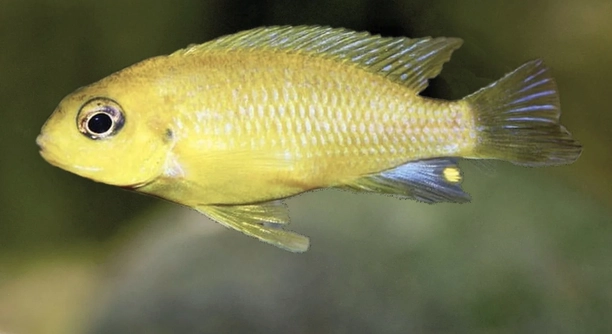
Have you ever bought a new electric yellow cichlid and wondered how to introduce it safely into your tank without causing stress to your existing fish? Adding new fish can feel exciting but also a bit intimidating at first.
The safest way to introduce electric yellow cichlids is by quarantining new arrivals for at least two weeks, gradually acclimating them to your tank water, and monitoring interactions carefully to reduce aggression and ensure a stable, healthy environment.
Taking the right steps now can prevent fights, stress, and disease, making your aquarium a calm and thriving home for all your cichlids.
Preparing Your Tank for New Electric Yellow Cichlids
Before introducing new electric yellow cichlids, it is essential to prepare your tank properly. Start by cleaning the tank thoroughly, removing any debris or leftover food, and checking that the filter is working efficiently. Test the water for pH, ammonia, nitrite, and nitrate levels to ensure the conditions are stable. Electric yellow cichlids thrive in slightly alkaline water with a temperature around 76–82°F. Adding hiding spots with rocks or decorations can reduce stress and aggression. Consider separating aggressive or territorial fish during the introduction period. Quarantining the new fish in a separate tank for at least two weeks helps prevent the spread of disease. Gradually acclimating them to your tank water by floating the bag or using drip acclimation ensures a smoother transition. Observing the new cichlids closely during the first days allows you to detect any signs of illness or distress early.
Proper preparation makes the addition safer and reduces stress for all fish.
By ensuring the tank is stable, clean, and equipped with hiding places, you create a healthier and calmer environment. Gradual introduction prevents shock and encourages peaceful coexistence.
Gradual Acclimation Techniques
Float the bag in the tank water for 15–20 minutes to equalize temperature.
Drip acclimation is the most effective way to adjust your new cichlids to your tank’s water chemistry. Use a small siphon or airline tubing to drip tank water into the quarantine bag slowly, allowing the fish to adapt without sudden changes in pH, hardness, or temperature. This process can take one to two hours, depending on the sensitivity of the fish. During this time, observe the fish for signs of stress or unusual behavior. Avoid feeding immediately after introduction, as sudden eating can increase stress. Once acclimated, gently release the fish into the tank using a net, keeping the bag water separate to prevent contamination. After release, monitor interactions with existing fish, especially around feeding and territory areas, and be ready to separate individuals if aggression occurs. Maintaining clean water and stable conditions after introduction helps all cichlids settle more comfortably.
Taking these steps carefully ensures your electric yellow cichlids adjust smoothly and stay healthy while preventing conflicts in the tank.
Managing Aggression Among Cichlids
Some electric yellow cichlids can become territorial, especially when new fish are introduced.
Providing plenty of hiding spaces and visual barriers can reduce fights. Rearrange rocks and decorations occasionally to disrupt established territories, helping fish adjust to newcomers.
Feeding multiple times a day in different tank areas also minimizes competition. Observe interactions closely and separate aggressive individuals if necessary. Understanding each cichlid’s behavior allows you to manage aggression effectively.
Monitoring tank dynamics after introducing new fish is crucial. Aggression can escalate quickly if left unchecked, so be ready to intervene. Keeping the environment stable and predictable encourages peaceful behavior and helps all fish coexist more comfortably.
Feeding Strategies for New Additions
Feed high-quality cichlid pellets or flakes that sink slowly to ensure all fish can access food.
Introduce new cichlids gradually to your feeding routine. Start with small amounts to prevent overeating or water pollution. Mixing in occasional frozen or live foods provides variety and supports health. Monitor how quickly new fish eat and whether existing fish dominate feeding areas. Adjust portions and feeding locations to ensure fairness. Maintaining a consistent schedule reduces stress and aggression while promoting growth and vitality.
Observing feeding behavior also provides insight into the health of new arrivals. Changes in appetite or reluctance to eat may indicate stress or illness. Responding quickly by adjusting diet, feeding method, or tank setup can prevent long-term issues. Balanced nutrition and careful monitoring support strong immune systems and help your electric yellow cichlids thrive.
Quarantine and Observation
Quarantining new cichlids before adding them to the main tank helps prevent disease spread. Keep them in a separate tank for at least two weeks.
During quarantine, observe behavior, appetite, and physical condition closely. Any signs of illness should be addressed immediately to protect your main tank.
Water Quality Maintenance
Maintaining clean, stable water is essential for electric yellow cichlids. Perform regular water changes and monitor ammonia, nitrite, nitrate, and pH levels. Avoid sudden temperature or chemical fluctuations, as these can stress fish and increase susceptibility to disease. Consistent maintenance promotes overall health and reduces aggressive behavior, keeping the aquarium environment balanced.
Introducing New Tank Decorations
Adding rocks, plants, or caves can help reduce territorial disputes.
These items give cichlids places to hide and establish personal space, making it easier for new and existing fish to coexist peacefully.
FAQ
How long should I quarantine new electric yellow cichlids?
Quarantine should last at least two weeks. This period allows you to monitor for illness and ensures the new fish are healthy before entering the main tank. During quarantine, maintain clean water, stable temperature, and proper feeding to reduce stress.
Can electric yellow cichlids be added to a tank with other cichlid species?
Yes, but compatibility depends on temperament and tank size. Aggressive or territorial species may fight, so provide hiding spots and monitor interactions closely. It is often safer to add them to tanks with similar-sized, peaceful cichlids.
What is the best way to acclimate new fish to my tank?
Gradual acclimation is key. Float the bag in your tank water to equalize temperature, then use drip acclimation to slowly introduce your tank water. This helps prevent shock from sudden changes in pH, temperature, or hardness, improving survival and reducing stress.
How can I reduce aggression when introducing new cichlids?
Rearranging decorations, providing hiding spots, and feeding in multiple locations helps. Avoid sudden introductions or overcrowding. Closely observe behavior and separate fish if fighting escalates. Gradual integration allows cichlids to establish territories without harm.
What should I feed electric yellow cichlids?
Provide high-quality pellets or flakes formulated for cichlids. Supplement with occasional frozen or live foods such as brine shrimp or bloodworms. Feed small portions multiple times a day to prevent overeating, ensure balanced nutrition, and reduce competition among tank mates.
How often should I perform water changes after adding new fish?
Perform weekly water changes of 20–30 percent to maintain stable water quality. Monitor ammonia, nitrite, nitrate, and pH levels to ensure the tank remains healthy. Consistent maintenance prevents stress, disease, and aggressive behavior.
What signs indicate stress or illness in new cichlids?
Look for loss of appetite, hiding, rapid gill movement, clamped fins, or unusual swimming patterns. Early detection allows prompt action, such as improving water quality, adjusting diet, or isolating the fish, which can prevent more serious health problems.
Do electric yellow cichlids need a specific tank size?
Yes, a tank of at least 55 gallons is recommended for a small group. Larger tanks provide more swimming space and reduce territorial disputes. Proper filtration and regular maintenance are essential for maintaining a healthy environment.
Can I introduce more than one cichlid at a time?
Introducing multiple cichlids simultaneously can reduce aggression because no single fish dominates territory immediately. However, ensure there is enough space, hiding spots, and feeding stations. Observe interactions carefully during the first few days.
How do I know if my tank is ready for new cichlids?
Check that water parameters are stable, filtration is working properly, and existing fish are healthy. Add hiding spots and ensure enough space for new arrivals. A prepared tank reduces stress and supports smoother integration of new electric yellow cichlids.
What should I do if aggression becomes a problem?
Separate aggressive individuals temporarily or permanently if necessary. Rearrange decorations to break up territories and reduce visibility between fish. Providing more space and hiding areas often calms aggressive behavior. Consistent monitoring is key to long-term harmony in the tank.
Is it necessary to remove new fish during the night?
No, removal is generally unnecessary if proper acclimation and monitoring are done. Most aggression occurs during feeding or daylight. Nighttime is usually calmer, giving new fish a chance to rest and explore safely.
Can electric yellow cichlids live with non-cichlid fish?
Some non-cichlid species may coexist, but compatibility depends on size, temperament, and tank layout. Avoid smaller, delicate fish that could be harassed or eaten. Observation and careful planning are essential to prevent conflicts.
How long does it take for new cichlids to settle?
It can take a few days to a few weeks, depending on the tank setup and the personalities of the fish. Providing hiding spots, stable water conditions, and minimal disturbance accelerates the adjustment process. Patience is essential.
What is the best way to monitor water quality?
Regular testing with reliable kits for ammonia, nitrite, nitrate, and pH is crucial. Keep records to track trends. Maintaining consistent water parameters prevents stress, illness, and aggression among electric yellow cichlids.
Can I introduce plants in the tank with new cichlids?
Yes, live or artificial plants provide hiding places and reduce aggression. Choose sturdy plants, as cichlids may dig or rearrange them. Placement should create boundaries without overcrowding the tank, helping fish establish territories safely.
How do I handle stress after introducing new fish?
Maintain stable water conditions, provide hiding spots, and feed small portions regularly. Avoid sudden changes in lighting or decorations. Observing fish closely allows early intervention if stress signs appear, supporting long-term health.
Is it okay to add decorations after fish are introduced?
Yes, but do it gradually. Sudden rearrangements may trigger territorial disputes. Slowly changing the layout over days or weeks allows fish to adjust without excessive stress or aggression.
Can water conditioners help with new cichlids?
Yes, conditioners remove chlorine, chloramine, and heavy metals from tap water, protecting sensitive gills. Use them during acclimation, water changes, and in quarantine tanks to reduce stress and promote health.
How do I prevent disease spread in a community tank?
Quarantine new fish, maintain clean water, avoid overfeeding, and monitor closely. Isolate any sick individuals immediately. Preventing stress through stable water conditions and proper acclimation reduces susceptibility to illness.
What is the best temperature range for electric yellow cichlids?
Keep the water between 76–82°F. Sudden changes outside this range can stress fish, reduce immunity, and increase aggression. A stable heater and thermometer ensure consistent conditions, supporting health and comfort.
How long should I observe new fish daily?
Spend at least 15–30 minutes monitoring behavior, feeding, and interactions during the first two weeks. Early detection of stress, illness, or aggression allows intervention before serious problems arise, keeping the tank balanced and healthy.
Are there signs that new cichlids are adjusting well?
Yes, they will explore the tank, feed regularly, and interact calmly with other fish. Reduced hiding, normal swimming, and healthy coloration indicate they are settling into their new environment successfully.
Can I use a net to move new fish between tanks?
Yes, but handle gently to reduce stress. Avoid squeezing or sudden movements. Using a soft net and minimal handling prevents injury and keeps the fish calm during transfers.
Do I need to increase filtration when adding new cichlids?
If adding multiple fish, stronger filtration may be necessary. More fish produce more waste, so ensure the filter can handle the load to maintain water quality. This helps prevent ammonia spikes and keeps all fish healthy.
How important is light exposure for new cichlids?
Moderate lighting helps establish natural behavior patterns. Avoid sudden bright lights during acclimation, as it can stress new fish. Gradually adjust lighting to normal tank levels over a few days.
Can I mix juveniles with adult electric yellow cichlids?
Yes, but monitor carefully. Adults may show dominance or territorial behavior. Provide hiding spots and avoid overcrowding. Juveniles may need time to grow and adapt to coexist safely with older fish.
What role does tank size play in introducing new cichlids?
Larger tanks reduce aggression and allow territory establishment. Overcrowding increases stress and fighting, while ample space with hiding areas promotes peaceful integration. Always consider adult size and number of fish when planning introductions.
How do I prevent new cichlids from being bullied?
Provide hiding spots, rearrange decorations, and feed in multiple areas. Observe daily and separate aggressive fish if needed. Gradual introduction and stable conditions minimize bullying and encourage harmony.
Can I use floating plants during acclimation?
Yes, floating plants give new cichlids visual cover and reduce stress. They also help break line-of-sight, preventing immediate territorial disputes and allowing fish to explore the tank more confidently.
Is it safe to mix electric yellow cichlids with other Malawi cichlids?
Generally, yes, but compatibility depends on size and temperament. Provide plenty of rocks and hiding areas to reduce territorial fights. Monitor behavior closely during the first few weeks to ensure peaceful coexistence.
How do I handle a cichlid refusing to eat after introduction?
Check water quality, temperature, and stress factors. Offer small portions of high-quality food or live treats. Sometimes giving time and hiding spots helps fish feel safe enough to start feeding again.
Should I remove decorations if aggression occurs?
Only if necessary. Sometimes removing or rearranging a single decoration helps disrupt territories. Avoid drastic changes that stress all fish; small adjustments are usually enough to reduce fighting.
How often should I test water parameters during the first weeks?
Test at least twice a week for ammonia, nitrite, nitrate, and pH. New fish increase waste, and early detection of imbalances prevents health problems. Keep a log to track trends and ensure stable conditions.
Can electric yellow cichlids tolerate slight variations in water hardness?
Yes, they are fairly adaptable, but sudden changes can stress them. Gradually adjust water hardness if needed, using buffers or mineral supplements, to maintain stable conditions.
What is the best approach to long-term tank stability after new additions?
Regular water changes, monitoring, and consistent feeding schedules are key. Keep decorations stable but flexible for territorial adjustments. Watch for signs of stress or aggression and address them early to maintain a peaceful, healthy tank environment.
How do I know when quarantine is complete?
When fish show healthy appetite, normal behavior, and no signs of illness for two weeks, they are ready for introduction. Water parameters should remain stable throughout this period to ensure a safe transfer.
Is it okay to introduce multiple new fish at once?
Yes, adding several at the same time can reduce individual aggression. Ensure there is enough space, hiding spots, and feeding stations. Observe closely during the first few days for any signs of conflict.
Can stress affect coloration in electric yellow cichlids?
Yes, stressed fish may appear duller. Stable water conditions, proper feeding, and a calm environment help maintain vibrant coloration, which indicates good health and comfort.
How do I know if existing fish will accept new cichlids?
Observe behavior carefully during introduction. Some aggression is normal, but constant chasing or injury indicates incompatibility. Providing hiding spots and rearranging decorations helps existing fish adjust more quickly to newcomers.
What should I do if water parameters fluctuate after adding new fish?
Perform partial water changes and check filtration. Avoid sudden, drastic adjustments. Gradual corrections and close monitoring restore stability and reduce stress on all fish.
Can new electric yellow cichlids coexist with other types of Malawi cichlids long-term?
Yes, with careful planning. Ensure enough space, hiding spots, and compatible species. Observe behavior during the first few weeks and adjust tank layout if necessary. Stable water conditions and consistent feeding support peaceful coexistence.
How long does it take for tank dynamics to stabilize?
Usually a few weeks. During this time, fish establish territories and adjust to new companions. Patience, observation, and gradual changes ensure long-term stability and a healthy, harmonious environment.
What is the best way to minimize stress during acclimation?
Gradual temperature and water chemistry adjustments, hiding spots, minimal handling, and gentle introduction reduce stress. Calm, consistent conditions allow fish to adapt smoothly and promote overall well-being.
How do I prevent injury when introducing new cichlids?
Use nets carefully, provide hiding spaces, and observe interactions closely. Separating aggressive fish or using temporary barriers helps prevent fights and injuries. Maintaining proper tank size and layout also reduces risk.
Can I add decorations after acclimation is complete?
Yes, but add them gradually. Sudden rearrangements may trigger territorial disputes. Small adjustments allow fish to explore safely and adjust to the new layout.
How often should I feed after introducing new fish?
Feed small portions two to three times a day. Multiple feeding points reduce competition and ensure all fish receive adequate nutrition. Consistency supports health and reduces aggression.
Is it normal for new cichlids to hide for a few days?
Yes, hiding is a natural response to a new environment. Providing shelters and minimizing disturbances helps them feel secure, and they will gradually explore the tank as they gain confidence.
What is the recommended number of electric yellow cichlids per tank?
A group of at least five in a 55-gallon tank is recommended. More fish can reduce individual aggression but requires sufficient space, hiding spots, and proper filtration.
How do I know when new cichlids are fully settled?
They swim confidently, eat regularly, interact calmly with tank mates, and display normal coloring. Reduced hiding and stable behavior indicate successful adjustment.
Can I mix juveniles and adults safely?
Yes, but watch for bullying or territorial behavior. Provide hiding spaces and enough room for all fish. Juveniles may need time to establish themselves without being dominated by older fish.
How do I handle sudden aggression spikes?
Rearrange decorations, separate aggressive fish, or temporarily block line-of-sight. Feeding in multiple areas and observing closely prevents escalation and helps restore calm.
Are there special considerations for nighttime behavior?
Most aggression occurs during daylight. Ensure safe hiding spaces at night to allow rest and reduce stress for all fish. Avoid sudden lighting changes that can startle them.
Can I introduce plants while new cichlids are acclimating?
Yes, floating or sturdy plants provide cover and reduce immediate territorial disputes. They help fish feel safe while exploring and adjusting to the new tank.
How do I prevent water quality decline with new additions?
Perform regular partial water changes, maintain proper filtration, avoid overfeeding, and test water frequently. Stable water quality reduces stress and keeps all cichlids healthy.
Is it necessary to monitor pH more closely with new fish?
Yes, sudden changes in pH can stress cichlids. Regular monitoring during introduction ensures stability and prevents health problems. Gradual adjustments are safer if needed.
What is the best method to transfer new fish from quarantine to the main tank?
Use gentle netting or carefully pour the fish without mixing water. Avoid sudden movements and minimize handling. Ensure acclimation is complete before transfer to reduce stress.
Can I keep track of aggression levels over time?
Yes, maintaining a simple log of interactions, injuries, and hiding behavior helps identify patterns. Adjust tank layout or feeding practices accordingly to maintain a calm, stable environment.
How important is consistency in care after introduction?
Very important. Regular feeding, water changes, and monitoring create a stable environment, reducing stress, illness, and aggression. Consistency supports healthy, happy electric yellow cichlids and helps them thrive long-term.
Are there any signs that the tank is too crowded after adding new cichlids?
Yes, constant chasing, hiding, or injuries indicate overcrowding. Consider separating fish, increasing tank size, or adding additional hiding spots to reduce conflict and promote harmony.
Can water temperature affect aggression?
Yes, temperatures outside the ideal 76–82°F range can increase stress and aggression. Maintaining stable temperature helps keep fish calm and supports overall health.
How do I know if feeding stations are sufficient?
All fish should have access without being chased away. Multiple feeding points reduce competition, ensure proper nutrition, and help maintain peaceful interactions.
Is quarantine necessary for small community tanks?
Yes, even in smaller setups, quarantine protects existing fish from disease and allows careful observation of new cichlids before introduction.
What role do hiding spots play during introduction?
They reduce stress, allow fish to establish territories, and prevent injury. Proper placement ensures new and existing fish can coexist more peacefully.
Can aggression reduce naturally over time?
Yes, as fish establish territories and adjust to each other, aggression typically decreases. Adequate space, hiding spots, and careful observation accelerate this process.
How do I ensure a smooth transition for new cichlids?
Prepare the tank, quarantine, acclimate slowly, provide hiding spots, and monitor closely. Maintaining stable water quality, consistent feeding, and careful observation ensures a successful integration.
How often should I check on fish after introduction?
Daily checks during the first two weeks are ideal. Observe behavior, feeding, and interactions to detect stress, aggression, or illness early.
Are temporary barriers useful during introduction?
Yes, using nets, dividers, or separate sections helps reduce immediate fighting, allowing fish to adjust gradually to new tank mates.
Can overcrowding lead to health problems?
Yes, it increases stress, reduces oxygen, and raises waste levels, making fish more susceptible to disease. Proper stocking and regular maintenance prevent these issues.
How do I know if acclimation is complete?
When fish eat normally, explore the tank, and interact calmly with others, they are considered acclimated and ready for full integration.
Should I adjust lighting during the first days?
Gradually introduce normal lighting levels. Sudden bright lights may stress new fish. Floating plants or dimmed lighting can ease the transition.
Can stress affect immune systems?
Yes, stressed fish are more vulnerable to illness. Stable water, proper feeding, hiding spots, and minimal disturbances help maintain strong immunity.
How important is observation after every water change?
Very important. Fish may react to changes in water chemistry. Observing ensures immediate intervention if stress or aggression appears, protecting all tank inhabitants.
What are signs that new cichlids are thriving?
Active swimming, regular feeding, exploring the tank, and healthy coloration indicate adaptation. Reduced hiding and calm interactions confirm successful integration.
Can I introduce additional new fish later?
Yes, but follow the same quarantine, acclimation, and monitoring procedures. Gradual additions reduce aggression and ensure a stable environment for all cichlids.
How do I handle a new fish refusing to eat long-term?
Check water quality, stress factors, and diet. Offer live or varied foods and ensure hiding spots. Persistent refusal may require temporary isolation to recover.
Is it necessary to monitor for bullying even after settling?
Yes, occasional aggression can occur even after adjustment. Monitoring ensures early intervention and prevents injuries or stress from escalating.
Can tank rearrangement help with established aggression?
Yes, rearranging rocks or plants can disrupt territories, reduce conflicts, and help fish coexist more peacefully. Small adjustments are usually effective.
How can I maintain long-term harmony in a mixed cichlid tank?
Provide adequate space, hiding spots, stable water, multiple feeding points, and monitor interactions. Grad
Introducing new electric yellow cichlids to your aquarium can feel like a big task, but with careful planning, it does not have to be stressful. Preparing your tank, observing water quality, and providing hiding spots are key steps that help both new and existing fish adjust. Quarantining new arrivals before adding them to the main tank reduces the risk of disease and gives you a chance to monitor behavior and health. When fish are healthy and the environment is stable, they are much more likely to settle quickly and coexist peacefully. Taking time to do these steps carefully sets the foundation for a happy, thriving tank.
Acclimation is one of the most important aspects of introducing new cichlids. Gradual changes in water temperature, chemistry, and overall environment help prevent stress and shock. Observing your fish during this period allows you to spot early signs of illness or aggressive behavior. Providing multiple feeding areas, visual barriers, and plenty of space gives fish the chance to establish territories without conflict. Even small details, like rearranging rocks or adding a few extra hiding spots, can make a noticeable difference in reducing aggression. Consistent care, stable water parameters, and attention to fish behavior support long-term health and a balanced tank environment.
Maintaining a calm and stable environment after introduction is just as important as the initial steps. Regular water changes, proper feeding schedules, and ongoing monitoring prevent stress, disease, and aggression from developing over time. New cichlids may hide or appear cautious at first, but with patience and careful observation, they will gradually explore the tank and integrate with other fish. Ensuring a proper tank size and a well-planned layout allows all fish to establish their spaces comfortably. By staying consistent and attentive, you can create a peaceful, healthy, and thriving home for your electric yellow cichlids, where each fish can grow and display natural behavior without unnecessary stress.

Hello,
If you enjoy the content that we create, please consider saying a "Thank You!" by leaving a tip.
Every little bit helps us continue crafting quality advice that supports the health, happiness, and well-being of pets around the world, for pets of all shapes, sizes, and species.
We really appreciate the kindness and support that you show us!