
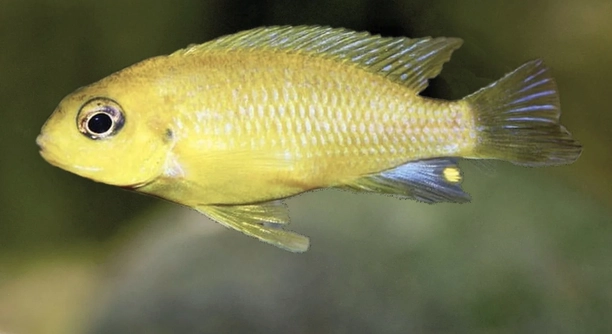
Have you ever noticed how some animals use dramatic flare displays to communicate without escalating into direct conflict, creating moments of tension that never turn physical, yet still express intentions in their daily social interactions.
Flare displays that end without contact occur when animals rely on visual signals to establish dominance or boundaries, minimizing physical risk. These behaviors function as energy saving strategies and help maintain group stability by preventing escalation into potential harmful confrontations.
These displays highlight complex communication strategies that shape animal relationships and offer insight into how conflicts settle without direct contact.
Vibrant Wing Spreads
Some animals use vibrant wing spreads to signal confidence and create space, and I have always found these moments fascinating because they reveal how much communication can happen without a single touch. These displays rely on posture, color, and controlled movements to send a clear message that helps prevent unnecessary aggression. When an individual suddenly expands its wings, the dramatic visual effect can interrupt tension and redirect attention. This method is safer for all involved because it lowers the chance of injury while still asserting presence. Observing these displays has helped me appreciate how carefully animals manage their interactions and how they often prefer calm resolution over conflict. Each spread acts as a visual shield, encouraging others to pause and reconsider before moving any closer. This behavior also teaches us that confidence does not always require confrontation and that subtle signals can shape interactions in meaningful ways for them all.
These wing based signals reduce stress during tense encounters and allow animals to maintain safe boundaries while moving through shared spaces. By relying on visual cues, they avoid physical risks and preserve energy that would otherwise be spent on direct conflict. This approach keeps their interactions steady and predictable overall.
Across many species, wing spreads function as controlled displays that streamline communication and reduce unnecessary escalation. I appreciate how these signals highlight the balance between confidence and caution because animals often rely on precision rather than force. Each display follows recognizable patterns that others have learned to interpret, making the process efficient. The individual presenting the display maintains a firm posture and steady movements, guiding the interaction toward a calmer conclusion. This avoids chaos and creates a predictable moment that both sides can understand. Such behaviors remind us that clarity and restraint often shape social outcomes in quiet but effective.
Rapid Head Lifts
Some animals rely on rapid head lifts to express alertness and signal that a situation requires more space. This movement interrupts advancing behavior and establishes a clear boundary. The raised posture communicates awareness, reducing the likelihood of a physical reaction and helping maintain calm spacing between individuals at all times.
I often notice how head lifts create a moment of pause that shifts the entire atmosphere between animals, forming a barrier without physical force. This behavior is carefully timed and usually occurs when one individual senses an approaching presence that might intrude on its comfort. The quick upward motion draws attention instantly, signaling vigilance and discouraging further approach. Many species rely on this gesture because it requires little energy while carrying a strong meaning that others quickly recognize. The individual performing the lift keeps its body still, allowing the raised head to stand out as the primary signal. This makes the display effective even from a distance. Observing these interactions has helped me understand how animals avoid unnecessary conflict by choosing efficient communication. Instead of escalating into direct confrontation, they use posture to negotiate space in a way that prevents risk. The behavioral patterns surrounding head lifts demonstrate how animals value safety and clarity, creating an orderly flow in environments where multiple individuals move through shared areas. These signals also show how subtle adjustments in body language can direct social behavior. By relying on silent cues rather than contact, animals preserve relationships and maintain stability in their daily interactions together.
Intense Tail Fanning
Tail fanning creates a sudden visual signal that stops advancing behavior and encourages an immediate pause. This movement helps animals maintain control of their space while avoiding physical escalation, allowing interactions to shift toward calmer outcomes that feel more predictable and manageable for everyone involved.
When I watch tail fanning, I notice how the repeated motions draw attention instantly. The steady rhythm communicates determination while still keeping the encounter safe. Animals use this display to strengthen boundaries, especially when another individual approaches too boldly or too quickly. The motion adds emphasis without the need for physical force. It also helps prevent misunderstandings because the signal is easy to interpret from a distance. I appreciate how this behavior allows animals to adjust their surroundings on their own terms, maintaining clarity through movement rather than conflict. These displays often conclude as soon as the other individual acknowledges the signal and redirects.
Tail fanning also acts as an important energy saver, keeping interactions efficient without draining physical reserves. The individual performing the display remains grounded and stable, letting the motion of the tail do all the communication. This restraint prevents unnecessary tension and keeps the encounter focused on maintaining space. The pattern remains consistent across many species, allowing others to recognize its meaning quickly. Observing this behavior has shown me how animals value calm resolution over risky contact. They rely on these signals because they offer a simple and effective alternative to physical confrontation. The repeated motion speaks clearly, guiding both sides toward safer interactions that support ongoing stability.
Sudden Body Puffing
Body puffing increases an animal’s silhouette to deliver a clear warning that discourages further approach. This tactic shifts the dynamic instantly, allowing individuals to manage their surroundings with precision while keeping tension from advancing into physical conflict during delicate moments.
The expanded posture sends a strong message while preserving safety for both sides. When I watch animals puff their bodies, I notice how the size increase communicates confidence and control without needing pursuit or aggression. The individual often remains still, letting the enlarged appearance carry the entire meaning. This stillness prevents confusion and keeps the signal sharply defined. Body puffing works well because it blends restraint with impact, offering an effective way to avoid risk. Animals rely on it in crowded spaces, maintaining order through simple visual cues. The display ends naturally once acknowledgment occurs, restoring calm and allowing movement to continue smoothly.
Sharp Vocal Bursts
Sharp vocal bursts create an instant signal that stops movement and reshapes the interaction. I often notice how the sudden sound interrupts tension and shifts attention without raising the risk of physical contact, allowing both sides to reset their positions calmly.
These vocal bursts work because they offer a quick and unmistakable cue. Animals use them to reinforce boundaries or signal discomfort, and the clear sound helps prevent any misunderstanding. I appreciate how the noise alone can resolve a moment that might otherwise escalate into unnecessary conflict.
Quick Forelimb Raises
Quick forelimb raises form a visual warning that encourages another individual to slow down or step back. This display relies on timing and posture to communicate a clear message without contact. I find it interesting how such small movements can redirect entire interactions so easily.
Abrupt Head Turns
Abrupt head turns help animals signal displeasure without escalating the situation. This simple motion communicates awareness and boundary setting, creating a brief pause that keeps tension from growing.
What are flare displays and why do animals use them?
Flare displays are visual or behavioral signals that animals use to communicate without making physical contact. I have always been fascinated by these displays because they show how much intention can be expressed without aggression. Animals rely on these behaviors to set boundaries, assert dominance, or warn others while avoiding injury. These displays often involve posture, movement, or sudden changes in appearance, like puffing up the body, spreading wings, or fanning tails. By relying on flare displays, animals conserve energy and prevent unnecessary escalation. Observing them has taught me that communication in nature can be subtle yet very effective. These signals also indicate that animals are aware of their surroundings and capable of strategic thinking in social interactions.
Do flare displays prevent fights completely?
Flare displays reduce the likelihood of physical fights but do not eliminate them entirely. In my experience watching animals, most encounters resolve peacefully when the signals are clear and understood. If one individual misreads the message or ignores it, escalation can occur, but that is less common. The main advantage of these displays is that they allow animals to gauge each other’s strength and intentions without risking injury. This is especially important in species where fights can be costly or dangerous. The displays act as early warning systems, helping animals maintain social order and avoid unnecessary confrontations. They work because they communicate intent visually or audibly, and most animals have evolved to recognize and respect these signals quickly.
Are flare displays the same across all species?
No, flare displays vary widely depending on species, environment, and social structure. I find it fascinating how similar strategies emerge in very different animals. For example, birds may spread wings or puff feathers, while mammals might raise forelimbs or fan tails. Even within a species, individual style and intensity can differ. Some displays are quick and subtle, while others are dramatic and exaggerated to maximize impact. The effectiveness depends on clear visibility and timing. Animals often adapt their displays to their specific habitat, using movement, color, or sound to make signals noticeable in different settings. Understanding these variations has helped me see how versatile and flexible animal communication can be.
How can humans observe flare displays without disturbing animals?
Observing flare displays requires patience and respect for animal space. I usually watch from a distance, using binoculars or quietly hiding nearby to avoid interrupting natural behavior. Sudden movements or loud noises can prevent animals from performing their full displays, so minimizing disturbance is key. Recording observations discreetly allows careful study without interference. It’s important to note patterns rather than isolate single events, as context helps interpret signals correctly. Many displays are subtle, so careful attention and repeated observation improve understanding. Documenting these behaviors can also reveal interactions that are not obvious at first glance, showing how animals negotiate space, dominance, and boundaries without contact.
Do flare displays indicate aggression or just caution?
Flare displays do not always indicate aggression. In my observations, they often reflect caution, alertness, or a desire to maintain personal space. Aggression is possible if the signals are ignored, but the primary purpose is communication and risk management. Many species prefer to resolve disputes visually rather than physically, showing a natural tendency toward restraint. These behaviors often serve as reminders of presence or dominance without provoking fights. By reading the intensity, duration, and context of the display, it’s possible to understand whether an animal is warning, asserting, or simply being cautious. This subtlety makes studying flare displays rewarding because it highlights complex social strategies.
Can flare displays teach us about animal intelligence?
Flare displays reveal how animals make decisions and understand social dynamics. I find it impressive how these behaviors show foresight and awareness. Animals assess risk, gauge opponents, and adjust signals to achieve the best outcome without injury. Recognizing and responding appropriately to signals also requires learning and memory. Observing these interactions has taught me that many species are capable of nuanced communication and strategic thinking. It shows that intelligence is not limited to tool use or problem solving—it can also be expressed through careful, deliberate social behaviors that maintain order and minimize danger.
How do flare displays differ between solitary and social species?
Social species often rely heavily on flare displays to manage complex interactions. In my experience, these animals use repeated and well-recognized signals to maintain group cohesion, prevent fights, and assert hierarchy. Solitary species use them mainly for defense or territory management, signaling to intruders to stay away. Social animals also have a larger repertoire of displays to navigate various relationships, while solitary species may use a few strong signals with clear meaning. Timing, visibility, and context are important in both cases, but the stakes differ: social animals balance group dynamics, while solitary animals primarily protect themselves. Observing these differences highlights how communication evolves to fit lifestyle and survival needs.
Can humans learn from flare displays in animals?
Flare displays provide lessons in communication, conflict resolution, and risk management. I often think about how these behaviors show restraint, clarity, and nonverbal negotiation. By studying how animals avoid direct confrontation, humans can appreciate subtle ways to express boundaries and intentions. These displays emphasize that strong signals do not always require force and that maintaining safety while conveying a message can be efficient and effective. Observing these interactions encourages patience and attention to detail. It also reminds me that thoughtful communication often prevents unnecessary conflict, whether in nature or daily life. The strategies animals use can inspire more mindful ways of handling tension in human interactions.
How long do flare displays usually last?
The duration of flare displays varies depending on the species, context, and intensity of the encounter. I’ve seen displays last from a few seconds to several minutes. Quick, sharp signals often serve as warnings, while prolonged displays may establish dominance or reinforce boundaries. The display usually ends once the other individual responds appropriately or moves away. The timing is important because too long can provoke confusion or stress, while too short may fail to convey the message. Animals instinctively adjust the length to achieve communication goals efficiently. Watching this in real time has taught me how timing is as critical as form when it comes to non-contact signaling.
Do flare displays always work?
Flare displays are effective most of the time but not universally guaranteed. I’ve noticed that success depends on the clarity of the signal and the attentiveness of the recipient. Misreading, distraction, or deliberate disregard can lead to escalation. Nonetheless, the risk of physical conflict remains lower than without these displays. Animals rely on experience and learning to improve the effectiveness of their signals. Over time, they refine movements, postures, or sounds to achieve consistent outcomes. While not foolproof, flare displays remain a key strategy for maintaining safety and social order, demonstrating a preference for measured, non-contact communication in many species.
This FAQ covers multiple aspects of flare displays, highlighting their purpose, variation, and impact on animal interactions, as well as lessons they provide for human understanding.
Flare displays are remarkable examples of how animals communicate without physical contact. Over the course of observing these behaviors, I have noticed that each display serves a clear purpose, whether it is to set boundaries, signal caution, or assert dominance. Animals often use these visual or auditory cues to convey messages efficiently, relying on posture, movement, or sudden changes in appearance to be understood. The purpose is rarely aggression for its own sake; rather, these behaviors reduce the risk of injury and help maintain social order. Many species develop specific patterns over time, showing that these signals are not random but carefully learned and applied. Watching a bird spread its wings, a mammal fan its tail, or an animal puff its body demonstrates that even subtle movements can carry strong meaning. These displays emphasize the importance of non-contact communication in maintaining balance within groups or territories.
The effectiveness of flare displays also highlights how animals adapt to their environments and social structures. In social species, repeated interactions allow individuals to recognize and respond appropriately to signals, creating predictability and reducing conflict. Solitary species, on the other hand, often rely on stronger, more immediate displays to protect territory or discourage intruders. Timing, clarity, and visibility are critical in all cases, as a misread signal could lead to escalation. Observing these behaviors over time has shown me that animals are capable of complex decision-making, even in seemingly simple interactions. They assess the risk, the presence of others, and the likely outcome before performing the display. The efficiency of these signals allows animals to save energy while achieving their communication goals, demonstrating that restraint and precision can be as powerful as force. Each display is tailored to the context, showing flexibility and awareness that often goes unnoticed.
Finally, flare displays offer lessons beyond the animal kingdom. They show the value of clear, non-confrontational communication and the ways in which visual or subtle signals can resolve tension. Observing these behaviors reminds me that asserting boundaries does not always require physical action, and that careful attention to body language and environmental cues can prevent unnecessary conflict. By studying these interactions, we can appreciate the intelligence and adaptability of animals as they manage relationships, safety, and social structure through visual and auditory messages. Flare displays also encourage patience and observation, as the signals are often subtle and require focus to understand fully. They demonstrate that communication is more than words or direct actions—it is about conveying intention in a way that is recognized and respected by others. Watching these moments unfold has deepened my understanding of the balance between caution and confidence, showing how animals navigate their world safely and effectively. The variety, precision, and subtlety of these behaviors serve as a reminder that non-contact communication is both powerful and essential for maintaining harmony in any environment.

Hello,
If you enjoy the content that we create, please consider saying a "Thank You!" by leaving a tip.
Every little bit helps us continue crafting quality advice that supports the health, happiness, and well-being of pets around the world, for pets of all shapes, sizes, and species.
We really appreciate the kindness and support that you show us!