
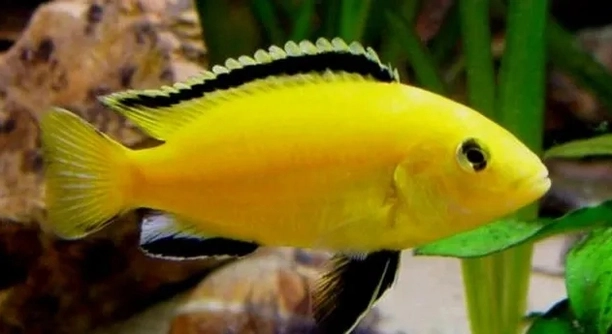
Do you ever notice your cichlid suddenly disappear behind rocks or decorations in its tank? These fish have natural instincts to seek shelter when they feel threatened or need privacy in their environment.
Cichlids utilize specific fallback hiding zones to reduce stress and maintain territorial control. Common areas include caves, dense plants, rock crevices, overhangs, substrate burrows, aquarium corners, and behind filter or decoration structures, providing both safety and comfort.
Knowing where cichlids prefer to hide can improve tank setup and fish welfare. Observing these behaviors offers insight into their natural instincts and daily routines.
Caves and Hollow Structures
Caves are one of the most popular hiding zones for cichlids. These fish instinctively seek out enclosed spaces to feel secure, especially when they are stressed or establishing territory. Caves can be natural rock formations or man-made decorations designed for aquariums. The size of the cave matters, as cichlids prefer spaces where they can fully retreat without feeling cramped. Some species, like African cichlids, are more territorial and will claim a cave as their personal area. Positioning multiple caves in different parts of the tank can reduce aggression, as each fish can have its own spot. Hollow logs, ceramic tubes, or stacked rocks also serve the same purpose, providing shelter and places for breeding. Observing how your cichlids use these spaces can give insight into their behavior, indicating comfort levels and social hierarchy. Over time, you may notice specific fish favoring certain caves over others.
Caves not only provide safety but also help cichlids feel secure in their tank environment.
Adding caves to your tank encourages natural behaviors and supports overall well-being, reducing stress and promoting healthy interactions among fish.
Dense Plant Zones
Dense plant areas offer excellent hiding spaces for cichlids, mimicking their natural environment. The thick leaves and stems give fish cover from more dominant tank mates and reduce exposure to light, helping them feel safe.
Plants also play a functional role in aquariums. They provide oxygen, reduce toxins, and create a visually appealing habitat. Cichlids will weave through roots or stay partially hidden, especially during molting or after feeding. Fast-growing or bushy plants like hornwort, java fern, and anubias work well because they maintain density over time and resist uprooting. Even artificial plants with similar structure can serve as refuge spots. Plant placement should consider swimming space and water flow, ensuring fish can move freely while still having adequate cover. Over time, fish may develop favorite plant zones, using them repeatedly for resting or retreating. The presence of plants can also reduce stress-related behaviors like aggression or excessive chasing. By observing how your cichlids interact with plant zones, you can optimize tank layout for both safety and comfort, supporting their natural instincts.
Rock Crevices
Rock crevices offer tight, secure hiding spots that cichlids naturally prefer. These narrow spaces allow fish to retreat when threatened and establish territory without interference from other tank mates. Properly arranged rocks create multiple crevices for safety and comfort.
Crevices can be formed using flat rocks, slate, or stacked formations. Fish often wedge themselves into these spaces, providing a sense of security and reducing stress. Rock formations also encourage natural exploration, as cichlids swim around and between gaps. It’s important to ensure rocks are stable to prevent collapsing, which can injure fish. Observing how often fish use crevices gives insight into their comfort level and social dynamics. Different species have different preferences; some favor very tight spaces, while others choose wider gaps. The placement should balance hiding areas with open swimming zones.
Adding rock crevices can mimic a natural habitat, supporting territorial instincts and reducing aggressive behaviors. Over time, these structures become essential areas in the aquarium where fish feel most protected and confident.
Overhangs and Shelf-Like Structures
Overhangs and shelves create shaded, partially enclosed zones that cichlids frequently use. Fish often linger beneath these structures to observe their surroundings while staying hidden from more dominant tank mates. Properly positioned overhangs add depth to the aquarium environment.
These structures can be created using rocks, driftwood, or artificial decorations designed to provide horizontal cover. Cichlids use these areas to rest, hide from strong light, or avoid aggressive individuals. Overhangs also serve as strategic points for establishing territory, as fish can monitor activity below while remaining partially concealed. Positioning multiple shelves at different heights allows fish of varying sizes and species to claim suitable spots. Overhangs contribute to reducing stress and promoting natural behaviors, like cautious exploration and retreating. Fish often swim under them repeatedly, suggesting comfort and a sense of security. Regular observation helps determine if adjustments are needed to accommodate all tank inhabitants. Creating these shaded zones enhances the aquarium layout while supporting the well-being of cichlids, ensuring they feel safe and confident in their environment.
Substrate Burrows
Substrate burrows are a natural hiding option for many cichlids, especially those that dig. Fish create small holes or tunnels in sand or fine gravel to retreat and feel secure.
These burrows also serve as breeding or resting areas. Fish often rearrange the substrate around them, showing comfort and territorial behavior.
Aquarium Corners
Corners of the aquarium provide simple, effective hiding spots. Fish use these areas to escape open water and reduce exposure to aggressive tank mates.
Corners allow fish to feel enclosed while maintaining a clear view of their surroundings. Positioning decorations or plants nearby enhances this sense of safety.
Behind Filters and Decorations
Filters, heaters, and large decorations offer additional cover for cichlids. Fish often tuck themselves behind these items to avoid light, reduce stress, or observe without being noticed.
These spots combine safety with strategic observation points. Ensuring that equipment placement does not obstruct swimming areas keeps the tank functional and comfortable for all fish.
Why do cichlids need hiding spots in the tank?
Cichlids are naturally territorial and cautious fish. Hiding spots allow them to reduce stress, feel secure, and avoid aggressive tank mates. Without adequate cover, fish can become anxious, show signs of aggression, or lose appetite. Providing multiple hiding zones helps mimic natural habitats and encourages normal behaviors.
What are the most effective types of hiding spots?
Caves, rock crevices, dense plants, overhangs, substrate burrows, aquarium corners, and spaces behind equipment are all effective. Each type serves different purposes: caves and crevices provide full enclosure, plants offer partial cover, and corners or overhangs allow observation without exposure. Combining multiple types supports diverse needs.
How many hiding spots should I provide?
The number depends on tank size and fish population. A good rule is at least one secure hiding zone per fish, plus extra. Multiple options reduce competition, prevent aggression, and allow subordinate fish to retreat comfortably. Observing interactions can help determine if more spaces are needed.
Can hiding spots affect breeding behavior?
Yes, they play a crucial role in reproduction. Many cichlids use caves, crevices, or substrate burrows for laying eggs. Sheltered areas provide protection for fry and increase the likelihood of successful breeding. Even a single well-placed hiding spot can encourage natural reproductive behaviors.
Do all cichlid species use the same hiding spots?
No. Some species prefer rocky environments, while others favor plants or soft substrate. African cichlids often choose caves and crevices, whereas South American species may dig burrows or hide among roots. Understanding species-specific preferences improves tank layout and fish comfort.
How should hiding spots be arranged?
Variety and strategic placement are key. Distribute hiding zones across the tank to avoid overcrowding and give fish multiple options. Position taller decorations or overhangs near open swimming areas to provide shade and security. Stable, secure structures prevent accidents and injury.
Can too many hiding spots be a problem?
Excessive hiding areas can reduce swimming space and make maintenance difficult. Balance is important: enough cover for security but open areas for swimming and activity. Observing fish behavior helps determine if adjustments are necessary.
How do hiding spots reduce aggression?
By providing multiple retreat options, subordinate or smaller fish can avoid confrontations with dominant individuals. Territorial fish can establish personal spaces without constant conflict. This leads to calmer interactions, less stress, and a healthier tank overall.
Do artificial hiding spots work as well as natural ones?
Yes. Artificial caves, plants, and decorations can be just as effective as natural structures. The key is providing appropriate size, density, and stability. Fish respond to shelter, not the material, so long as it mimics natural cover.
How often should hiding spots be cleaned or maintained?
Regular cleaning prevents algae buildup, debris, and potential blockages. Remove or rinse items during water changes without disturbing fish too much. For substrate burrows, gentle vacuuming around the area helps maintain water quality while preserving the fish’s created tunnels.
Can hiding spots help shy or stressed cichlids?
Absolutely. Fish that are naturally timid or recently introduced to a new tank benefit greatly from hiding zones. They can acclimate safely, regain confidence, and gradually explore open areas once they feel secure. This improves overall health and reduces disease risk.
Is it necessary to rotate or change hiding spots?
Occasionally rearranging spots can stimulate exploration and reduce boredom. However, frequent changes can stress territorial fish. Minimal, gradual adjustments work best, maintaining familiar zones while adding slight variation for enrichment.
Do hiding spots influence feeding behavior?
Yes. Fish may prefer eating near safe zones, especially if nervous. Placing food near caves, plants, or other secure areas can encourage feeding while reducing stress. Observing where fish feel comfortable during mealtime can guide placement.
Can hiding spots help during water changes or maintenance?
They provide refuge when fish feel exposed during tank disturbances. Having secure zones allows cichlids to remain calm while maintenance occurs, reducing panic or injury risk. Properly designed hiding spots can improve both fish safety and ease of tank care.
Are hiding spots important for all ages of cichlids?
Yes, from juveniles to adults. Young fish rely on cover to avoid aggression and establish early territory, while adults use them for breeding, rest, and retreat. Ensuring adequate shelter throughout their lifespan supports long-term health and natural behaviors.
What materials are safe for hiding spots?
Non-toxic rocks, driftwood, ceramic, and aquarium-safe plastics are ideal. Avoid sharp edges or unstable structures. Sand, fine gravel, and soft substrate work for burrowing species. Ensuring materials are safe prevents injury, poisoning, or water quality issues.
Can hiding spots reduce disease risk?
Indirectly, yes. Lower stress levels from having secure areas improve immune response and reduce susceptibility to illness. Overcrowding and constant exposure can compromise health, so hiding zones help maintain a balanced and resilient tank environment.
How do I know if my hiding spots are effective?
Fish frequently using caves, crevices, or plants, reduced aggression, and calmer behavior are good indicators. Observing patterns over days or weeks shows which areas are preferred. Adjusting placement or adding more zones based on behavior ensures effectiveness and comfort.
Can hiding spots help during tank introductions?
New fish entering a tank may be stressed or bullied. Multiple hiding zones allow them to acclimate safely, find temporary refuge, and gradually explore their surroundings. This reduces aggression from established fish and supports smoother integration.
Are hiding spots important for community tanks with cichlids?
Yes. In mixed-species tanks, hiding zones prevent territorial disputes and allow subordinate fish to retreat safely. Careful planning ensures all fish have access to cover, reducing conflict and promoting peaceful coexistence.
How should I observe my fish to improve hiding spot placement?
Watch where fish naturally retreat, rest, or avoid other individuals. Note high-traffic areas and spots that seem underutilized. Adjust placement to balance safety, swimming space, and visual appeal while supporting natural behaviors.
Can hiding spots be used for enrichment?
Yes. Fish explore and interact with these areas, stimulating natural behaviors like foraging, digging, and territorial monitoring. Varying textures, shapes, and layouts keeps the tank engaging while maintaining security for all cichlids.
How often should I reassess hiding spots?
Regular observation is key. As fish grow, change social dynamics, or breed, their needs may shift. Reassessing every few weeks ensures hiding zones remain adequate, effective, and supportive of fish well-being.
Cichlids are naturally cautious and territorial fish, and providing appropriate hiding spots is essential to their well-being. These zones allow fish to feel secure, reduce stress, and establish personal territory within the tank. When fish have access to caves, rock crevices, dense plants, overhangs, or substrate burrows, they are more likely to display natural behaviors. Without adequate hiding spots, cichlids may become anxious, aggressive, or lose appetite, which can affect their health and the overall harmony of the tank. Observing how fish use their environment gives insight into their comfort levels, allowing for better tank management and a safer, more enjoyable habitat. A balanced aquarium setup, where hiding spots are thoughtfully placed, supports both the physical and mental needs of the fish while promoting calmer interactions among all tank inhabitants.
The choice and arrangement of hiding spots are important factors in creating a functional and comfortable tank environment. Fish respond to a variety of cover types, from fully enclosed caves to partial shelters like overhangs or dense plants. Each type serves a different purpose. For example, caves and rock crevices allow complete retreat for stressed or territorial fish, while plants provide partial cover and a sense of security without fully isolating them. Substrate burrows cater to species that naturally dig, offering an area for resting or breeding. Corners of the aquarium and spaces behind equipment also function as convenient, low-stress zones. Using a combination of these options ensures all fish, regardless of size or temperament, have access to secure areas. Over time, monitoring how fish use each hiding spot helps in adjusting placement and quantity to match their specific needs. Properly designed hiding zones not only reduce stress but also encourage exploration, territorial establishment, and natural interactions.
Maintaining hiding spots and understanding their role in fish behavior are key aspects of successful aquarium care. Regular cleaning and secure placement of structures are necessary to prevent injury and maintain water quality. Observing the fish regularly allows for identifying underused areas, overcrowded spots, or signs of stress that may require rearranging or adding additional cover. Hiding zones also support breeding behavior, feeding patterns, and the integration of new fish into the tank, making them a central part of the aquarium ecosystem. By prioritizing these areas, aquarists can create a balanced and comfortable habitat where cichlids thrive. Thoughtful planning and maintenance of hiding spots directly improve fish health, reduce aggression, and encourage natural behavior. Over time, these measures contribute to a calmer, more stable environment, making both the fish and the tank easier to manage and enjoy.

Hello,
If you enjoy the content that we create, please consider saying a "Thank You!" by leaving a tip.
Every little bit helps us continue crafting quality advice that supports the health, happiness, and well-being of pets around the world, for pets of all shapes, sizes, and species.
We really appreciate the kindness and support that you show us!