
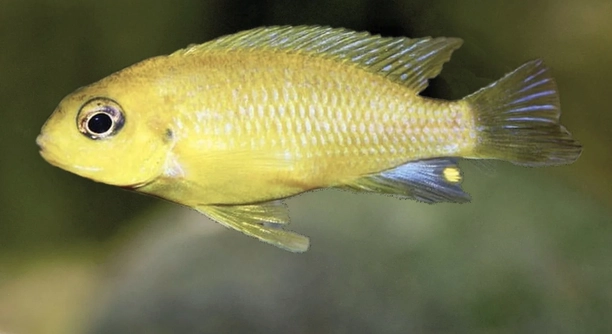
Do you enjoy keeping vibrant fish but find yourself managing space and harmony in your aquarium? Electric yellow cichlids are bright, active, and full of personality, making them a popular choice for home tanks and hobbyists alike.
Electric yellow cichlids should ideally be kept in groups of six to ten within a 55-gallon tank. Proper spacing, hiding spots, and consistent water conditions are essential to reduce aggression and maintain a stable social structure.
Knowing the right number of cichlids to keep together will help you maintain a peaceful, thriving aquarium environment.
Understanding Tank Size Requirements
Electric yellow cichlids are active and territorial fish, so the size of the aquarium plays a major role in how many can live together peacefully. A tank smaller than 55 gallons can increase aggression and stress, especially as the fish grow larger. Hiding spaces such as rocks, caves, and plants help reduce conflicts by allowing fish to establish their own territory. Open swimming areas are equally important, as cichlids enjoy exploring and need space to move freely. Overcrowding can lead to injuries, poor water quality, and unhealthy social interactions. Regular maintenance, such as water changes and monitoring parameters, also supports a stable environment. It’s helpful to introduce all fish at the same time to minimize territorial disputes. Observing fish behavior is essential, as even with adequate space, aggressive individuals may require temporary separation to prevent stress or injury, ensuring a balanced tank for all members.
Providing sufficient tank space, along with hiding spots, reduces aggression and supports healthy, active cichlids in their environment.
Maintaining proper tank size is not just about accommodating the number of fish. It affects water quality, oxygen levels, and the ability to create distinct territories. Each cichlid needs space to swim, explore, and claim its own area, reducing the risk of constant confrontations. A well-planned tank layout with rocks, plants, and caves provides natural barriers, making fish feel secure and less stressed. By considering both swimming space and hiding options, you create a more harmonious environment where cichlids can thrive socially and physically. Regular observation allows you to adjust decorations or manage individual behavior if tensions rise, ensuring the group remains balanced and healthy over time.
Managing Aggression in Groups
Aggression is common among electric yellow cichlids, especially in confined spaces or during breeding periods.
Monitoring the group’s behavior is key to preventing serious conflicts. Providing visual barriers and equal distribution of hiding spots helps balance dominance among fish.
Aggression in electric yellow cichlids often appears as chasing, nipping, or flaring at other tank mates. While some level of dominance behavior is normal, excessive aggression can lead to injuries or constant stress. Careful observation helps identify aggressive individuals before problems escalate. Adjusting the tank setup with additional rocks, plants, and caves can create boundaries and reduce confrontations. Introducing fish of similar size and age also minimizes bullying, as smaller or younger fish are less likely to trigger dominance disputes. During breeding, pairs may become highly territorial, so temporary separation or extra hiding spaces can help maintain harmony. Regular water maintenance and stable conditions further reduce stress, keeping aggression at manageable levels and promoting a healthier social environment for all fish.
Feeding and Nutrition
Electric yellow cichlids thrive on a balanced diet of high-quality flakes, pellets, and occasional live or frozen foods. Overfeeding can cause health problems, so portion control is important. Supplementing with vegetables like spinach or peas supports digestion and overall health.
A proper diet helps maintain bright coloration and energy levels. Providing a mix of protein-rich foods such as brine shrimp, bloodworms, and high-quality cichlid pellets ensures their nutritional needs are met. Including vegetables supports gut health and prevents digestive issues. Feeding small amounts multiple times a day rather than one large feeding reduces waste and keeps water quality stable.
Diet also affects behavior and social structure. Well-fed cichlids are less likely to exhibit excessive aggression, as hunger can trigger competition over food. Regularly rotating food types prevents nutritional deficiencies and keeps fish interested in their meals. Fresh or frozen foods also stimulate natural hunting behaviors, contributing to mental and physical stimulation. Maintaining a consistent feeding schedule reinforces routine, further supporting a balanced and healthy tank environment for the entire group.
Breeding Considerations
Electric yellow cichlids are prolific breeders and can form strong pair bonds quickly. Tanks should have sufficient hiding spots and flat surfaces for egg laying.
Once a breeding pair forms, territorial behavior increases, requiring careful monitoring and sometimes temporary separation of other fish. Removing eggs or fry to a separate tank may be necessary to protect them from aggression or accidental consumption.
Breeding influences the social dynamic in a tank. Males may become highly dominant, guarding their chosen site and displaying aggressive behaviors toward other males. Providing extra caves or rock structures gives other fish space to avoid confrontations. Maintaining stable water conditions, proper nutrition, and ample hiding spots ensures that both adults and fry remain healthy. Careful planning allows multiple pairs to breed without constant conflict, helping to maintain a balanced, harmonious aquarium environment.
Water Quality and Maintenance
Maintaining clean water is essential for electric yellow cichlids. Regular water changes, testing for ammonia, nitrites, and nitrates, and proper filtration prevent stress and disease, ensuring fish remain healthy and vibrant.
Temperature and pH stability are equally important. Keeping the tank between 74-82°F and a pH of 7.8-8.6 supports natural behavior and reduces aggression, promoting a balanced environment.
Social Dynamics in Groups
Electric yellow cichlids establish clear hierarchies, with dominant males often controlling territories. Observing interactions helps identify overly aggressive individuals.
Proper tank layout with hiding spots and open swimming areas helps reduce conflicts. Grouping fish in even numbers prevents single fish from being isolated or bullied, promoting harmony and active engagement among all members.
Choosing Tankmates
Tankmates should be similarly sized, robust, and non-aggressive. Avoid small or timid fish that may be stressed or attacked.
Introducing compatible species carefully, while monitoring interactions, ensures a peaceful environment and minimizes competition for territory, food, and resources.
FAQ
How many electric yellow cichlids can I keep in a 55-gallon tank?
A 55-gallon tank can comfortably house six to ten electric yellow cichlids. Providing ample hiding spots and swimming space is crucial to prevent aggression. Overcrowding will increase stress and conflicts, affecting both health and behavior.
Can I keep other fish with electric yellow cichlids?
Yes, but tankmates should be similarly sized and robust. Avoid small, timid, or slow-moving fish that could become targets of aggression. Other African cichlids or larger, fast-moving species are often compatible, as long as the tank is well-decorated with hiding spaces.
How often should I feed my cichlids?
Feeding small amounts two to three times daily works best. Overfeeding can pollute the water and harm fish health. Rotate between high-quality pellets, flakes, and occasional live or frozen foods. Vegetables like peas and spinach support digestion and overall vitality.
Do electric yellow cichlids get along with each other?
They are social fish but territorial. Conflicts are common, especially in small tanks or during breeding. Adequate space, hiding spots, and even numbers reduce disputes. Observing behavior regularly helps manage aggression before it escalates.
What water conditions are ideal for electric yellow cichlids?
Maintain a temperature between 74-82°F and pH around 7.8-8.6. Stable water parameters prevent stress, support natural behaviors, and reduce disease risks. Regular testing for ammonia, nitrites, and nitrates is essential for long-term health.
How can I reduce aggression in my tank?
Provide multiple hiding spots and visual barriers. Even numbers of fish reduce isolation of submissive individuals. Keeping consistent feeding schedules and monitoring dominant behavior also helps. Aggressive fish may need temporary separation to prevent injury.
When do electric yellow cichlids breed?
Breeding can occur once a pair matures, usually around 8-12 months. Males establish territories and select a flat surface or cave for egg laying. During this period, aggression toward other fish increases, so additional hiding spots are critical.
Should I remove fry from the main tank?
Removing eggs or fry can prevent them from being eaten by adults. Raising them in a separate tank ensures higher survival rates and allows you to control feeding and water quality. Once they grow, they can be reintroduced carefully.
How do I maintain water quality in a cichlid tank?
Perform regular water changes, at least 20-30% weekly, depending on tank load. Use a reliable filtration system and monitor water parameters closely. Clean substrate and decorations to prevent waste buildup, which can lead to toxic conditions.
Can electric yellow cichlids live peacefully long-term?
Yes, with proper tank size, stable water conditions, a well-planned layout, and monitoring of social behavior. Providing enough space, hiding areas, and compatible tankmates allows them to thrive while minimizing aggression and stress over time.
How do I identify a dominant fish?
Dominant cichlids chase others, flare fins, and claim territory. Observing interactions helps identify which fish may need intervention, such as rearranging decorations or temporary separation to maintain balance in the tank.
What are common health issues in electric yellow cichlids?
Stress from overcrowding, poor water quality, or aggressive tankmates can lead to disease. Maintaining clean water, stable parameters, and a balanced diet prevents many common problems. Quarantining new fish before introduction also reduces risks of illness.
How important is tank decoration?
Decorations like rocks, caves, and plants create boundaries, reducing conflicts. Open swimming space is also important. A well-structured tank supports natural behavior, allowing fish to explore, hide, and establish territories peacefully.
Can I keep a mixed-sex group?
Yes, but be aware that breeding will increase aggression. Providing extra hiding spots and monitoring dominant males helps reduce stress. Even distribution of males and females minimizes territorial disputes while supporting natural social dynamics.
How long do electric yellow cichlids live?
With proper care, they can live 8-10 years. Maintaining water quality, nutrition, and stable social conditions contributes to a long, healthy life. Regular observation ensures early detection of stress or illness.
What should I do if aggression becomes severe?
Identify the aggressive fish and consider temporary separation. Rearranging tank decorations or adding more hiding spaces can also help. Consistent monitoring and proactive management maintain a safe, balanced environment for all fish.
Are electric yellow cichlids suitable for beginners?
They are moderately challenging. Understanding their territorial behavior, dietary needs, and water requirements is necessary. Beginners who commit to proper tank setup, regular maintenance, and monitoring social dynamics can successfully keep them.
Do they require special lighting or temperature equipment?
Standard aquarium lighting and a reliable heater are sufficient. Maintaining stable temperature is more critical than specialized lighting, though proper lighting enhances coloration and supports plant growth if live plants are included.
Can I introduce new cichlids to an established tank?
Introduce new fish carefully, ideally with visual separation at first. Rearranging decorations before adding newcomers can help prevent immediate territorial disputes. Monitor interactions closely for the first few weeks to ensure harmony.
How can I tell if my cichlids are stressed?
Signs include hiding excessively, loss of appetite, or fin damage from aggression. Stress can also appear as faded coloration or lethargy. Promptly addressing tank conditions and social dynamics reduces risk of long-term health issues.
Electric yellow cichlids are bright, active fish that can bring energy and beauty to any aquarium. Their social behavior and vibrant coloration make them a popular choice for many fishkeepers. However, keeping a healthy and harmonious group requires careful planning and attention. Providing adequate tank size is essential, as overcrowding can quickly lead to stress and aggression. A 55-gallon tank is a good starting point for six to ten cichlids, but the more space you can provide, the better. Hiding spots such as rocks, caves, and plants help reduce conflicts and give each fish a sense of security. Open swimming areas are just as important, as cichlids are active swimmers that enjoy exploring their environment. Balancing these spaces ensures that each fish has territory and room to move freely, helping maintain peace and stability within the group.
Feeding and nutrition also play a key role in keeping electric yellow cichlids healthy. A mix of high-quality pellets, flakes, and occasional live or frozen foods meets their dietary needs. Vegetables such as peas or spinach can support digestion and overall vitality. Feeding small amounts multiple times a day rather than one large portion helps maintain water quality while keeping the fish well-nourished. Proper nutrition not only enhances their coloration but also reduces stress, which in turn lowers aggression among tank mates. Monitoring social behavior during feeding is important, as dominant fish may attempt to take more than their share. Careful observation and balanced feeding schedules help create an environment where all fish receive adequate nutrition without increasing competition. Maintaining clean water through regular changes and filtration further supports the health of the tank and all its inhabitants.
Breeding and social dynamics are additional considerations for keeping electric yellow cichlids together. These fish can become territorial, especially when a pair forms for breeding. Providing flat surfaces or caves for egg laying helps reduce aggression, while additional hiding spots give other fish space to avoid conflict. Monitoring behavior and adjusting tank layout when necessary ensures that dominant fish do not overly stress others. Water quality, tank size, and proper nutrition all contribute to maintaining a balanced and harmonious group. With careful attention to these factors, electric yellow cichlids can live together successfully, displaying their natural behaviors and vibrant colors in a well-maintained aquarium. Observing their interactions, planning for space, and keeping conditions stable allows these fish to thrive, creating a visually striking and lively tank environment.

Hello,
If you enjoy the content that we create, please consider saying a "Thank You!" by leaving a tip.
Every little bit helps us continue crafting quality advice that supports the health, happiness, and well-being of pets around the world, for pets of all shapes, sizes, and species.
We really appreciate the kindness and support that you show us!