
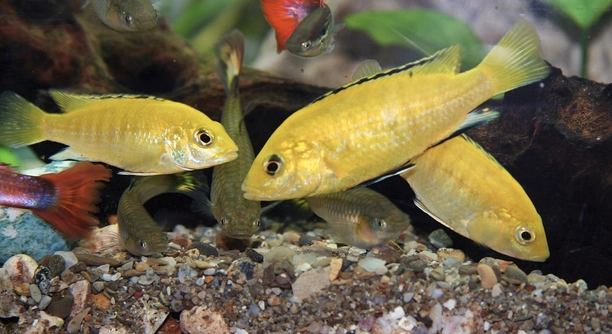
Are your cichlids acting differently after a tank move? Moving fish to a new environment can be stressful, even for experienced aquarists. Observing their behavior closely helps ensure their health and comfort during transitions.
Cichlids commonly exhibit seven stress responses during tank moves, including hiding, loss of appetite, rapid gill movement, color changes, erratic swimming, aggression, and increased mucus production. Recognizing these behaviors is essential for maintaining their well-being in new environments.
Understanding these reactions can make future tank relocations smoother and reduce stress for your cichlids significantly. Proper care starts with noticing these subtle behavioral cues.
Hiding and Seeking Shelter
When cichlids are moved to a new tank, one of the first behaviors you may notice is hiding. They often retreat to rocks, plants, or any available decorations. This instinctive response helps them feel protected in an unfamiliar space. Hiding reduces exposure to perceived threats and allows the fish to slowly adjust to new water conditions and surroundings. Some species are naturally more timid, and tank moves can intensify this behavior. It is important to provide adequate hiding spots to prevent prolonged stress. Observing when they come out of hiding can give you clues about their comfort level and adaptation progress. Gradual acclimation and minimizing sudden movements around the tank can encourage them to explore safely. Over time, as they grow accustomed to the environment, hiding becomes less frequent, but it is still a natural coping mechanism in stressful situations.
Hiding behavior signals stress but also serves as a protective measure while cichlids adjust to changes.
Providing multiple hiding spaces and a calm environment supports adaptation and helps your fish regain normal activity more quickly.
Loss of Appetite
Stress from tank moves often causes cichlids to stop eating temporarily. Appetite loss is common during the first hours or even days after relocation. Reduced feeding can affect energy levels, immunity, and overall health if prolonged. Water quality changes, unfamiliar surroundings, and the presence of other fish all contribute to this response. Even if food is offered, stressed fish may ignore it, focusing on assessing safety. It is important not to overfeed during this period, as uneaten food can pollute the water, further stressing the fish. Monitoring their feeding behavior daily allows you to determine when they return to normal eating patterns. Gentle handling and minimal disturbances during feeding can help reduce anxiety. Patience is crucial, as cichlids usually resume normal appetite once they feel secure. Observing their behavior alongside appetite changes provides insight into their stress level and adaptation process. Proper care during this stage ensures their health and prevents long-term issues.
Monitoring feeding patterns closely and maintaining clean water helps fish regain appetite faster and supports overall recovery.
To support cichlids during appetite loss, keep the tank calm, maintain stable water conditions, and introduce food gradually. Using high-quality, easily digestible foods encourages eating without overwhelming their system. Avoid sudden changes or aggressive tank mates, as these can worsen stress. Watching for signs of regained interest in food, such as approaching feeding areas, indicates improving comfort. Some fish may take longer than others, but consistent observation and gentle care typically restore normal feeding within a few days. Combining proper nutrition, minimal disturbance, and environmental enrichment ensures cichlids recover quickly from the initial stress of relocation. Maintaining this approach also reduces the likelihood of further stress-induced health problems, making the move a smoother experience for both the fish and the keeper.
Rapid Gill Movement
Rapid gill movement is a common stress response in cichlids after tank moves. It indicates increased respiration, often caused by anxiety, water quality changes, or temperature fluctuations.
This behavior is the fish’s way of coping with stress and ensuring sufficient oxygen intake. When cichlids are suddenly introduced to a new environment, their metabolic rate can increase temporarily. Rapid gill movement may be seen alongside hiding, frantic swimming, or reduced feeding. Monitoring water parameters like temperature, pH, and oxygen levels is essential to determine whether the stress is environmental or situational. Maintaining stable conditions during and after the move helps reduce this response. Over time, as the fish acclimate, gill movement should return to normal. Persistent rapid breathing, however, may indicate underlying health issues that require attention. Observing this behavior carefully provides insight into their stress level and overall well-being.
To address rapid gill movement, ensure stable water conditions, proper oxygenation, and minimal disturbances around the tank.
Providing a calm, well-oxygenated environment helps cichlids regain normal respiration and reduces prolonged stress.
Color Changes
Cichlids often show noticeable color changes when stressed, especially after being moved. Colors may darken, fade, or show unusual patterns, reflecting their discomfort and anxiety.
Stress-induced color changes are linked to hormonal fluctuations triggered by environmental shifts. These alterations can be temporary, fading as the fish adjusts to the new surroundings, or more pronounced if stress persists. Color changes are also a natural way for cichlids to signal submission or reduce aggression among tank mates. Observing these shifts alongside behavior, such as hiding or erratic swimming, helps determine the severity of stress. Stable water parameters, hiding spaces, and minimal disturbances encourage the fish to regain their normal coloration. Sudden color changes are an important visual cue that signals the need for attentive care and environmental adjustments to support recovery.
Maintaining a stable, comfortable environment allows cichlids to gradually return to their normal coloration and overall well-being.
Color monitoring is also useful for identifying health concerns early. Stress can compromise immunity, making cichlids more susceptible to disease. By watching for persistent or unusual color changes, aquarists can respond promptly, adjusting conditions or seeking treatment as necessary. Supplementing the diet with high-quality foods that support coloration and reducing aggressive interactions in community tanks further aids recovery. Recognizing that color changes are both a stress signal and a natural adaptation helps in managing the fish’s health effectively after relocation. Consistent observation ensures timely intervention, promoting a smooth adjustment to the new environment.
Erratic Swimming
Erratic swimming is a clear sign that cichlids are stressed after a tank move. They may dart around quickly, swim in circles, or bump into tank decorations, showing unease and confusion in the new environment.
This behavior often decreases as the fish acclimates, but prolonged erratic movement can indicate poor water quality or discomfort. Monitoring water parameters and providing hiding spaces helps calm the fish. Reducing sudden movements near the tank also limits additional stress, allowing cichlids to explore safely and regain normal swimming patterns over time.
Aggression
Stress from tank relocation can trigger aggressive behavior in cichlids. They may chase, nip, or display dominance toward tank mates. Aggression is heightened in smaller or crowded tanks where territory is limited. Environmental stressors, such as new water conditions or unfamiliar surroundings, amplify this response. Managing aggression involves providing adequate space, hiding spots, and visual barriers to reduce confrontations. Separating highly aggressive individuals temporarily can prevent injuries. Observing interactions closely ensures stress does not escalate into harm. Over time, as cichlids settle and establish territory, aggression typically decreases, allowing the community to stabilize while maintaining social hierarchies naturally.
Increased Mucus Production
Cichlids may produce excess mucus when stressed, which serves as a protective barrier against infections and environmental changes.
Restlessness
Restlessness is a common response after tank moves. Cichlids may swim continuously or change positions frequently, reflecting unease.
FAQ
Why do my cichlids hide so much after a tank move?
Hiding is a natural stress response for cichlids. Moving to a new tank introduces unfamiliar surroundings, water conditions, and sometimes other fish. Hiding provides them a sense of safety while they adjust. Providing rocks, plants, or decorations gives them secure spots, helping reduce prolonged stress and encouraging gradual exploration.
How long will my cichlids refuse to eat after moving?
Appetite loss can last from a few hours to several days depending on the species and individual temperament. Stress reduces energy for feeding as fish focus on adjusting to new water chemistry and surroundings. Maintaining stable water conditions and offering easily digestible foods helps them regain interest in eating. Avoid overfeeding during this period to prevent water quality issues.
Why are my cichlids changing color after relocation?
Color changes are linked to stress hormones and environmental adaptation. Darkening, fading, or unusual patterns signal discomfort or attempts to reduce aggression with tank mates. With stable conditions and hiding spots, colors usually return to normal. Persistent or extreme color changes may indicate illness or prolonged stress.
What causes rapid gill movement in my cichlids?
Rapid gill movement indicates increased respiration due to stress or environmental changes. Water temperature fluctuations, low oxygen levels, or unfamiliar surroundings can trigger this response. Monitoring water parameters and ensuring proper oxygenation helps calm the fish and prevents long-term health problems related to stress.
How can I manage aggression in cichlids after a move?
Aggression is common as fish establish territory in a new tank. Providing enough space, hiding spots, and visual barriers reduces conflict. Temporarily separating highly aggressive individuals can prevent injuries. Over time, cichlids usually settle into a social hierarchy, and aggressive behavior decreases as they become comfortable with their environment.
Why are my cichlids swimming erratically?
Erratic swimming often results from stress, confusion, or poor water conditions. Sudden tank changes or overcrowding can make fish dart, circle, or bump into objects. Maintaining stable water parameters, adding hiding places, and limiting disturbances reduces this behavior and helps them regain normal swimming patterns.
What does increased mucus production mean?
Excess mucus acts as a protective layer against infections and environmental stress. Cichlids produce more when stressed to safeguard their skin and gills. Maintaining clean water and stable conditions ensures that mucus production returns to normal, preventing complications like disease or fin damage.
How long does it take for cichlids to settle after a move?
Adjustment periods vary but generally last a few days to a week. Some timid individuals may take longer. Providing hiding spaces, maintaining water stability, and minimizing disturbances accelerates recovery. Observing behavior, feeding, and coloration gives clues about their adaptation progress.
Are there ways to reduce stress during a tank move?
Yes. Acclimating fish slowly, using proper transport containers, and avoiding sudden temperature or pH changes are essential. Providing familiar decorations or hiding spots in the new tank helps cichlids feel secure. Gentle handling and minimal disturbances during the first days improve adjustment and overall well-being.
Can stress from moving make cichlids sick?
Prolonged stress can weaken the immune system, making cichlids more susceptible to disease. Monitoring water quality, feeding, and behavior closely reduces health risks. Prompt action in case of abnormal signs, such as lethargy, persistent hiding, or unusual color changes, ensures faster recovery and prevents long-term complications.
Final Thoughts
Moving cichlids to a new tank is always a delicate process. Even experienced aquarists notice that these fish respond strongly to changes in their environment. Stress can show in multiple ways, from hiding and loss of appetite to erratic swimming and color changes. Each behavior signals that the fish is adjusting to its new surroundings. Recognizing these stress responses early is important for preventing long-term health issues. While some reactions are temporary and normal, others may indicate the need for adjustments in water conditions, tank setup, or care routines. Providing hiding spaces, maintaining stable water parameters, and limiting disturbances are all essential steps to ensure the fish can settle comfortably. Observing how your cichlids behave during the first days after a move gives insight into their comfort level and adaptation process. Patience is key, as forcing them to interact or feed before they are ready can increase stress rather than reduce it.
Understanding the different signs of stress helps in creating a more suitable environment for cichlids. Rapid gill movements, increased mucus production, or unusual aggression are not just random behaviors—they are indicators of how the fish are coping. By tracking these responses, aquarists can take targeted actions to reduce stress. For example, color changes often indicate discomfort or submission, while erratic swimming suggests confusion or anxiety. Each behavior provides clues that guide adjustments in tank management. Simple steps such as checking water temperature, ensuring proper oxygenation, and providing visual barriers between fish can make a noticeable difference. Gradual acclimation and consistent monitoring are especially helpful for species that are more sensitive to environmental changes. Over time, most cichlids return to normal behavior once they feel secure, reinforcing the importance of a thoughtful approach during tank moves.
Caring for cichlids during relocation is not just about moving them safely; it is about supporting their well-being in a new environment. Stress affects their feeding, immunity, and social interactions, so early intervention can prevent many issues. Encouraging natural behavior, such as exploring hiding spots or interacting calmly with tank mates, helps them regain balance. Maintaining stable water conditions, offering proper nutrition, and observing for abnormal behavior all contribute to smoother adaptation. Every cichlid responds differently, and attention to detail ensures each fish has the best chance to adjust successfully. By recognizing and addressing stress responses, aquarists create a healthier, more stable tank where cichlids can thrive. Over time, this careful approach builds confidence in managing future tank moves, while promoting long-term health and well-being for the fish.

Hello,
If you enjoy the content that we create, please consider saying a "Thank You!" by leaving a tip.
Every little bit helps us continue crafting quality advice that supports the health, happiness, and well-being of pets around the world, for pets of all shapes, sizes, and species.
We really appreciate the kindness and support that you show us!