
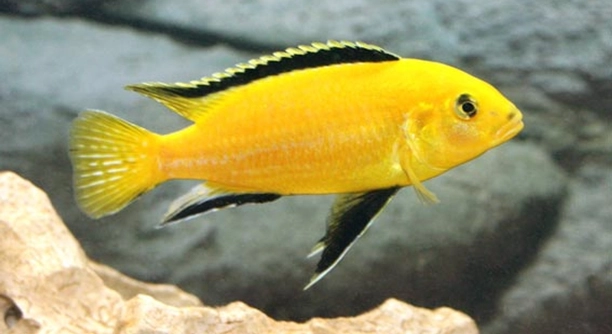
Creating the perfect home for cichlids requires attention to both water quality and tank setup. Many aquarists focus on aesthetics but overlook the essential balance that ensures fish thrive and display natural behaviors.
A balanced cichlid environment relies on maintaining proper water parameters, adequate filtration, suitable substrate, compatible tank mates, sufficient hiding spaces, consistent feeding routines, and regular monitoring. These elements collectively support the health, growth, and social behavior of cichlid species.
Proper care and planning make a noticeable difference in the vitality and happiness of your cichlids, creating a tank that is both lively and sustainable.
Water Quality and Filtration
Maintaining high water quality is crucial for cichlids. I’ve found that consistent testing for pH, ammonia, nitrites, and nitrates makes a huge difference. Using a reliable filtration system helps remove waste and toxins effectively. Frequent water changes, about 20 to 30 percent weekly, prevent harmful buildup and keep the environment stable. Cichlids are sensitive to sudden shifts, so gradual adjustments in water chemistry are safer. Adding a quality filter that combines mechanical, chemical, and biological filtration ensures debris removal, toxin absorption, and beneficial bacteria growth. Temperature control also plays a vital role; keeping water within the recommended range for your cichlid species reduces stress and encourages natural activity. A stable, clean tank promotes healthy fish, vibrant colors, and reduced risk of disease. Observing your fish regularly allows you to catch early signs of distress, making it easier to correct water issues promptly.
Filtration and consistent water checks directly impact fish health and behavior, forming the backbone of a balanced tank environment.
Investing time in proper water management prevents long-term problems. I often schedule testing and water changes at the same time weekly, which makes it easier to maintain. Adding live plants can assist with natural filtration while providing shelter. Choosing the right filter size for your tank ensures adequate circulation without stressing fish. Even small details, like rinsing filter media in tank water instead of tap water, protect beneficial bacteria. Overfeeding can harm water quality, so feeding measured portions is essential. Clear water is not only visually pleasing but indicates a stable, healthy environment. With these measures, the tank becomes a safe, lively space where cichlids can display natural behaviors and thrive for years.
Substrate and Hiding Spaces
Choosing the right substrate impacts cichlid comfort and behavior. Sandy or fine gravel substrates are best for digging species and mimic their natural habitat. Rocks, caves, and driftwood provide hiding spots and territory boundaries.
Hiding spaces reduce stress, encourage natural behavior, and support social hierarchies.
Substrate and decorations are more than aesthetics. I noticed that cichlids exploring a varied bottom environment seem calmer and more active. Certain species like to sift sand, while others prefer to dig shallow pits. Rocks and caves create territories, preventing aggression and promoting healthy interactions. Using stable, non-toxic materials avoids injuries or water contamination. Arranging hiding spaces in layers allows multiple fish to occupy different zones without conflict. Driftwood or slate adds texture and natural appeal while giving fish places to rest. Avoid overcrowding decorations, as open swimming areas remain essential. A well-planned substrate and shelter setup encourages exploration, feeding, and breeding behaviors, contributing significantly to a balanced and lively tank environment.
Compatible Tank Mates
Choosing compatible tank mates reduces stress and aggression. I’ve learned that keeping species with similar temperaments and size prevents constant conflicts and protects weaker fish.
Observing cichlid interactions is essential. Some species are territorial, while others are more social. Mixing highly aggressive fish with peaceful ones often leads to injury or stress. It helps to research each species’ natural behavior before adding them to the tank. Introducing new fish slowly, in small numbers, allows the existing fish to adjust. Avoid overcrowding, as limited space increases disputes. Monitoring fish closely during the first few weeks after introductions ensures the tank remains balanced and peaceful. A calm environment encourages feeding, natural activity, and healthy growth.
I always separate overly aggressive individuals if conflicts persist. Adjusting hiding spaces and rearranging decorations can also reduce tension. Keeping similar-sized fish with matching temperaments ensures harmony and supports long-term stability, allowing cichlids to thrive in a stress-free setting.
Feeding and Nutrition
Consistent feeding schedules and varied diets are key to healthy cichlids. I make sure to provide balanced food daily without overfeeding.
A proper diet includes pellets, flakes, and occasional live or frozen foods to meet nutritional needs. Overfeeding can foul water and harm fish health, so I measure portions carefully. Observing how each species eats helps tailor feeding strategies. Feeding at consistent times reduces stress and encourages natural foraging behaviors. High-quality food enhances coloration, strengthens immunity, and supports growth. Variety in diet prevents nutrient deficiencies and boredom. Supplements like vegetables or protein-rich treats occasionally improve overall health. Tracking feeding habits also helps detect early signs of illness or appetite changes.
I rotate foods weekly to maintain nutritional balance and keep fish engaged. Including occasional treats like brine shrimp or chopped vegetables adds interest while supporting digestive health. Feeding small amounts multiple times a day often works better than a single large feeding, reducing waste and keeping the tank cleaner. Proper feeding practices maintain energy, activity, and vitality, contributing significantly to a balanced cichlid environment.
Temperature and Lighting
Maintaining stable water temperature is essential for cichlid health. I monitor it daily to prevent stress and ensure proper metabolic function.
Lighting affects both fish behavior and plant growth. I use a consistent light cycle to mimic natural day and night patterns, which keeps fish active and healthy.
Regular Monitoring and Maintenance
Regular tank checks prevent issues before they escalate. I inspect water parameters, filter performance, and fish behavior each week. Observing minor changes early allows quick adjustments, maintaining a stable environment. Cleaning the substrate, trimming plants, and replacing filter media on schedule supports water quality. Recording readings helps identify trends, making long-term management easier and reducing the risk of stress or disease. Monitoring also includes watching for signs of aggression, illness, or unusual behavior. Consistency in maintenance routines strengthens the balance of the ecosystem, ensuring cichlids remain healthy, active, and vibrant throughout their habitat.
Social Interaction
Cichlids benefit from structured social groups. I arrange tank mates to match species’ temperaments, reducing conflicts and promoting natural behaviors.
FAQ
How often should I test the water in my cichlid tank?
I test water at least once a week for pH, ammonia, nitrites, and nitrates. Frequent checks help detect problems early and prevent stress or disease. Keeping a record of readings makes it easier to notice trends and make gradual adjustments when needed.
What is the ideal temperature range for cichlids?
Most tropical cichlids thrive between 24°C and 28°C (75°F to 82°F). I use a reliable heater and thermometer to maintain consistency. Sudden temperature changes can weaken immunity, stress fish, and lead to illness. Stable water temperature encourages natural activity and feeding behavior.
How do I choose compatible tank mates?
I select fish of similar size and temperament. Mixing aggressive species with peaceful ones usually causes stress or injury. Observing fish interactions before permanent introductions helps avoid conflicts. Providing ample hiding spaces also reduces aggression and supports social hierarchies.
What type of substrate is best for cichlids?
Sandy or fine gravel substrates suit most cichlids, especially digging species. I avoid sharp or rough materials that can injure delicate fins. Substrate should mimic natural habitats, allowing fish to dig, sift, or build territories, which supports natural behavior and reduces stress.
How often should I feed my cichlids?
I feed small portions once or twice daily. Overfeeding can foul the water, while underfeeding affects growth and color. A mix of pellets, flakes, and occasional live or frozen foods ensures balanced nutrition. Observing how fish eat helps me adjust portions and prevent waste.
What are signs of stress in cichlids?
Stress shows through lethargy, loss of appetite, faded coloration, or hiding excessively. I pay attention to unusual swimming patterns or aggression spikes. Stress often results from poor water quality, incompatible tank mates, or inadequate hiding spaces. Promptly addressing the cause restores balance.
How important are hiding spaces?
Hiding spots reduce stress and support natural behaviors. I provide caves, rocks, and driftwood for fish to claim territories or escape aggression. Well-placed shelters encourage exploration, feeding, and social interactions while minimizing conflict among territorial species.
Do live plants benefit cichlids?
Yes, live plants help with natural filtration and provide additional hiding areas. I choose hardy species that withstand digging or nibbling. Plants improve water quality, create shade, and make the tank feel more natural, which reduces stress and encourages normal behaviors.
How often should I clean the tank?
I perform partial water changes of 20–30% weekly and clean the substrate and filter as needed. Regular maintenance keeps water quality high, prevents toxin buildup, and supports healthy bacteria colonies. A clean tank directly impacts fish health and vitality.
Can I keep different cichlid species together?
Yes, if they have compatible temperaments and similar size. I research species behavior carefully and provide enough space and hiding areas to reduce territorial conflicts. Introducing fish gradually allows adjustment, maintaining a calm, balanced environment for all inhabitants.
What should I do if a fish becomes sick?
I isolate the sick fish in a quarantine tank to prevent spreading illness. Testing water parameters, checking for injuries, and observing symptoms help determine the right treatment. Early intervention improves recovery chances and protects the rest of the tank.
How do I prevent algae growth?
I control light exposure, avoid overfeeding, and maintain proper filtration. Regular water changes and cleaning surfaces also help. Introducing algae-eating species like certain snails or shrimp can assist in managing growth naturally, keeping the tank clean without chemicals.
Is it necessary to monitor fish behavior daily?
Yes, daily observation helps detect early signs of stress, aggression, or illness. I notice changes in swimming patterns, coloration, or appetite. Prompt responses to behavior changes prevent long-term problems and maintain a balanced, healthy tank environment.
How do I maintain proper pH levels?
I test water regularly and adjust pH gradually if needed. Using natural substrates like sand or crushed coral can help stabilize pH. Sudden changes can stress cichlids, so consistency is more important than quick corrections. Monitoring over time keeps the environment stable.
What is the best way to introduce new fish?
I acclimate new fish slowly using a drip or floating method. Introducing fish gradually prevents shock and allows the tank to adjust. Keeping new additions separate initially reduces stress on existing fish and lowers the risk of territorial aggression.
How do I encourage breeding?
I provide proper tank conditions, hiding spots, and high-quality food. Maintaining stable water parameters and a peaceful environment supports breeding behavior. Observing pairs and separating fry when necessary helps ensure survival and reduces competition or predation from other tank mates.
Can cichlids live with other tropical fish?
It depends on temperament and size. I only combine species with similar behaviors and avoid overly aggressive cichlids with delicate fish. Adequate space, hiding spots, and monitoring interactions are essential to maintain balance and prevent stress or injury.
What equipment is essential for a balanced tank?
A reliable filter, heater, thermometer, and lighting system are essential. I also use water testing kits and quality substrate. These tools support water quality, temperature stability, and overall health, providing a safe and balanced environment for cichlids to thrive.
How long should I quarantine new fish?
I quarantine new fish for at least two weeks. This period allows observation for disease or parasites before introducing them to the main tank. Quarantine reduces risks to established fish and ensures the health of the entire environment.
How can I reduce aggression in cichlids?
I provide plenty of hiding spaces, maintain compatible tank mates, and avoid overcrowding. Rearranging decorations periodically can disrupt established territories, preventing prolonged conflicts. Ensuring sufficient space and observing social interactions supports a peaceful, balanced environment.
What role does water hardness play?
Water hardness affects cichlid health and breeding. I test for GH and KH levels and adjust naturally if needed. Maintaining proper hardness supports mineral balance, reduces stress, and promotes strong bones and proper physiological functions.
Is it necessary to use supplements?
Supplements are helpful for some species, especially for breeding or color enhancement. I provide occasional vitamins or minerals through food when needed, ensuring fish get complete nutrition without overloading the water with chemicals.
How do I keep the tank visually appealing?
I combine live plants, natural substrates, and carefully arranged decorations. Balanced placement ensures hiding spots without overcrowding. A tidy, structured setup enhances aesthetics while supporting fish health, creating a lively and natural-looking environment.
What are common mistakes to avoid?
Overfeeding, overcrowding, poor water management, and incompatible tank mates are frequent issues. I focus on steady maintenance, observing fish behavior, and maintaining a stable environment. Avoiding sudden changes and prioritizing consistent care keeps the tank balanced and thriving.
How important is consistency in tank care?
Consistency is crucial. I follow a routine for feeding, water changes, testing, and maintenance. Predictable care reduces stress, prevents illness, and supports natural behavior. Regular monitoring ensures cichlids remain healthy and active while maintaining the balance of their environment.
How do I handle aggressive behavior during feeding?
I feed small portions in multiple areas to reduce competition. Observing which fish dominate helps adjust feeding strategies. Providing hiding spots and maintaining compatible tank mates also limits conflicts during meals, promoting calmer interactions.
Can I keep multiple cichlid species in a small tank?
I avoid this, as small tanks increase stress and aggression. Adequate space is essential for territories and swimming. Even compatible species need room to move and establish zones to maintain a balanced environment. Overcrowding disrupts behavior and water quality.
What signs indicate my tank is well-balanced?
Healthy, active fish with vibrant colors, clean substrate, stable water parameters, and minimal aggression indicate balance. I notice fish exploring, feeding regularly, and interacting naturally. Consistency in maintenance and observation confirms a thriving, stable tank environment.
How do I prevent disease outbreaks?
I maintain high water quality, quarantine new fish, provide balanced nutrition, and monitor behavior daily. Avoiding overcrowding and ensuring compatible tank mates reduces stress. Prompt attention to signs of illness limits spread and protects the entire tank.
What is the best way to clean the filter?
I rinse filter media in tank water to preserve beneficial bacteria. Cleaning too aggressively or with tap water can destroy these colonies. Maintaining filter performance ensures water quality remains high while keeping the bacterial ecosystem intact.
How can I encourage natural behavior in cichlids?
Providing varied substrates, hiding spots, proper lighting, and compatible tank mates encourages digging, exploring, and social interactions. I rotate decorations occasionally to stimulate curiosity. Feeding routines and live foods also promote foraging, mimicking natural conditions.
How do I deal with territorial disputes?
I add hiding spaces, rearrange decor, and ensure tank mates are compatible. Isolating aggressive individuals temporarily can reduce tension. Observing interactions and adjusting territory boundaries maintains harmony and supports natural social hierarchies.
How often should I replace water partially?
I perform 20–30% water changes weekly. This keeps toxin levels low, maintains stability, and supports beneficial bacteria. Gradual replacement avoids stress while ensuring consistent water quality, which is essential for cichlid health.
What is the best lighting schedule for cichlids?
I maintain 8–10 hours of light daily to mimic natural day-night cycles. Consistent lighting supports activity, feeding, and plant growth. Too much light can encourage algae, while too little reduces visibility and disrupts natural rhythms.
Are there any special considerations for breeding cichlids?
Providing hiding spaces, optimal water conditions, and a nutritious diet encourages breeding. I separate fry when needed to prevent predation. Stable conditions, minimal stress, and careful observation increase breeding success.
Can I use tap water safely for my tank?
Yes, if treated properly. I dechlorinate and adjust parameters like pH, hardness, and temperature before adding it. Untreated tap water can harm fish, so testing and preparation are necessary to maintain a safe environment.
How important is tank size for cichlids?
Tank size affects territory, aggression, and activity. I provide ample space for each species, avoiding overcrowding. Larger tanks support stable water conditions, reduce conflicts, and allow natural behavior, ensuring long-term health and balance.
How do I know when to add new fish?
I only add fish when water parameters are stable, and the existing population is healthy. Introducing new fish too frequently can stress current inhabitants and disrupt the tank’s balance. Gradual introductions work best.
What type of decorations are safe for cichlids?
I choose smooth rocks, non-toxic driftwood, and hardy plants. Sharp or unstable decorations can injure fish or damage the tank. Secure arrangements prevent accidents while providing territories and hiding spots.
How can I manage algae naturally?
I control light, avoid overfeeding, maintain proper filtration, and include algae-eating species. Regular cleaning and water changes reduce excess nutrients. Natural methods help maintain a balanced, healthy tank without harsh chemicals.
What is the role of beneficial bacteria in a tank?
Beneficial bacteria break down waste and maintain water quality. I protect these colonies during cleaning and ensure the filter supports their growth. Healthy bacteria are essential for preventing ammonia and nitrite spikes.
How do I acclimate new fish properly?
I float the bag in the tank, gradually mixing water from the tank over an hour. Slow acclimation reduces shock, allowing fish to adjust to temperature and water chemistry before release.
How do I prevent overfeeding?
I measure portions and observe how much the fish consume within a few minutes. Feeding multiple small meals rather than one large one keeps water clean and prevents health problems.
Can cichlids tolerate changes in water hardness?
They can adjust gradually, but sudden shifts stress fish. I test GH and KH regularly, making slow adjustments when necessary. Maintaining consistent hardness supports health, breeding, and overall balance.
How do I know if my filtration system is sufficient?
If water remains clear, parameters stable, and fish are healthy, the filtration is adequate. I choose filters rated for my tank size and type, ensuring sufficient circulation and biological support.
What should I do if aggression increases suddenly?
I check tank conditions, rearrange decorations, and ensure compatible tank mates. Sometimes separating aggressive individuals temporarily is necessary. Prompt action prevents injuries and maintains a balanced environment.
How often should I trim plants?
I trim plants regularly to prevent overgrowth and maintain swimming space. Removing dead or decaying leaves improves water quality and keeps the tank visually appealing while supporting healthy plant growth.
Are there any specific water parameters for breeding?
I adjust pH, temperature, and hardness according to species requirements. Stable conditions, optimal nutrition, and hiding spaces are essential for encouraging spawning and supporting fry survival.
How do I prevent fish from injuring themselves?
I remove sharp decorations, provide sufficient hiding spots, and maintain a balanced population. Monitoring aggressive interactions and separating problem individuals keeps fish safe.
What should I do if water becomes cloudy?
I test for ammonia, nitrites, and nitrates, then perform a partial water change. Checking filtration, avoiding overfeeding, and cleaning the substrate helps restore clarity. Cloudy water often indicates an imbalance or bacterial bloom.
How can I keep my cichlids active?
I maintain proper water conditions, provide hiding spots, and rotate decorations. Feeding routines and live foods encourage natural behaviors, while a calm, balanced environment reduces stress and promotes activity.
What are early signs of disease?
Lethargy, loss of appetite, faded colors, abnormal swimming, or visible spots indicate potential illness. I isolate affected fish and check water parameters, acting quickly to prevent spread.
How do I balance multiple cichlid species?
I consider temperament, size, and territorial needs. Providing hiding spots, ample space, and compatible tank mates ensures a peaceful environment. Observing interactions and adjusting as needed maintains harmony and reduces stress.
Can I use artificial decorations safely?
Yes, if they are non-toxic and smooth. I avoid sharp edges or unstable items. Artificial decorations can provide hiding spaces and visual interest without harming fish.
How do I maintain long-term water quality?
I perform regular water changes, monitor parameters, clean filters, and control feeding. Consistent care prevents toxin buildup, supports beneficial bacteria, and keeps the tank stable for healthy, thriving cichlids.
What role does lighting play in fish health?
Lighting supports activity, feeding, and plant growth. I maintain consistent schedules to mimic natural cycles. Proper light reduces stress, encourages natural behavior, and prevents algae overgrowth.
How do I manage aggressive species in a community tank?
I provide hiding spaces, compatible tank mates, and adequate territory. Separating overly aggressive individuals temporarily reduces tension. Rearranging decorations occasionally helps reset territorial boundaries and maintain balance.
Can I keep cichlids in a planted tank?
Yes, hardy plants that withstand digging or nibbling are suitable. Plants provide hiding spots, assist with filtration, and create a natural environment, supporting fish health and natural behaviors.
How do I prevent stress during water changes?
I use gradual water changes with matching temperature and parameters. Avoiding sudden large changes reduces stress. Consistency and proper handling keep fish comfortable and healthy during maintenance.
How do I know if my fish are thriving?
Active swimming, vibrant colors, normal feeding, and social interaction indicate thriving fish. I monitor behavior daily and maintain stable water conditions to support long-term health and balance.
What precautions should I take during tank maintenance?
I handle fish carefully, maintain beneficial bacteria, avoid sudden water changes, and use safe cleaning methods. Consistent routines reduce stress and maintain a healthy, balanced environment for cichlids.
How do I avoid overstocking the tank?
I follow recommended stocking guidelines for size and temperament. Even compatible species need space for territories and swimming. Overcrowding increases aggression, stress, and water quality issues.
How can I prevent sudden water chemistry changes?
I make gradual adjustments, avoid overfeeding, and maintain consistent maintenance routines. Regular testing and monitoring help detect shifts early, preventing stress or health problems.
What is the best way to introduce a new fish to a community tank?
I acclimate slowly, monitor interactions, and ensure hiding spaces are available. Gradual introduction prevents shock and reduces aggression, keeping the tank balanced and peaceful.
How do I reduce territorial disputes?
I provide multiple hiding spots, adequate swimming space, and compatible tank mates. Occasionally rearranging decorations helps reset territories and minimize aggression, maintaining a harmonious environment.
Can I use fertilizers in a planted cichlid tank?
Yes, if they are safe for fish. I use carefully measured doses and monitor plant health, ensuring water quality remains stable and fish are unaffected.
How do I support fry survival?
I provide hiding spots, optimal water parameters, and appropriate nutrition. Separating fry from adults prevents predation, and careful monitoring encourages healthy growth in a balanced environment.
How often should I check filter performance?
I inspect filters weekly for flow, media condition, and buildup. Proper maintenance ensures water quality and protects beneficial bacteria, supporting a stable and healthy environment.
How do I prevent overpopulation?
I manage breeding carefully, monitor fry, and separate species as needed. Controlling reproduction maintains balance, reduces stress, and keeps water quality stable in the tank.
What is the best way to maintain stable water parameters?
Regular testing, consistent water changes, careful feeding, and proper filtration keep parameters stable. I make gradual adjustments and monitor trends, supporting a healthy, balanced tank environment.
How do I encourage social behavior among cichlids?
Providing hiding spots, compatible tank mates, and structured territories promotes interaction. I observe behaviors and adjust decor to support natural social hierarchies, reducing aggression and encouraging healthy engagement.
What should I do if a fish hides excessively?
I check water parameters, tank mates, and hiding spaces. Excessive hiding often indicates stress, illness, or territorial pressure. Adjusting the environment or isolating the fish can restore comfort and activity.
How do I maintain a long-term healthy tank ecosystem?
I balance water quality, feeding, tank mates, decor, and maintenance routines. Monitoring behavior, providing suitable habitats, and keeping consistent care ensures a thriving, balanced environment for cichlids over time.
How do I prevent fighting over territories?
I offer multiple hiding spots and spread out resources. Rearranging decorations occasionally disrupts established territories, reducing aggression. Proper tank size and compatible species selection also minimize conflicts and maintain harmony.
What role does feeding variety play in cichlid health?
Rotating pellets, flakes, and live or frozen foods ensures balanced nutrition. I include occasional vegetables or protein treats to prevent deficiencies, encourage natural foraging, and support overall vitality and growth.
How do I monitor long-term fish health?
I observe behavior,
Creating and maintaining a balanced cichlid environment takes careful attention to several key factors. Water quality is the foundation, and keeping it stable ensures fish remain healthy and active. Regular testing of pH, ammonia, nitrites, and nitrates helps prevent sudden problems. Using a reliable filter and performing consistent water changes keeps the environment clean and safe. Temperature control is equally important, as even small fluctuations can stress fish and reduce their immunity. Observing daily behavior allows you to catch early signs of stress or illness, helping maintain stability in the tank. Even small adjustments, like rearranging decorations or adding a hiding spot, can make a noticeable difference in creating a calm and harmonious space for your cichlids.
Feeding and nutrition play a major role in overall health and coloration. Providing a balanced diet of pellets, flakes, and occasional live or frozen foods ensures that fish get all the nutrients they need. Overfeeding can negatively impact water quality, while underfeeding may affect growth and activity. Maintaining a consistent feeding schedule helps reduce stress and encourages natural foraging behavior. Substrate choice and hiding spaces also influence cichlid comfort and behavior. Sandy or fine gravel substrates allow digging and natural exploration, while rocks, caves, and driftwood provide territories and escape areas. Well-planned spaces reduce aggression, support social hierarchies, and help fish display natural behaviors. Adding live plants can improve aesthetics and water quality while offering extra shelter and stimulation.
A successful cichlid tank requires long-term commitment and observation. Introducing compatible tank mates, monitoring aggression, and adjusting the environment as needed keeps fish safe and stress-free. Regular maintenance, such as cleaning the substrate, trimming plants, and checking filters, is essential for stable water conditions. Understanding the specific needs of your cichlid species, including temperature, water hardness, and feeding preferences, helps ensure that each fish thrives. Consistency in care creates an environment where fish display vibrant colors, natural activity, and healthy growth. A balanced cichlid tank is not only visually appealing but also promotes the well-being of every inhabitant, making it a rewarding and sustainable setup over time.

Hello,
If you enjoy the content that we create, please consider saying a "Thank You!" by leaving a tip.
Every little bit helps us continue crafting quality advice that supports the health, happiness, and well-being of pets around the world, for pets of all shapes, sizes, and species.
We really appreciate the kindness and support that you show us!