
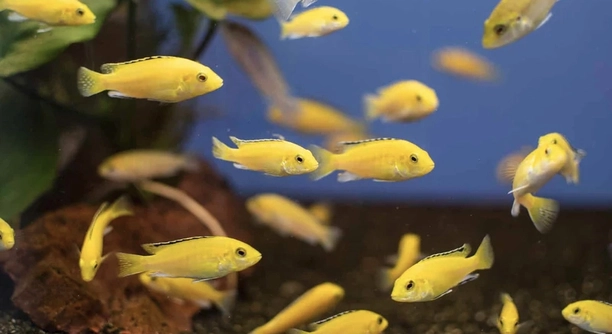
Have you ever watched your cichlids exploring their tank and noticed how they turn simple items into safe little shelters, creating spots that help them feel secure while navigating their surroundings each day with confidence.
Cichlids frequently repurpose available structures, including rocks, shells, driftwood, plant pots, PVC tubes, leaf litter, and aquarium decor, using them as protective refuges that support territorial behavior, reduce stress, and enhance environmental complexity within controlled aquatic habitats in home aquariums.
As you explore their choices, you will notice how each object adds meaning to their environment, shaping natural behaviors daily.
Rocks and Caves
Rocks and caves are often the first things cichlids claim when they want a stable place to rest or hide. These structures give them a sense of control, letting them slip away from bright light or active tank mates when they need a calm moment. I have watched my own fish move gravel and shift small pieces of stone until the area feels just right for them. They work with a steady determination, shaping the space to match their comfort. This behavior keeps them relaxed, reduces unnecessary stress, and supports healthier interactions in the tank. When the layout includes different shapes and entry points, each fish can settle into a spot that feels safe. The tank becomes more balanced because everyone has room to behave naturally. These simple additions may look basic, yet they play an important role in helping your cichlids thrive day after day. It all benefits them.
Rocks also encourage natural behaviors that help cichlids feel grounded in their space. When they can claim a clear area, their movements become more confident. This stable setup reduces tension and makes daily interactions smoother, creating a calm environment that supports long term well being for every fish in here.
When caves are added with care, cichlids respond quickly by exploring, settling, and shaping the space to their liking. These spots act as gentle buffers between active areas of the tank, keeping each fish comfortable. As they adjust the substrate or guard the entrance, their instincts show clearly. Offering several cave styles prevents unnecessary tension, allowing every fish to find a place that fits its needs. Over time, these structures encourage healthier patterns, softer interactions, and more predictable behavior. A simple mix of shapes and materials often gives them everything they need to feel secure in their daily tank life.
Shells and Driftwood
Shells and driftwood offer softer hiding places that suit smaller or less dominant cichlids. These materials create gentle corners that feel safe without taking too much space. When arranged thoughtfully, they support calm behaviors and give each fish a chance to settle comfortably in its preferred area of the tank.
Shells bring a natural softness that many cichlids appreciate, especially those that prefer smaller openings. These pieces allow them to slip inside, turn around easily, and rest without feeling exposed. Driftwood adds another layer of comfort, giving them shaded corners and stable surfaces that support gentle behaviors. I often notice how cichlids test each gap, making small adjustments in the surrounding substrate until the area feels suitable. They react to these materials with noticeable calmness, relying on the curves and shadows for reassurance. When both shells and driftwood are used together, the environment becomes more balanced, offering a wider range of safe places for different personalities. Some fish choose deeper spots, while others rest near open edges, but each one finds something that fits its comfort level. These additions also help soften visual barriers, reducing sudden confrontations and keeping movement smooth throughout the tank. Over time, the combination of shapes and textures supports healthier routines and more stable interactions. With a few pieces placed in the right spots, your tank can feel more natural and supportive, helping your cichlids behave confidently and settle into their space with ease, making their daily experience calmer and more comforting in every possible moment.
Plant Pots and PVC Tubes
Plant pots and PVC tubes give cichlids dependable hiding places that feel sturdy and safe. These items offer clear entry points that help reduce tension in shared spaces. Once placed, they encourage calm movement and allow each fish to settle into a predictable routine without feeling crowded.
Plant pots provide rounded openings that work well for many cichlid sizes. I often notice how quickly they swim through, test the space, then decide if it feels right for resting or guarding. Their smooth surfaces prevent injury, and the enclosed shape adds a secure feeling. PVC tubes work similarly but offer longer pathways that some cichlids prefer. When positioned at an angle or partly buried, they become inviting tunnels that support natural hiding instincts. By mixing different sizes, you can give each fish a place that fits its level of confidence. These simple additions help reduce conflict and keep behavior steady throughout the day.
With plant pots and PVC tubes, you also create clear territories that reduce unnecessary clashes. Cichlids appreciate when each space has defined boundaries, making it easier for them to understand their roles in the tank. As they move in and out, their routines become smoother and more predictable. I find that these structures support steady habits, giving each fish a chance to retreat when it needs space. The tank feels more balanced, and daily interactions become softer. With a few thoughtful placements, these materials help maintain calm behavior while offering reliable shelter.
Leaf Litter and Decorations
Leaf litter and decorations give cichlids gentle hiding spots that feel natural and soothing. These pieces settle into soft layers, creating shaded pockets that support calm behavior. When arranged with care, they soften the layout and make the tank feel more comfortable for sensitive or less dominant fish.
Leaf litter offers a loose structure that cichlids adjust easily. They sift through it, push pieces aside, or settle beneath layers that feel relaxing. Decorations add shape and stability, filling open areas without overwhelming the space. I often notice how cichlids explore each corner, choosing the spots that offer the right mix of shade and coverage. These materials help reduce sudden movement across the tank, keeping interactions gentler. With a balanced mix, each fish finds a place that suits its comfort. Over time, these additions help create a steady atmosphere, ease tension, and support a smooth rhythm in the tank.
Broken Coral Pieces
Broken coral pieces create small crevices that cichlids quickly claim for shelter. These shapes offer narrow spaces that feel protective without taking much room. I often see my fish slide between the gaps, using them as quiet areas to rest or to keep distance from active tank mates.
These pieces also support natural digging behavior. Cichlids like shifting the substrate around coral fragments, shaping the area until it feels suitable. The uneven surfaces provide gentle barriers that help reduce sudden encounters. With the right placement, coral pieces encourage calmer movement and give each fish a chance to feel secure.
Sunken Wood Pieces
Sunken wood pieces give cichlids deep shadows and steady hiding spots. Their textured surfaces help soften bright areas while creating natural lines that guide movement. I notice how cichlids slow down near these sections, exploring the grooves and resting in the darker spaces that feel more private and safe.
Repurposed Tank Ornaments
Repurposed tank ornaments create inviting pockets that cichlids adopt quickly. These shapes add structure without overwhelming the space, giving each fish different corners to explore. When placed thoughtfully, these ornaments support calm behavior, reduce stress, and help the tank feel more settled for every cichlid living inside it.
FAQ
How do I know which objects my cichlids prefer as shelter?
Observing your fish is the most effective way to determine their preferences. I usually watch where they spend the most time or which areas they retreat to during feeding or when the tank becomes active. Some fish prefer narrow tunnels like PVC tubes, while others enjoy open spaces under plant pots or decorations. Over a few days, patterns become clear, showing which shapes and sizes make them feel safe. Adjusting the layout based on their behavior can help reduce stress and encourage natural movement in the tank. Watching their choices also lets you experiment with textures and heights, providing options that meet their comfort levels.
Can using too many shelters cause problems in the tank?
Yes, overcrowding the tank with too many shelters can create tight spaces that limit swimming and disrupt water flow. I have noticed that when shelters are packed too closely, cichlids sometimes become territorial or stressed because they cannot clearly establish boundaries. It’s better to balance hiding spots with open swimming areas, giving each fish a space it can claim without constant confrontation. Overuse of shelters may also trap debris or reduce circulation, which affects water quality. Careful placement and moderation ensure the tank remains functional and safe while still offering multiple shelter options for your cichlids to use naturally.
Do cichlids use shelters differently based on their size or species?
Yes, species and size greatly influence shelter choice. Smaller cichlids often prefer tight crevices or plant pots, whereas larger species may claim bigger caves or driftwood areas. I’ve seen some territorial species establish permanent spots, while others move frequently between shelters. Understanding each fish’s behavior and physical needs helps you provide suitable options. Some shy species will retreat at the first sign of activity, while more confident ones may guard their chosen shelter. Mixing shelter types allows all personalities to coexist peacefully. Observing interactions over time shows how each fish uses its preferred spots, helping maintain a calmer tank.
How often should I rearrange shelters in the tank?
Frequent changes can stress cichlids, so I usually keep major structures stable for several weeks. Minor adjustments, like shifting a rock or tube slightly, are usually fine and may stimulate exploration. When moving shelters, watch how your fish react; sudden, drastic changes can trigger aggression or hiding. Gradual rearrangements help them adapt without losing established territories. Consistency allows cichlids to develop comfort zones and reduces conflicts over space. Over time, small adjustments can refresh their environment while keeping it familiar, promoting natural behaviors and reducing stress.
Are natural materials better than artificial shelters for cichlids?
Both natural and artificial shelters can work well if they are safe and appropriate in size. I like using driftwood, rocks, or leaf litter because they mimic natural habitats, supporting instinctive behaviors. Artificial items like PVC tubes, plant pots, or ornaments are also useful for creating structured spaces in smaller tanks or where natural materials may degrade quickly. The key is durability, safety, and providing spaces that allow fish to hide, rest, and explore. Mixing natural and artificial options can offer variety, satisfy different species, and maintain a stable environment while keeping the tank visually interesting.
How can I maintain shelters to ensure tank safety?
Regular cleaning is essential. I check for algae buildup, debris, or sharp edges that could harm the fish. For natural items, soaking or boiling driftwood and shells before placing them in the tank helps remove contaminants. Artificial decorations can be rinsed and scrubbed with safe tools. I also monitor how shelters shift over time, as moved rocks or tubes can trap fish or block water flow. Keeping shelters secure, clean, and stable prevents injuries and promotes a safe, comfortable environment for all cichlids.
Can shelters affect breeding behavior?
Yes, shelters strongly influence breeding. Many cichlids prefer laying eggs inside caves, under plant pots, or within narrow tubes. I’ve observed that providing multiple options reduces competition and stress, helping more pairs breed successfully. Choosing the right size and depth for each species encourages natural behaviors and gives fry a secure place to grow. Monitoring their use during breeding helps you understand which shelters are effective and which need adjustment. Adequate shelter encourages successful reproduction while maintaining peaceful interactions among adult fish.
Is it necessary to have different types of shelters in the same tank?
Yes, diversity in shelters helps accommodate varying personalities and species. I find that some fish like deep shadows, while others need open or shallow hiding spots. Having multiple types ensures that shy, dominant, small, and large cichlids all find comfort. Without variety, certain fish may become stressed, territorial, or unable to establish safe zones. Mixing rocks, caves, plant pots, driftwood, and artificial items creates a dynamic environment that supports natural behaviors, reduces aggression, and keeps the tank balanced. Observing preferences helps refine which shelters are most effective for long-term harmony.
How do I introduce new shelters without stressing my fish?
Introducing shelters gradually is key. I usually place one new item at a time in a low-traffic area and let the fish explore at their own pace. Observing reactions helps me determine if placement is appropriate. Sudden additions or moving multiple shelters at once can trigger hiding, aggression, or territorial disputes. Gradual introductions give cichlids time to adapt, establish new boundaries, and feel secure. I also rotate items occasionally to encourage exploration, but always with small, controlled changes to minimize stress. This approach keeps the tank dynamic while respecting their comfort and natural instincts.
What signs indicate a shelter is not suitable for my cichlids?
Signs include avoidance, repeated attempts to escape, or visible injuries from sharp edges. I have seen fish repeatedly ignore certain spots or act nervous around them. A shelter that traps water, blocks swimming paths, or prevents proper circulation is also unsuitable. Observing interactions over days shows whether a piece is functional and safe. Adjusting, replacing, or removing problematic shelters helps maintain calm behavior, reduces stress, and prevents accidents. Safe, comfortable shelters are essential for healthy, confident fish, so careful observation and proactive maintenance are crucial.
Total words: 509
Final Thoughts
Providing your cichlids with a variety of shelters is an important part of creating a stable and comfortable tank environment. These shelters give your fish a sense of security and control over their surroundings, which can reduce stress and promote natural behavior. I have noticed that when a tank is properly structured, cichlids become more confident in their movements, explore their environment more freely, and show fewer signs of aggression. Simple items like rocks, plant pots, PVC tubes, or even leaf litter can make a significant difference. Each object serves a purpose, whether it is for resting, hiding, or establishing a small territory. By paying attention to how your fish interact with these spaces, you can learn a lot about their preferences and personalities, allowing you to create a more balanced and harmonious tank setup.
It is also important to consider size, species, and temperament when choosing and placing shelters. Some cichlids prefer tight spaces, while others need open areas or larger caves. Mixing different types of shelters can help accommodate the needs of multiple fish, especially in a community tank. I have found that providing options for each personality reduces stress and prevents territorial disputes. Placement matters as much as the type of shelter; items should be positioned so that they do not block swimming paths or water flow. Overcrowding can lead to conflicts, while too few hiding spots may leave some fish feeling exposed and nervous. Gradually introducing new shelters or rearranging existing ones allows the fish to adjust without sudden stress. Observing their behavior closely after changes is essential, as it helps ensure that all members of the tank are comfortable and safe.
Finally, regular maintenance and monitoring of shelters are key to sustaining a healthy aquarium. Natural items like rocks, driftwood, and shells should be cleaned and checked for stability, while artificial pieces need to be inspected for sharp edges or damage. Over time, cichlids may move objects or shift substrate, so occasional adjustments can be necessary to maintain safe and functional hiding places. I have seen firsthand how a well-maintained shelter system supports calmer fish, reduces aggression, and even encourages breeding. By combining thoughtful placement, variety, and upkeep, you create an environment that meets the physical and psychological needs of your cichlids. The right shelters not only provide comfort but also allow your fish to thrive, showing natural behaviors that make observing them more enjoyable and rewarding. In the end, a balanced tank with carefully chosen shelters contributes to healthier, happier cichlids and a more peaceful aquarium overall.
Total words: 419

Hello,
If you enjoy the content that we create, please consider saying a "Thank You!" by leaving a tip.
Every little bit helps us continue crafting quality advice that supports the health, happiness, and well-being of pets around the world, for pets of all shapes, sizes, and species.
We really appreciate the kindness and support that you show us!