
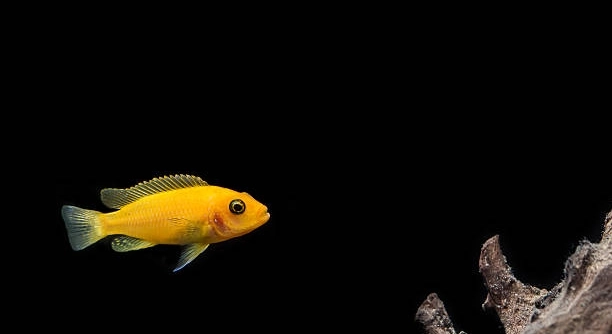
Have you ever noticed how electric yellow cichlids seem more active when their environment feels calm? These vibrant fish respond not only to water quality but also to subtle changes in sound around their tanks. Finding ways to soothe them can improve their well-being.
Seven natural sounds can help reduce stress in electric yellow cichlids. Sounds like gentle water flow, soft bubbling, and light rain mimic their natural habitats, promoting relaxation and encouraging normal behaviors in captive environments. Proper soundscapes enhance their overall health.
Incorporating these sounds is easier than it seems and can positively influence your cichlids’ daily activity and mood. Small adjustments create a more harmonious tank environment for your fish.
Gentle Water Flow
Electric yellow cichlids naturally inhabit lakes and rivers with constant, soft water movement. Mimicking this environment in an aquarium can reduce stress and encourage natural behaviors like swimming and exploring. Installing a small filter or using a bubbler can create a gentle current, producing a soothing background sound. Overly strong currents can overwhelm them, so keeping water movement moderate is important. Observing your cichlids’ response to different flow strengths helps determine what is most calming. Gentle flow also aids in oxygen circulation, keeping water quality high, which indirectly contributes to their comfort. You might notice that fish become more active near areas where the flow is smooth and consistent. This indicates they feel secure and stimulated. Additionally, gentle water flow can support plants and beneficial bacteria in the tank, creating a balanced ecosystem. Sound is subtle but impactful, and regular, calm flow helps your fish settle into a routine.
Creating a moderate flow is simple with small filters or air stones. Adjust until fish appear comfortable.
Maintaining a soft water flow consistently is crucial. Sudden changes or intermittent currents can confuse or stress cichlids. Observe their behavior daily, noting spots they prefer and times they hide. Adjusting flow and position of equipment ensures the environment remains stable and calming, promoting health and reducing aggression among tank mates. Over time, fish will respond positively, showing more vibrant colors and natural swimming patterns. Combining gentle flow with other soothing sounds enhances overall comfort, creating a tank that closely resembles their natural habitat.
Light Rain Sounds
Soft rain sounds create a calming backdrop that can reduce stress in electric yellow cichlids. It is a subtle yet effective way to simulate outdoor conditions.
Using light rain recordings near your tank or through aquarium-safe sound devices can help your cichlids feel secure. The irregular, gentle tapping mimics water ripples they might encounter in shallow natural habitats. Unlike constant bubbling, rain sounds are more random, which keeps the environment interesting without being stressful. Playing these sounds during the day encourages normal activity, while quieter periods at night support rest. Rain sounds can complement water flow and bubbling, creating a multi-layered soundscape that soothes both active and timid fish. You may notice shy cichlids exploring more or reducing hiding behavior when light rain sounds are present. Experimenting with volume and timing ensures the effect remains positive. These sounds do not need to be loud; subtlety is key. Over time, consistent light rain sounds help establish a stable, comforting environment for your electric yellow cichlids, supporting both mental and physical health.
Soft Bubbling
Soft bubbling from an air stone or small filter creates a consistent, calming sound in the tank. This gentle noise can reduce stress and encourage natural behaviors, making electric yellow cichlids more active and comfortable in their environment.
Bubbling sounds mimic small streams or shallow water environments that cichlids naturally experience. When placed strategically, an air stone produces tiny bubbles that rise slowly, adding subtle motion and sound to the tank. Fish often gather near the bubbles, exploring or swimming calmly, which indicates reduced stress. Maintaining consistent bubbling is important; abrupt changes can startle them. Combining this sound with gentle water flow can enhance the overall calming effect, supporting their health and well-being. Observing their behavior helps fine-tune the setup for maximum comfort.
Bubbling not only soothes but also helps oxygenate the water. Proper oxygen levels maintain fish health, reduce aggression, and support plants and beneficial bacteria. Over time, a balanced combination of bubbling, gentle flow, and other natural sounds creates a harmonious tank environment, allowing electric yellow cichlids to thrive and display vibrant colors naturally.
Whispering Winds
Whispering wind sounds provide a subtle, soothing background that can help calm electric yellow cichlids. It adds a natural element without overwhelming the tank’s environment.
Light wind recordings or devices placed near the aquarium can simulate the gentle rustling of leaves or soft breezes. This intermittent sound creates a sense of safety and mimics open-water conditions, promoting natural swimming and exploration. Unlike water-based sounds, wind introduces variety without being abrupt or stressful. Timing and volume are key; keeping the sound consistent and low ensures it remains relaxing rather than distracting. Fish may appear more confident and active, showing less hiding behavior when wind sounds are present. Combining this with other natural sounds can enhance the overall calming effect, making the tank environment more dynamic yet stable. Regular use of whispering winds helps maintain a stress-free atmosphere, encouraging healthy behavior patterns.
Rustling Leaves
Rustling leaf sounds can create a gentle, calming effect in the aquarium. These subtle noises mimic the natural environment of shallow waters surrounded by plants.
Using recordings of soft, intermittent leaf movement helps electric yellow cichlids feel secure. It adds variety to the tank’s soundscape without causing stress.
Distant Waterfall
Distant waterfall sounds provide a steady, soothing background that can help reduce stress in cichlids. The soft, continuous noise simulates natural habitats without being too strong or overwhelming.
Ocean Waves
Ocean wave sounds offer a rhythmic, gentle noise that can relax fish. Electric yellow cichlids respond positively to consistent, low-volume wave patterns, promoting calmer behavior and smoother swimming patterns.
What natural sounds are best for electric yellow cichlids?
Gentle water flow, soft bubbling, light rain, whispering winds, rustling leaves, distant waterfalls, and ocean waves are all effective. Each sound mimics aspects of their natural environment, helping them feel secure. Consistent, low-volume sounds are key to reducing stress and encouraging natural behavior.
How can I safely introduce these sounds to my aquarium?
Start slowly by playing recordings at low volume for short periods. Observe your cichlids’ reactions and adjust the timing or placement of speakers. Avoid sudden loud noises. Using small air stones or gentle filters for water-based sounds provides both sound and movement, enhancing the calming effect without harming the fish.
Do electric yellow cichlids respond to human voices or music?
Most fish, including cichlids, respond poorly to irregular or loud human sounds and music. While some soft classical music may not harm them, it does not provide the natural cues that reduce stress. Focusing on natural water and environmental sounds is far more effective.
How long should natural sounds be played each day?
Playing sounds for a few hours during daylight is sufficient. Continuous sound is unnecessary and may lead to habituation, where the fish stop responding. Alternating different natural sounds throughout the day can maintain a calming effect while keeping the tank environment interesting and dynamic.
Can natural sounds improve breeding and activity levels?
Yes, calming sounds can support natural behaviors, including breeding. Fish that feel secure are more likely to explore, display vibrant colors, and interact with tank mates. Reduced stress also strengthens their immune systems, which indirectly improves overall health and reproductive success.
Is it necessary to use all seven natural sounds together?
No, it is not necessary. Combining two or three complementary sounds often provides enough comfort. For instance, gentle water flow with soft bubbling can be very effective. Rotating different sounds over time prevents monotony and ensures the fish remain responsive to their environment.
Will natural sounds affect other tank inhabitants?
Yes, natural sounds can positively influence other fish or invertebrates. Most tank species benefit from a calm environment. However, sensitive species may react differently, so monitoring behavior is important. Sounds that mimic water movement or natural surroundings usually have the broadest positive effect.
Can using natural sounds replace other forms of enrichment?
No, sounds are only one aspect of enrichment. Visual elements like plants, rocks, and hiding spots are equally important. Combining natural sounds with proper tank setup, diet, and water quality creates a fully supportive environment that maximizes health and well-being.
Are recordings or live sounds better for cichlids?
Recordings are practical and reliable, offering consistent volume and timing. Live sounds, like flowing water from small fountains or waterfalls, can be effective but are harder to control. Consistency matters more than the source, so recordings are usually preferred for maintaining a stable environment.
How do I know if the sounds are working?
Observe behavior carefully. Signs of reduced stress include more active swimming, exploration, less hiding, and brighter colors. Fish that settle near sound sources and display normal interactions with tank mates indicate the environment is soothing and beneficial. Regular observation ensures ongoing effectiveness.
Can natural sounds prevent aggression in electric yellow cichlids?
Yes, calming sounds reduce stress, which can decrease territorial aggression. Fish that feel secure are less likely to fight over space or food. While sounds alone won’t eliminate aggression entirely, they are a helpful part of overall tank management, especially in community setups.
Should sounds be adjusted seasonally or based on tank conditions?
Adjusting sounds occasionally can mimic seasonal changes, supporting natural cycles. During breeding periods or temperature shifts, slight modifications in intensity or type of sound may help maintain comfort. Observing fish behavior remains the best guide for any adjustments.
Are there any risks associated with using natural sounds?
The main risk is using sounds that are too loud or abrupt, which can stress the fish. Avoid high volumes or irregular patterns. Using subtle, consistent sounds that mimic nature ensures safety and enhances well-being without negative side effects.
Do natural sounds influence feeding behavior?
Yes, calm environments encourage regular feeding. Fish that feel secure are more likely to approach food confidently. Sudden or harsh sounds can make them shy away from feeding areas. Maintaining a soothing auditory environment supports consistent eating patterns and overall health.
Can these sounds help new cichlids acclimate to a tank?
Absolutely. Introducing natural sounds during acclimation can reduce stress in new arrivals. Gentle, consistent sounds simulate a familiar environment, encouraging exploration and quicker adjustment to the new tank. Pairing sound with proper acclimation techniques improves survival and comfort during the transition.
How do I combine different natural sounds effectively?
Mixing sounds should be done thoughtfully. Pair complementary sounds like gentle water flow with soft bubbling or light rain with whispering winds. Avoid overly complex layers that could become chaotic. Rotating sounds at different times of day keeps the environment dynamic yet still calming, benefiting overall fish behavior.
Can natural sounds improve the aesthetic appeal of a tank?
Yes, a calm and active tank creates a pleasing visual experience. Fish display more vibrant colors and natural swimming patterns when relaxed. Sounds may also enhance the sense of immersion, making the aquarium feel more like a natural, balanced habitat.
What equipment is recommended for adding natural sounds?
Small air stones, gentle filters, aquarium-safe speakers, and recordings of water or environmental sounds work best. Placement matters; sounds should reach the tank without startling fish. Keeping equipment stable and consistent ensures the auditory environment remains soothing and effective.
How often should I monitor the effects of sounds on my cichlids?
Daily observation is ideal. Note changes in behavior, swimming patterns, color, and interaction with tank mates. Minor adjustments may be needed based on responses. Regular monitoring ensures the sound environment remains beneficial and supports long-term well-being.
Are natural sounds suitable for all sizes of tanks?
Yes, small and large tanks alike can benefit. Adjust volume and intensity to match tank size. Small tanks need gentler sounds to prevent stress, while larger tanks may require more robust sources to reach all areas effectively. Properly tuned sounds support cichlids in any setup.
Do these sounds replace the need for proper water conditions?
No, maintaining water quality, temperature, and filtration remains essential. Natural sounds complement proper care but cannot substitute for fundamental tank maintenance. Combining sound with high water quality, diet, and habitat structure ensures electric yellow cichlids thrive in captivity.
Can natural sounds help reduce stress during tank cleaning or maintenance?
Yes, playing soothing sounds during routine maintenance can calm fish and reduce panic. Gradually introducing water changes alongside familiar sounds helps maintain stability. The combination of auditory comfort and careful handling supports well-being during potentially stressful activities.
Are there specific times of day that are better for playing sounds?
Daylight hours are most effective, reflecting natural activity periods. Morning and afternoon playtimes support exploration and feeding, while quieter periods in the evening allow rest. Consistency in timing reinforces comfort and helps establish a predictable, secure environment.
Do electric yellow cichlids ever become desensitized to natural sounds?
Occasionally, fish may habituate to constant sounds. Rotating different natural sound types or slightly altering intensity helps maintain responsiveness. Observing fish behavior ensures sounds remain effective and continue to provide stress reduction and environmental enrichment.
Can natural sounds help in multi-species aquariums?
Yes, calming sounds benefit most species. A peaceful auditory environment reduces stress for all inhabitants, promoting harmony and minimizing aggressive interactions. Observing each species’ response ensures sounds are beneficial across the community.
How long does it take for fish to respond to new sounds?
Responses can appear within hours to days. Some fish adjust quickly, showing calmer swimming and reduced hiding. Others may take longer. Consistent, gentle introduction and careful observation ensure positive outcomes and a smooth adaptation to the new auditory environment.
Is it better to use live water features or recorded sounds?
Recorded sounds provide consistency and control over volume, timing, and type. Live water features offer realism but are harder to regulate. For predictable, stress-reducing effects, recordings are usually preferred while maintaining a natural feel in the tank.
Can natural sounds help reduce disease susceptibility?
Indirectly, yes. Reduced stress strengthens immune response and supports healthier behavior, reducing vulnerability to illness. A calm environment encourages regular feeding, activity, and social interactions, which collectively contribute to overall resilience and longevity in electric yellow cichlids.
How do I integrate natural sounds with existing aquarium equipment?
Place speakers or sound devices outside the tank to prevent water damage. Air stones and filters can double as sound sources. Ensure all equipment placement maintains consistent sound coverage while avoiding loud vibrations or disturbances that may stress fish. Proper integration maximizes benefits.
Are there any sounds that should be avoided?
Avoid loud, abrupt, or harsh sounds like clanging, shouting, or high-volume music. Irregular noises can startle fish, increasing stress and aggression. Focus on consistent, natural, and gentle auditory stimuli to maintain a secure and calming environment.
Can natural sounds replace social interaction for cichlids?
No, social interaction with tank mates is essential. Sounds provide environmental enrichment but do not replace the need for compatible companions. Combining social opportunities with calming sounds creates a well-rounded habitat that supports mental and physical health.
Do natural sounds require special maintenance?
Regularly check speakers, recordings, and air stones for proper function. Clean equipment as needed to prevent disruption in sound quality. Consistent performance ensures ongoing benefits and maintains a calm, stable environment for electric yellow cichlids.
How can I tell which sounds my cichlids prefer?
Observe where fish gather and how they behave during different sounds. Signs of preference include increased activity, exploration, and reduced hiding. Rotate sounds to see which combinations produce the most relaxed and confident behavior. This helps optimize the auditory environment for their comfort.
Will using natural sounds reduce overall stress levels permanently?
While sounds help significantly, permanent stress reduction depends on overall tank management. Stable water conditions, proper diet, compatible tank mates, and environmental enrichment all work together with natural sounds to maintain a consistently low-stress environment for electric yellow cichlids.
Can natural sounds help during transport or acclimation to a new tank?
Yes, playing familiar natural sounds during transport or early acclimation can reduce anxiety. Gentle, consistent noises provide a sense of familiarity, helping fish adjust more smoothly to new surroundings and minimizing stress-related behavior or health issues.
Are natural sounds suitable for all ages of electric yellow cichlids?
Yes, juvenile and adult cichlids both benefit. Calming auditory environments support growth, reduce stress, and encourage normal development. Adjusting sound intensity for smaller or more timid fish ensures comfort while maintaining effectiveness across age groups.
How do I measure the effectiveness of natural sounds over time?
Monitor behavior, coloration, feeding, and social interactions consistently. Fish that explore, interact, and display natural swimming patterns are responding positively. Recording observations over weeks helps fine-tune sound selection and placement for optimal long-term benefits.
Can natural sounds be combined with lighting schedules?
Yes, aligning sounds with light cycles reinforces natural rhythms. Playing gentle sounds during daylight and quiet periods at night supports activity patterns, rest, and overall well-being. Coordinating auditory and visual cues enhances the sense of a stable, natural environment.
Do natural sounds work for both solitary and community tanks?
Yes, calming sounds benefit both setups. In community tanks, they reduce aggression and promote harmony. In solitary tanks, they provide environmental enrichment and prevent boredom. Observation ensures the auditory environment meets the needs of all inhabitants effectively.
Are there budget-friendly ways to implement natural sounds?
Recordings played through small, inexpensive speakers or smartphone apps are effective. Air stones and simple filters double as sound sources. Thoughtful placement and timing matter more than costly equipment, making natural sound integration accessible for most aquarists.
Can natural sounds help maintain long-term tank stability?
Yes, by reducing stress and promoting natural behavior, fish are less likely to overconsume or damage plants. Calmer fish contribute to a balanced ecosystem, making tank maintenance easier and supporting long-term health and stability.
How should I adjust sounds if fish seem stressed?
Lower the volume, reduce the number of simultaneous sounds, or adjust placement. Observe for immediate improvement in behavior. Subtle changes often resolve stress without removing beneficial auditory enrichment entirely. Regular observation ensures ongoing comfort.
Do natural sounds influence mating behavior?
Yes, a calm environment encourages courtship and breeding behaviors. Reduced stress allows cichlids to display more vibrant colors and interact naturally, increasing the likelihood of successful spawning in a captive environment.
Can natural sounds be used alongside feeding routines?
Yes, gentle sounds can be played during feeding to maintain calm behavior. Fish that feel secure are more likely to eat confidently, reducing food waste and supporting proper nutrition. Sudden or loud sounds should be avoided to prevent feeding disruptions.
Is there a recommended volume level for natural sounds?
Keep sounds low and subtle. Overly loud or sharp noises can startle fish, while soft, steady sounds mimic natural conditions. Adjusting volume based on fish behavior ensures the environment remains soothing and effective.
Do electric yellow cichlids ever reject natural sounds?
Some fish may initially avoid new sounds. Gradual introduction, low volume, and consistent repetition usually overcome hesitation. Observing fish reactions ensures a positive experience and prevents stress.
Are there specific combinations of sounds that work best?
Pairing water-based sounds with environmental noises is most effective. For example, gentle bubbling with rustling leaves or soft rain with whispering winds creates a layered, calming effect without overwhelming the fish, enhancing overall comfort and well-being.
Can sounds help during water parameter changes?
Yes, gentle sounds can reduce stress during minor fluctuations or water changes. Playing consistent, soothing sounds provides stability, helping cichlids remain calm while adjustments are made, supporting health and normal behavior.
How often should recordings be updated or rotated?
Occasionally rotating sounds prevents habituation. Introducing subtle variations every few weeks keeps fish engaged and responsive, ensuring the calming effect remains effective over time. Consistency with occasional variation is key.
Do natural sounds affect plant growth or tank algae?
Indirectly, yes. Calmer fish disturb plants less and feed more consistently, reducing waste buildup. This contributes to healthier plant growth and less algae accumulation. While sounds don’t directly influence biology, behavioral changes can improve overall tank conditions.
Can natural sounds reduce aggressive chasing or territorial behavior?
Yes, a soothing environment lowers stress levels and tension, reducing aggressive behaviors. Fish that feel secure are less likely to overreact to tank mates, creating a more peaceful and manageable aquarium community.
Is it possible to create a full natural sound environment without spending much?
Yes, using recordings, small air stones, and gentle filters provides most of the benefits. Thoughtful placement, consistent volume, and observing fish responses are more important than expensive equipment, allowing affordable yet effective environmental enrichment.
How do natural sounds affect nighttime behavior?
Soft sounds during evening hours can support rest if played subtly. Fish recognize gentle, consistent patterns and settle into calmer behavior. Sudden sounds should be avoided at night to prevent disturbance, ensuring proper rest cycles.
Can natural sounds help reduce tank stress during water changes?
Yes, gentle background sounds can mask noises associated with maintenance, reducing startle responses. Fish remain calmer and less likely to hide excessively, supporting smoother water change procedures and overall well-being.
Do electric yellow cichlids ever prefer silence over sound?
Some individuals may be indifferent or temporarily prefer minimal noise. Observing fish behavior helps identify preferences. Alternating periods of sound and quiet ensures comfort without overstimulation, catering to varying needs among tank inhabitants.
How long should a complete sound setup last without maintenance?
Equipment like speakers or air stones should be checked weekly for function and cleaned as needed. Proper maintenance prevents sudden changes in volume or flow, ensuring consistent auditory enrichment and reducing stress over time.
Can natural sounds help fish adapt to new tank mates?
Yes, calming sounds can ease tension and aggression when introducing new fish. A familiar, soothing auditory environment encourages exploration and reduces hiding, helping fish acclimate and integrate more smoothly into existing social structures.
Do natural sounds affect water temperature or chemistry?
No, sounds do not impact water chemistry directly. However, behavioral changes from reduced stress can influence feeding and activity, indirectly affecting tank conditions over time.
Are there any seasonal adjustments recommended for natural sounds?
Subtle changes in sound intensity or type can simulate seasonal variations, supporting natural rhythms. For example, slightly more flowing water or rain sounds during breeding seasons may encourage natural behaviors. Observation guides appropriate adjustments.
Is it safe to combine natural sounds with background lighting effects?
Yes, combining low-level sound with lighting schedules can reinforce natural rhythms. Soft sounds paired with light transitions support activity patterns, feeding, and rest cycles, creating a cohesive, calming environment for electric yellow cichlids.
Can natural sounds replace physical tank enrichment?
No, sounds complement but do not replace physical enrichment. Rocks, plants, and hiding spots remain essential for exploration, territory establishment, and comfort. Combining auditory and physical elements ensures a well-rounded habitat for optimal fish health.
How do I track long-term benefits of natural sounds?
Keep notes on activity, color, social behavior, and health indicators. Track responses to different sounds, rotation schedules, and volume adjustments. Consistent monitoring allows fine-tuning and ensures the auditory environment continues to support long-term well-being effectively.
Do natural sounds help in preventing boredom?
Yes, varying sound types and timing keeps fish engaged, encouraging exploration and natural interactions. Combined with physical enrichment, this reduces repetitive or stressed behaviors, promoting mental stimulation and overall tank harmony.
Can natural sounds improve tank aesthetics indirectly?
Yes, calmer, more active fish display brighter colors and natural behaviors. This makes the aquarium visually appealing, highlighting plant arrangements and structural features, enhancing both the fish’s well-being and the observer’s experience.
Are there limits to how many sounds should be played simultaneously?
Yes, too many overlapping sounds can overwhelm fish. Combining two or three complementary sounds is optimal. Keep volume moderate and ensure patterns remain natural to maintain a calming, not chaotic, environment.
How do I integrate natural sounds with feeding schedules?
Play subtle, consistent sounds during feeding periods to reduce stress and encourage confident eating. Avoid abrupt noises that startle fish, ensuring feeding remains smooth and promoting proper nutrition.
Can natural sounds reduce stress from sudden household noises?
Yes, consistent background sounds can mask unpredictable sounds from outside the tank. This creates a buffer, helping cichlids remain calm during loud or abrupt household activity, reducing overall stress levels effectively.
Do electric yellow cichlids respond differently to each type of sound?
Yes, some sounds like gentle water flow or soft bubbling may be more immediately calming, while others like rustling leaves or wind provide subtle environmental enrichment. Observation helps determine which sounds work best for your specific fish.
Can natural sounds be part of a long-term health strategy?
Yes, combining consistent, calming sounds with proper water quality
Electric yellow cichlids respond strongly to their environment, and natural sounds can play an important role in creating a comfortable habitat. Sounds such as gentle water flow, soft bubbling, light rain, whispering winds, rustling leaves, distant waterfalls, and ocean waves mimic aspects of the cichlids’ natural environment. By introducing these sounds consistently, fish are more likely to feel secure, reduce stress, and display natural behaviors. The calming effect of these auditory cues can support both physical health and mental well-being, which are equally important for a thriving aquarium. While sound alone cannot replace other aspects of proper care, it complements water quality, diet, and habitat structure to create a balanced environment that allows electric yellow cichlids to flourish.
Implementing natural sounds is a practical step that can be tailored to each tank. Air stones, small filters, or recordings played through low-volume speakers are effective ways to create a consistent auditory environment. Observing the fish’s reactions is essential, as it allows adjustments to volume, timing, and type of sound based on comfort and preference. Some cichlids may prefer specific sounds, such as gentle water flow or soft bubbling, while others may respond well to environmental sounds like rustling leaves or light rain. Regular monitoring ensures that the soundscape continues to have a positive effect and avoids overstimulation. Combining multiple sounds thoughtfully and rotating them periodically can keep the environment dynamic, preventing habituation while maintaining a calming effect.
Natural sounds also influence broader aspects of tank management. Fish that are relaxed tend to feed more consistently, swim actively, and interact naturally with tank mates, which reduces aggression and supports overall health. A calm auditory environment can also make maintenance, water changes, and introduction of new fish less stressful, both for the cichlids and for the keeper. By integrating these sounds alongside proper lighting schedules, clean water, and physical enrichment such as plants and hiding spots, aquarists can create a cohesive environment that supports long-term well-being. Over time, the combination of consistent natural sounds, attentive care, and suitable habitat structure results in vibrant, healthy, and confident electric yellow cichlids that display their full range of behaviors and coloration, making the aquarium a more enjoyable and harmonious space.

Hello,
If you enjoy the content that we create, please consider saying a "Thank You!" by leaving a tip.
Every little bit helps us continue crafting quality advice that supports the health, happiness, and well-being of pets around the world, for pets of all shapes, sizes, and species.
We really appreciate the kindness and support that you show us!