
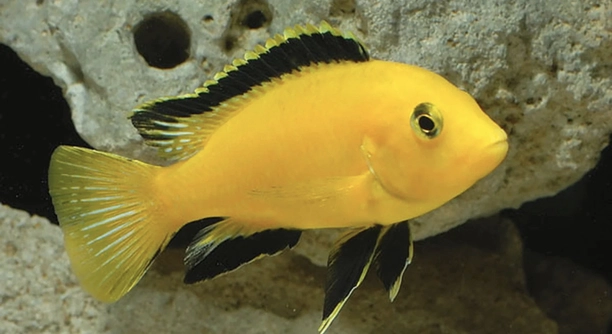
Caring for an Electric Yellow Cichlid can be both rewarding and challenging. When illness strikes, it is important to act quickly to prevent further stress and ensure a safe recovery for your vibrant aquatic companion.
A structured seven-day recovery plan for a sick Electric Yellow Cichlid involves maintaining optimal water quality, providing a nutrient-rich diet, minimizing stressors, monitoring symptoms closely, and implementing targeted treatments. Consistency and careful observation are crucial to support the fish’s full recovery.
Following this guide will help you understand the essential steps needed to restore your cichlid’s health and keep its environment stable and supportive.
Assessing the Cichlid’s Condition
When I first noticed my Electric Yellow Cichlid acting lethargic and refusing food, I immediately checked the tank for signs of poor water quality or visible illness. It was clear that the fish’s behavior had changed, so I focused on gathering information to determine the cause. Observing gill movement, fin condition, and coloration provided essential clues. Monitoring the fish throughout the day helped me identify patterns in its behavior and pinpoint specific symptoms, such as sluggish swimming and hiding in corners. Recording these observations ensured I could track any improvements or setbacks during treatment. Paying attention to small details, like whether the fish responded to tank cleaning or feeding, allowed me to adjust care strategies promptly. I also researched common illnesses in Electric Yellow Cichlids to understand what might be affecting my fish and how to respond appropriately. Proper assessment was the foundation of the recovery plan.
Recording symptoms carefully helps track improvements and adjust treatment as needed.
Taking the time to observe and document your cichlid’s behavior provides a clear understanding of its current health status. This attention to detail helps identify subtle changes that may indicate progress or complications. By combining visual inspection with behavior monitoring, it is possible to detect problems early and respond with precise care. Over time, these records become a useful reference for future issues, allowing adjustments to diet, water conditions, or medications. Maintaining accurate observations ensures the recovery plan is based on facts, not assumptions, and supports better decision-making. Consistent monitoring also helps minimize stress for the fish, as interventions can be gentle and well-timed, preventing unnecessary disturbance.
Optimizing the Tank Environment
Maintaining clean and stable water conditions is essential.
Water temperature, pH, and cleanliness directly affect the cichlid’s immune system and recovery rate. Fluctuations in temperature or poor water quality can worsen illness, so I monitored these parameters daily. Filtration and aeration were adjusted to ensure the tank remained oxygen-rich without creating strong currents that could stress the fish. I performed partial water changes regularly to remove waste and toxins while avoiding sudden shifts that could shock the cichlid. Tank decorations and hiding spots were rearranged slightly to reduce stress but still provide comfort and security. I also kept lighting consistent to mimic natural day-night cycles, which helps regulate the fish’s activity and metabolism. Avoiding overcrowding was critical; extra fish can increase stress and spread pathogens. By keeping the tank clean, stable, and quiet, I created an environment where the Electric Yellow Cichlid could focus energy on healing rather than coping with stressors or harmful conditions. This step alone made a noticeable difference in the fish’s responsiveness and appetite.
Adjusting the Diet
I switched my cichlid to a high-quality, easily digestible diet.
Protein-rich flakes and pellets designed for sick or stressed cichlids provided essential nutrients without overloading the digestive system. I soaked the food briefly to make it softer, which encouraged eating and reduced the risk of bloating. Feeding small portions multiple times a day kept the fish nourished and prevented waste buildup in the tank. I avoided overfeeding and removed any uneaten food promptly. This approach helped maintain energy levels and supported the immune system.
Introducing variety gradually encouraged appetite recovery. I added blanched vegetables like zucchini and peas to provide vitamins and fiber. Live or frozen foods, such as brine shrimp, were offered sparingly to stimulate natural foraging behavior. Monitoring how the fish responded to each food type allowed me to adjust portions and timing. Over several days, the cichlid began accepting new foods consistently, showing increased activity and improved coloration. Nutritional support became a key factor in the overall recovery process, alongside stable water conditions and reduced stress.
The dietary adjustments also helped strengthen resistance to secondary infections. Proper nutrition accelerated healing of minor fin damage and restored natural energy patterns. By maintaining a balanced feeding schedule, the fish remained active, responsive, and less prone to stress-related setbacks.
Monitoring Behavior and Health
I observed swimming patterns, gill movement, and interactions with tank elements.
Tracking behavior throughout the day highlighted subtle improvements or warning signs. Sluggish movement or frequent hiding indicated stress or lingering illness, while increased swimming and interest in food reflected recovery. I noted any changes in coloration, fin condition, and eye clarity to detect early symptoms of infection or disease. Recording these observations daily helped me adjust care, such as water changes or dietary tweaks, to support healing effectively. Gradually, the cichlid’s behavior normalized, with more active exploration and consistent feeding responses.
Maintaining detailed notes allowed for precise care adjustments and reduced the risk of complications. Early detection of recurring symptoms ensured that interventions were timely and effective. Observing the fish closely reinforced confidence in treatment steps and helped track progress accurately. By combining behavior tracking with environmental control and nutrition, recovery became measurable. Adjustments were made as needed, including minor tweaks to water parameters or feeding schedules. Over the week, the cichlid’s swimming strength, appetite, and coloration steadily improved, showing that careful monitoring directly contributed to the success of the recovery plan.
Administering Medications
I used targeted medications recommended for bacterial or parasitic infections.
Dosage was carefully measured based on tank volume to avoid overdosing. I monitored the cichlid closely for any side effects or stress responses during treatment. Water changes were timed to maintain effectiveness.
Medications were combined with improved water quality and diet. This approach ensured that the cichlid’s immune system had support from both internal and external factors. I avoided using multiple treatments simultaneously unless advised, reducing the risk of harmful interactions. Careful observation during medication helped track progress, and adjustments were made if symptoms persisted or worsened.
Maintaining Stress-Free Conditions
I minimized sudden movements near the tank and kept noise levels low.
Providing hiding spots and avoiding overcrowding reduced stress significantly. The cichlid responded by exploring more and resuming normal swimming patterns.
Tracking Recovery Progress
Daily notes recorded appetite, coloration, and activity levels.
Tracking progress helped me notice small improvements that indicated healing. I could adjust feeding and water care according to these observations. The cichlid began regaining energy steadily, showing more consistent behavior, which confirmed that the recovery plan was effective.
Preparing for Post-Recovery Care
I ensured water stability and continued balanced feeding.
Even after recovery, consistent care prevented relapse. Gradual reintroduction to normal diet and routine kept the cichlid healthy and active.
FAQ
How can I tell if my Electric Yellow Cichlid is sick?
Signs of illness include lethargy, loss of appetite, faded coloration, clamped fins, rapid gill movement, or unusual swimming patterns. Observing behavior closely over several hours can help detect these issues early. Hiding more than usual or refusing food is often a clear indicator that the fish is stressed or unwell. Physical signs like torn fins, cloudy eyes, or white spots may indicate bacterial or parasitic infections. Recording these symptoms allows you to track changes and respond quickly, which improves the chances of successful recovery. Monitoring daily ensures no subtle symptoms are missed, and early intervention reduces stress and prevents illness from worsening.
What is the best water temperature for recovery?
Maintaining stable water temperature is crucial for a sick cichlid. Ideally, keep the tank between 76°F and 82°F, depending on your specific cichlid strain. Sudden changes in temperature can stress the fish, weakening its immune system. Using a reliable heater with a thermostat ensures consistent warmth. Avoid placing the tank near drafts or direct sunlight that could cause fluctuations. Monitoring the temperature daily allows adjustments as needed. Stable water conditions help the cichlid focus energy on healing rather than coping with stress.
How often should I perform water changes?
Partial water changes of 20-30% every two to three days are recommended during recovery. Removing toxins and excess waste reduces stress and improves overall health. Avoid full water changes, which can shock a sick fish. Make sure replacement water is dechlorinated and matches the tank’s temperature and pH. Gradual water adjustments prevent further stress while keeping the environment clean. Tracking water parameters like ammonia, nitrite, and nitrate levels ensures safe conditions and supports the immune system during healing.
What foods are safest for a sick cichlid?
Easily digestible, high-protein foods are ideal. Soaked pellets or flakes soften digestion, preventing bloating. Adding small portions of blanched vegetables like zucchini or peas provides fiber and vitamins. Live or frozen foods, such as brine shrimp, can be offered sparingly to stimulate appetite. Avoid overfeeding to prevent water contamination and digestive issues. Feeding small meals multiple times per day supports consistent energy levels. Monitoring how the fish responds to each food type allows adjustments and ensures the cichlid receives proper nutrition. Consistency in feeding aids recovery and strengthens the immune system.
Can I treat my cichlid with over-the-counter medications?
Yes, but only with medications specifically formulated for freshwater cichlids. Follow dosing instructions carefully based on tank size. Avoid combining multiple treatments unless recommended, as this can cause stress or chemical reactions. Observe the fish closely during treatment for signs of improvement or adverse effects. Proper medication use combined with clean water and a balanced diet enhances recovery. Consult a veterinarian if symptoms persist or worsen despite treatment. Correct usage of medications can target infections efficiently and reduce the risk of relapse.
How do I reduce stress during recovery?
Minimizing movement around the tank and keeping noise low helps reduce stress. Provide hiding spots and avoid sudden changes in tank layout or lighting. Maintain stable water parameters and avoid overcrowding. Stress-free conditions improve appetite, support immunity, and encourage natural behavior. Consistent observation ensures that environmental adjustments remain effective, promoting faster and safer recovery.
How long does full recovery usually take?
Recovery typically takes seven days if symptoms are mild and care is consistent. Severe cases may require additional time. Observing appetite, activity, and coloration daily helps gauge progress. Adjust care strategies according to these observations to ensure complete healing. Proper nutrition, clean water, stable temperature, and minimal stress are all essential factors in achieving a full recovery.
Final Thoughts
Caring for a sick Electric Yellow Cichlid requires patience, observation, and consistency. Recovery is rarely instantaneous, and small improvements over several days are a good sign that the fish is responding to care. During this time, monitoring water quality, feeding habits, and behavior is essential. Even minor changes, like a slight increase in activity or renewed interest in food, indicate progress. Maintaining a stable and clean environment is just as important as providing medication or dietary adjustments. By focusing on these core areas, the cichlid has the best chance to regain health efficiently and safely. Avoiding abrupt changes in water temperature, lighting, or tank setup helps reduce stress, which can otherwise slow recovery. Keeping detailed notes on the fish’s behavior and physical condition allows adjustments to be made in real time, ensuring care is always aligned with the cichlid’s needs.
Balanced nutrition plays a key role in supporting the fish’s immune system and restoring energy. Softened pellets, nutrient-rich flakes, and occasional additions of blanched vegetables or small amounts of live or frozen food provide essential vitamins and protein. Feeding small portions multiple times a day helps maintain energy levels without overloading the digestive system. Overfeeding or neglecting food can create additional stress or health issues, so careful portioning is necessary. Watching how the fish responds to different foods also allows fine-tuning of the diet to encourage appetite and improve overall condition. Providing a varied diet in combination with clean, stable water gives the cichlid the resources it needs to heal more quickly and maintain strength after recovery. Nutrition, when paired with proper environmental management, forms the foundation for long-term health.
Recovery also requires patience and attention to subtle signs of improvement. Some days may show rapid progress, while others may seem slower, but consistent care ensures steady improvement over time. Observing changes in fin movement, coloration, and behavior helps confirm that the cichlid is on the right path. Avoid rushing treatments or making multiple simultaneous adjustments, as this can confuse or stress the fish. By maintaining calm, deliberate care routines, the cichlid can regain full health in a structured and safe manner. Even after the recovery period, ongoing attention to water quality, diet, and stress reduction helps prevent relapse and ensures the fish remains active and vibrant. Taking the time to understand the cichlid’s needs and responding carefully fosters a healthier, more resilient fish capable of thriving in its aquatic environment.

Hello,
If you enjoy the content that we create, please consider saying a "Thank You!" by leaving a tip.
Every little bit helps us continue crafting quality advice that supports the health, happiness, and well-being of pets around the world, for pets of all shapes, sizes, and species.
We really appreciate the kindness and support that you show us!