
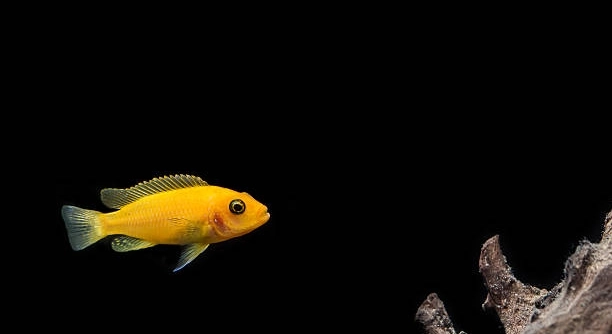
Are your tankmates often moving around during feeding time, showing small movements you might not notice at first? Observing these behaviors closely can reveal subtle ways your fish or aquatic creatures communicate hunger among themselves.
Seven feeding signals are commonly shared among tankmates, including swimming patterns, fin movements, mouth opening, and positioning near food sources. Recognizing these behaviors allows for better feeding management and ensures all tank inhabitants receive appropriate nutrition.
Knowing these signs can improve harmony during mealtime and make feeding more efficient for everyone in your aquarium.
Recognizing Active Swimming Patterns
When tankmates are hungry, you may notice them swimming more actively than usual. This increased movement often happens near feeding areas or along the aquarium edges. Fish might swim in circles, dart from one side to another, or follow each other closely. These movements indicate anticipation and readiness to eat. Observing these patterns helps you time feedings better and ensures everyone gets a fair share. Over time, you will start to notice consistent behaviors that indicate hunger, allowing you to respond before competition or stress occurs. Active swimming is often paired with other signals like fin movements or nudging, creating a full picture of feeding behavior. Recognizing this pattern early can also prevent aggressive interactions among tankmates, especially in smaller tanks where space is limited. Monitoring your aquarium regularly helps maintain balance and promotes healthier, happier aquatic life, ensuring feedings remain smooth and controlled.
This behavior is often an early sign that your tankmates are ready to eat. Timing your feeding around these movements improves distribution and reduces stress.
Watching these patterns consistently allows you to identify dominant feeders versus more passive tankmates. By noting where and how different fish swim during feeding time, you can adjust feeding techniques. For example, scattering food or targeting slower feeders ensures equitable nutrition. Observing active swimming also helps detect changes in appetite, which may indicate health issues early. Each species has unique cues, so knowing your tank’s residents is crucial. Over time, recognizing these patterns becomes intuitive, making feeding routines predictable and stress-free.
Fin Flicking and Body Movements
Fin flicking is a subtle yet common signal indicating readiness to eat. Fish may flutter their fins, flare them slightly, or make short, sharp movements while approaching food areas. These gestures help convey excitement and alert other tankmates to feeding time.
Fin flicking can also indicate hierarchy during feeding, showing which individuals are most eager or dominant. This movement ensures tankmates coordinate without overt conflict.
Repeated observations of these movements allow you to distinguish between normal activity and hunger-related signals. Fish often combine fin flicking with body tilting or small nudges toward the food. These behaviors are instinctive and serve both communication and practical purposes, like reducing competition. By paying attention to these subtle cues, you can distribute food evenly, preventing dominant individuals from monopolizing meals. Some species are more expressive than others, so learning each tankmate’s unique signals improves feeding efficiency. Additionally, consistent recognition of fin flicking patterns helps track appetite changes, which can be an early indicator of illness or stress. Integrating these insights into your feeding routine fosters a balanced environment and promotes overall tank health.
Mouth Movements and Feeding Signals
Mouth movements are a clear indication that your tankmates are anticipating food. Opening and closing their mouths repeatedly, or nibbling near the feeding area, signals readiness to eat and encourages other fish to gather around.
Repeated mouth movements often coincide with other behaviors, like active swimming or fin flicking. Fish may hover near the food source, testing the water or creating small currents with their mouths. These actions not only indicate hunger but also help distribute food particles. Some species use mouth movements to communicate with each other, subtly signaling where the food is or asserting feeding order. Observing these gestures helps you gauge appetite levels and ensures everyone receives adequate nutrition during mealtime. Patterns may vary across species, so it is useful to note each fish’s typical behavior to manage feeding efficiently.
Noticing these subtle cues allows you to anticipate feeding time more accurately. Tankmates that rely heavily on mouth movements can be easier to monitor and ensure they are not overlooked during meals.
Positioning Near Food Sources
Tankmates often position themselves strategically when food is introduced. Fish may gather near the top, edges, or specific corners, indicating anticipation and awareness of feeding routines.
Positioning near food sources demonstrates both readiness and social interaction. Dominant individuals often take prime spots, while shy or smaller fish may hang back until the main rush settles. Watching where your tankmates place themselves helps distribute food more effectively and prevents aggressive encounters. Fish naturally learn each other’s preferred spots, and this spatial awareness reduces stress. Over time, you can predict feeding behaviors and make small adjustments, such as scattering food or adding feeding rings, to ensure all tankmates have access. Recognizing these patterns improves the overall harmony and efficiency of feeding sessions in your aquarium.
Nudging and Gentle Bumping
Nudging is a common way tankmates communicate during feeding. Fish may gently bump each other or the food to signal interest. This behavior helps alert others and establishes a feeding order without causing aggression.
Smaller or shy fish often use nudging to gain attention. These subtle interactions ensure everyone in the tank knows food is available and can help reduce stress by coordinating movements and minimizing sudden rushes.
Grouping Behavior
Tankmates often form small groups near food. Grouping ensures that less dominant fish have a chance to eat while following the movement of more confident individuals. Fish instinctively coordinate this behavior, creating natural feeding patterns that maintain order and prevent chaos in the tank.
Tail Flicks
Tail flicks can indicate excitement and readiness to feed. Rapid or sharp movements often accompany other feeding signals, showing heightened alertness and anticipation among tankmates.
How can I tell if my tankmates are hungry?
Observing their behavior is the easiest way to identify hunger. Look for active swimming near feeding areas, frequent mouth movements, fin flicking, or tail flicks. Fish that hover near the top or edges of the tank are often anticipating food. Subtle nudging or gentle bumping among tankmates is also a strong indicator that they are ready to eat. Recognizing these signals early allows you to feed efficiently and avoid overfeeding or stress during mealtime. Each species has unique cues, so note consistent patterns for accurate observation.
What should I do if some fish are more dominant during feeding?
Dominant fish tend to take prime spots and may eat more quickly. To ensure all tankmates receive enough food, scatter it in different areas or use feeding rings. You can also temporarily feed shy or smaller fish separately by adding food near their preferred hiding spots. Observing how your tankmates interact during feeding helps you adjust strategies to maintain balance. Providing adequate space and distributing food evenly prevents stress and ensures less aggressive fish get their share without confrontation.
Why do my fish nudge each other at feeding time?
Nudging is a natural form of communication during feeding. Fish use gentle bumps to alert others, indicate where food is, or establish feeding order. This behavior minimizes conflict and helps maintain harmony in the tank. Smaller or less confident fish often rely on nudging to signal interest in food without competing aggressively. Understanding these interactions allows you to interpret feeding dynamics and manage mealtime more smoothly. Paying attention to nudging patterns can also help identify any changes in behavior that may indicate stress or health issues.
Are tail flicks important for understanding feeding behavior?
Yes, tail flicks are an active signal of excitement and readiness to feed. Rapid or sharp tail movements often occur alongside fin flicking, mouth movements, or swimming patterns. This behavior communicates alertness and can influence the movement of other tankmates. Observing tail flicks provides insight into which fish are hungry and how the group coordinates during feeding. Consistently monitoring this behavior helps anticipate feeding time, identify dominant or shy individuals, and adjust your feeding strategy to support all tankmates.
How does grouping behavior affect feeding?
Grouping behavior helps create order during mealtime. Fish often gather near food sources in small clusters, allowing less dominant individuals to follow confident feeders. This coordination reduces competition and stress, ensuring everyone gets access to food. Watching how your tankmates form groups can help you distribute food more effectively. Some fish prefer tight clusters, while others linger on the periphery. Understanding these tendencies allows you to feed strategically, improving overall harmony and making feeding sessions smoother and more efficient for all tankmates.
What are the best ways to encourage shy fish to eat?
Shy fish often wait until dominant tankmates finish eating. To help them, provide food near hiding spots or less crowded areas. Using slow-release food, sinking pellets, or placing flakes in multiple locations ensures they get their share. Observing their behavior over time helps identify which areas they prefer and the optimal feeding methods. Maintaining a calm environment with minimal sudden movements also encourages participation. Gradually, shy fish learn the routine and become more confident, reducing stress and promoting healthier feeding habits across your tank.
Can feeding signals indicate health problems?
Yes, changes in typical feeding behaviors can signal health issues. If a usually active fish stops swimming near food, reduces mouth movements, or shows no interest in group feeding, it may be stressed, ill, or experiencing nutritional deficiencies. Tail flicks, fin flicking, and nudging that suddenly disappear can also be warning signs. Consistent observation helps detect subtle deviations early. Responding promptly by checking water quality, diet, and overall environment ensures potential health problems are addressed before they worsen, maintaining the well-being of your tankmates.
How often should I monitor feeding behavior?
Regular monitoring is essential to maintain a healthy aquarium. Observing daily allows you to notice changes in swimming, mouth movements, fin flicks, or tail flicks. Keeping track of which tankmates eat first, how they group, and who shows subtle signals like nudging helps adjust feeding routines. Daily attention ensures all fish get adequate nutrition, reduces stress from competition, and allows early detection of illness or behavioral changes. Maintaining a consistent observation habit creates a stable environment where feeding behavior supports the health and harmony of all tankmates.
Does tank size affect feeding behavior?
Tank size directly impacts feeding dynamics. In smaller tanks, food competition is higher, making it crucial to recognize subtle feeding signals and distribute food carefully. Larger tanks allow more space for shy or less dominant fish to access food without confrontation. Understanding how space affects swimming patterns, grouping, and nudging helps manage feeding more effectively. Adjusting food placement, quantity, and timing according to tank size ensures that all tankmates receive proper nutrition and reduces stress-related behaviors, promoting a balanced and harmonious aquatic environment.
What should I do if multiple signals occur at once?
Multiple feeding signals often happen simultaneously, such as active swimming with mouth movements and fin flicking. Observing the combination provides a clearer picture of hunger and anticipation. Prioritize feeding distribution based on dominant and shy fish, scatter food strategically, and monitor the group’s response. Recognizing overlapping signals ensures that no tankmate is overlooked, and you can maintain a balanced, stress-free feeding routine. Understanding how signals interact allows you to respond effectively, making mealtime smoother and supporting healthy interactions among all your tankmates.
Understanding the feeding signals of your tankmates is an important part of maintaining a healthy and balanced aquarium. Observing behaviors such as active swimming, fin flicking, mouth movements, tail flicks, nudging, and positioning near food sources provides clear insight into their hunger and readiness to eat. These signals are natural communication tools that fish use to coordinate feeding without causing unnecessary stress or aggression. By paying close attention, you can ensure that every tankmate receives the proper amount of food and that mealtimes are smooth and controlled. Recognizing these patterns also allows you to anticipate feeding behavior, making it easier to provide care that meets the needs of each species. Over time, identifying these cues becomes intuitive, helping you respond to your aquarium’s dynamics quickly and effectively.
Feeding signals also play a significant role in understanding the social structure of your tank. Dominant and more confident fish often display signals earlier and more prominently, while shy or less assertive fish may rely on subtle cues like nudging or positioning at the edges to indicate their interest in food. Recognizing these differences allows you to adapt your feeding strategy to make sure no tankmate is left out. For instance, scattering food in multiple areas, using slow-sinking pellets, or placing food near hiding spots gives less dominant fish a chance to eat comfortably. Understanding these interactions not only improves feeding efficiency but also reduces stress and competition. This attentiveness supports the overall health of your aquarium, creating an environment where every fish can thrive and display natural behavior without fear of being outcompeted.
Finally, observing feeding signals offers insight into your tankmates’ overall well-being. Changes in typical behaviors, such as a reduction in active swimming or tail flicks, can indicate stress, illness, or nutritional deficiencies. Consistently monitoring these cues allows you to detect potential issues early and take action before problems worsen. It also fosters a stronger connection to your aquarium, giving you a deeper understanding of each fish’s personality and needs. By respecting these signals and adjusting your feeding practices accordingly, you create a more harmonious environment where tankmates can coexist peacefully, receive adequate nutrition, and maintain their natural instincts. Attentive care and observation ultimately ensure that your aquarium remains a healthy, balanced, and enjoyable space for both you and your tankmates.

Hello,
If you enjoy the content that we create, please consider saying a "Thank You!" by leaving a tip.
Every little bit helps us continue crafting quality advice that supports the health, happiness, and well-being of pets around the world, for pets of all shapes, sizes, and species.
We really appreciate the kindness and support that you show us!