
Cichlids are fascinating fish, especially when they start showing signs of breeding behavior. Observing subtle changes in their appearance and actions can reveal important shifts in their reproductive cycles and overall health.
Hormonal shifts in breeding cichlids are often marked by changes in coloration, increased territorial behavior, and altered feeding patterns. Recognizing these indicators helps aquarists manage breeding conditions effectively and supports the well-being of the fish during reproductive phases.
Paying attention to these signs can improve your understanding of cichlid behavior and enhance the success of your breeding efforts. Small details often reveal significant changes in their health and activity.
Color Changes in Breeding Cichlids
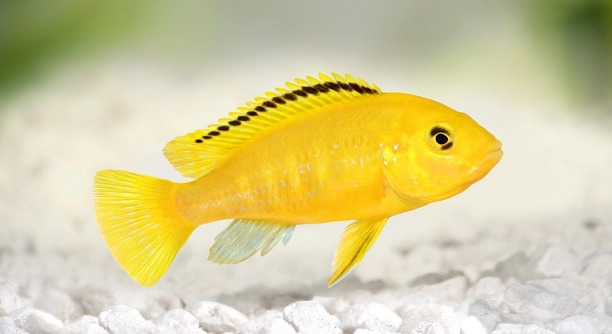
Cichlids often display vivid color shifts as their hormones change during breeding. Males may become brighter, showing more intense patterns, while females might darken in specific areas. These color changes are signals to potential mates and rivals alike. Watching closely, I noticed that even minor variations in hue could indicate readiness to spawn. Color shifts can also reflect stress or environmental factors, so it’s important to consider tank conditions. Observing lighting, water quality, and social dynamics alongside color changes helps ensure accurate interpretation. Some cichlids display subtle patterns only visible under certain angles, requiring patience to identify. Over time, these visual cues become easier to recognize. I’ve found that keeping a small log of color changes and dates helps track breeding readiness. Sudden changes without context may suggest illness rather than reproductive behavior, so monitoring overall activity is essential. Consistency in observation gives the clearest understanding of hormonal shifts in these fish.
Color changes signal hormonal shifts and readiness to breed, providing critical information for managing breeding conditions effectively.
Noticing color patterns and subtle shifts can prevent mistakes and ensure healthier breeding outcomes. Documenting these changes helps track individual fish behavior.
Increased Territorial Behavior
Breeding cichlids often become more territorial, defending specific areas of the tank aggressively. Even mild interactions with tankmates can escalate as hormones rise. Observing this behavior gives insight into social hierarchy and breeding readiness.
Heightened territoriality is common as cichlids prepare for spawning, especially among males. They guard nesting sites, chase intruders, and may rearrange substrate or decorations to mark their territory. This behavior is driven by hormonal surges, signaling reproductive intent. Understanding these dynamics allows better tank management, minimizing stress for less dominant fish. Females may also show aggression near preferred nesting spots or while guarding eggs. Recognizing these behaviors early helps prevent injuries or stress-related illnesses. Adjusting tank layout with extra hiding spots and visual barriers can reduce tension. Watching how fish interact daily reveals patterns in dominance, pairing, and readiness. In some species, territorial disputes indicate compatible breeding pairs, while persistent aggression may require separating individuals. Observing without interference often shows natural progression of courtship and nesting. Properly responding to territorial signals supports successful breeding while maintaining tank harmony and fish health.
Changes in Feeding Patterns
Breeding cichlids often eat less or become selective about food. Their appetite can shift depending on hormone levels and reproductive focus. Monitoring feeding habits provides clues about readiness to spawn or stress levels.
I noticed that during peak breeding periods, some of my cichlids would ignore their usual pellets and prefer live or frozen foods. This change is not just about preference—it reflects energy needs for spawning. Females preparing for eggs often graze less, while males may eat erratically due to territorial focus. Adjusting feeding schedules and offering nutrient-rich options helps support them through these hormonal changes. Watching which foods they accept can indicate their comfort and readiness for breeding. Feeding should be consistent but flexible, providing both variety and sufficient nutrients to meet energy demands during reproductive activity.
These shifts can also signal stress if prolonged. If a normally active cichlid refuses food for several days, checking water quality, tank mates, and hiding spaces is crucial. Feeding changes alone do not always indicate readiness but combined with other signs, they form a reliable pattern of reproductive behavior.
Nesting and Substrate Behavior
Breeding cichlids often manipulate substrate or create nests to prepare for eggs. Digging, moving rocks, or clearing spaces are common actions driven by hormones. These behaviors indicate reproductive readiness and help identify active breeders.
I’ve seen my cichlids spend hours rearranging gravel or moving small decorations. Males sometimes fan substrate to form pits, while females may inspect or clean the area. This activity is consistent and deliberate, showing hormonal influence rather than random digging. Providing suitable substrate types and decorations encourages natural behaviors and reduces stress. Watching their interactions around nests reveals pairing dynamics and readiness to spawn. Nest-building behavior often increases gradually, peaking just before egg-laying. Observing the frequency and intensity of these activities helps determine the timing of breeding events. Nesting also signals territorial priorities, with fish defending chosen areas more aggressively, reflecting hormonal shifts in both sexes. Managing the tank to support these behaviors ensures healthier breeding outcomes and reduces conflicts.
Body Swelling and Shape Changes
Breeding females often show noticeable swelling in the abdomen as eggs develop. Males may appear bulkier or more muscular during courtship periods. These physical changes are visible signs of hormonal activity.
Monitoring these shifts helps identify breeding readiness and predict egg-laying times. Subtle changes in shape can be easier to notice when observed daily, making it simpler to track reproductive cycles accurately.
Increased Cleaning and Fanning
Cichlids frequently clean surfaces and fan water over nests to prepare for eggs. This behavior ensures proper oxygenation and hygiene for potential offspring. Fanning and cleaning intensity usually rises as hormone levels peak, reflecting readiness to reproduce and protect eggs.
Pair Bonding
Breeding cichlids often show stronger pair interactions, staying close and coordinating movements. These bonds are reinforced by hormonal surges, which strengthen cooperation in guarding territory and eggs.
Restlessness and Activity Shifts
Hormonal changes can make cichlids more restless, swimming actively or patrolling their space frequently. This behavior reflects heightened energy and reproductive focus, signaling that breeding is imminent.
How can I tell if my cichlids are ready to breed?
Watching for consistent color changes, increased territorial behavior, and nesting activity is the most reliable way. Males often brighten, while females may darken in specific areas. Subtle shifts in feeding patterns or body shape can also indicate readiness. Keeping a daily log of these behaviors helps identify patterns and predict breeding activity more accurately.
Why do my cichlids’ colors suddenly change?
Hormonal shifts drive color changes. Brightening in males signals dominance and attracts females, while females may show darker areas near the belly or fins, indicating egg development. Environmental factors like lighting, water quality, or tank stress can exaggerate or mask these changes. Observing color alongside other behaviors ensures a correct interpretation.
Is it normal for cichlids to eat less during breeding?
Yes, reduced appetite is common, especially in females preparing for eggs. Males may also eat less due to territorial focus. Offering nutrient-rich food in smaller portions supports energy needs. Consistent observation is key to distinguishing normal reproductive fasting from stress or illness.
What does nest-building indicate in cichlids?
Nest-building is a direct sign of reproductive readiness. Both sexes engage in substrate cleaning, digging pits, or moving small rocks. Observing these behaviors shows hormonal peaks and helps identify which fish are preparing to spawn. Providing suitable substrate encourages natural behaviors.
Why are my cichlids more aggressive lately?
Increased aggression often reflects hormonal changes. Males defend territory and nests, while females protect chosen areas or eggs. Understanding these shifts prevents unnecessary stress. Adjusting tank layout, adding hiding spots, or temporarily separating highly aggressive individuals can reduce conflicts.
How can I support breeding without stressing my fish?
Maintain stable water conditions, provide proper nutrition, and offer suitable substrate or hiding spots. Limit disturbances around tanks during nesting and territorial behavior. Observing quietly and recording behaviors helps track breeding readiness without causing stress.
When should I separate fish for breeding?
Separation is sometimes necessary if aggression escalates beyond normal territorial disputes. Males may dominate weaker fish or females may retreat excessively. Temporary separation allows safer spawning while maintaining overall tank health. Observing interactions daily helps determine timing and necessity for separation.
Can environmental factors affect hormonal shifts?
Yes, temperature, lighting, and water quality strongly influence hormone-driven behaviors. Stable conditions encourage natural breeding patterns, while fluctuations can delay or disrupt spawning. Providing optimal conditions supports healthy reproductive cycles and reduces stress-related behavior changes.
How long do hormonal changes last during breeding?
Hormonal shifts vary by species but generally persist from a few days to several weeks, peaking during active courtship, nest preparation, and egg-laying. Tracking these phases helps anticipate breeding milestones and manage tank conditions effectively.
Are behavioral changes consistent across all cichlid species?
While most cichlids display similar signs like color shifts, aggression, and nesting, intensity and timing vary by species. Observing your specific species’ patterns over time ensures accurate recognition of hormonal and reproductive behaviors.
Breeding cichlids is an experience that requires attention, patience, and observation. Over time, I’ve learned that the smallest details often give the clearest insight into their reproductive cycles. Color changes, feeding patterns, and shifts in activity are not random—they are all influenced by hormonal changes that prepare the fish for breeding. Observing these signs daily helps distinguish normal reproductive behavior from stress or illness. Even subtle variations in color or slight changes in how a fish interacts with its surroundings can signal readiness to spawn or indicate underlying issues. Keeping a record of these behaviors can be extremely helpful, especially when managing multiple fish in a single tank. It allows for comparison over days and weeks, revealing trends that might otherwise go unnoticed.
Physical changes like swelling in the abdomen, muscular development in males, and increased body size often accompany behavioral shifts. Females may appear rounder as eggs develop, while males may display more prominent coloration or enhanced territoriality. Nesting behavior is another clear indicator of hormonal activity. Watching fish clean surfaces, move substrate, or create small pits for eggs shows they are preparing for reproduction. It’s fascinating to notice how coordinated these behaviors can be, especially between bonded pairs. Increased aggression and territorial defense are natural during these periods and should be expected. Proper tank management, including hiding spaces, visual barriers, and attention to water quality, ensures that these behaviors do not lead to injury or unnecessary stress. Supporting the fish in this way makes the breeding process smoother and healthier for both adults and future fry.
Feeding patterns often change as hormones rise. Some fish may eat less or become selective about their diet, while others may eat more erratically. Providing nutrient-rich food and observing intake helps maintain their energy and health during breeding periods. Environmental factors such as lighting, temperature, and water quality also influence hormonal shifts. Maintaining stable, optimal conditions allows fish to display natural behaviors and increases the likelihood of successful spawning. Over time, recognizing these signs becomes easier and allows for better management of the breeding tank. Paying close attention to both subtle and obvious changes helps ensure that your cichlids remain healthy and that breeding is successful, without causing unnecessary stress or harm. Understanding and responding to hormonal shifts is essential for any aquarist aiming to maintain a balanced and thriving aquarium environment.

Hello,
If you enjoy the content that we create, please consider saying a "Thank You!" by leaving a tip.
Every little bit helps us continue crafting quality advice that supports the health, happiness, and well-being of pets around the world, for pets of all shapes, sizes, and species.
We really appreciate the kindness and support that you show us!