
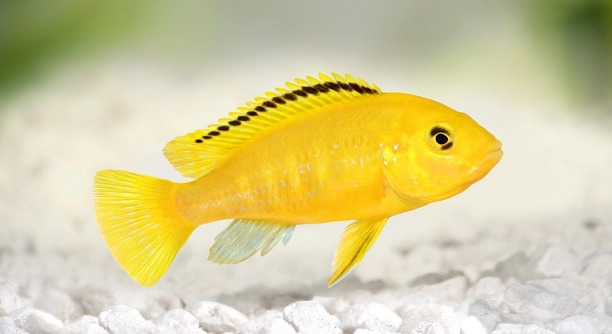
Caring for cichlids becomes even more meaningful when fry enter the picture, turning small behaviors into important indicators of parental care. Understanding these subtle changes can help you support a healthy and safe environment for the growing brood. This gentle guidance offers clarity.
A cichlid protecting fry will display increased territorial behavior, closer guarding of specific areas, and more frequent defensive actions toward tankmates. These behaviors demonstrate heightened parental investment, signaling that the fish is actively safeguarding developing offspring in a controlled aquatic environment.
Small shifts in movement, posture, and attention reveal more about their protective instincts, encouraging you to look deeper into the signs that matter.
Heightened Territorial Behavior
When a cichlid begins protecting fry, it starts guarding space with steady determination, turning routine swimming into focused monitoring that feels noticeably different from its usual behavior. I have seen this change appear gradually as the fish settles near one area and keeps others away with firm but controlled movements. It repeats slow laps around the same spot, reacts quickly to anything approaching, and shows calm alertness that signals a new sense of responsibility. Even peaceful tankmates are redirected if they drift too close, and the protective parent often positions itself between the fry and anything it views as a risk. These small actions layer together, creating a clear sign that the fish is maintaining a safe zone. This shift is easy to spot once you know what to look for, and it helps you understand how naturally a cichlid steps into its role as a protective parent.
This behavior helps maintain order in the tank, giving the fry a more secure area where they can stay close without facing unnecessary stress.
Recognizing these patterns makes it simpler to support your cichlid, especially when the protective behavior becomes a steady and predictable part of its routine.
Increased Attention to Fry Movement
The parent watches fry movement closely and adjusts its position to keep them grouped, creating a calm setup that reduces wandering and keeps the young safer.
A cichlid that takes on parental duties shows a clear increase in attentiveness, and this is most visible when fry begin to move around the tank. Instead of swimming freely, the adult stays near the growing group and watches each shift in activity with controlled focus. It may guide fry back toward shelter by hovering, turning slowly, or nudging water with gentle movements. These actions are not harsh, but they form a simple communication that keeps the fry within a safer zone. I have seen this steady monitoring continue throughout the day, with the parent adjusting its position every time the fry change direction. Over time, this pattern becomes consistent, showing how deeply the fish is invested in keeping the young organized and secure.
Defensive Posturing
A protective cichlid holds its body firmly, flaring fins and widening its stance to keep others at a distance. This posture appears quickly and remains steady, showing clear intention to guard the fry without hesitation or unnecessary movement.
When this behavior becomes consistent, it reflects a strong focus on maintaining safety around the fry. I have watched adults shift from relaxed swimming to a more rigid form, positioning themselves so their bodies block access to the young. They react instantly to movement near the fry, often turning sharply and holding their place until the area is clear again. This posture looks controlled rather than aggressive, and it gives you a reliable indicator that parental instincts are active. As the fry grow, the parent continues repeating these movements, adapting the intensity based on how close other fish come to the sheltered space.
This steady pattern helps define the territory around the fry and reminds tankmates not to enter that space. A parent that holds this posture throughout the day creates a stable environment where the young remain safer, and you can clearly see how much attention the cichlid directs toward protecting them.
Frequent Checking of the Nest Area
A protective parent returns to the nest often, moving in and out with intention and checking every small shift around the area to keep the fry secure.
This repeated monitoring becomes more noticeable as the fry begin to move or explore their surroundings. The adult circles the nest, pausing at specific points and observing any changes around the site. I have seen cichlids gently hover over the fry, then glide a short distance away before turning back to reassess the space. These movements show that the fish is tracking activity while staying close enough to respond quickly if needed. This steady checking pattern reinforces the fry’s safety, and over time it becomes routine behavior that signals strong parental investment.
Guiding Fry Back to Safety
A protective cichlid gently directs fry toward sheltered spots, using slow movements to keep them together. I have seen this happen throughout the day as the parent adjusts its path to keep the young within a safe range.
These guiding actions look calm and intentional, helping the fry avoid open areas where they might be at risk. The parent stays close and repeats these small movements whenever the fry begin to wander too far from their secure space.
Reduced Interest in Regular Tank Activity
A guarding cichlid pays less attention to normal routines, focusing instead on the fry’s location and movement. This shift becomes clear as it spends more time near one area, reacting mainly to anything that affects the safety of the young.
Gentle Herding Movements
A cichlid caring for fry uses soft, steady motions to gather them into a tighter group. This subtle herding keeps the young concentrated in one safer area, making it easier for the parent to monitor and protect them.
How can I tell if my cichlid is protecting fry?
You can spot protection by observing behavior changes. A cichlid that guards fry often becomes more territorial, spends time near the nest, and flares fins to warn others away. It monitors fry movement closely, nudges them back toward safe areas, and may even change its usual swimming patterns to remain near the young. I have noticed these changes in my tank, where the adult shifts from casual swimming to focused patrols around the fry. Small behaviors like hovering, circling, and gentle herding are reliable signs that the parent is actively protecting the brood.
Will protective behavior affect interactions with other fish?
Yes, the parent may act more aggressively toward tankmates. It often chases or blocks other fish that come near the fry, even if the species usually get along. I have seen peaceful tankmates kept at a distance while the adult cichlid maintains a consistent presence near the nest. This behavior helps reduce stress on the fry, although it can temporarily change dynamics in the tank. As the fry grow and become more independent, the intensity of these interactions generally decreases.
How long does a cichlid protect fry?
Protection lasts until fry reach a certain level of independence, which can vary by species. Typically, cichlids guard fry for several weeks, adjusting their attention as the young begin to swim more confidently and explore the tank. In my experience, parents stay close for at least two to three weeks, gradually loosening their watch as fry grow larger. Even after active guarding ends, the adult may still check the fry occasionally, signaling that a bond remains but full protection is no longer necessary.
Do all cichlids show the same level of parental care?
No, the level of care differs by species and individual temperament. Some cichlids are highly attentive, constantly guarding fry, while others provide minimal supervision. I have observed variations even within the same tank, where one parent stays near the fry almost constantly, while another leaves briefly but returns regularly. Environmental factors, tank setup, and previous breeding experience also influence how protective a cichlid becomes, making it important to watch your fish individually rather than relying solely on general species behavior.
What should I do to support a protective cichlid?
Ensure the tank offers plenty of hiding spots and open swimming space for fry. Avoid overcrowding and limit disturbances near the nesting area. I place small rocks, plants, or ceramic shelters to create secure zones. Regular feeding of the adult and fry reduces stress and keeps energy levels up. Observing the parent’s movements lets me adjust the tank environment if needed, helping maintain a safe space for both fry and adult. Proper maintenance, quiet surroundings, and suitable water conditions support the cichlid’s natural protective instincts.
Can stress impact a cichlid’s ability to guard fry?
Yes, stress can reduce attentiveness and protective behavior. Sudden changes in water conditions, aggressive tankmates, or excessive handling can disrupt normal guarding. I’ve noticed that stressed adults may abandon fry temporarily or show less consistent monitoring. Maintaining stable water parameters, minimizing disturbances, and providing secure hiding places help the parent remain focused on the fry’s safety. A calm environment encourages steady protection and allows the adult to follow natural instincts without unnecessary interruptions.
Is it normal for the parent to appear aggressive while guarding fry?
Aggression is a natural and healthy sign of parental protection. The parent may flare fins, chase other fish, or block tankmates to keep fry safe. I have seen this behavior peak when fry are very small and more vulnerable. Over time, as fry grow, aggression typically diminishes. This temporary change is part of the parent’s instinct to ensure offspring survival, and observing it helps you understand that the adult is fulfilling its role in a normal and necessary way.
What signs indicate the fry are becoming independent?
Fry begin to explore further from the nest, respond to food without guidance, and spread out more in the tank. I’ve watched them gradually venture into open areas while the parent observes from a distance. When the adult spends less time hovering or herding, it signals that the fry can handle more autonomy. This stage is gradual, and continued observation ensures they remain safe as the parent reduces direct supervision. Independence develops naturally, and the protective behaviors of the parent adjust accordingly.
How do I prevent fry from being stressed during parental care?
Keep the tank quiet, avoid frequent tapping or sudden movements, and provide ample hiding spots. I make sure feeding occurs without disturbing the nest, and tankmates are compatible and non-aggressive. Water quality should remain stable, as fluctuations can increase stress. Following these steps allows the parent to focus on fry protection and helps the young develop safely in a calm environment.
Can I separate fry from the parent if needed?
Yes, but it should be done carefully. Some species tolerate separation, while others rely on the parent for guidance and protection. I only intervene if the parent becomes overly aggressive or if tank conditions threaten the fry. Using a small breeder box or partition can provide temporary safety without causing unnecessary stress. Monitoring the fry closely during and after separation ensures they adapt well to their new environment.
The FAQ provides practical insight into recognizing protective behavior, supporting parental care, and ensuring fry safety in a manageable, realistic way.
Observing a cichlid protect its fry can be both fascinating and rewarding. These behaviors are natural instincts that show how seriously the adult fish takes its parental role. From increased territoriality to gentle herding movements, every action is aimed at keeping the young safe. Even subtle changes, such as a shift in swimming patterns or constant attention to fry movement, are clear indicators of parental care. For anyone keeping cichlids, understanding these signs helps you create a suitable environment and avoid misinterpreting behaviors as aggression or stress. By paying attention to these patterns, you can support the natural cycle of protection and allow the fry to grow safely.
Supporting a cichlid during this period is crucial. Providing secure hiding spots, maintaining stable water conditions, and minimizing disturbances are practical ways to ensure the parent can focus on guarding the fry. Observing the fish without interfering allows you to notice which behaviors are normal and which may indicate stress. A protective cichlid may act differently toward other tankmates, showing aggression or blocking access to the fry, but this is a temporary and normal response. Over time, as the fry grow and gain independence, the parent’s level of attention gradually decreases. These adjustments demonstrate how instinctive behavior adapts to the needs of the young, ensuring their survival while maintaining balance in the tank environment.
Understanding cichlid parental behavior also improves long-term fishkeeping practices. Recognizing protective signs early can help prevent unnecessary interventions, reduce stress for both parent and fry, and enhance overall tank harmony. Watching a cichlid care for its young provides insight into how fish communicate, protect, and guide their offspring without words. This natural process encourages careful observation and patience, allowing you to support healthy development and successful breeding outcomes. By providing the right conditions and respecting these instincts, you ensure a safer environment for the fry and a more harmonious tank, creating an experience that highlights the complexity and care present in aquatic life.

Hello,
If you enjoy the content that we create, please consider saying a "Thank You!" by leaving a tip.
Every little bit helps us continue crafting quality advice that supports the health, happiness, and well-being of pets around the world, for pets of all shapes, sizes, and species.
We really appreciate the kindness and support that you show us!