
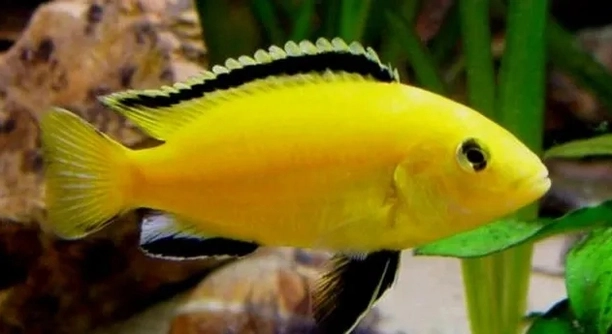
Male and female electric yellow cichlids are popular in home aquariums because of their vibrant colors and lively behavior. Identifying their differences can help hobbyists manage their fish more effectively. These distinctions are often subtle but important.
Male electric yellow cichlids are typically larger with more elongated fins and brighter coloration, while females are smaller, rounder, and have more subdued hues. Males often display territorial and aggressive behaviors, particularly during breeding periods, unlike females who are more nurturing.
Learning to spot these differences can improve your aquarium setup and fish care. Recognizing each gender’s traits supports healthier interactions and breeding success in your tank.
Size Differences
Male electric yellow cichlids grow noticeably larger than females, often reaching lengths of 5 to 6 inches, while females usually stay around 4 inches. The size difference becomes more apparent as the fish mature, particularly when males develop their long, pointed dorsal and anal fins. Males also appear more robust and elongated, giving them a commanding presence in the aquarium. In contrast, females have a shorter, more rounded body shape that makes them look smaller even when fully grown. Monitoring size differences can help when setting up breeding tanks, as males require more space to reduce aggressive encounters. Observing these differences early can also prevent overcrowding and ensure both genders thrive. Aquarists should provide ample hiding spots for females to avoid stress from larger males. Size plays a significant role in social dynamics, with dominant males often controlling territories while females focus on care for eggs and fry. Recognizing these traits ensures a healthier tank environment.
Male cichlids are larger and more elongated, while females remain smaller and rounder in appearance.
Understanding size variations helps in tank arrangement and breeding success. Proper space allocation supports peaceful interactions and reduces stress.
Coloration Differences
Male electric yellow cichlids display brighter yellow tones with hints of blue along their fins. This intense coloration signals health and dominance, especially during mating displays. Females, on the other hand, show softer yellow shades with subtle gray or silver undertones. These muted colors help females blend into the environment while caring for eggs or fry. Color differences are also noticeable in the intensity of fin edges, with males having sharply outlined fins, whereas females’ fins are less pronounced. Lighting in the aquarium can influence how vivid these colors appear, but the contrast between males and females is generally clear once observed consistently. Coloration can also indicate stress or illness, so paying attention to these differences provides practical insights into their well-being. Maintaining optimal water conditions and providing a balanced diet enhances natural coloration, making it easier to identify gender while keeping the fish healthy.
Males are vividly colored and dominant, while females are subtler and more reserved in hue.
Observing coloration differences allows for accurate gender identification and helps prevent aggression. Proper care ensures vibrant, healthy fish, while recognizing color cues improves breeding outcomes and maintains a balanced aquarium environment.
Fin Shape Differences
Males have longer, pointed dorsal and anal fins that extend past their tail, giving them a more aggressive and prominent appearance in the tank. Females’ fins are shorter, rounded, and less noticeable.
The shape of the fins affects swimming and display behaviors. Males often use their elongated fins to assert dominance and attract females. When setting up an aquarium, extra space should be considered to accommodate males’ extended fins, especially in smaller tanks. Females’ rounded fins allow them to move more cautiously, particularly when guarding eggs or fry. Noticing fin shape differences can also help in preventing injuries during territorial disputes. Providing hiding spots for females ensures they are less stressed around aggressive males.
Fin differences are useful for identifying gender quickly, especially in mixed groups. Observing how the fins interact with other fish gives insight into social hierarchies and mating behavior. Proper attention to fin shape supports safer and healthier tank dynamics.
Behavior Differences
Males are more territorial, often chasing other males and asserting dominance over parts of the tank. Females are calmer and focus on hiding or caring for eggs.
Territorial behavior in males becomes pronounced during breeding periods. They may patrol the tank repeatedly, flare their fins, and display bright colors to warn off competitors. Females, in contrast, spend more time in secure areas, preparing nesting sites or guarding eggs. Aggression between males can escalate if the tank is too small or lacks sufficient hiding spaces for females, making tank layout critical. Observing behavior over time helps distinguish males from females accurately. Males may also show courtship displays like vibrating or head-shaking to attract females, which rarely occurs with females. Understanding these behavior patterns allows for better management of tank interactions and breeding attempts.
Recognizing behavioral differences helps maintain a balanced tank. Adjusting decorations, hiding spots, and territory markers reduces conflict, ensures female safety, and supports successful reproduction while keeping males’ natural instincts satisfied.
Head Shape Differences
Males have a more pronounced, elongated head with a slight nuchal hump in some cases. Females’ heads are smaller and more rounded, giving them a softer profile.
The head shape helps in distinguishing genders, especially as the fish mature. Males’ elongated heads make them appear more dominant in the tank.
Egg Spot Differences
Males typically have more and brighter egg spots on their anal fins, which are used during mating displays. Females have fewer, smaller, and less vivid spots, making them less noticeable during interactions.
Size of Mouth
Male electric yellow cichlids usually have larger mouths than females. This aids in defending territory and during breeding activities where males may carry eggs or fry. Mouth size is an important physical trait for gender identification.
Breeding Behavior
Females primarily focus on caring for eggs and fry, often staying near nesting sites. Males, however, display courtship rituals, including chasing females and showing vibrant colors. Observing these behaviors clearly separates males from females and helps manage breeding tanks effectively.
FAQ
How can I tell a male from a female electric yellow cichlid?
The easiest way to differentiate males and females is by looking at size, color, and fin shape. Males are larger, with brighter yellow bodies and longer, pointed dorsal and anal fins. Females are smaller, have softer yellow tones, and shorter, rounded fins. Observing behavior can also help, as males are more territorial and display dominant actions, while females are calmer and focus on caring for eggs or fry. Egg spots on anal fins are another clue, with males having more and brighter spots than females.
At what age can I see the differences between males and females?
Sexual differences in electric yellow cichlids become noticeable as they reach three to six months of age. Size, coloration, and fin shape start to diverge around this period, though behavior may provide earlier hints. Males begin asserting territory and displaying courtship behaviors earlier than females show nurturing tendencies. Egg spots on the anal fins may appear slightly later but are usually a reliable indicator by the time the fish is six months old. Environmental factors, such as diet, tank size, and water quality, can also influence how quickly these differences are expressed.
Do males get aggressive toward females?
Male electric yellow cichlids can show aggression toward females during mating periods or if the tank is overcrowded. However, females are generally not the target unless they enter the male’s territory. Providing plenty of hiding spots and sufficient space reduces stress and prevents injury. Females often use caves, rocks, or plants as retreats, allowing them to avoid direct confrontations. Regularly monitoring interactions is important, especially in smaller tanks, to ensure females remain safe and healthy. Aggression is a natural behavior but can be managed with proper tank design and observation.
How important is water quality for gender differentiation?
Water quality impacts overall health, which indirectly affects the expression of male and female traits. Clean, well-maintained water helps males show vibrant coloration and healthy fin growth, while females maintain strong body condition for breeding and egg care. Poor water conditions can cause muted colors, stunted growth, and fin damage, making gender identification more difficult. Maintaining consistent temperature, pH, and filtration is essential for both sexes. A stable environment supports natural behavior, coloration, and growth patterns, allowing clear observation of male and female characteristics in the tank.
Can diet influence the physical differences between males and females?
A balanced diet is critical for expressing natural differences. High-quality pellets, supplemented with frozen or live foods, help males develop bright coloration and strong fins. Females benefit from nutrient-rich diets for reproductive health, supporting egg production and nurturing behavior. Nutritional deficiencies can affect body size, fin shape, and overall vitality, making males less colorful and females less capable of caring for eggs. Feeding both sexes properly ensures healthy development and accentuates natural gender traits, making identification and breeding management easier in a home aquarium setting.
Is it possible to mistake a female for a small male?
Yes, especially when fish are young or under suboptimal conditions. Juveniles may not yet display clear size, coloration, or fin differences. Observing multiple traits—such as egg spots, fin shape, behavior, and coloration—together increases accuracy. Waiting until the fish are older helps reduce confusion, as gender traits become more pronounced. Environmental conditions, stress, or illness can temporarily obscure these differences, so consistent monitoring over time is necessary to confidently identify males and females.
How can I safely breed electric yellow cichlids?
Select a dominant male and two or three females for a breeding tank with ample hiding spaces. Maintain clean water, stable temperature, and proper nutrition. Males will display courtship behaviors, and females will prepare nesting sites and lay eggs. Observe interactions carefully to prevent excessive aggression, separating individuals if necessary. After eggs are laid, females guard them while males continue to display and defend territory. Providing gentle filtration and avoiding strong currents ensures fry survival. Proper tank management supports healthy breeding and allows both sexes to express natural behaviors without harm.
Are there any physical markers besides color and size to distinguish genders?
Yes. Besides coloration and size, fin shape, egg spots, head shape, and mouth size are key markers. Males have elongated dorsal and anal fins, more egg spots, larger heads, and bigger mouths, while females have rounded fins, fewer egg spots, smaller heads, and proportionally smaller mouths. These traits, combined with behavior, provide reliable identification. Observing these physical markers under consistent conditions ensures accurate differentiation, which is crucial for tank management and breeding programs. Properly identifying males and females reduces conflicts and supports a healthy aquarium environment.
Can stress affect the appearance of male and female differences?
Stress can temporarily suppress coloration, fin growth, and natural behavior, making males appear duller and females less active. Overcrowding, poor water quality, or aggressive tankmates are common stressors. Minimizing stress through proper tank setup, adequate hiding spots, and regular maintenance ensures that male and female traits remain visible and behavior remains consistent. Stress management supports overall health, enhances natural gender differences, and improves breeding outcomes. Regular observation is important to detect and address stress before it impacts physical appearance or behavior.
How do I manage multiple males in the same tank?
Multiple males can lead to frequent aggression and territorial disputes. Providing ample space, visual barriers, and hiding spots helps reduce conflict. Establishing clear territories and ensuring enough females are present can balance male interactions. Monitoring behavior and separating overly aggressive individuals when necessary maintains a safer environment. Proper tank arrangement, including rocks, caves, and plants, allows subordinate males to retreat, minimizing stress and injury. Balancing the number of males and females promotes harmony while allowing natural behavior and courtship displays to occur safely within the aquarium.
Final Thoughts
Understanding the differences between male and female electric yellow cichlids is essential for anyone keeping these fish in a home aquarium. These differences are not always immediately obvious, especially in younger fish, but paying attention to size, color, fin shape, egg spots, and behavior can make identification much easier. Males are generally larger, more brightly colored, and have elongated fins, while females are smaller, softer in color, and have rounded fins. Observing these traits carefully over time helps in planning tank arrangements, breeding setups, and social interactions between fish. Correctly identifying the sexes allows for a more balanced aquarium environment, which reduces stress for both males and females and promotes natural behaviors.
Behavior plays a major role in distinguishing male and female electric yellow cichlids. Males are more territorial and assertive, often chasing rivals and showing off bright colors to establish dominance or attract females. Females, in contrast, are calmer and spend more time in secure areas, particularly when guarding eggs or fry. Their nurturing instincts are key to successful breeding. Watching how fish interact with one another can provide additional confirmation of gender, especially when combined with physical characteristics like fin length and coloration. Recognizing these behavioral differences also allows for better management of tank space, hiding spots, and breeding opportunities, ensuring that all fish remain healthy and active.
Proper care and observation are crucial for both sexes to thrive. Maintaining clean water, stable temperature, and a balanced diet helps males display their vibrant colors and healthy fins while supporting females in their reproductive health. Providing sufficient space and hiding areas reduces aggression and stress, making it easier to notice subtle differences in size, fin shape, and egg spots. Over time, careful attention to both physical and behavioral traits will help any aquarist accurately identify males and females, manage tank dynamics, and enjoy a thriving, visually appealing group of electric yellow cichlids. Consistent observation and proper care ensure that both males and females reach their full potential and maintain their natural behaviors within the aquarium.

Hello,
If you enjoy the content that we create, please consider saying a "Thank You!" by leaving a tip.
Every little bit helps us continue crafting quality advice that supports the health, happiness, and well-being of pets around the world, for pets of all shapes, sizes, and species.
We really appreciate the kindness and support that you show us!