
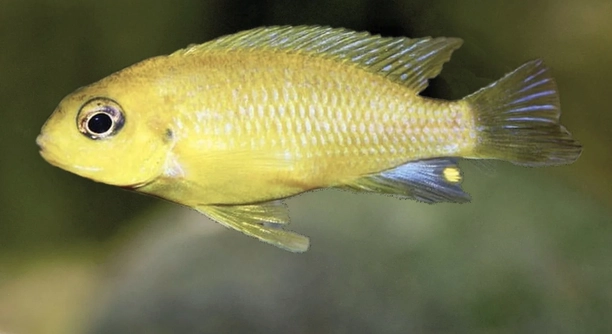
Do you ever notice your electric yellow cichlids acting unusually restless or skittish in their tank? These vibrant fish are sensitive to their surroundings, and even subtle changes in their environment can affect their behavior.
Electric yellow cichlids can be distracted by faint sounds such as water pumps, air stones, nearby conversations, footsteps, vibrations from appliances, tapping on the glass, and other low-frequency noises. These auditory disturbances may increase stress and alter normal activity patterns.
Recognizing these subtle sound sources can help maintain a calmer and healthier environment for your cichlids. Adjusting the aquarium setup can make a noticeable difference in their comfort.
Water Pump Noise
Water pumps are essential for maintaining proper filtration and circulation in an aquarium, but their constant hum can be distracting for electric yellow cichlids. The sound of moving water and internal mechanisms generates low-frequency vibrations that travel through the tank, often unnoticed by humans but very perceptible to fish. Over time, prolonged exposure to this noise can lead to heightened stress levels and unusual swimming patterns. Some cichlids may hide more often or display aggression toward tank mates, which can disrupt the social balance within the aquarium. Positioning the pump correctly and using vibration-dampening materials can significantly reduce these disturbances. Additionally, cleaning and maintaining the pump ensures it operates smoothly, minimizing unnecessary noise. For tanks placed on hard surfaces, adding a soft mat or padding underneath can further absorb vibrations. These small adjustments help maintain a stable environment that promotes healthy behavior and reduces constant auditory stress for your cichlids, allowing them to thrive comfortably.
Water pump vibrations often go unnoticed but can stress fish significantly, affecting their activity and interactions with tank mates.
Keeping your pump well-maintained and using dampening techniques can create a calmer tank environment. These changes allow electric yellow cichlids to explore and behave naturally, improving their overall well-being. Over time, you may notice reduced aggression and more consistent swimming patterns.
Air Stone and Bubbling Sounds
Air stones provide essential oxygenation, but the continuous bubbling and subtle vibrations can distract cichlids. The sound intensity varies depending on air flow and stone placement.
Even a small air stone can generate enough background noise to make electric yellow cichlids uneasy. These fish rely on detecting changes in their environment, and persistent bubbling creates constant auditory input. Fish may pause often, dart around, or stay near tank corners to avoid perceived disturbances. Adjusting the air flow to a gentle, steady stream and placing the stone in a less central area can reduce noise impact. Some aquarists use tubing with larger diameters to diffuse bubbles, lowering their velocity and sound. Ensuring the air pump itself is quiet and well-secured also helps minimize vibrations transmitted through the tank walls. With careful placement and monitoring, air stones can maintain oxygen levels without overwhelming your cichlids, preserving a balanced environment and reducing unnecessary stress, ultimately supporting their natural behavior and comfort in the tank.
Footsteps and Vibrations
Even everyday movements near the aquarium can distract electric yellow cichlids. Footsteps, tapping, or vibrations from nearby furniture transfer through the floor and tank, startling the fish.
Fish are highly sensitive to vibrations, and repeated exposure to footsteps or other movements can make them cautious or defensive. They may hide behind decorations or swim erratically to escape perceived threats. Tank placement on solid surfaces helps, but using a soft mat or foam padding under the stand can further absorb vibrations. This simple adjustment reduces stress and promotes a calmer environment.
Minimizing high-traffic activities near the tank during feeding or rest periods can also help cichlids feel more secure. Over time, they will become more relaxed, interact naturally, and display healthier behavior when vibrations are controlled.
Conversations and Household Noise
Talking, music, or television sounds are often overlooked sources of distraction. Electric yellow cichlids react to these subtle auditory disturbances.
Constant background noise can elevate stress levels in cichlids, altering their usual swimming and feeding patterns. Fish may retreat to hiding spots or avoid open areas in the tank. Using thicker walls, curtains, or positioning the tank away from high-noise areas helps reduce auditory impact. Even moderate household sounds, if persistent, can make cichlids tense and affect their natural behavior.
Creating a quieter environment allows electric yellow cichlids to explore their tank freely, interact with other fish, and establish stable territories. By limiting unnecessary noise, you ensure they remain healthy, active, and comfortable in their habitat.
Tapping on Glass
Tapping or knocking on the aquarium glass can startle electric yellow cichlids instantly. Even light taps transmit vibrations that make them nervous.
Repeated tapping can lead to prolonged stress, causing fish to hide or become aggressive toward tank mates. Avoiding this behavior helps maintain a calmer environment and more natural fish activity.
Appliances and Household Machines
Appliances like washing machines, blenders, or vacuum cleaners produce vibrations and low-frequency sounds that travel through walls and floors. Electric yellow cichlids are sensitive to these disturbances, which can cause erratic swimming, increased hiding, and disrupted feeding behavior. Controlling appliance use near the tank or adding vibration-absorbing materials can reduce their impact.
Distant Traffic Noise
Even noise from roads or nearby construction can reach your tank. Electric yellow cichlids may react by swimming nervously or hiding behind decorations.
How can I reduce stress from water pump noise?
Water pumps are necessary, but their vibrations can be stressful. Position the pump on a soft mat or foam pad to absorb vibrations. Make sure it is securely installed and regularly cleaned to operate quietly. Reducing flow intensity can also help lower background noise without compromising water circulation.
Can air stones really bother electric yellow cichlids?
Yes, even gentle bubbling creates constant noise and vibrations that fish can detect. Placing the air stone in a corner or adjusting airflow to produce slower bubbles minimizes disturbance. Using tubing with a wider diameter can diffuse bubbles further and reduce the intensity of sound transmitted through the tank.
Do footsteps and nearby movement affect my fish?
Footsteps, tapping, and vibrations from furniture can be surprisingly noticeable. Fish may become cautious, hide, or swim erratically when exposed to repeated disturbances. Placing the tank on a solid surface with padding underneath helps absorb vibrations. Limiting heavy movement near the aquarium also makes a difference.
Are conversations and household noises harmful?
Electric yellow cichlids are sensitive to low-frequency sounds like talking, music, or television. Prolonged exposure can alter swimming, feeding, and social behaviors. Position the tank in quieter areas of the house, away from high-traffic zones. Curtains or soft furnishings can further dampen sound reaching the tank.
How does tapping on the glass affect cichlids?
Tapping or knocking creates immediate vibrations that startle fish. Repeated tapping may lead to long-term stress, aggression, or constant hiding. Avoid touching the glass unnecessarily, and educate others in the household about its impact. A calm environment encourages natural behavior and reduces tension.
Do household appliances disturb my tank?
Appliances like blenders, washing machines, and vacuum cleaners produce vibrations and low-frequency sounds that travel through floors and walls. Fish may swim nervously or hide. Placing the tank away from appliance-heavy areas and adding vibration-absorbing materials can reduce the impact of these noises.
Can distant traffic or construction cause stress?
Yes, vibrations and low-frequency noise from traffic or nearby construction can affect cichlids. These sounds may cause erratic swimming, hiding, or reluctance to feed. Positioning the tank away from exterior walls and using thicker glass or acoustic barriers can help buffer these disturbances.
Is it better to keep tanks in low-traffic rooms?
Absolutely. Low-traffic areas reduce exposure to footsteps, vibrations, and household sounds. Electric yellow cichlids feel more secure when the environment is stable and predictable. Quiet spaces allow fish to explore, feed, and interact naturally without constant startle responses.
Do all electric yellow cichlids react the same way?
Responses vary depending on temperament and previous exposure. Some fish may tolerate background noises better, while others are more sensitive. Observing your cichlids regularly helps identify stress triggers. Adjusting environmental factors based on their behavior promotes a healthier and more comfortable tank.
What are the long-term effects of constant noise?
Chronic exposure to subtle sounds can increase stress hormones, disrupt feeding patterns, reduce immune response, and alter social dynamics. Fish may become aggressive, hide excessively, or show irregular swimming. Minimizing noise and vibrations is key to maintaining long-term health and natural behavior in electric yellow cichlids.
Can rearranging the tank decorations help?
Yes. Rocks, plants, and other structures can absorb sound and create hiding spots. Strategically placing decorations provides refuge and reduces perceived threats from vibrations. This helps fish feel secure while still allowing them space to swim freely and maintain normal social interactions.
Should I monitor my fish during noisy periods?
Monitoring behavior during times of household noise is important. Look for hiding, rapid swimming, or aggression. If stress signs are frequent, consider relocating the tank or adding sound-dampening measures. Early intervention prevents long-term behavioral and health problems.
Does feeding time influence stress from sounds?
Feeding can help distract fish from minor disturbances, but excessive noise during feeding can still disrupt patterns. Ensure feeding occurs in calmer periods and monitor how cichlids respond. Adjustments to timing and environment can improve both feeding efficiency and overall comfort.
Are certain tank materials better for sound reduction?
Thicker glass or acrylic tanks can help reduce vibrations. Solid tank stands and padded surfaces also minimize noise transmission. Combining materials thoughtfully ensures a quieter environment, reducing stress for electric yellow cichlids without compromising tank functionality.
How often should I check for noise-related stress?
Regular observation is key. Weekly behavior checks help identify stress triggers early. Note changes in swimming, hiding, or aggression. Gradually implement adjustments to reduce noise and vibrations, allowing cichlids to adapt and maintain healthier behavior in their habitat.
Electric yellow cichlids are beautiful, vibrant fish that bring energy and color to any aquarium. Their behavior and health are strongly influenced by their surroundings, and even subtle sounds can make a significant difference. Small noises that may go unnoticed by humans—like the hum of a water pump, gentle bubbling from an air stone, footsteps, or distant traffic—can create stress for these fish. Over time, persistent stress can lead to unusual swimming patterns, excessive hiding, aggression, and reduced feeding activity. Understanding these sound sources and their impact allows you to create a more stable and comfortable environment for your cichlids, helping them display natural behaviors and remain healthy. Attention to detail in the tank setup and placement is essential, as small adjustments can prevent unnecessary disturbances and promote a calmer atmosphere.
Maintaining a quieter environment involves several practical steps that are easy to implement. Ensuring pumps and air stones are properly installed and functioning quietly reduces the constant background vibrations that cichlids sense. Using foam pads or soft mats under the tank or equipment can absorb much of the vibration from household activities. Positioning the aquarium away from high-traffic areas, thick walls, or locations near loud appliances minimizes exposure to startling sounds. Even simple measures like turning down the volume of nearby music or placing the tank away from external noise sources can have a noticeable effect. These small, consistent efforts make the tank more secure and allow fish to explore and interact naturally without unnecessary tension or fear. Over time, these adjustments help cichlids establish their territories and social hierarchies more confidently.
Observing your fish regularly is an important part of maintaining their comfort and well-being. Paying attention to signs of stress, such as hiding, erratic swimming, or aggression, helps identify problem areas in the tank environment. Adjustments to noise sources, tank placement, or equipment can often resolve these issues quickly. Providing a stable and calm habitat supports overall health, feeding patterns, and social interactions among the cichlids. By being aware of how subtle sounds affect your fish and taking steps to reduce these distractions, you create an environment where electric yellow cichlids can thrive. The attention given to minimizing stress not only enhances their behavior but also ensures they remain a lively, vibrant presence in your aquarium for years to come.

Hello,
If you enjoy the content that we create, please consider saying a "Thank You!" by leaving a tip.
Every little bit helps us continue crafting quality advice that supports the health, happiness, and well-being of pets around the world, for pets of all shapes, sizes, and species.
We really appreciate the kindness and support that you show us!