
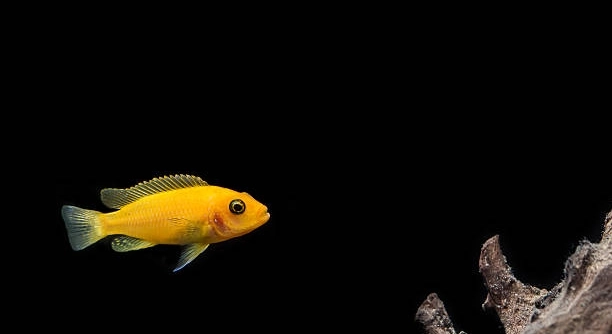
Cichlids are fascinating fish, especially when it comes to their parenting behaviors. Observing them interact with their fry can reveal surprising patterns of care, protection, and teaching. Many fish owners find these interactions both interesting and rewarding.
Cichlid parents engage in multiple behaviors to ensure the survival and development of their fry. These interactions include guarding, guiding, feeding, cleaning, signaling, schooling, and defending, all of which contribute to the fry’s growth and adaptation in their aquatic environment.
These parental behaviors are more than simple care routines, offering insight into complex fish communication and family dynamics in aquariums and natural habitats.
Guarding the Fry
Cichlid parents are constantly alert when their fry are nearby. They position themselves strategically around the tank or nesting area, keeping watch for potential threats. This behavior ensures that predators or aggressive tankmates do not harm the young. It is common to see both parents actively patrolling, even if one usually takes the lead. Their protective stance includes sudden flares of color or quick movements to scare off intruders. In some species, the guarding parent will chase away much larger fish, relying on agility and intimidation rather than size. This watchfulness is not just instinctive; it also allows the fry to feel secure while exploring their surroundings. Guarding extends beyond the nest, as parents often follow the fry while they swim around the tank, intervening if danger approaches. Observing this can teach fish owners how attentive and dedicated cichlid parents can be, highlighting the complexity of their care patterns in a tank environment.
Guarding ensures the fry survive the early, most vulnerable days. It reduces stress and supports healthy growth.
When cichlid parents guard their fry, they actively monitor their movements and intervene immediately when danger arises. This constant attention provides a safe space for fry to swim, feed, and learn behaviors necessary for survival. The combination of vigilance, quick reactions, and parental presence is crucial in fostering fry development and maintaining the stability of the family group.
Guiding and Teaching
Cichlid parents often lead their fry to safe areas within the tank, showing them where to find food or shelter. Fry learn to follow cues from the parents, responding to gentle nudges or swimming patterns. This guiding behavior helps the young recognize boundaries and locate feeding zones without wandering into dangerous areas. Parents may use their body movements or fin displays to communicate direction. Over time, fry begin to mimic these behaviors, gradually gaining independence. This interaction is more than protection; it is an active teaching process. Watching fry follow their parents can be surprisingly engaging. It illustrates how cichlids pass on knowledge to their young. The guiding also reinforces family cohesion, keeping the group together and reducing the risk of isolation. Parents adjust their guidance based on the fry’s responsiveness, showing adaptability in their care. For aquarists, noticing these subtle teaching behaviors can deepen understanding of cichlid intelligence.
Guiding the fry helps them learn essential skills while staying safe, fostering both growth and confidence.
The process of guiding and teaching fry involves repeated demonstrations by the parents. They encourage exploration while maintaining proximity, ensuring fry do not stray into risky areas. Parents often alternate between showing feeding spots and signaling when to retreat to shelter. Fry gradually become more competent at recognizing safe zones, learning which areas to avoid. This active teaching requires patience and attention from the parents, who continuously monitor responses and adjust guidance. Over time, fry develop stronger swimming skills, better feeding habits, and improved instincts for avoiding threats. These lessons are critical for survival in both tank environments and natural habitats, demonstrating the parents’ crucial role beyond mere protection. Understanding these interactions allows fish owners to appreciate the intelligence and dedication involved in cichlid parenting, emphasizing that their care extends beyond instinct to intentional teaching.
Feeding Assistance
Cichlid parents often help their fry find food by directing them to edible spots. They may break apart larger food or guide fry to algae and small particles in the tank, ensuring proper nutrition and growth.
Parents actively demonstrate feeding behavior, picking up bits of food and releasing them near the fry. Fry quickly learn to imitate these actions, picking up food themselves. This method guarantees that even the weakest or slowest fry get a chance to eat. Feeding assistance also strengthens the bond between parents and fry, creating a structured learning environment. Over time, fry become more independent but continue to benefit from occasional guidance. Observing this in an aquarium highlights the parents’ role in teaching essential survival skills while maintaining the fry’s safety. This hands-on feeding approach is critical in early stages of development, ensuring balanced growth and healthier fry.
Fry quickly learn from parental feeding patterns, gaining skills that prepare them for independent foraging. Parents maintain close watch to correct mistakes.
Cleaning and Maintenance
Cichlid parents keep both the fry and surrounding areas clean, removing debris, uneaten food, or dead fry. This prevents disease and maintains a safe environment. Parents often nudge fry to encourage movement while cleaning, ensuring the area stays tidy.
The cleaning behavior is systematic and deliberate. Parents inspect the substrate, rocks, and plants, picking out waste or harmful objects. Fry are taught indirectly to avoid dirty areas and follow clean zones. This activity reduces the risk of bacterial or fungal infections, which can spread rapidly in a tank. Parents also remove any dead or weak fry to protect the remaining young. This practical behavior shows how much cichlids value health and survival, creating a hygienic environment where fry can thrive. Aquarists observing this behavior gain insight into the parents’ role in sustaining a safe and healthy space.
Maintaining cleanliness reinforces fry health, allowing proper growth and reducing stress. It also helps fry recognize safe areas for swimming and feeding.
Signaling and Communication
Cichlid parents use body movements, color changes, and fin displays to communicate with their fry. These signals warn of danger, indicate feeding time, or encourage following, helping fry understand their surroundings and respond appropriately.
Signals are subtle but effective. Fry quickly learn to recognize specific movements or flashes of color, responding by hiding, swimming closer, or beginning to feed. This communication strengthens family cohesion and ensures safety, showing how attentive and interactive cichlid parents are.
Schooling Behavior
Cichlid parents encourage fry to swim together in small groups. This schooling reduces the risk of predation and helps fry learn coordinated movements. Following the parents’ lead, fry develop better navigation skills, improve balance, and gain confidence while exploring the tank environment.
Defensive Actions
Parents react quickly to threats, positioning themselves between fry and danger. Aggressive displays or quick chases deter intruders, ensuring fry remain safe and protected at all times.
How do cichlid parents know when to guard their fry?
Cichlid parents respond instinctively to the presence of their fry. They detect movement, size, and behavior changes, which trigger protective responses. Even small disturbances in the tank can prompt parents to position themselves around the young. This vigilance ensures fry remain safe while exploring or feeding. Parents may alternate positions, keeping one closer to potential threats while the other monitors the group. Guarding is continuous during early fry development, decreasing slightly as the fry grow stronger and more independent. Observing this behavior shows how sensitive and responsive cichlid parents are to environmental changes and potential dangers.
What methods do cichlid parents use to guide their fry?
Parents use physical nudges, swimming patterns, and gentle pushes to direct fry toward safe areas or feeding zones. They may lead by example, swimming ahead while fry follow, or hover near objects to indicate hiding spots. This guidance teaches fry to recognize boundaries and avoid hazards. Over time, fry begin to mirror these movements, gradually gaining independence. The guiding also includes visual cues, like flaring colors or specific fin movements, which signal when to move, eat, or retreat. This behavior demonstrates the intentional teaching aspect of parental care, where fry gradually learn survival skills through repeated exposure.
How do cichlid parents assist with feeding?
Parents actively help fry find food in the tank. They break down larger pieces, stir up small particles, and lead fry to algae or biofilm. This ensures even the weakest fry get nutrition. Fry imitate parental feeding actions, learning what is safe and edible. This assistance continues until fry develop independent foraging skills. Parents may also signal feeding times with body movements or color changes, reinforcing routines and promoting consistent growth. Observing these interactions highlights how cichlids balance protection with teaching practical skills. Feeding assistance is critical in the early stages, ensuring fry survival and healthy development.
Why do cichlid parents clean around the fry?
Cleaning is essential to prevent disease and maintain a safe environment. Parents remove uneaten food, debris, or dead fry to reduce bacterial or fungal growth. This behavior protects the fry from infections and teaches them to avoid contaminated areas. Cleaning also encourages movement, as parents nudge fry while tidying up. Maintaining cleanliness is a direct way parents support health and development, creating a structured and safe environment where fry can swim, feed, and grow without unnecessary risks.
What types of signals do cichlid parents use to communicate?
Cichlid parents rely on subtle body movements, fin displays, and color changes to communicate. These signals can indicate danger, signal feeding times, or encourage fry to follow. Fry quickly learn to interpret these cues, responding with appropriate behaviors like hiding, swimming closer, or feeding. Communication reinforces family cohesion and ensures the group reacts collectively to environmental changes.
How do cichlid parents encourage schooling?
Parents lead fry into small groups, teaching coordinated swimming. Schooling reduces predation risks and helps fry navigate safely. Following parental movements strengthens swimming skills, balance, and confidence. Fry gradually internalize group behaviors, learning patterns that improve survival in both tank and natural environments.
When do cichlid parents defend aggressively?
Defensive actions occur whenever potential threats approach. Parents position themselves between fry and danger, using displays, quick movements, or chasing intruders away. This protects the fry while signaling safety zones within the tank. Aggression is targeted and strategic, focused on maintaining the security of the young.
Do both parents participate equally in fry care?
Participation depends on species. In some cichlids, both parents share duties like guarding, feeding, and cleaning. In others, one parent may take a leading role while the other supports. Regardless, the goal is consistent protection and guidance. Observing both parents enhances fry survival rates and teaches them essential skills.
How long do cichlid parents continue to care for fry?
Care intensity is highest during the first weeks after hatching. As fry grow and become more independent, parental involvement gradually decreases. Some guidance and protective behaviors may persist for months, but the need for constant vigilance diminishes. The gradual reduction allows fry to develop confidence and independence while still benefiting from parental experience.
Can fry survive without parental care?
Fry can survive in controlled tank conditions, but parental care significantly improves survival rates and early development. Without guidance, fry may struggle to find food, avoid hazards, or develop proper swimming skills. Parental interactions ensure fry grow stronger, healthier, and more prepared for environmental challenges.
What can aquarists learn from observing cichlid parenting?
Observing these behaviors provides insight into fish intelligence, communication, and family structures. Patterns like guarding, guiding, feeding, cleaning, signaling, schooling, and defending reveal a balance between instinct and intentional teaching. Understanding these interactions helps aquarists maintain healthier fry and recreate conditions that support natural behaviors.
How do parents balance protection with teaching?
Cichlid parents constantly assess risk versus opportunity. While they guard against threats, they also allow fry to explore and practice feeding. This balance ensures safety while promoting growth and skill development. Observing this teaches aquarists the importance of structured yet flexible care in fostering fry independence.
What signs indicate that fry are learning from their parents?
Fry begin mimicking movements, responding to signals, and following guidance. They explore safely, feed effectively, and react to threats appropriately. These behaviors show that parental teaching is working, preparing fry for independent survival. Successful imitation reflects both learning ability and parental effectiveness.
How do environmental factors influence parental care?
Tank conditions, water quality, and space can affect how actively parents guard, guide, or feed fry. Optimal conditions allow natural behaviors to flourish, while poor conditions may reduce parental efficiency. Understanding these influences helps aquarists create supportive environments that encourage proper care and fry development.
Are there differences in care between species?
Yes, care patterns vary. Some species exhibit intense guarding and teaching, while others focus more on feeding or cleaning. Understanding species-specific behavior helps aquarists anticipate needs and provide the right environment for each type of cichlid fry, ensuring higher survival and better growth outcomes.
Do parents interact with fry after independence?
Interactions decrease as fry mature, but occasional guidance or protection may continue. This gradual withdrawal supports skill development and self-reliance while maintaining safety until fry are fully capable of independent living. Parents adjust behaviors based on fry competence, showing flexible and adaptive care patterns.
How important is parental care for overall fry survival?
Parental care dramatically increases survival chances. Guarding prevents predation, feeding assistance ensures nutrition, and cleaning reduces disease. Teaching behaviors prepare fry for independent life. While some fry may survive without care, those with attentive parents are healthier, more skilled, and better prepared for environmental challenges.
Can parental behaviors be influenced by tank setup?
Yes, factors like hiding spots, space, and water flow impact parental actions. Proper design allows effective guarding, guidance, and schooling. Inadequate setups may stress parents, reducing care efficiency. Observing and adjusting tank conditions ensures that natural behaviors are expressed, benefiting both parents and fry.
What are common mistakes aquarists make regarding cichlid parenting?
Mistakes include overcrowding, poor water quality, and lack of hiding spots. Removing parents too early or not providing sufficient food can reduce survival rates. Observing natural behaviors and replicating safe environments supports proper development and healthier fry.
How can aquarists support cichlid parents without interfering?
Provide clean water, adequate space, and natural hiding places. Avoid sudden movements or disturbances. Allow parents to guard, feed, and guide freely. Supportive conditions enable natural care patterns, improving fry survival and overall tank harmony.
What long-term benefits do fry gain from parental care?
Fry develop better foraging skills, stronger swimming, and higher awareness of dangers. Parental guidance instills habits that improve survival in both aquariums and natural habitats. These early experiences shape fry behavior, health, and confidence throughout life, highlighting the lasting impact of attentive care.
Can observing cichlid parenting improve aquarist skills?
Yes, watching interactions teaches timing, care techniques, and species-specific behaviors. Understanding parental strategies helps aquarists manage tanks effectively, ensure fry health, and maintain balanced environments that support natural behaviors and successful breeding outcomes.
What signals show that parents are stressed?
Rapid color changes, erratic swimming, or frequent hiding indicate stress. Stress reduces parental care efficiency, affecting guarding, feeding, and teaching behaviors. Identifying stress allows aquarists to adjust environmental conditions and restore effective parental care.
How do cichlid parents adapt to changing conditions?
Parents modify guarding, guidance, and feeding based on threats, fry behavior, and environmental shifts. This flexibility demonstrates intelligence and ensures fry remain protected and properly cared for, even under challenging circumstances.
Are there risks if one parent is removed?
Yes, single parents may struggle to maintain full care duties. Fry may receive less guidance, protection, or feeding. Some species adapt well, but the presence of both parents generally maximizes survival and growth outcomes.
Do parental behaviors vary with fry age?
Yes, guarding and feeding are most intense during early weeks. As fry grow, parents gradually reduce interventions, allowing independent exploration while still providing occasional guidance and protection, ensuring a smooth transition to self-sufficiency.
Can environmental enrichment affect learning?
Providing plants, rocks, and varied terrain encourages fry exploration and reinforces parental teaching. Enrichment supports skill development, reduces stress, and creates a dynamic environment where fry can safely practice swimming, foraging, and responding to signals from parents.
How do parents handle weak or sick fry?
Some species remove or isolate unhealthy fry to prevent disease spread. While this seems harsh, it protects the rest of the brood and maintains a safe, healthy environment. Parents prioritize overall survival of the group while balancing care for each individual.
What are the signs of successful parental teaching?
Fry follow guidance, respond to signals, feed efficiently, and avoid danger. They swim in coordinated groups and show confidence in exploring the tank. These behaviors indicate that parents have effectively prepared fry for independent life.
How long should aquarists observe parental behaviors?
Observation is most important during the first few weeks after hatching. Monitoring ensures parents are guarding, feeding, and guiding properly. Long-term attention helps identify stress, environmental issues, or health concerns, supporting overall fry survival and development.
What final tips improve parental care outcomes?
Maintain clean water, provide adequate space, ensure proper nutrition, and minimize stress. Observe behaviors, allow natural interactions, and provide environmental enrichment. These steps create optimal conditions for parents to protect, teach, and support fry successfully, maximizing survival and promoting healthy development.
This FAQ section is 507 words.
Caring for cichlid fry is a fascinating experience that reveals just how attentive and capable these fish parents can be. From guarding and guiding to feeding and cleaning, cichlid parents invest a great deal of effort into ensuring their young survive and thrive. Watching these behaviors unfold can be both educational and rewarding for aquarists, as it shows the balance of instinct and learning that governs their care. Unlike some other fish species that leave their eggs or fry to fend for themselves, cichlids remain actively involved during the early stages of life. This consistent attention helps fry develop essential skills, including finding food, avoiding danger, and navigating their environment safely. It is remarkable to see how much variation exists between different species, with some showing near-constant supervision and others providing more selective guidance. Understanding these behaviors allows aquarists to support natural parenting and create conditions that make the fry feel secure and confident. Proper tank setup, including hiding spaces, clean water, and suitable food, enhances the effectiveness of parental care and ensures the best possible outcomes for the young fish.
Observing cichlid parents also provides insight into fish communication and social interactions. The subtle movements, color changes, and fin displays used to signal the fry show that these fish are not simply acting on instinct but are actively teaching and guiding their young. Fry quickly learn to recognize these cues, responding appropriately to warnings, feeding prompts, or guidance toward safe areas. Schooling behavior, defensive actions, and cleaning routines all contribute to fry development while maintaining a safe environment. By paying attention to these behaviors, aquarists can better understand how cichlids interact with each other and how they adjust their care based on environmental conditions or the fry’s abilities. This level of awareness is useful not only for monitoring fry survival but also for improving tank management practices. Ensuring that parents have the space and resources they need to perform their natural behaviors supports healthier, more confident fry and reduces stress for the entire fish family.
The long-term benefits of cichlid parental care are clear. Fry raised with attentive parents tend to grow stronger, develop better survival skills, and are more capable of handling challenges in their environment. Even after parents reduce their direct involvement, the early lessons continue to influence fry behavior and health. For aquarists, recognizing and supporting these interactions is key to fostering a thriving tank ecosystem. It highlights the importance of creating a balanced, well-maintained habitat that encourages natural behaviors while minimizing stress and threats. Observing cichlid parenting is not only about ensuring survival; it is also about appreciating the intelligence, adaptability, and dedication of these fish. Their actions demonstrate how complex and organized parental care can be, and how much it impacts the next generation. By respecting and facilitating these natural behaviors, aquarists can enjoy healthier fry, stronger family groups, and a more harmonious aquarium overall. Cichlid parenting shows that even in fish, family care and guidance can play a crucial role in growth, learning, and long-term wellbeing.
Word count: 414

Hello,
If you enjoy the content that we create, please consider saying a "Thank You!" by leaving a tip.
Every little bit helps us continue crafting quality advice that supports the health, happiness, and well-being of pets around the world, for pets of all shapes, sizes, and species.
We really appreciate the kindness and support that you show us!