
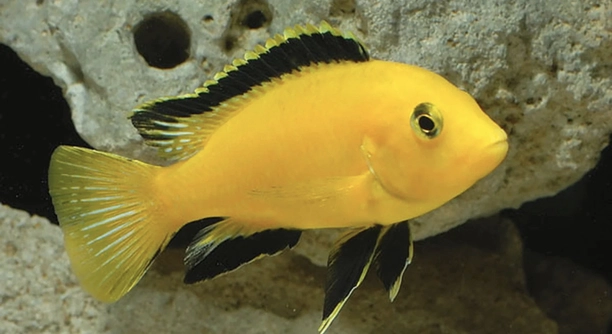
Cichlids are beautiful and active fish, but their well-being depends on the water in their tank. Many aquarists overlook the role of water flow, which can quietly affect these fish’s comfort and health over time.
Tank flow problems can stress cichlids by creating uneven currents, stagnant areas, or excessive turbulence. Such conditions interfere with natural swimming behaviors, feeding patterns, and oxygen distribution, ultimately affecting their growth, behavior, and overall health within the aquarium environment.
Learning to spot and correct these flow issues can help your cichlids thrive and make your tank a calmer, healthier environment.
Uneven Currents
Uneven currents in a cichlid tank can be surprisingly stressful. Some areas of the tank may have strong flow while others barely move. Fish may constantly fight the current in certain spots and avoid stagnant areas, which disrupts their natural swimming patterns. Over time, this can lead to fatigue and uneven growth. Cichlids rely on consistent water movement for oxygen and to carry food particles throughout the tank. If certain corners lack flow, debris can settle, creating unhealthy conditions. I’ve noticed that even small shifts in filter placement or decoration arrangement can drastically change current patterns. Rocks, plants, and tank walls can all block or redirect water, creating turbulence or dead spots. Observing your fish during feeding and swimming can reveal which areas they avoid or struggle through. Adjusting your pump or filter output and rearranging decorations slightly often balances the flow. Proper circulation helps maintain oxygen levels and keeps detritus from accumulating.
Even minor adjustments to water flow can make a noticeable difference in cichlid comfort, reducing stress and encouraging healthier, more active behavior throughout the tank.
Watching your fish interact with the currents can provide insights into hidden flow problems. It’s satisfying to see them swim confidently and explore all areas.
Excessive Turbulence
Excessive turbulence occurs when water moves too quickly or hits obstacles in awkward ways. It can exhaust cichlids and prevent them from swimming naturally. They may stay in calmer areas, which reduces exercise and feeding opportunities.
Strong water movement can disrupt cichlid feeding, as flakes or pellets are quickly pushed away from their reach. Constantly battling currents drains their energy and may cause long-term stress. Certain species are more sensitive to turbulence, preferring moderate, steady flow over fast-moving water. Decorations, filter outputs, and pump strength all contribute to turbulence. Even a well-placed rock or plant can redirect water, creating swirling or chaotic patterns. Observing your fish during different times of the day can reveal these problematic spots. Adjusting flow speed, repositioning equipment, or adding flow breaks such as driftwood can reduce turbulence. Careful monitoring ensures each fish has access to comfortable swimming space and feeding zones. Reducing excessive movement also lowers the chance of injuries and promotes a more stable environment.
These adjustments create a calmer tank, allowing cichlids to maintain energy and display natural behaviors. Properly balanced water flow supports overall health and a more enjoyable aquarium environment.
Stagnant Zones
Stagnant zones form where water barely moves. Cichlids tend to avoid these areas, leading to uneven swimming and feeding patterns. Debris can settle here, creating poor water quality that stresses fish and encourages algae growth.
These zones are often found behind decorations, under large rocks, or in corners far from the filter output. Even with a strong pump, water may bypass certain areas, leaving them nearly motionless. I’ve noticed that adding a small powerhead or repositioning plants can drastically improve circulation. Regular observation helps identify these dead spots before they affect fish health. Stagnant zones can trap uneaten food, causing ammonia spikes and increasing the risk of disease. By maintaining gentle movement, oxygen levels stay consistent, and cichlids feel more comfortable exploring the entire tank.
Correcting stagnant zones doesn’t always require new equipment. Sometimes, small adjustments to filter direction, decoration layout, or even trimming dense plants can restore adequate flow. Ensuring even water movement benefits all tank inhabitants, promotes feeding, and reduces stress, creating a healthier and more balanced environment for your cichlids.
Inconsistent Filter Output
Inconsistent filter output can create sudden changes in water flow that unsettle cichlids. Pumps may sputter or slow, affecting current and oxygen distribution throughout the tank.
Filters that are partially clogged, worn, or incorrectly sized for the tank can produce uneven flow. I’ve found that even minor blockages drastically reduce output, leaving some areas with weak currents and others exposed to stronger surges. Regular maintenance, such as cleaning media and checking impellers, ensures steady performance. Adjusting the flow rate gradually allows fish to adapt without stress. Inconsistent output can also affect filtration efficiency, leading to uneven waste removal and potential water quality issues. Monitoring water movement after maintenance or equipment changes helps maintain stability, keeping your cichlids comfortable and active.
Keeping a consistent filter flow supports oxygenation and promotes natural behaviors, such as swimming in open spaces and feeding evenly. Properly maintained equipment reduces stress, minimizes debris buildup, and creates a balanced environment, benefiting all tank inhabitants and making tank management easier over time.
Overpowered Pumps
Overpowered pumps create currents that are too strong for cichlids to swim comfortably. Fish may hide or struggle, avoiding areas with heavy flow and limiting their movement.
These pumps can also push food out of reach and increase stress levels. Adjusting the pump or using a flow reducer often restores balance.
Blocked Flow Paths
Rocks, plants, and decorations can block water flow, creating turbulence or dead spots. Even minor obstacles disrupt circulation and affect oxygen distribution. Observing how water moves around objects helps identify where adjustments are needed. Rearranging items slightly can open pathways, allowing smoother flow and more comfortable swimming areas.
Uneven Oxygen Distribution
Poor water movement can lead to areas with low oxygen levels. Cichlids in these zones may become lethargic or show irregular breathing. Ensuring consistent flow and avoiding stagnant corners improves oxygenation, keeps fish active, and supports their overall health, reducing stress throughout the tank.
How do I know if my cichlids are stressed by water flow?
Stressed cichlids often hide more than usual or stay in calm corners of the tank. You may notice irregular swimming patterns, like constantly fighting the current or avoiding certain areas. Reduced feeding, lethargy, and rapid gill movement are also common signs of stress caused by poor or excessive water flow. Observing your fish during different times of the day and while feeding helps identify these behaviors. Consistent stress can lead to long-term health problems, so early detection is important. Adjusting currents gradually and monitoring their response can help cichlids regain comfort.
Can all cichlid species tolerate the same water flow?
No, different cichlid species have varying preferences for flow. African cichlids from Lake Malawi or Lake Tanganyika often prefer moderate, steady currents that mimic their natural lake habitats. South American species, like angelfish or discus, generally prefer slower, calmer water. Even within the same tank, flow needs may vary depending on decorations and tank size. Matching flow to species’ natural preferences reduces stress and encourages natural swimming and feeding behavior. Observing how fish interact with currents and adjusting flow gradually ensures each species thrives.
What is the best way to fix stagnant zones in a tank?
Stagnant zones can be corrected by repositioning filters, adding powerheads, or slightly rearranging decorations and plants. Observing water movement helps pinpoint areas where circulation is poor. Even small adjustments, like angling a filter output or trimming dense plants, can significantly improve flow. Consistent water movement promotes oxygen distribution and prevents debris accumulation, reducing stress for cichlids. Maintaining a balance between gentle circulation and strong currents ensures all areas of the tank remain healthy.
How often should I check my filter and pump for flow issues?
Regular maintenance is key. Checking filters and pumps weekly or biweekly helps identify blockages or wear that reduce water flow. Cleaning media, inspecting impellers, and ensuring no decorations obstruct the output can prevent uneven currents. Observing fish behavior after maintenance can reveal if adjustments are necessary. Keeping equipment in good condition ensures consistent oxygenation, circulation, and overall tank health.
Will too much turbulence harm cichlids over time?
Yes, excessive turbulence can exhaust cichlids, making them avoid certain areas and reducing feeding opportunities. Constant struggle against strong currents raises stress levels and can lead to long-term health issues. Reducing turbulence with flow reducers, repositioning pumps, or adding decorations to break up currents helps fish swim naturally and reduces energy loss.
Are there signs that my cichlids are not getting enough oxygen?
Low oxygen levels often show through rapid gill movement, gasping at the surface, or lethargy. Fish may cluster near filter outlets or areas with stronger flow where oxygen levels are higher. Ensuring proper circulation and avoiding stagnant zones helps maintain oxygen distribution, keeping cichlids active and healthy.
Can I fix flow problems without buying new equipment?
Yes, many flow issues can be corrected with small adjustments. Moving decorations, trimming plants, angling filter outputs, or repositioning pumps can improve circulation. Adding flow breaks like driftwood or rocks can reduce turbulence without additional equipment. Observing water movement and fish behavior allows you to make effective, low-cost changes.
Is it possible for a tank to have multiple flow problems at once?
Absolutely. A tank may have stagnant zones, excessive turbulence, and uneven currents simultaneously. This combination can be particularly stressful for cichlids. Carefully observing swimming patterns, feeding behavior, and oxygen levels helps identify all issues. Gradual adjustments, such as changing filter placement, flow rate, or decor layout, can address multiple problems effectively.
How long does it take for cichlids to adjust after fixing flow problems?
Adjustment time varies depending on the species and severity of the stress. Some cichlids may resume normal swimming and feeding within a few hours, while others take several days to feel comfortable. Monitoring their behavior daily ensures that flow changes have the desired effect, and continued observation helps maintain a healthy environment.
Can flow problems affect breeding behavior?
Yes, cichlids are sensitive to flow conditions when breeding. Strong currents or uneven flow can discourage courtship and nesting. Creating calm, well-oxygenated areas promotes natural breeding behavior. Adjusting pumps or adding decorations to provide sheltered spots helps cichlids feel safe and encourages spawning.
Are there any simple tools to test flow in my tank?
Small floating objects, like ping pong balls or leaf-like plant pieces, can reveal how water moves. Observing their movement helps identify stagnant zones, turbulence, or uneven currents. This simple method allows you to make practical adjustments without specialized equipment, ensuring proper circulation throughout the tank.
What is the most common mistake people make with tank flow?
A frequent mistake is assuming one filter or pump setup suits all areas. Many overlook dead spots behind decorations or create excessive turbulence by placing equipment incorrectly. Regular observation and small adjustments are far more effective than relying solely on equipment specs. Proper flow ensures cichlids swim freely and remain healthy.
How can I maintain proper flow long-term?
Regular maintenance, monitoring fish behavior, and occasional adjustments keep flow balanced. Cleaning filters, checking pumps, and observing water movement prevents stagnant zones and turbulence. Small changes in decoration placement or plant trimming help maintain circulation. Long-term consistency ensures cichlids stay active, healthy, and less stressed.
Is it necessary to measure flow rates precisely?
Precise measurements aren’t always required. Observing fish behavior, floating objects, and water movement often provides enough information to adjust flow effectively. Ensuring consistent currents and avoiding dead zones or strong surges is more important than exact numbers for most home aquariums.
Maintaining proper water flow in a cichlid tank is more important than many aquarists realize. Cichlids are active fish that rely on consistent currents to swim naturally, feed efficiently, and access oxygen evenly throughout the tank. When flow is uneven, stagnant, or too turbulent, it creates stress that can affect their overall health and behavior. Over time, issues like fatigue, reduced appetite, and abnormal swimming patterns can appear. Even small changes in decoration placement, filter orientation, or pump output can dramatically improve water circulation. Paying attention to these details ensures that your fish are comfortable and can explore all areas of the tank freely. Observing your fish daily helps you notice subtle signs of stress before they become serious health concerns.
A balanced flow also contributes to better water quality. Dead spots or stagnant zones allow debris and uneaten food to settle, increasing the risk of harmful ammonia or nitrate spikes. Conversely, excessive turbulence can stir up particles and create chaotic currents that exhaust the fish. By finding the right balance, you support oxygen distribution, proper filtration, and overall tank hygiene. Adjustments don’t always require new equipment. Simple measures like repositioning decorations, trimming plants, or angling the filter output can correct uneven flow or reduce turbulence. Even the smallest changes can make a big difference in fish comfort and activity. Over time, maintaining consistent flow leads to a healthier, more stable environment, which benefits both the cichlids and your experience as an aquarist.
Finally, understanding your tank’s flow patterns helps prevent long-term stress and potential health problems. Different cichlid species have varying tolerance for currents, so it’s important to match water movement to their needs. Observation, gradual adjustments, and regular equipment maintenance are the best ways to achieve this. Paying attention to how your fish swim, where they rest, and how they feed provides clear feedback about water flow quality. Once you correct flow issues, you’ll notice calmer, more active fish that engage naturally with their environment. Consistent care, small adjustments, and monitoring are key to keeping cichlids healthy and stress-free, making the tank a more enjoyable and balanced space for both fish and aquarist alike.

Hello,
If you enjoy the content that we create, please consider saying a "Thank You!" by leaving a tip.
Every little bit helps us continue crafting quality advice that supports the health, happiness, and well-being of pets around the world, for pets of all shapes, sizes, and species.
We really appreciate the kindness and support that you show us!