
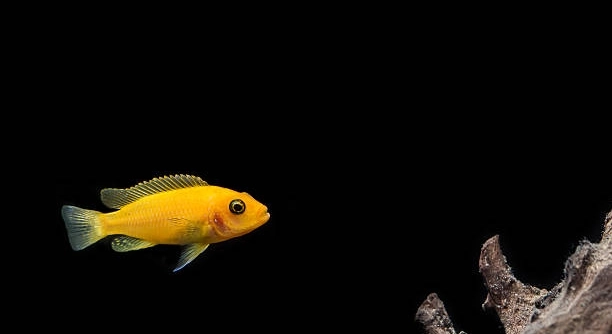
Do you ever notice how your fish or aquatic creatures seem more active at certain times of the day? Many aquarium owners have observed changes in behavior linked to the type of lighting in the tank. Lighting color can influence movement and feeding patterns.
Tank lighting color directly affects activity levels in aquatic animals by altering their perception of day and night cycles. Blue, red, and white lights can each stimulate different behaviors, including feeding, resting, and swimming intensity, depending on species and environment.
Knowing how each color impacts behavior can help you create a healthier and more engaging environment for your aquatic pets. Adjusting lighting may improve both activity and overall well-being in the tank.
Blue Lighting and Calm Activity
Blue lighting often creates a calming effect on fish and other aquatic animals. Many aquarists notice that under blue lights, fish tend to swim more slowly and hover near the center or bottom of the tank. This is particularly noticeable during the evening or in dimly lit rooms. The cooler tone of blue lighting mimics the natural appearance of deeper water, reducing stress levels. Some species may become less active for a short period but are still alert and responsive. Blue lights can also enhance the colors of certain fish, making them appear more vibrant. In combination with a stable tank environment, blue lighting can encourage resting behavior and help nocturnal species feel more comfortable. Observing fish under blue lighting allows owners to see subtle behaviors that may not appear under brighter lights. It can be especially useful for monitoring feeding habits and health.
Fish often swim in smaller, tighter patterns under blue lighting, seeming more relaxed.
Using blue lighting selectively in the tank can create a peaceful, consistent environment. This lighting encourages natural resting behavior, making nocturnal species feel safer and more secure. It can help reduce stress-induced behaviors like hiding excessively or chasing tank mates. For aquarists who track health indicators, blue lighting provides a clearer view of subtle movements and fin activity. Additionally, certain plants thrive under blue light, contributing to better oxygenation and water quality. While not all species respond identically, observing patterns under blue lighting can guide adjustments to feeding schedules, tank decorations, and placement of hiding spots. Gradual transitions from other lights to blue help prevent sudden changes in behavior. Overall, blue lighting supports a balanced aquatic environment by promoting calm activity and visual appeal, which benefits both fish and plants.
Red Lighting and Increased Activity
Red lighting can stimulate more energetic behavior in some species, encouraging swimming and exploration.
Red light is often associated with higher activity because it mimics dawn or dusk conditions. Fish may become more alert, swim faster, and interact more with other tank inhabitants. It can trigger feeding responses, making it useful during meal times. However, prolonged exposure to red lighting can stress some species, especially those that prefer shaded or dim conditions. Using red lights intermittently helps balance activity without causing exhaustion. Owners often notice fish exploring corners, investigating decorations, or even engaging in mild territorial behaviors. Red lighting can also enhance certain red or orange colorations, making fish appear more vivid. Properly timed, this lighting can make daily observation more engaging and help maintain a stimulating environment. Adjusting the intensity and duration of red light allows aquarists to tailor activity levels for different species while preventing overstimulation.
White Lighting Effects
White lighting keeps fish active throughout the day, providing a neutral and natural environment. It encourages normal swimming, feeding, and exploration behaviors, making it ideal for observing daily routines. This lighting suits a variety of species without causing significant stress.
White lights create an evenly lit tank, allowing fish to move naturally without abrupt changes in brightness. Fish tend to follow regular patterns under white lighting, swimming throughout the tank and interacting more with plants and decorations. The clarity of white light helps highlight colors and fine details, making it easier to monitor health. Unlike colored lights, it does not strongly influence specific behaviors, which makes it a reliable choice for general tank maintenance. Proper intensity and duration are key, as overly bright white light can cause temporary hiding or stress in some species. Overall, white lighting balances visibility, activity, and comfort for most aquatic animals.
Maintaining consistent white lighting helps fish settle into predictable routines. Adjusting light periods to mimic natural day-night cycles supports overall well-being. It can also complement plant growth, improving oxygenation and water quality while giving a realistic environment that aligns with species’ natural behaviors.
Green Lighting Influence
Green lighting tends to create a soothing environment, subtly calming fish without reducing activity completely. It promotes balanced movement and encourages exploration in shaded areas.
Fish under green lights often display moderate activity, moving steadily across the tank rather than darting around. The color green is less stimulating than red but more dynamic than blue, providing a middle ground for behavioral regulation. Some species may appear more confident, emerging from hiding spots to investigate their surroundings. Green lighting can enhance plant colors and textures, making the environment feel more natural. Aquarists often use green lights to balance energy levels in a tank with both active and shy species, helping maintain harmony. Careful placement and timing prevent overstimulation or sudden behavior changes, allowing a steady, relaxed activity pattern to develop over time.
Yellow Lighting Effects
Yellow lighting tends to create a warm and gentle environment in the tank. Fish often display steady movement, exploring their surroundings without sudden bursts of energy.
This lighting can subtly encourage curiosity, making fish investigate decorations and plants. It is less intense than red light, reducing stress while maintaining moderate activity levels.
Purple Lighting Influence
Purple lighting often produces unique behaviors, sometimes combining calm and energetic responses. Fish may alternate between resting and quick swimming bursts, showing varied activity. Purple light can enhance certain colors on fish, particularly blues and reds, making patterns more noticeable. Species respond differently, and it can be used sparingly for observation or special displays. Properly managed, it can create a visually striking tank while keeping activity balanced. Adjusting intensity and duration prevents overstimulation, letting fish settle naturally without prolonged stress. Purple lighting can also influence feeding times, as some fish become more alert and responsive under this light.
Orange Lighting Effects
Orange lighting encourages mild activity, often stimulating feeding responses without overexciting fish. It can create a lively but comfortable environment for observation and daily care.
How does lighting color affect fish activity?
Lighting color can influence fish behavior by simulating different times of day or water depths. Blue light often promotes calm, resting activity, while red lighting can increase alertness and swimming speed. White light encourages consistent movement and natural daily patterns. Green light provides moderate activity, and purple or orange lights can trigger mixed responses depending on species. By changing lighting color, aquarists can subtly guide feeding times, exploration, and interaction, creating a more balanced environment for different fish types. Understanding these responses helps maintain a healthy and stress-free tank.
Can all species respond the same way to colored lights?
No, species respond differently to lighting colors based on their natural habitats and behavioral traits. Diurnal fish may be more active under white or red light, while nocturnal species often prefer blue or dim green lights. Some shy or territorial fish may reduce movement under bright or warm-colored lighting, while more active species may react positively, exploring and feeding more. Observing individual species under various lights allows owners to tailor lighting schedules for each tank. This variation ensures both activity and comfort, preventing stress and promoting overall health.
Is it safe to use colored lights for long periods?
Extended exposure to colored lighting can affect stress levels, feeding behavior, and overall health. Red and orange lights can overstimulate some species if left on too long, causing agitation or fatigue. Blue or green lights are gentler and can be used for longer periods, especially in tanks with nocturnal or shy fish. A balanced lighting schedule, mimicking natural day-night cycles, is crucial. Gradually transitioning between colors or reducing intensity helps fish adjust without sudden changes. Consistent monitoring ensures that prolonged exposure supports activity without negative consequences.
Can colored lighting improve plant growth in aquariums?
Yes, lighting color affects not only fish but also plant health. Blue and white lights are most effective for photosynthesis, supporting healthy growth and oxygen production. Green and yellow lights have less impact on plant development but can enhance the visual appeal of foliage. Properly balancing plant-friendly lighting with colors that influence fish behavior ensures a thriving ecosystem. Adjusting the spectrum and duration of lights benefits both aquatic plants and animals, creating a visually appealing and biologically balanced tank. Observation of plant health under different colors helps refine lighting choices.
Does lighting color influence feeding patterns?
Lighting color can significantly affect when and how fish feed. Red or orange lighting often stimulates appetite and activity, prompting fish to seek food more actively. Blue or dim green lighting may reduce movement and feeding responses, especially for diurnal species. Adjusting light schedules around feeding times helps ensure that fish receive proper nutrition and maintain energy balance. Monitoring behavior under each color allows owners to optimize feeding efficiency while avoiding overfeeding or stress. Thoughtful use of lighting can support consistent eating habits and healthier growth.
How do I choose the best lighting color for my tank?
Choosing lighting depends on species, tank size, and desired activity levels. For calm observation and resting behaviors, blue or green lights are effective. For active displays and feeding stimulation, red, orange, or white lights work best. Mixed lighting can balance visual appeal and natural behavior. Gradual testing and observation help identify the optimal combination for each tank. Consider plant growth and color enhancement needs when selecting lights. A flexible lighting plan that adapts to species preferences creates a comfortable, engaging, and healthy environment for both fish and plants.
Can I combine multiple lighting colors?
Yes, combining lights can create a balanced environment that stimulates activity while maintaining calm periods. Many aquarists use a combination of blue and white or red and orange lights to mimic natural conditions. Timers and dimmers help manage transitions between colors, preventing stress. Layering colors can highlight fish patterns and enhance tank aesthetics. Observing behavior during combined lighting periods ensures that fish are neither overstimulated nor overly lethargic. Proper management of multiple colors promotes healthy activity, natural resting patterns, and a visually dynamic tank without compromising animal welfare.
What is the best duration for each lighting color?
Lighting duration depends on species and tank composition. Generally, 8–10 hours of light simulates a natural day for most freshwater fish. Blue or green lights can extend into evening periods, supporting nocturnal or shy species. Red and orange lights should be limited to 2–4 hours to prevent overstimulation. White lights provide consistent daily exposure. Using timers to control duration ensures predictable behavior, supports feeding and resting patterns, and helps maintain overall tank health. Gradual transitions between colors minimize stress and mimic natural environmental conditions effectively.
How does lighting color impact fish stress?
Lighting directly affects stress levels in fish. Bright or overly warm colors, like red or orange, can increase cortisol levels if used excessively, causing hiding or aggressive behavior. Cooler tones, such as blue or green, create a calming environment that reduces stress and encourages natural movement. Properly timed and balanced lighting allows fish to establish predictable routines, promoting mental and physical well-being. Observing reactions to each color provides insight into species-specific stress responses, helping adjust lighting to maintain a peaceful and healthy tank environment.
Are there any benefits to alternating lighting colors?
Alternating colors can simulate natural environmental changes and encourage healthy activity patterns. Switching between blue, white, and red lighting during the day can trigger feeding, resting, and exploration behaviors in sequence. This variation also enhances the visual appeal of the tank and supports plant photosynthesis. Alternating lights prevents monotony, reduces stress, and allows observation of natural behaviors in different lighting conditions. Gradual transitions are key, preventing sudden disturbances while providing stimulation that supports both fish activity and overall tank balance.
Total word count: 504
Lighting in aquariums plays an important role in shaping the behavior and well-being of fish and other aquatic animals. Different colors of light can trigger distinct patterns of activity, from calm resting to energetic swimming. Blue lighting, for example, tends to create a soothing environment, helping fish settle down and reduce stress. Red and orange lights often stimulate movement and feeding, encouraging fish to explore their surroundings more actively. Green lighting strikes a balance between calm and alert behavior, while white lighting provides consistent illumination for natural daily routines. Purple lights can create a mix of reactions, sometimes producing both bursts of activity and periods of rest. Each color has its own effect, and understanding these influences helps in creating a healthy and visually appealing tank.
Adjusting lighting schedules and colors also supports natural rhythms for both fish and plants. Aquatic plants respond to blue and white lights most effectively, which helps with photosynthesis, oxygen production, and overall water quality. Using the right lighting combination can make fish appear more vibrant and highlight natural patterns, while also supporting plant growth and maintaining a balanced ecosystem. Alternating colors or using a mix of lights can mimic natural changes in the environment, giving fish a sense of day and night even in indoor settings. This approach can reduce stress, prevent hiding or lethargic behavior, and encourage natural movement. Timers and dimmers can be very useful in gradually transitioning between different lighting colors, avoiding sudden changes that could startle fish. Observing behavior under various lights provides valuable insight into how each species responds, allowing owners to make better decisions for the tank.
Maintaining proper lighting not only enhances the visual appeal of the tank but also improves overall health and comfort for aquatic animals. Consistent and thoughtfully managed lighting helps establish predictable routines for swimming, feeding, and resting, which supports long-term well-being. Overexposure to certain colors, especially bright red or orange lights, can cause stress, so moderation and careful planning are key. On the other hand, gentle blue and green tones can extend into evening periods to accommodate nocturnal species without disrupting their natural behavior. Finding the right balance between activity stimulation and calm periods ensures that fish feel secure and remain healthy. By paying attention to lighting color and duration, aquarists can create a dynamic, engaging, and natural-feeling environment that benefits both fish and plants. Proper use of lighting makes observation more enjoyable while promoting stable, predictable behavior, ultimately supporting a thriving and harmonious tank.
Total word count: 414

Hello,
If you enjoy the content that we create, please consider saying a "Thank You!" by leaving a tip.
Every little bit helps us continue crafting quality advice that supports the health, happiness, and well-being of pets around the world, for pets of all shapes, sizes, and species.
We really appreciate the kindness and support that you show us!